

CureSureMedico
|
EN

Aplastic Anemia Treatment

Hematology

payments

Starting from

$15,000

Up to $90,000 depending on centre

schedule

Typical duration

45–100 days

Including pre-operative work-up

arrow_downwardlocal_hospital

Partner hospitals

2

Vetted for outcome data & accreditation

Dr. Rodina Ainasoa

Content reviewed for medical accuracy by: Dr. Rodina Ainasoa · Medical Content Writer & Health Communications

Overview

Receive potentially curative treatment for severe aplastic anemia through bone marrow transplantation or highly effective immunosuppressive therapy (IST) with anti-thymocyte globulin and cyclosporine. India and Israel offer world-class aplastic anemia programs with experienced hematologists at costs 60–80% below those in Western countries.

Your case is matched to a centre on the basis of clinical outcome data, not marketing. We coordinate every step — from pre-operative work-up to post-treatment follow-up — with a dedicated care coordinator.

What's included

Specialist hematology consultation and bone marrow biopsy
HLA typing and donor search coordination
BMT procedure or full IST course with monitoring
Isolation room, transfusion support, and infection prophylaxis
Patient coordinator, interpreter, and visa support guidance
Detailed discharge plan with protocol for home-country follow-up

Aplastic Anemia Treatment

Coordinated from

$15,000

or message us on WhatsApp

No commitment required. Your data is never shared with third parties.

Immunosuppressive Therapy vs. Bone Marrow Transplant

For acquired aplastic anemia, a hematology team chooses between two standard approaches based on your age, disease severity, and whether a matched donor is available — this is a clinical decision made by your treating team, not a self-selected option. Bone marrow (stem cell) transplant is potentially curative but requires a suitably matched donor and carries transplant-specific risks, while immunosuppressive therapy (IST) with anti-thymocyte globulin (ATG) plus cyclosporine is used when transplant is not suitable, such as when no matched donor is available or in older patients.

ParameterImmunosuppressive Therapy (IST)Bone Marrow / Stem Cell Transplant
What it isA course of anti-thymocyte globulin (ATG) combined with cyclosporine, aimed at suppressing the immune response that is destroying the bone marrow's blood-forming stem cells, without replacing the marrow itself.The patient's damaged bone marrow is replaced with healthy blood-forming stem cells from a matched donor (typically a sibling, or a matched unrelated or haploidentical donor when no sibling match exists), after a conditioning regimen.
Who it's typically used forPatients without a matched sibling donor, older patients for whom transplant-related risks are higher, and those with non-severe disease.Younger patients with severe or very severe aplastic anemia who have a suitably matched donor, where it is generally the preferred first-line option because it can be curative.
Response / outcome ratesResponse rates with ATG plus cyclosporine are generally reported in the 60–70% range, though published series report a range as wide as roughly 40–80% depending on patient selection.Long-term survival after matched sibling donor transplant has been reported at roughly 90% in patients under 20 and around 70–80% in patients in their 20s to 40s, with outcomes declining further with increasing age.
Time to assess responseResponse is generally assessed over the following 3 to 6 months, as blood counts can take time to recover even when treatment is working.Initial engraftment is typically assessed within the first 2 to 4 weeks after transplant, with fuller immune recovery continuing over several months.
Longer-term risksA meaningful proportion of responders relapse over time, and a smaller proportion later develop a clonal blood disorder such as myelodysplastic syndrome (MDS) or, less commonly, acute leukemia.Graft-versus-host disease, infection during immune recovery, and graft failure are the main transplant-specific risks; these risks are generally higher in older patients and with alternative (non-sibling) donors.

The Treatment Process: Step by Step

The steps below outline the general process for aplastic anemia treatment; your hematology team will confirm which pathway (IST or transplant) applies to you after reviewing your bone marrow biopsy, blood counts, and donor typing.

1

Diagnosis and severity grading

A bone marrow biopsy and blood counts confirm the diagnosis and determine whether the disease is non-severe, severe, or very severe, which is a key factor in choosing the treatment pathway.

2

HLA typing and donor search

Human leukocyte antigen (HLA) typing is performed on the patient and available family members to check for a matched sibling donor; if none is found, a search for a matched unrelated or haploidentical donor may be started.

3

Treatment selection by the hematology team

Based on age, disease severity, and donor availability, the hematology team recommends either transplant or a course of immunosuppressive therapy, discussing the expected benefits and risks of each option with the patient.

4

Treatment delivery and monitoring

IST is delivered as an inpatient course of ATG infusions followed by daily oral cyclosporine, or transplant proceeds with a conditioning regimen followed by stem cell infusion — both pathways involve close monitoring, transfusion support, and infection precautions during the period of low blood counts.

Recovery & Monitoring Timeline

Recovery & Monitoring Timeline
Weeks 1–4

For IST, the initial ATG infusion course is completed as an inpatient, typically over about 4–5 days, followed by daily oral cyclosporine; for transplant, this period covers conditioning and the initial days after stem cell infusion, during which blood counts are at their lowest and infection precautions are strictest.

1–3 months

Blood counts are monitored closely for early signs of response (IST) or engraftment (transplant); transfusion support continues as needed and cyclosporine levels are checked regularly to keep dosing in a safe range.

3–6 months

This is the typical window in which IST response is formally assessed, since blood count recovery can be gradual; transplant patients continue tapering immunosuppression and monitoring for graft-versus-host disease during this period.

Ongoing

Both groups require long-term hematology follow-up: IST patients are monitored for relapse and for clonal evolution to conditions such as MDS, while transplant patients are monitored for chronic graft-versus-host disease and general immune recovery.

Source: American Society of Hematology (Blood / Blood Advances) published outcome studies; Cleveland Clinic and Mayo Clinic patient education materials. Individual timelines vary and are guided by your treating hematology team.

Known Risks & Limitations

  • Relapse after an initial response to immunosuppressive therapy is a well-documented risk, with published series reporting relapse in roughly 10–40% of responders over long-term follow-up, depending on the study and follow-up duration.
  • Clonal evolution — the later development of a clonal blood disorder such as myelodysplastic syndrome (MDS) or, less commonly, acute leukemia — has been reported in a minority of IST-treated patients, with cumulative incidence increasing with longer follow-up in published cohorts.
  • Transplant carries its own specific risks, including graft-versus-host disease, delayed or failed engraftment, and infection during the period of immune suppression before the new marrow is fully functioning.
  • Transplant outcomes are meaningfully affected by age and donor type: survival is generally more favorable in younger patients with a matched sibling donor and less favorable in older patients or when only an alternative (non-sibling) donor is available.
  • Patients with very low blood counts, particularly very low platelet counts or active infection, are at elevated risk of bleeding or serious infection and require careful medical stabilization and monitoring before and during travel for treatment.

Source: American Society of Hematology (Blood / Blood Advances) published cohort studies and meta-analyses on immunosuppressive therapy and transplant outcomes in aplastic anemia. No treatment pathway is without risk; your hematology team will review your individual risk factors before recommending an approach.

The CureSureMedico Care Pathway

Remote clinical review

Share your recent complete blood count (CBC), bone marrow biopsy report, and any HLA typing results already available. Our coordination team forwards your case to a hematologist for initial review before you travel.

Severity grading and donor search coordination

The receiving hematology team confirms disease severity from your records and, if HLA typing has not yet been done, coordinates typing for you and any potential family donors to check for a matched sibling.

Treatment-pathway recommendation

Based on your age, disease severity, and donor availability, the hematology team recommends either bone marrow transplant or a course of immunosuppressive therapy, explaining the expected timeline and risks of the recommended approach.

Pre-travel medical stabilization check

Given the risks of traveling with very low blood counts, your most recent labs are reviewed before confirming eligibility to travel, with local transfusion support arranged first if needed to safely prepare you for the journey.

Consolidated estimate and discharge planning

A cost estimate covering consultation, HLA typing, the chosen treatment course, and monitoring is issued before you travel, and a detailed discharge and follow-up plan is shared with your home hematology team afterward.

Global cost comparison — Aplastic Anemia Treatment

Average coordinated costs across our partner centres. Final pricing depends on clinical complexity and chosen hospital.

CountryAvg. costvs. cheapest
🇮🇳

India

New Delhi · Chennai · Bengaluru · Hyderabad · Mumbai · Kochi

Best valueEstimate
$18,000
chevron_right
🇹🇷

Turkey

Istanbul

✓ Verified
$75,000
chevron_right

Costs are indicative estimates and vary by procedure specifics, hospital, and clinical complexity. Request a personalised estimate for your specific case.

Partner hospitals

2 centres
View all hospitals
Amrita Hospital

Amrita Hospital

Faridabad, India

Asia's largest private hospital — 2,600 beds, 64 operation theatres, 81 specialties on a 130-acre campus in Delhi NCR. NABH & NABL accredited. Centres of excellence in oncology, cardiac surgery, BMT, organ transplantation, neurosciences, and IVF.

NABHNABL

800+

Specialists

2,600+

Beds

View Profile
Manipal Hospital Old Airport Road

Manipal Hospital Old Airport Road

Bengaluru, India

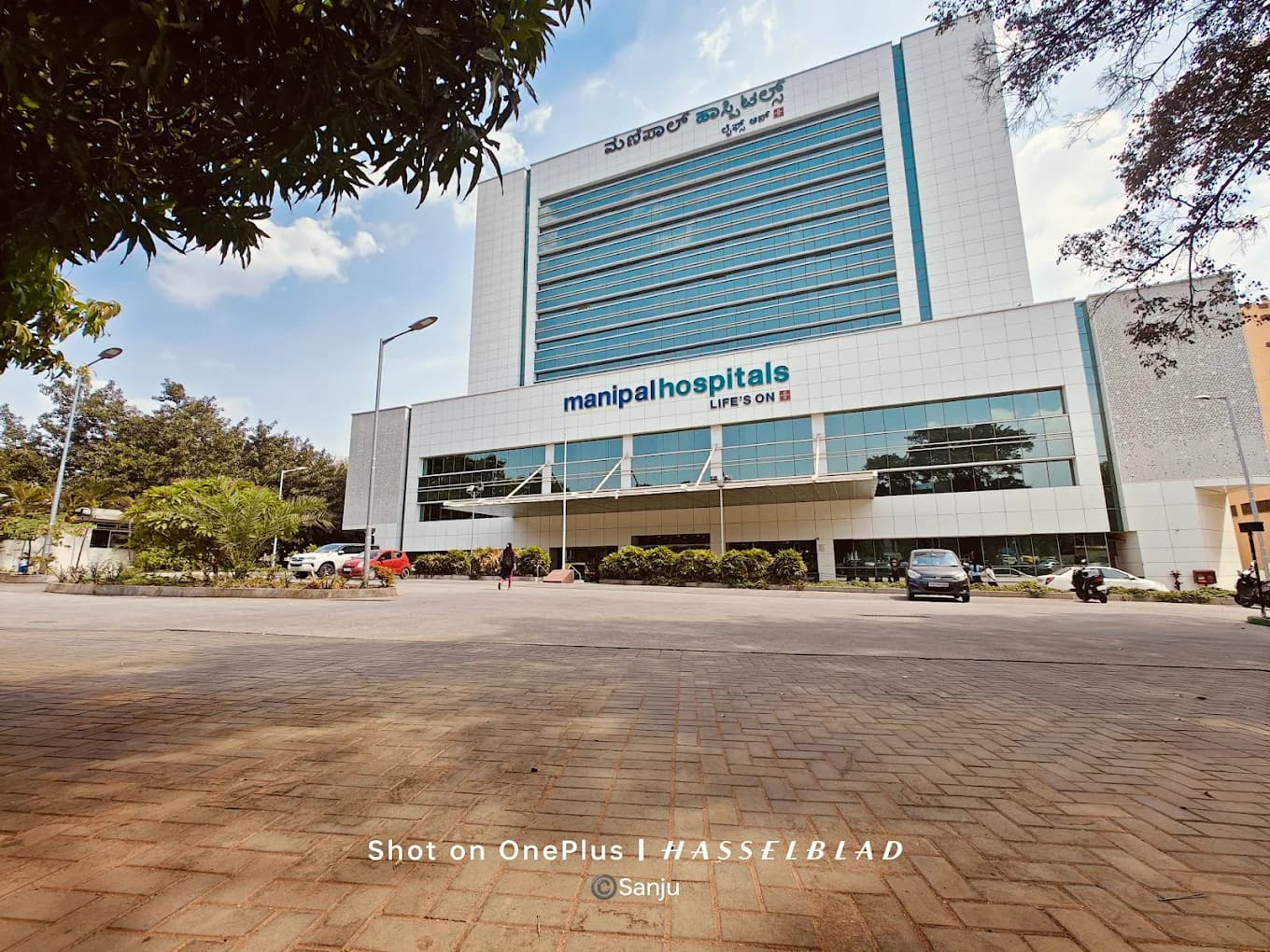
Manipal Hospitals Old Airport Road is the flagship and founding campus of one of India's largest healthcare networks, established in 1991 on HAL Old Airport Road, Kodihalli, Bengaluru. Part of the Manipal Education and Medical Group (MEMG), the network spans 49 hospitals and 12,600+ beds across India. The Old Airport Road campus anchors the group's academic and clinical identity, housing specialist institutes including the Manipal Institute for Joint Replacement and Robotic Surgery (MIJRRS), the Manipal Robotic Spine Surgery centre (MIRSS), the Manipal Skull Base Institute (MSBI), and the Manipal Institute for Bariatric Surgery (MIBS). Its quaternary-level capabilities cover cardiology, oncology, neurosurgery, organ transplantation, orthopaedics, spine surgery, bariatric surgery, and paediatrics, all within a NABH and NABL accredited environment. The hospital provides dedicated international patient services through the Manipal Global network, with support for visa, travel, language, and end-to-end care coordination.

NABHNABL

264+

Specialists

600+

Beds

View Profile

Frequently asked questions

The choice depends primarily on age, disease severity, and donor availability. For younger patients with severe or very severe aplastic anemia who have a matched sibling donor, bone marrow transplant is the preferred curative option, with published long-term survival approaching 90% in patients under 20 and generally above 70% in patients in their 20s to 40s. For older patients, those without a matched donor, or those with non-severe disease, immunosuppressive therapy with horse-ATG or rabbit-ATG plus cyclosporine is the standard first-line approach, achieving responses in 60–70% of patients (though 30–60% of responders may relapse over time, and a smaller proportion later develop a clonal blood disorder such as MDS). Our partner hematologists will review your CBC, bone marrow biopsy, and HLA typing to provide a tailored recommendation before you travel.

No fees. No commitment.

Our guidance is completely free

We are compensated by our partner hospitals — never by patients. You get independent clinical matching, cost transparency, and end-to-end coordination at no cost to you.

Message us on WhatsApp