CureSureMedico
|
EN

Deep Brain Stimulation

Neurology

payments

Starting from

$16,000

Up to $60,000 depending on centre

schedule

Typical duration

10–21 days

Including pre-operative work-up

arrow_downwardlocal_hospital

Partner hospitals

46

Vetted for outcome data & accreditation

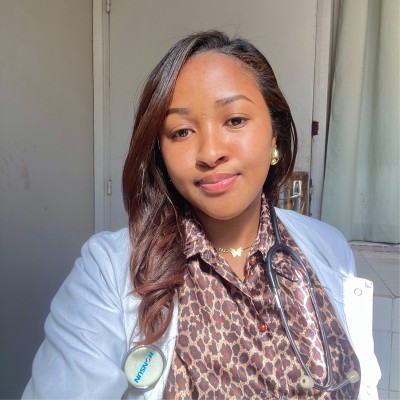
Dr. Rodina Ainasoa

Content reviewed for medical accuracy by: Dr. Rodina Ainasoa · Medical Content Writer & Health Communications

Overview

Neurosurgical implantation of electrodes into precise brain targets, connected to a subcutaneous pulse generator, to modulate abnormal neural circuits in movement disorders, psychiatric conditions, and chronic pain.

Your case is matched to a centre on the basis of clinical outcome data, not marketing. We coordinate every step — from pre-operative work-up to post-treatment follow-up — with a dedicated care coordinator.

What's included

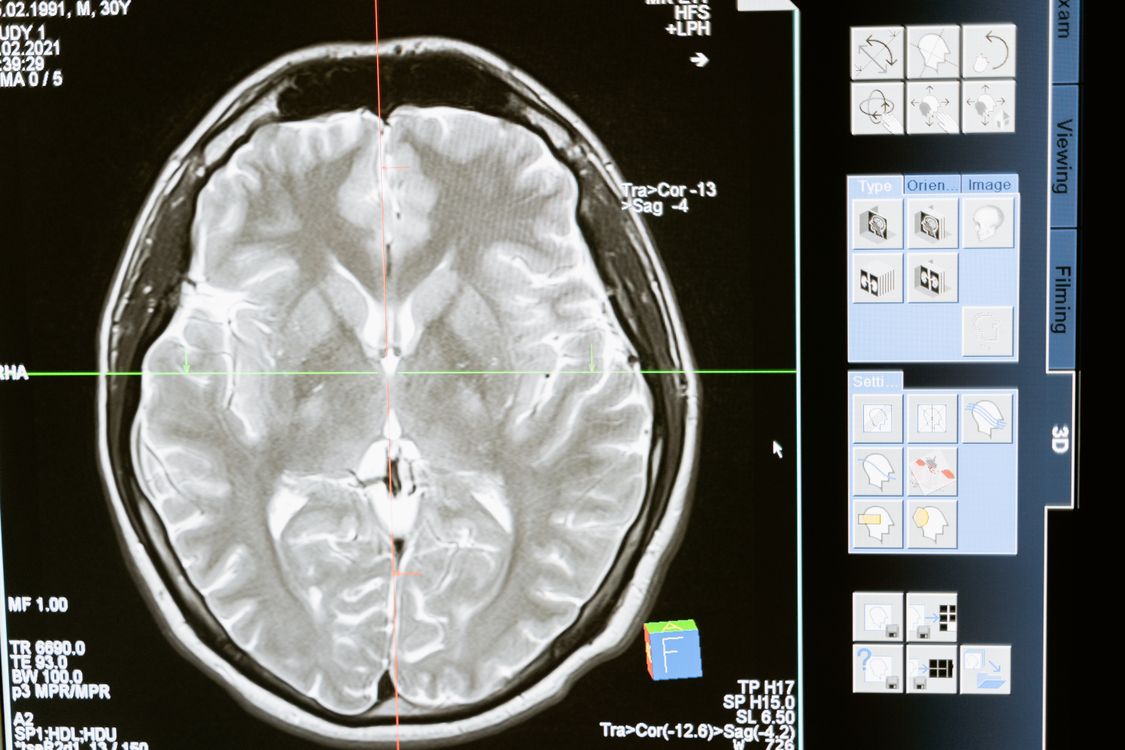
Pre-operative neurological assessment & brain MRI/CT
Functional neurosurgery team fees
DBS hardware (leads, extension cables, pulse generator)
Implantation surgery & intraoperative neurophysiology monitoring
Post-operative programming sessions
Interpreter & care coordinator
Long-term stimulator management plan at home

Deep Brain Stimulation

Coordinated from

$16,000

or message us on WhatsApp

No commitment required. Your data is never shared with third parties.

Awake vs. Asleep (MRI-Guided) DBS Technique

Deep brain stimulation electrodes can be placed with the patient awake, using microelectrode recording and symptom testing to confirm the target, or with the patient asleep under general anaesthesia, using real-time interventional MRI guidance. Which technique is used, and whether it suits a given patient, is decided by the neurosurgical team — never a self-assessment.

ParameterAwake (Microelectrode Recording)Asleep (Interventional MRI-Guided)
Targeting approachRelies on real-time microelectrode recording and the patient's conscious feedback during symptom testing to confirm the electrode is in the correct location, per a systematic review in the Journal of Neurosurgery.Uses live interventional MRI imaging to confirm lead position while the patient is under general anaesthesia; a UCSF comparative study measured smaller average targeting errors and fewer lead passes with this approach.
Patient experience during surgeryThe patient must remain conscious and cooperative for several hours, responding to symptom and side-effect testing under local anaesthesia at the pin sites.Performed entirely under general anaesthesia, with no requirement for the patient to be awake or to respond to intraoperative testing.
Who it typically suitsPatients able to tolerate hours of conscious cooperation and off/on medication symptom testing during surgery, per published technical reviews.Patients who cannot tolerate an awake procedure, and centres equipped with intraoperative MRI capability; the choice is made by the neurosurgical team, not the patient alone.
Clinical outcomesSymptom improvement and effective stimulation settings are comparable to the asleep technique, per the same 2024 meta-analysis, despite the awake method requiring more lead-placement passes on average.Despite differences in targeting technique, a 2024 systematic review and meta-analysis in the Journal of Neurosurgery found overall symptom improvement and stimulation thresholds were similar between the two approaches.
Candidacy assessmentDetermined by a multidisciplinary movement-disorder team — a movement-disorder neurologist, neurosurgeon, neuropsychologist, and often a psychiatrist — never a self-diagnosis, per the National Institute of Neurological Disorders and Stroke (NINDS).Uses the same multidisciplinary team-led evaluation process; the awake-vs-asleep decision is a technique choice made after candidacy is already confirmed.

The Procedure: Step by Step

The description below outlines the general deep brain stimulation process. Your movement-disorder neurology and neurosurgical team will confirm the specific steps and timeline for your case.

1

Multidisciplinary candidacy evaluation

A movement-disorder neurologist, neurosurgeon, neuropsychologist, and often a psychiatrist jointly assess diagnosis, medication response, brain imaging, and cognitive/psychiatric status to determine candidacy — this is a team clinical decision, not a self-assessment, per NINDS and published patient-selection guidelines.

2

Electrode implantation

Under local anaesthesia with the patient awake, or under general anaesthesia with real-time MRI guidance, the neurosurgeon places thin electrodes at the predetermined target deep in the brain, per Mayo Clinic Proceedings.

3

Pulse generator (IPG) placement

A pulse generator is implanted under the skin, typically below the collarbone, and connected to the brain electrodes by an extension wire tunneled under the skin of the scalp, neck, and shoulder; this may be done in the same operation or as a separate, often same-week, procedure, per Mayo Clinic Proceedings.

4

Device activation & programming

At a follow-up visit, typically some weeks after surgery, the neurologist switches on the pulse generator and begins programming the stimulation settings; this is refined over a series of follow-up visits as symptoms respond, per Cleveland Clinic.

Recovery Timeline

Recovery Timeline
Overnight

Most patients spend one night in hospital after surgery for monitoring of complications such as seizure, confusion, or bleeding, per Cleveland Clinic and Mayo Clinic Proceedings.

Days–2 weeks

Light activities can typically resume within a few days; the surgical incisions are monitored for healing and checked at a follow-up visit, per Cleveland Clinic.

2–4 weeks

The pulse generator is switched on at an initial activation visit and programming begins; exact timing varies by centre and by condition being treated.

12–18 months

Maximum symptom benefit is generally reached only after a series of follow-up programming sessions, as settings are gradually adjusted; the pace and degree of improvement varies by individual, per Cleveland Clinic.

Source: Cleveland Clinic; Mayo Clinic Proceedings. Individual recovery and results vary and are guided by your neurology and neurosurgical team.

Known Risks & Limitations

  • Overall surgical morbidity for DBS is estimated at 3–4%, including hemorrhage, transient confusion, infection, and fracture, misplacement, or migration of the lead, per Mayo Clinic Proceedings; complication rates have declined over the past two decades as surgical experience has grown.
  • Intracerebral hemorrhage is an uncommon but serious risk, with symptomatic hemorrhage reported below 2% at experienced centres and perioperative hemorrhage of any kind around 1–2% in large single-centre case series, per the Journal of Neurosurgery and peer-reviewed complication studies.
  • Hardware-related infection is reported in roughly 3–7% of cases in large single-centre series, and can require partial or complete removal of the implanted hardware in the majority of infected cases, per peer-reviewed studies of DBS surgical and hardware complications.
  • Complication rates fall substantially as a surgical team's experience grows — one published single-centre study reported a drop from 23% in a surgeon's first 100 cases to 7% in their most recent 100 — so your team's DBS case volume is a reasonable question to raise.
  • DBS manages the symptoms of the underlying condition; it does not cure Parkinson's disease, essential tremor, or dystonia, or halt disease progression, and full symptom benefit is typically reached only after months of programming adjustments, per NINDS and Cleveland Clinic.

Source: Mayo Clinic Proceedings; Journal of Neurosurgery; National Institute of Neurological Disorders and Stroke (NINDS); peer-reviewed single- and multi-centre studies of deep brain stimulation surgical and hardware complications. No procedure is without risk; your neurology and neurosurgical team will review your individual case.

The CureSureMedico Care Pathway

Remote clinical review

Share your diagnosis, medication history, brain imaging, and, where relevant, video of your symptoms. Our coordination team forwards your case to a movement-disorder neurology and neurosurgery team, who assess candidacy and outline technique options.

Clinic matching & estimate

A consolidated cost estimate covering the multidisciplinary work-up, electrode and pulse-generator hardware, implantation surgery, and initial programming sessions is issued before you travel.

Travel & pre-operative work-up

On arrival, brain imaging, medication-response testing, and neuropsychological/psychiatric screening confirm final candidacy and the appropriate surgical technique ahead of surgery.

Procedure & early recovery

The electrode implantation and pulse-generator placement, whether combined or staged, followed by inpatient monitoring — typically one night in hospital — and discharge.

Continuity of care post-return

Initial device activation and first programming sessions are completed before you travel home. Programming settings and a discharge summary are shared with your home neurologist, with remote follow-up programming arranged for ongoing adjustments.

Treatment approaches

Standard and robotic-assisted Deep Brain Stimulation

Standard Approach

Frame-Based Stereotactic DBS Electrode Placement

$16,000

1021 days

Robotic-Assisted Option

Robot-Assisted (ROSA) DBS Electrode Placement

$19,000

919 days

Comparing the two approaches

StandardRobotic-Assisted
ProcedureFrame-Based Stereotactic DBS Electrode PlacementRobot-Assisted (ROSA) DBS Electrode Placement
TechnologyConventional surgical instrumentsRobotic-assisted surgical system with surgeon oversight
AvailabilityHospital-dependentSelected hospitals with robotic capability
SpecialistProcedure specialistSpecialist with relevant robotic experience
Clinical suitabilityCase-dependentCase-dependent
Tariff$16,000–$60,000$19,000–$66,000
Duration10–21 days9–19 days

Eligibility for robotic-assisted treatment

  • Movement-disorder or (at select centres) psychiatric DBS candidates confirmed by the neurology/neurosurgery team as suitable for stereotactic electrode implantation into a deep-brain target such as the STN, GPi, or VIM thalamus
  • A pre-surgical implantation plan with one or more precise electrode trajectories — the robotic platform's main benefit is speed and a frameless, more flexible trajectory setup, not a change to which patients qualify for DBS
  • Cross-sectional imaging (MRI, sometimes CT fusion) and multidisciplinary review confirming candidacy and a workable electrode trajectory plan
  • Availability of the robotic stereotactic platform (such as ROSA) and a functional neurosurgery team experienced with robot-assisted electrode placement at your selected hospital

Risks and limitations of robotic-assisted surgery

  • Robotic guidance applies specifically to planning and placing the electrodes accurately — it does not automate the procedure; a neurosurgeon still performs and directly oversees every step, including any awake intraoperative testing
  • Robotic assistance does not eliminate the risks of DBS electrode placement, including intracranial haemorrhage, infection, and hardware-related complications
  • Published comparisons show robot-assisted and frame-based DBS placement have comparable targeting accuracy (vector error roughly 1.5–1.8mm for both techniques), with the robotic approach mainly offering a frameless workflow and modestly shorter operating time rather than a clear safety advantage
  • The neurosurgeon remains responsible for trajectory planning and the safety of each electrode pass; robotic guidance is an aid to precision and workflow, not a substitute for surgical judgement

Tariff structure

Standard procedure$16,000$60,000
Robotic-assisted technology fee+$3,000$6,000
Total estimated robotic-assisted tariff$19,000$66,000

Why can robotic-assisted procedures cost more?

Robotic-assisted procedures rely on additional technology and equipment beyond the standard operating platform and clinical team. This additional technology component is generally not included in standard case pricing.

Is robotic-assisted surgery always recommended?

No. Robotic-assisted surgery is not appropriate for every procedure or patient. Availability and suitability are determined by the treating specialist, based on your imaging, clinical condition, and the treating hospital's capabilities.

Global cost comparison — Deep Brain Stimulation

Average coordinated costs across our partner centres. Final pricing depends on clinical complexity and chosen hospital.

CountryAvg. costvs. cheapest
🇮🇳

India

New Delhi · Chennai · Bengaluru · Hyderabad · Mumbai · Kochi

✓ Verified
$21,600
chevron_right
🇹🇷

Turkey

Istanbul

Best value✓ Verified
$20,000
chevron_right
🇹🇭

Thailand

Bangkok · Phuket · Chiang Mai

✓ Verified
$30,000
chevron_right

Costs are indicative estimates and vary by procedure specifics, hospital, and clinical complexity. Request a personalised estimate for your specific case.

Cost & recovery by procedure

This treatment category covers several different operations with different levels of invasiveness, recovery times, and costs. The country averages above blend all of them together — use the breakdown below for a more realistic, procedure-specific estimate.

DBS for Parkinson's Disease

Two thin electrodes are implanted into precise deep-brain targets — most commonly the subthalamic nucleus (STN) or globus pallidus interna (GPi) — and connected via subcutaneous extension wires to a pulse generator implanted under the skin of the chest, to reduce the tremor, rigidity, and motor fluctuations of Parkinson's disease.

Typical recovery · 4–6 weeks

Often staged: electrode implantation (awake or asleep, roughly 4–6 hours) is followed a few days to weeks later by pulse-generator placement under general anaesthesia. Hospital stay is typically 3–5 days across both stages. Most patients resume light activity within 4–6 weeks; stimulation programming begins 2–4 weeks after surgery and is fine-tuned over several follow-up visits. Risks include infection (roughly 3–5%) and intracranial bleeding (roughly 1–2%).

India

$15,000–$25,000

Turkey

$17,000–$28,000

Thailand

Estimate pending verification — ask your care coordinator for a current quote

DBS for Essential Tremor

An electrode (placed unilaterally or, less often, bilaterally) is implanted into the ventral intermediate nucleus (VIM) of the thalamus and connected to a chest-wall pulse generator, to suppress the rhythmic, involuntary shaking characteristic of essential tremor that has not responded to medication.

Typical recovery · 3–5 weeks

Because it is often a single-target, sometimes unilateral procedure, hospital stay (typically 2–4 days) and early recovery tend to be somewhat shorter than for bilateral Parkinson's DBS. Tremor suppression can be apparent intraoperatively; formal stimulator programming starts 2–4 weeks after surgery.

India

Estimate pending verification — ask your care coordinator for a current quote

Turkey

Estimate pending verification — ask your care coordinator for a current quote

Thailand

Estimate pending verification — ask your care coordinator for a current quote

DBS for Dystonia

Bilateral electrodes are implanted into the globus pallidus interna (GPi) to reduce the involuntary muscle contractions and abnormal postures of dystonia, connected to a chest-wall pulse generator. Unlike tremor, dystonia symptoms typically improve gradually rather than immediately after activation.

Typical recovery · 6–8 weeks

Hospital stay is typically 3–5 days, similar to Parkinson's DBS. Meaningful symptom improvement can take 3–6 months of programming adjustments to fully emerge, so the follow-up programming schedule is usually more intensive than for tremor indications.

India

Estimate pending verification — ask your care coordinator for a current quote

Turkey

Estimate pending verification — ask your care coordinator for a current quote

Thailand

Estimate pending verification — ask your care coordinator for a current quote

DBS for OCD / Psychiatric Conditions

Electrodes are placed in circuits such as the ventral capsule/ventral striatum to modulate brain activity implicated in severe, treatment-resistant obsessive-compulsive disorder or other psychiatric conditions, under strict multidisciplinary psychiatric and neurosurgical evaluation. It is offered at a smaller number of specialised centres than movement-disorder DBS.

Typical recovery · 6–8 weeks

Surgical recovery is similar to other DBS indications (hospital stay roughly 3–5 days), but the psychiatric programming and assessment period is typically longer — often several months — before the full therapeutic benefit can be judged.

India

Estimate pending verification — ask your care coordinator for a current quote

Turkey

Estimate pending verification — ask your care coordinator for a current quote

Thailand

Estimate pending verification — ask your care coordinator for a current quote

Cost ranges are indicative estimates for international patients and vary with implant choice, number of levels treated, surgeon, and hospital. Request a personalised quote for your specific case.

Clinical detail: AAOS OrthoInfo, Mayo Clinic Health System, Cleveland Clinic. Cost ranges cross-checked across multiple independent medical-tourism sources per country where marked; ranges flagged "pending verification" could not be independently confirmed at the time of writing.

Partner hospitals

46 centres
View all hospitals
Hospital Medica Sur

Hospital Medica Sur

Mexico City, Mexico

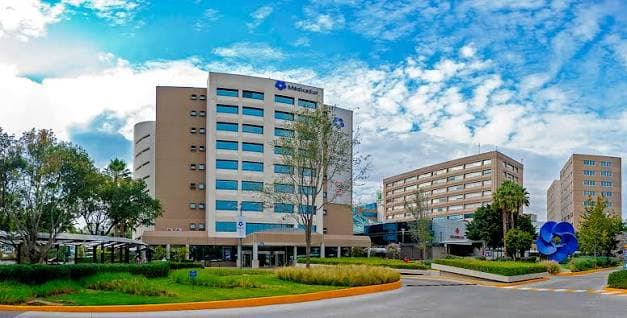
Hospital Médica Sur is a world-class tertiary referral centre in Tlalpan, Mexico City, recognised as Mexico's best hospital for six consecutive years by Newsweek's World's Best Hospitals ranking (2026). The hospital is the first and only institution in Latin America to join the Mayo Clinic Care Network — with a dedicated Mayo Clinic office on-site since 2018 — and is one of only four JCI-accredited hospitals in Mexico. Its 35+ specialty centres span the full spectrum of high-complexity medicine: robotic surgery (Da Vinci X), Gamma Knife radiosurgery, organ transplantation (150+ procedures since 2002), bariatric surgery, oncology, neurosurgery, nephrology, and orthopaedics.
JCIMayo Clinic Care Network

200+

Specialists

220+

Beds

View Profile
Memorial Hospitals Group

Memorial Hospitals Group

Istanbul, Turkey

Memorial Hospitals Group is Turkey's most internationally recognised private hospital network, founded in 1995 and opened to patients in February 2000. Its flagship Sisli campus in Istanbul was the first hospital in Turkey — and 21st in the world — to receive JCI accreditation in 2002, with uninterrupted renewals ever since. Across 11 hospitals and 2 medical centres, Memorial hosts 1,300+ physicians and treats 75,000 international patients per year from 167 countries. The group is celebrated for cardiac surgery (1,400+ operations/year), organ transplantation (including Turkey's first blood-type-incompatible kidney transplant), IVF (10,000+ babies born), oncology with TrueBeam and CyberKnife, and robotic neurosurgery.

JCIISO 15189:2022

1,300+

Specialists

252+

Beds

View Profile
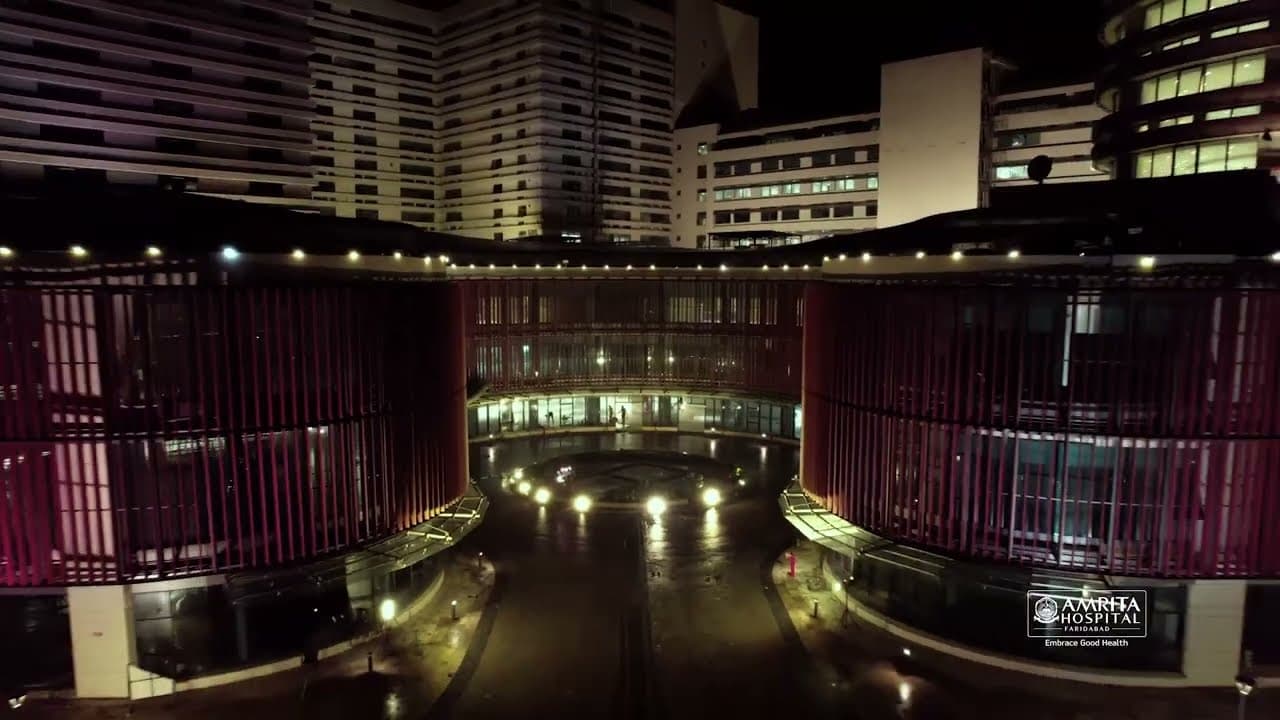
Amrita Hospital

Amrita Hospital

Faridabad, India

Asia's largest private hospital — 2,600 beds, 64 operation theatres, 81 specialties on a 130-acre campus in Delhi NCR. NABH & NABL accredited. Centres of excellence in oncology, cardiac surgery, BMT, organ transplantation, neurosciences, and IVF.

NABHNABL

800+

Specialists

2,600+

Beds

View Profile
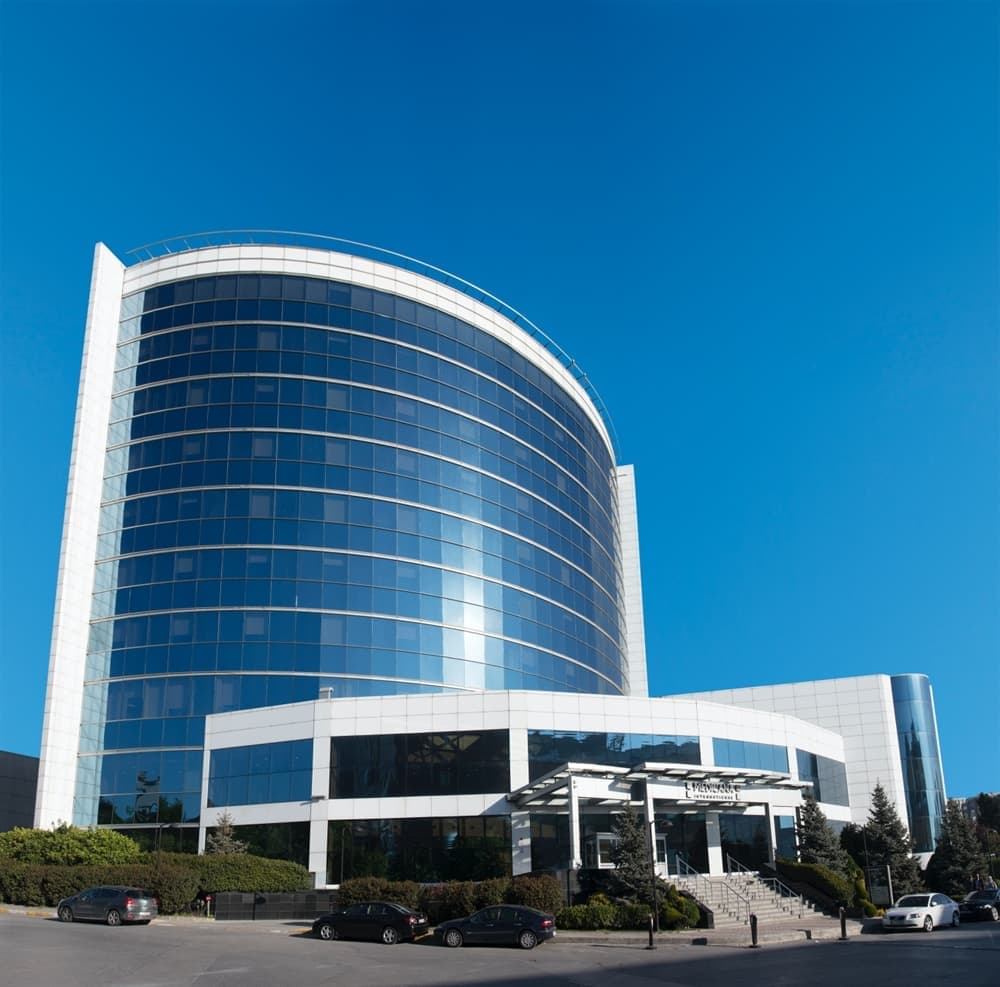
Medicana International

Medicana International

Istanbul, Turkey

Medicana International Beylikdüzü, founded in 2007, is a 30,000 m² multi-specialty hospital in Istanbul's Beylikdüzü district with 60+ clinical departments. The facility combines advanced oncology (MR-Linac, PET-CT, Linear Accelerator), cardiac care with dedicated coronary and cardiovascular surgery ICUs, a Bone Marrow Transplant Centre, organ transplantation (liver & kidney), an IVF/Assisted Reproduction Centre, and a full neurosurgery suite — all supported by Da Vinci robotic surgery and a multilingual International Patient Centre.

Health Tourism Authorizati…

200+

Specialists

200+

Beds

View Profile

Frequently asked questions

Yes. DBS is adjustable and reversible — the stimulator can be reprogrammed non-invasively or switched off without affecting the brain. Electrodes can be removed if clinically indicated, though this is rare.

No fees. No commitment.

Our guidance is completely free

We are compensated by our partner hospitals — never by patients. You get independent clinical matching, cost transparency, and end-to-end coordination at no cost to you.

Message us on WhatsApp