
CureSureMedico
|
EN

DVT & Venous Thromboembolism Treatment

Vascular Surgery

payments

Starting from

$1,000

Up to $6,000 depending on centre

schedule

Typical duration

5–14 days

Including pre-operative work-up

arrow_downwardlocal_hospital

Partner hospitals

2

Vetted for outcome data & accreditation

Dr. Rodina Ainasoa

Content reviewed for medical accuracy by: Dr. Rodina Ainasoa · Medical Content Writer & Health Communications

Overview

Advanced interventional management of acute deep vein thrombosis (DVT) and pulmonary embolism — including catheter-directed thrombolysis, mechanical thrombectomy, and IVC filter placement — to rapidly restore venous flow and reduce the risk of post-thrombotic syndrome and fatal PE. India and Turkey provide specialist vascular and interventional radiology teams at 50–65% below Western costs.

Your case is matched to a centre on the basis of clinical outcome data, not marketing. We coordinate every step — from pre-operative work-up to post-treatment follow-up — with a dedicated care coordinator.

What's included

Vascular/interventional radiology consultation with venous imaging review
CDT, thrombectomy, or IVC filter procedure by specialist team
ICU or monitored hospital stay (3–7 nights)
Thrombolytic agents, catheters, and filter device included
Anticoagulation initiation and discharge medication plan
Coordinator support and communication with home physician for follow-up care

DVT & Venous Thromboembolism Treatment

Coordinated from

$1,000

or message us on WhatsApp

No commitment required. Your data is never shared with third parties.

Anticoagulation Alone vs. Catheter-Directed Thrombolysis/Thrombectomy

Not everyone with DVT needs the same treatment. Which approach is right depends on where the clot is, how extensive it is, and your individual bleeding and recurrence risk — a decision made by a vascular specialist, not chosen by the patient. Here is how the two main approaches compare.

ParameterAnticoagulation AloneCatheter-Directed Thrombolysis / Mechanical Thrombectomy
What it doesBlood-thinning medication prevents the existing clot from growing and stops new clots forming, while the body gradually breaks down the clot on its own, per the American Society of Hematology (ASH).A catheter is guided into the vein to deliver clot-dissolving medication directly at the clot (CDT) or to mechanically remove it (thrombectomy), actively clearing the vein rather than waiting for the body to resolve it.
Best suited forThe standard first-line treatment for most DVT, including many cases below the knee or with limited symptoms, per ASH and Society for Vascular Surgery guidance.Considered for extensive proximal (iliofemoral) DVT with severe symptoms and low bleeding risk, where faster clot removal may reduce longer-term leg symptoms.
Speed of symptom reliefSwelling and pain ease gradually over days to weeks as the body's own clot-dissolving processes work.Clinical studies report faster early improvement in leg swelling and pain, with thrombus clearance rates reported as higher than anticoagulation alone in iliofemoral DVT.
Hospital stayOften managed on an outpatient basis after diagnosis, with only select higher-risk cases admitted.Requires a monitored hospital stay (commonly several days) for catheter placement, infusion monitoring, and bleeding surveillance.
Long-term outcome focusPrimary goal is preventing pulmonary embolism (PE) and further clot growth; some patients still go on to develop post-thrombotic syndrome (PTS).Research suggests CDT/thrombectomy can lower the risk of post-thrombotic syndrome by reducing clot burden and protecting the vein valves, though ongoing anticoagulation is still typically required afterward.

The Process: Step by Step

The steps below outline a typical pathway for diagnosing and treating DVT. Your vascular specialist will confirm the exact plan based on your clot's location, extent, and your overall risk profile.

1

Diagnosis with venous ultrasound

Compression (Doppler) ultrasound of the leg is the standard first test to confirm the presence, location, and extent of a clot, together with a clinical risk assessment and, where PE is suspected, further imaging of the lungs.

2

Treatment initiation

Based on clot location and severity, treatment begins either with an anticoagulant medication started promptly to prevent clot growth and PE, or, for selected extensive proximal DVT, catheter-directed thrombolysis or mechanical thrombectomy performed by an interventional radiology or vascular team.

3

Monitoring during treatment

If admitted for a catheter-based procedure, you are monitored closely for bleeding and treatment response; anticoagulation dosing is checked and adjusted, and compression stockings may be introduced to support venous return and reduce swelling.

4

Follow-up imaging and anticoagulation review

Follow-up ultrasound and clinical review assess clot resolution and vein function, and your anticoagulation plan — drug, dose, and expected duration — is confirmed or adjusted based on whether your DVT was provoked or unprovoked.

Recovery Timeline

Recovery Timeline
First few days

For anticoagulation alone, leg swelling and tenderness typically begin easing within days; most people can resume light daily activity quickly, while avoiding prolonged immobility, per Cleveland Clinic and Mayo Clinic. For CDT/thrombectomy, this period covers the procedure itself and monitored hospital recovery.

First 1-2 weeks

Walking is generally encouraged as tolerated to support circulation; compression stockings may be recommended to reduce swelling. Anyone treated with a catheter-based procedure is typically discharged home on continued anticoagulation during this period.

3-6 months

Most provoked DVT is treated with 3 to 6 months of anticoagulation, per ASH guidelines, with periodic review of symptoms and bleeding risk; follow-up ultrasound may be repeated to check the vein has reopened or stabilised.

Beyond 6 months

Unprovoked or recurrent DVT may require extended or indefinite anticoagulation depending on individual recurrence and bleeding risk; some patients experience lingering leg heaviness or swelling (possible post-thrombotic syndrome) that is managed with compression and monitored over the longer term.

Source: American Society of Hematology; Society for Vascular Surgery; Mayo Clinic; Cleveland Clinic. Individual recovery varies and is guided by your treating vascular specialist or haematologist.

Known Risks & Limitations

  • Bleeding is the main risk of anticoagulation, ranging from minor bruising to, less commonly, serious internal or gastrointestinal bleeding; your specialist weighs this against your individual clot-recurrence risk before choosing a drug and duration, per ASH.
  • Untreated or undertreated DVT carries a real risk of pulmonary embolism (PE), a potentially life-threatening complication where part of the clot travels to the lungs — this is why acute symptomatic DVT should be assessed and treated promptly, never delayed for travel convenience.
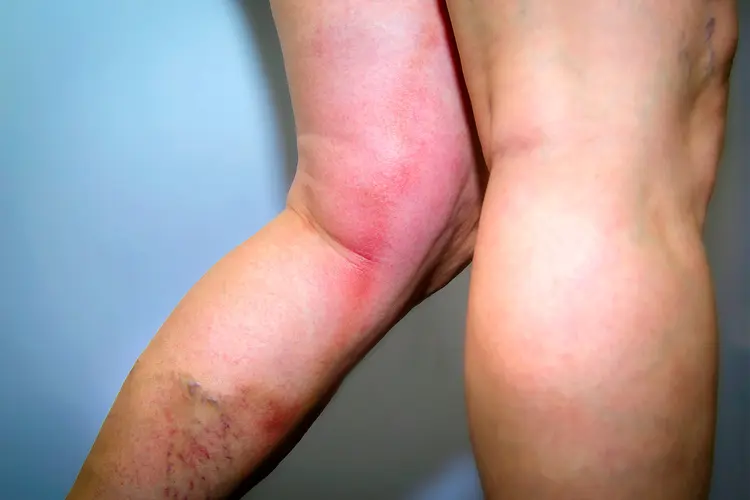
  • Post-thrombotic syndrome (chronic leg swelling, pain, skin changes, and in severe cases ulcers from damaged vein valves) can develop in a meaningful proportion of patients after DVT, particularly with extensive proximal clots, regardless of treatment approach.
  • Recurrence risk exists after any DVT and is higher for unprovoked clots or ongoing risk factors; this is a key reason anticoagulation duration is individualised rather than fixed, per Society for Vascular Surgery guidance.
  • Catheter-directed thrombolysis and mechanical thrombectomy carry procedural risks including bleeding at the catheter access site, and thrombolytic drugs carry a higher bleeding risk than anticoagulation alone, which is why these interventions are reserved for carefully selected patients.

Source: American Society of Hematology; Society for Vascular Surgery; Mayo Clinic; Cleveland Clinic. No treatment is without risk; your treating vascular specialist or haematologist will review your individual case and clot characteristics.

The CureSureMedico Care Pathway

Urgent remote triage

Share your ultrasound report, symptoms, and risk factors with our coordination team; because DVT can be a medical emergency, cases with signs of PE or extensive proximal clot are flagged for urgent specialist review rather than routine scheduling.

Specialist and facility matching

We match you with an accredited vascular surgery or interventional radiology team experienced in both anticoagulation management and catheter-based DVT treatment, so your plan is chosen on clinical grounds rather than availability.

Cost estimate and travel planning

Once your case is reviewed, we issue a consolidated cost estimate covering consultation, procedure (if indicated), monitored hospital stay, and medications, and help plan a trip length appropriate to your treatment pathway.

Treatment and in-hospital monitoring

You receive anticoagulation, catheter-directed thrombolysis, mechanical thrombectomy, or IVC filter placement as indicated, with close monitoring for bleeding and treatment response throughout your stay.

Follow-up and continuity of care

Before you depart, your imaging results, procedure details, and a detailed anticoagulation plan are shared with your home-country physician or haematologist so they can continue monitoring and adjust treatment as needed.

Global cost comparison — DVT & Venous Thromboembolism Treatment

Average coordinated costs across our partner centres. Final pricing depends on clinical complexity and chosen hospital.

CountryAvg. costvs. cheapest
🇮🇳

India

New Delhi · Chennai · Bengaluru · Hyderabad · Mumbai · Kochi

Best value
$1,500
chevron_right
🇹🇷

Turkey

Istanbul

$3,500
chevron_right

Costs are indicative estimates and vary by procedure specifics, hospital, and clinical complexity. Request a personalised estimate for your specific case.

Partner hospitals

2 centres
View all hospitals
Amrita Hospital

Amrita Hospital

Faridabad, India

Asia's largest private hospital — 2,600 beds, 64 operation theatres, 81 specialties on a 130-acre campus in Delhi NCR. NABH & NABL accredited. Centres of excellence in oncology, cardiac surgery, BMT, organ transplantation, neurosciences, and IVF.

NABHNABL

800+

Specialists

2,600+

Beds

View Profile
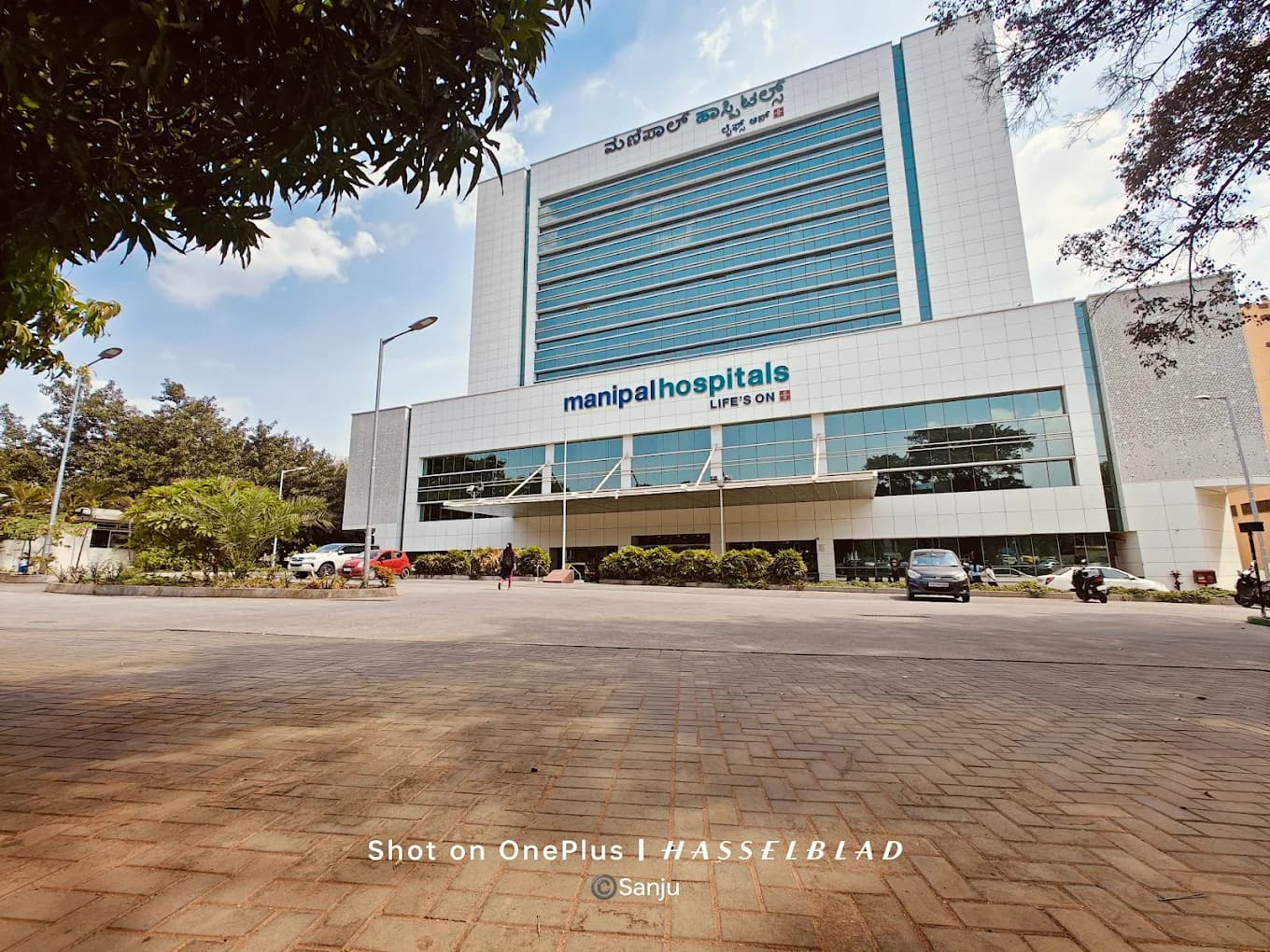
Manipal Hospital Old Airport Road

Manipal Hospital Old Airport Road

Bengaluru, India

Manipal Hospitals Old Airport Road is the flagship and founding campus of one of India's largest healthcare networks, established in 1991 on HAL Old Airport Road, Kodihalli, Bengaluru. Part of the Manipal Education and Medical Group (MEMG), the network spans 49 hospitals and 12,600+ beds across India. The Old Airport Road campus anchors the group's academic and clinical identity, housing specialist institutes including the Manipal Institute for Joint Replacement and Robotic Surgery (MIJRRS), the Manipal Robotic Spine Surgery centre (MIRSS), the Manipal Skull Base Institute (MSBI), and the Manipal Institute for Bariatric Surgery (MIBS). Its quaternary-level capabilities cover cardiology, oncology, neurosurgery, organ transplantation, orthopaedics, spine surgery, bariatric surgery, and paediatrics, all within a NABH and NABL accredited environment. The hospital provides dedicated international patient services through the Manipal Global network, with support for visa, travel, language, and end-to-end care coordination.

NABHNABL

264+

Specialists

600+

Beds

View Profile

Frequently asked questions

Acute symptomatic DVT can and should be treated promptly wherever you are. All partner hospitals can manage acute DVT with anticoagulation and, where indicated, catheter-directed intervention. If you develop leg swelling, pain, or breathlessness while traveling, contact our emergency coordinator immediately — we can arrange urgent access to a partner vascular center. Elective procedures such as IVC filter retrieval or management of post-thrombotic syndrome, however, can be planned in advance as a scheduled medical trip.

No fees. No commitment.

Our guidance is completely free

We are compensated by our partner hospitals — never by patients. You get independent clinical matching, cost transparency, and end-to-end coordination at no cost to you.

Message us on WhatsApp