
CureSureMedico
|
EN

Dental Implants

Dental

payments

Starting from

$500

Up to $10,000 depending on centre

schedule

Typical duration

5–14 days

Including pre-operative work-up

arrow_downwardlocal_hospital

Partner hospitals

2

Vetted for outcome data & accreditation

Dr. Rodina Ainasoa

Content reviewed for medical accuracy by: Dr. Rodina Ainasoa · Medical Content Writer & Health Communications

Overview

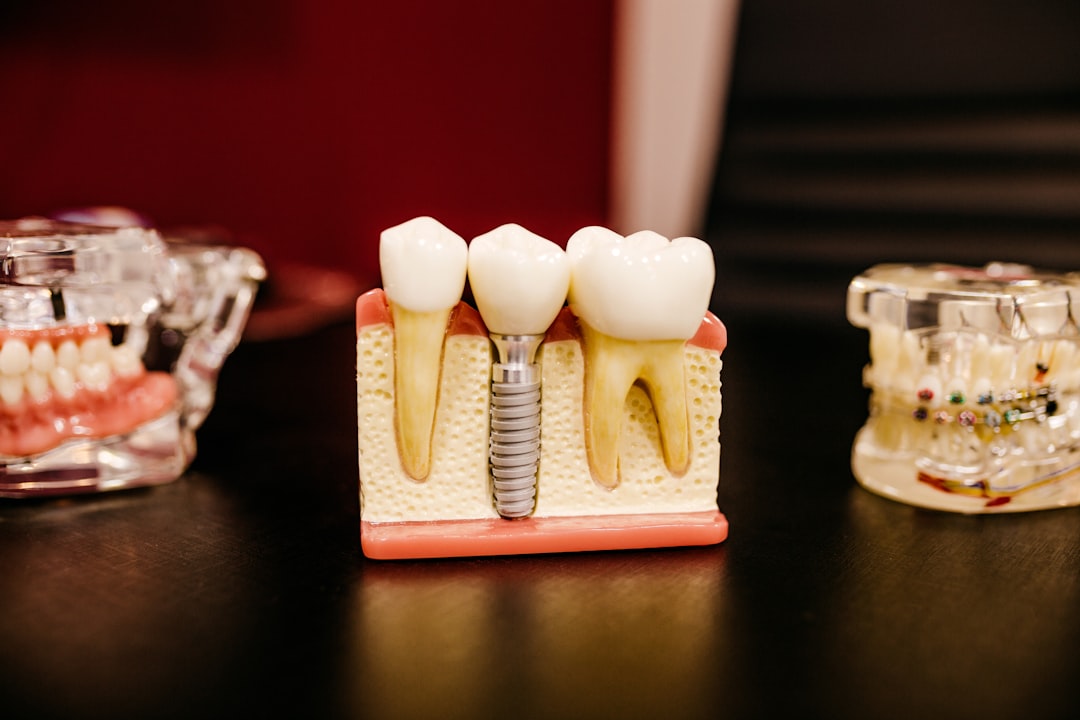
Dental implants are titanium posts surgically placed into the jawbone to replace missing teeth with permanent, natural-looking restorations. Medical tourists save 50–70% on single, multiple, or full-arch All-on-4/All-on-6 implant solutions compared to Western prices, with no compromise on quality.

Your case is matched to a centre on the basis of clinical outcome data, not marketing. We coordinate every step — from pre-operative work-up to post-treatment follow-up — with a dedicated care coordinator.

What's included

Initial consultation and 3D CBCT scan
Implant placement surgery and abutment fitting
Permanent crown or full-arch prosthesis
Post-operative care and follow-up appointments
Dedicated patient coordinator and interpreter
Airport pickup and local transport assistance

Dental Implants

Coordinated from

$500

or message us on WhatsApp

No commitment required. Your data is never shared with third parties.

One-Stage vs. Two-Stage Implant Placement

Dental implants can be placed using a one-stage or a two-stage surgical approach. Research has not found a significant difference in outcomes between the two, so the choice mainly comes down to your individual bone quality and clinical situation. Here is how they compare.

ParameterOne-Stage PlacementTwo-Stage Placement
Surgical approachThe implant and a small connector (the abutment) are placed in a single surgery, with the abutment left protruding just above the gumline during healing.The implant is placed and the gum is closed completely over it; a second, minor surgery is needed later to uncover the implant and attach the abutment once healing is complete.
Number of surgical visitsOne surgical visit for implant placement; a further visit is still needed later to fit the crown once healing is complete.Two surgical visits — implant placement, then a second minor procedure to uncover it — plus a further visit to fit the crown once healing is complete.
Best suited forCases with good primary implant stability and adequate bone volume, particularly where only one or a few teeth are missing.Cases where the implant did not achieve optimal initial stability, where bone grafting or guided bone regeneration is being carried out at the same time, or in fully edentulous patients being fitted with a removable temporary denture during healing.
Reported outcomesA Cochrane systematic review of randomised trials found no significant difference in implant survival compared with two-stage placement, though the number of patients studied was too small to draw firm conclusions.A Cochrane systematic review of randomised trials found no significant difference in implant survival compared with one-stage placement, though the number of patients studied was too small to draw firm conclusions.
Treatment timeCan shorten overall treatment time slightly by avoiding a second surgical intervention.Adds one additional minor surgical step compared with one-stage placement, though total osseointegration healing time is similar.

The Procedure: Step by Step

The steps below outline a typical single-tooth implant journey from placement to a finished tooth. Your dentist or oral surgeon will confirm the exact plan for your case, including whether bone grafting is needed first and whether a one-stage or two-stage approach is used.

1

Assessment and, if needed, bone grafting

Your dentist reviews X-rays or a 3D CBCT scan to assess bone volume at the implant site. If the jawbone is too thin or soft to support an implant, a bone graft may be recommended first, which itself typically needs several months to heal before implant placement can proceed.

2

Implant placement surgery

Under local anaesthesia, a titanium implant post is surgically placed into the jawbone to act as an artificial tooth root, using either a one-stage or two-stage technique depending on your case.

3

Osseointegration healing period

Over the following months, the jawbone gradually fuses to the surface of the titanium implant in a process called osseointegration, creating a stable foundation for the eventual crown. This typically takes about 3-6 months, and is usually a little longer in the upper jaw than the lower jaw due to differences in bone density.

4

Abutment and crown fitting

Once osseointegration is confirmed, an abutment is attached to the implant (or uncovered, if placed at the same time as the implant), impressions or a digital scan are taken, and a custom-made permanent crown is fitted to complete the restoration.

Recovery Timeline

Recovery Timeline
First 24-72 hours

Some swelling, minor bleeding, and discomfort at the implant site are common after surgery; over-the-counter or prescribed pain relief and an ice pack usually manage this, and most people can return to light activities within a day or two.

First 1-2 weeks

Stick to soft foods and avoid disturbing the surgical site while any stitches dissolve or are removed; most initial surgical healing and swelling resolve within one to two weeks.

3-6 months

This is the osseointegration period during which the jawbone fuses to the implant. There are generally no restrictions on normal daily activity during this time, but the implant site is not yet ready to bear the full chewing forces of a permanent crown.

Ongoing

Once the permanent crown is fitted, an implant-supported tooth can function like a natural tooth for many years with routine dental check-ups, good oral hygiene, and regular cleaning around the implant to prevent gum disease around it.

Source: Mayo Clinic Proceedings; Journal of the American Dental Association (JADA); peer-reviewed implant-dentistry literature. Individual recovery varies and is guided by your treating dentist or oral surgeon.

Known Risks & Limitations

  • Long-term implant success rates are high but not universal: published cohort data report cumulative implant survival of roughly 98.9% at 3 years, 98.5% at 5 years, and 96.8% at 10 years, with success continuing to decline gradually over longer follow-up periods.
  • Osseointegration failure — where the implant does not properly fuse with the jawbone — can occur and typically requires removal of the implant; reported causes include excessive heating of the bone during drilling, over-preparation of the surgical site, or placement into low-density bone that compromises initial implant stability.
  • Success rates can differ meaningfully by jaw and by individual risk factors: one published series found a 97.8% success rate in the lower jaw (mandible) versus 88.8% in the upper jaw (maxilla), and cigarette smoking and diabetes mellitus have both been positively correlated with implant failure.
  • Some cases require bone grafting before or alongside implant placement if there is insufficient bone volume, which adds healing time and an additional surgical step to the overall treatment.
  • As with any oral surgery, infection, prolonged bleeding, nerve irritation, or an adverse reaction to anaesthesia are recognised but uncommon risks; your treating dentist or oral surgeon will screen for factors that increase these risks before proceeding.

Source: Mayo Clinic Proceedings; peer-reviewed implant-dentistry cohort studies. No procedure is without risk; your treating dentist or oral surgeon will review your individual case.

The CureSureMedico Care Pathway

Remote case review

Share your dental X-rays or CBCT scan, missing-tooth details, and any relevant medical history with our coordination team, who forward your case for an initial review of suitability, including whether bone grafting may be needed first.

Dentist and implant-system matching

We match you with an accredited dental or oral-surgery clinic experienced in implant dentistry, and confirm which implant brand and system they use so you can review its track record before booking.

Cost estimate and two-trip travel planning

Because implant treatment requires an osseointegration healing period of several months between placement and the final crown, we issue a consolidated cost estimate and help plan two separate trips — an initial visit for implant placement, and a second visit months later for the permanent crown — rather than a single longer stay.

Implant placement visit

You attend your implant placement surgery and any same-visit procedures such as extractions or, where appropriate, a temporary tooth, then return home to heal while osseointegration takes place over the following months.

Follow-up and final crown fitting

Once your treating dentist confirms osseointegration is complete, typically several months later, you travel back for your second visit, where the permanent crown or prosthesis is fitted and your records are shared with your home-country dentist for ongoing care.

Global cost comparison — Dental Implants

Average coordinated costs across our partner centres. Final pricing depends on clinical complexity and chosen hospital.

CountryAvg. costvs. cheapest
🇮🇳

India

New Delhi · Chennai · Bengaluru · Hyderabad · Mumbai · Kochi

Best value✓ Verified
$1,200
chevron_right
🇹🇷

Turkey

Istanbul

Estimate
$2,500
chevron_right
🇹🇭

Thailand

Bangkok · Phuket · Chiang Mai

✓ Verified
$2,200
chevron_right
🇲🇦

Morocco

Casablanca · Rabat · Marrakech

Estimate
$1,800
chevron_right
🇹🇳

Tunisia

Tunis

Estimate
$1,500
chevron_right

Costs are indicative estimates and vary by procedure specifics, hospital, and clinical complexity. Request a personalised estimate for your specific case.

Cost & recovery by procedure

This treatment category covers several different operations with different levels of invasiveness, recovery times, and costs. The country averages above blend all of them together — use the breakdown below for a more realistic, procedure-specific estimate.

Single Tooth Implant

A titanium post is surgically placed into the jawbone to replace a single missing tooth root, then topped with an abutment and a custom crown once healed, giving a fixed, natural-looking replacement that doesn't rely on neighboring teeth.

Typical recovery · 3–6 months (total)

The placement surgery itself is a same-day outpatient procedure with 2–5 days of soreness and swelling; the implant then needs 3–6 months to fully fuse with the jawbone (osseointegration) before the permanent crown is fitted. Most patients travel home after the placement visit and return later for the crown, or complete both in one extended trip where clinics offer accelerated protocols.

India

$600–$1,200

Turkey

$700–$1,400

Thailand

$1,200–$2,300

Multiple Dental Implants

Two or more individual implants are placed to replace several missing teeth, either restored separately as crowns or joined together as an implant-supported bridge — preserving more natural jawbone and chewing function than a removable partial denture.

Typical recovery · 3–6 months (total)

Same-day outpatient surgery with 3–7 days of swelling and soreness; full osseointegration before the final bridge or crowns are attached takes 3–6 months, similar to a single implant but with a longer chair-side placement session when multiple sites are involved.

India

$1,800–$3,500

Turkey

$2,000–$4,500

Thailand

Estimate pending verification — ask your care coordinator for a current quote

All-on-4 Dental Implants

A full arch of teeth is replaced by anchoring a fixed, permanent bridge onto just four strategically angled implants, often allowing a temporary set of teeth to be fitted the same day as surgery (sometimes marketed as "teeth in a day").

Typical recovery · 6–8 months (final prosthesis)

Typically a 1–2 day clinic stay with swelling and a soft-food diet for 1–2 weeks; a temporary fixed bridge is worn for around 4–6 months while the implants fully integrate with the jawbone, before the final, more durable prosthesis is fitted — often requiring a second trip.

India

$1,700–$4,000

Turkey

$3,000–$5,500

Thailand

$6,000–$9,000

All-on-6 Dental Implants

Similar to All-on-4, but uses six implants per arch to distribute biting forces more evenly — generally recommended for patients with lower jawbone density or those needing extra long-term stability for a full-arch fixed bridge.

Typical recovery · 6–8 months (final prosthesis)

A 1–2 day clinic stay is typical, with a temporary fixed bridge worn immediately after surgery while swelling subsides over 1–2 weeks; implants need roughly 4–6 months to integrate before the final permanent bridge is placed, with total treatment often spanning two trips.

India

$1,700–$4,300

Turkey

$4,000–$8,000

Thailand

$7,800–$14,900

Cost ranges are indicative estimates for international patients and vary with implant choice, number of levels treated, surgeon, and hospital. Request a personalised quote for your specific case.

Clinical detail: AAOS OrthoInfo, Mayo Clinic Health System, Cleveland Clinic. Cost ranges cross-checked across multiple independent medical-tourism sources per country where marked; ranges flagged "pending verification" could not be independently confirmed at the time of writing.

Partner hospitals

2 centres
View all hospitals
Amrita Hospital

Amrita Hospital

Faridabad, India

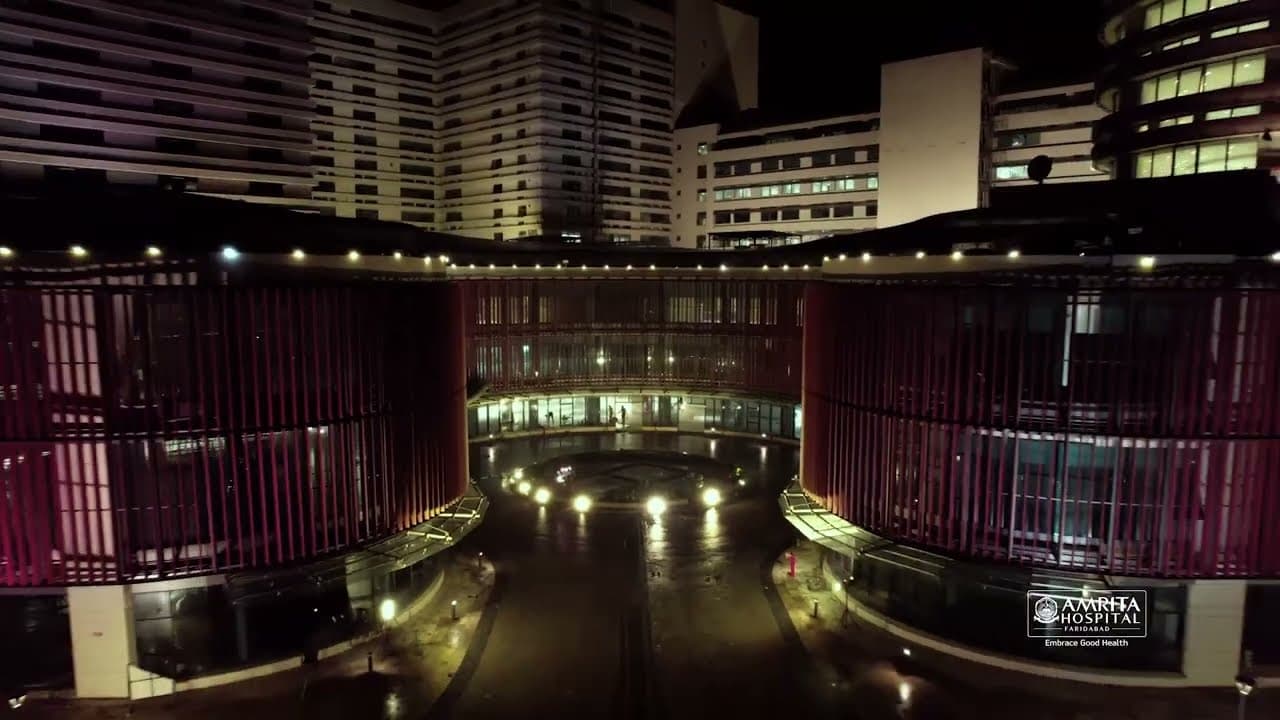
Asia's largest private hospital — 2,600 beds, 64 operation theatres, 81 specialties on a 130-acre campus in Delhi NCR. NABH & NABL accredited. Centres of excellence in oncology, cardiac surgery, BMT, organ transplantation, neurosciences, and IVF.

NABHNABL

800+

Specialists

2,600+

Beds

View Profile
Indraprastha Apollo Hospital

Indraprastha Apollo Hospital

New Delhi, India

Indraprastha Apollo Hospital in Sarita Vihar, New Delhi is one of India's foremost multi-specialty tertiary care centres, part of the Apollo Hospitals network established by Dr. Prathap C Reddy in 1983. The 710-bed facility records 1,600+ daily OPD visits, 1,000+ international patient consultations monthly, and receives 5,000+ international patients per year from over 120 countries. Its Centres of Excellence span cardiac sciences, oncology, neurosciences, organ transplantation, nephrology, orthopaedics, gastroenterology, and bariatric surgery. The hospital is equipped with Da Vinci XI robotic systems, CyberKnife radiosurgery, 3 Tesla MRI, LINAC, ECMO, and a 3D neuro-navigation system.

JCINABHNABL

700+

Specialists

710+

Beds

View Profile

Frequently asked questions

Most single and multiple implant cases can be completed in two trips: the first visit (5–7 days) for implant placement and any extractions, and a second visit (4–5 days) after the osseointegration healing period — typically 3–4 months in the lower jaw and 4–6 months in the upper jaw, as the upper jawbone is generally softer and takes longer to fuse with the implant — for fitting the permanent crown or prosthesis. All-on-4 and All-on-6 procedures can often deliver a temporary full arch on the same day as surgery, with the final fixed prosthesis fitted on the second visit after this same healing period. Your coordinator will plan a timeline that minimises travel while ensuring the best clinical outcome.

No fees. No commitment.

Our guidance is completely free

We are compensated by our partner hospitals — never by patients. You get independent clinical matching, cost transparency, and end-to-end coordination at no cost to you.

Message us on WhatsApp