CureSureMedico
|
EN

Dialysis Access Surgery

Vascular Surgery

payments

Starting from

$1,000

Up to $5,000 depending on centre

schedule

Typical duration

3–7 days

Including pre-operative work-up

arrow_downwardlocal_hospital

Partner hospitals

1

Vetted for outcome data & accreditation

Dr. Rodina Ainasoa

Content reviewed for medical accuracy by: Dr. Rodina Ainasoa · Medical Content Writer & Health Communications

Overview

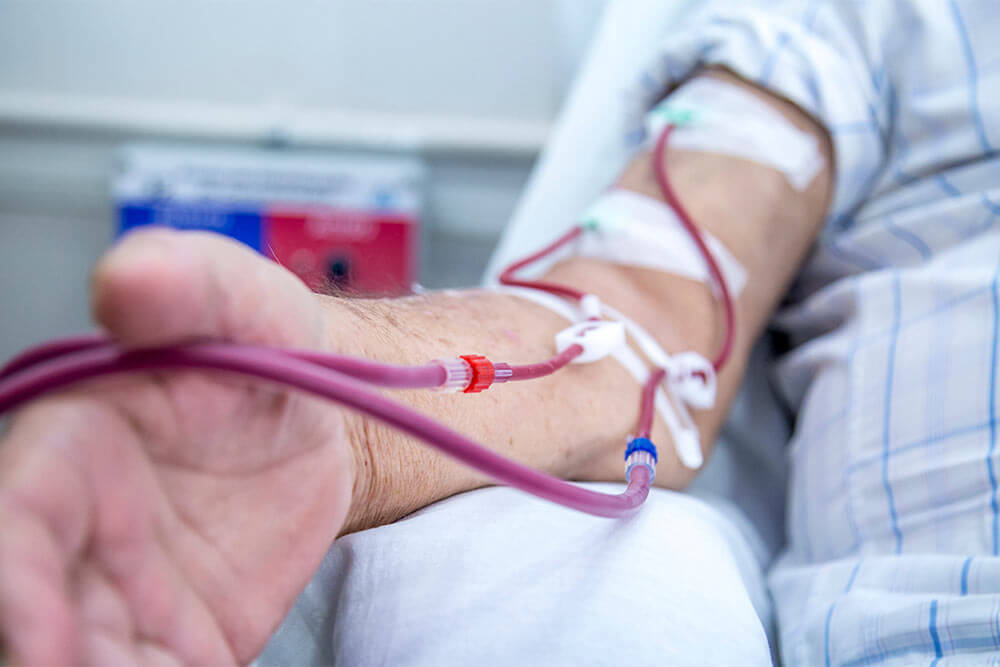
Surgical creation of reliable, long-term haemodialysis access — including AV fistula formation, AV graft placement, and tunnelled central venous catheter insertion — performed by specialist vascular surgeons for kidney failure patients preparing for or currently on dialysis. India and Turkey offer excellent access surgery programs at a fraction of Western private hospital costs.

Your case is matched to a centre on the basis of clinical outcome data, not marketing. We coordinate every step — from pre-operative work-up to post-treatment follow-up — with a dedicated care coordinator.

What's included

Vascular consultation with vein mapping ultrasound
AV fistula, AV graft, or tunnelled catheter procedure
Day-surgery or short hospital stay (1–2 nights)
Surgical materials and implants included
Post-operative access assessment and duplex check
Coordinator support and liaison with home dialysis unit

Dialysis Access Surgery

Coordinated from

$1,000

or message us on WhatsApp

No commitment required. Your data is never shared with third parties.

AV Fistula vs. AV Graft: Choosing Your Dialysis Access

For patients who need long-term haemodialysis, a native AV fistula is the preferred first-line access under KDOQI guidelines because it has lower rates of infection and thrombosis, though it takes longer to become usable. An AV graft is typically considered when a patient's veins are unsuitable for a fistula, and can be used for dialysis sooner. Your vascular access team will confirm the right option after a vein-mapping ultrasound.

ParameterAV FistulaAV Graft
What it isA direct surgical connection is created between an artery and a vein, usually in the arm, using the patient's own blood vessels so the vein enlarges and thickens under arterial pressure to allow repeated needling.A synthetic tube (most commonly PTFE) is surgically tunnelled under the skin to connect an artery and a vein, used when a patient's own veins are not suitable for a direct fistula connection.
Anaesthesia & settingTypically created under local or regional anaesthesia as an outpatient or day-surgery procedure.Also typically placed under local or regional anaesthesia as an outpatient or day-surgery procedure.
Time until usable for dialysis (maturation)Requires a maturation period of roughly 6 to 12 weeks for the vein to enlarge and develop adequate blood flow before it can be safely needled, per KDOQI Vascular Access Guidelines.Can generally be used sooner than a fistula — often within about 2 to 4 weeks of placement — since it does not rely on the patient's own vein maturing.
Infection riskNative fistulas carry a substantially lower infection risk than synthetic grafts, per KDOQI guidance and comparative vascular-access literature.Because a synthetic graft material is implanted, AV grafts carry a meaningfully higher infection risk than native AV fistulas.
Thrombosis & longevityNative fistulas are generally more resistant to clotting (thrombosis) and, once matured, tend to remain functional longer than grafts.Grafts are more prone to thrombosis and typically have a shorter functional lifespan than a mature native fistula, often requiring more frequent intervention to keep them working.

The Procedure: Step by Step

The steps below outline the general process for creating a new dialysis access; your vascular access team will confirm the specific technique and site (fistula or graft, arm or, less commonly, leg) after your vein-mapping assessment.

1

Vein mapping and access planning

The vascular access team performs a duplex ultrasound to map your arm's arteries and veins, assess their size and quality, and determine whether a fistula or graft is the better option and where it should be placed.

2

Anaesthesia and vessel exposure

Local or regional anaesthesia is given, and a small incision is made to expose the chosen artery and vein (for a fistula) or to prepare the tunnel path under the skin (for a graft).

3

Anastomosis or graft placement

For a fistula, the artery and vein are surgically joined together (anastomosis) so arterial blood flows directly into the vein. For a graft, a synthetic tube is tunnelled under the skin and connected to the artery at one end and the vein at the other.

4

Closure and same-day discharge

The incision is closed, a dressing is applied, and the patient is typically discharged the same day with instructions on wound care and monitoring the access for a thrill (a buzzing sensation) that confirms blood is flowing through it.

Recovery & Maturation Timeline

Recovery & Maturation Timeline
Same day

The procedure is usually performed on an outpatient or day-surgery basis, and most patients go home the same day.

1–2 weeks

The surgical site heals; patients are generally advised to avoid heavy lifting or pressure on the access arm and to check daily for the thrill confirming blood flow.

2–12 weeks (maturation)

This is different from routine wound healing: a fistula needs roughly 6 to 12 weeks to mature before it can be needled for dialysis, while a graft can often be used sooner, in about 2 to 4 weeks, per KDOQI guidelines. During this window, patients continue dialysis via their existing access (a catheter or another fistula/graft).

Ongoing

The vascular access team examines and, where needed, images the access before first use to confirm it is mature and functioning well, and continues periodic monitoring afterward.

Source: KDOQI 2019 Vascular Access Guidelines (National Kidney Foundation). Individual maturation time and recovery vary and are guided by your treating vascular access team.

Known Risks & Limitations

  • Primary failure or non-maturation is a genuine and well-documented risk for AV fistulas: a published meta-analysis found an overall primary failure rate of 23%, with non-maturation reported in under 10% of brachiocephalic (upper-arm) fistulas versus 25–33% of radiocephalic (forearm) fistulas.
  • AV grafts carry a meaningfully higher infection risk than native AV fistulas, consistent with KDOQI guidance that synthetic access material increases infection susceptibility compared with a patient's own vessels.
  • Grafts are more prone to thrombosis (clotting) than mature native fistulas and typically have a shorter functional lifespan, often needing more frequent revision or intervention to stay usable.
  • Steal syndrome — reduced blood flow to the hand beyond the access site, causing coldness, numbness, or pain — can occur with either access type and is monitored for at follow-up visits; it is more often associated with grafts and upper-arm placements.
  • Aneurysm or pseudoaneurysm formation at repeatedly needled sites can develop over the years an access is in use, which is why long-term monitoring by a vascular access team continues after the access has matured.

Source: KDOQI 2019 Vascular Access Guidelines (National Kidney Foundation); American Journal of Kidney Diseases systematic review and meta-analysis of AV fistula patency. No procedure is without risk; your vascular access team will review your individual risk factors before recommending an approach.

The CureSureMedico Care Pathway

Remote clinical review

Share your current dialysis status, existing access history (including any prior failed fistula or graft), and recent vascular imaging if available. Our coordination team forwards your case to a vascular access specialist for initial review.

Vein mapping and access-type confirmation

On arrival, or via imaging sent in advance, the vascular access team performs duplex ultrasound vein mapping to confirm whether a fistula or graft is appropriate and to select the best site.

Early scheduling around your maturation timeline

Because a fistula needs roughly 6 to 12 weeks to mature (longer than a graft's 2 to 4 weeks) before it can be used, this procedure is deliberately planned well ahead of your anticipated dialysis start date wherever possible — an important consideration when coordinating travel and timing your visit abroad.

Consolidated estimate

A cost estimate covering the vascular consultation, vein-mapping ultrasound, the procedure itself, and post-operative access assessment is issued before you travel.

Recovery and dialysis-unit handover

Before you are cleared to travel home, your care team confirms the access is healing well and shares a treatment summary and maturation timeline with your home dialysis unit, so cannulation can begin at the right time under appropriate guidance.

Global cost comparison — Dialysis Access Surgery

Average coordinated costs across our partner centres. Final pricing depends on clinical complexity and chosen hospital.

CountryAvg. costvs. cheapest
🇮🇳

India

New Delhi · Chennai · Bengaluru · Hyderabad · Mumbai · Kochi

Best value✓ Verified
$1,500
chevron_right
🇹🇷

Turkey

Istanbul

Estimate
$3,000
chevron_right

Costs are indicative estimates and vary by procedure specifics, hospital, and clinical complexity. Request a personalised estimate for your specific case.

Partner hospitals

1 centres
View all hospitals
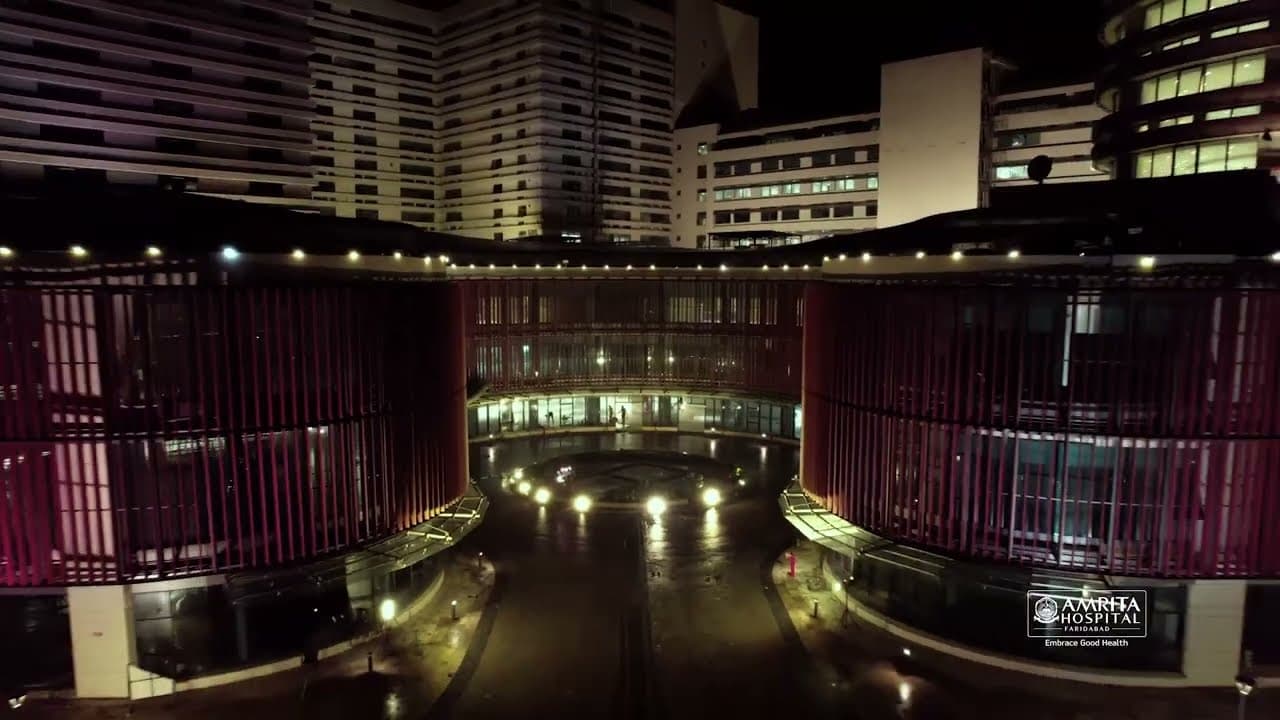
Amrita Hospital

Amrita Hospital

Faridabad, India

Asia's largest private hospital — 2,600 beds, 64 operation theatres, 81 specialties on a 130-acre campus in Delhi NCR. NABH & NABL accredited. Centres of excellence in oncology, cardiac surgery, BMT, organ transplantation, neurosciences, and IVF.

NABHNABL

800+

Specialists

2,600+

Beds

View Profile

Frequently asked questions

Yes. Failed or poorly maturing fistulas are a common reason patients seek specialist vascular care abroad. Treatment options include surgical revision (repositioning the anastomosis), balloon-assisted maturation (angioplasty to dilate the outflow vein), accessory vein ligation, or creation of a new fistula at a different site. An ultrasound venous mapping is performed first to identify the anatomy and determine the best salvage approach. India and Turkey have high-volume access surgery centers experienced in complex revisions, often achieving usable fistulas in cases considered non-viable elsewhere.

No fees. No commitment.

Our guidance is completely free

We are compensated by our partner hospitals — never by patients. You get independent clinical matching, cost transparency, and end-to-end coordination at no cost to you.

Message us on WhatsApp