
CureSureMedico
|
EN

Gastric & Esophageal Cancer Treatment

Oncology

payments

Starting from

$4,000

Up to $20,000 depending on centre

schedule

Typical duration

14–35 days

Including pre-operative work-up

arrow_downwardlocal_hospital

Partner hospitals

2

Vetted for outcome data & accreditation

Dr. Rodina Ainasoa

Content reviewed for medical accuracy by: Dr. Rodina Ainasoa · Medical Content Writer & Health Communications

Overview

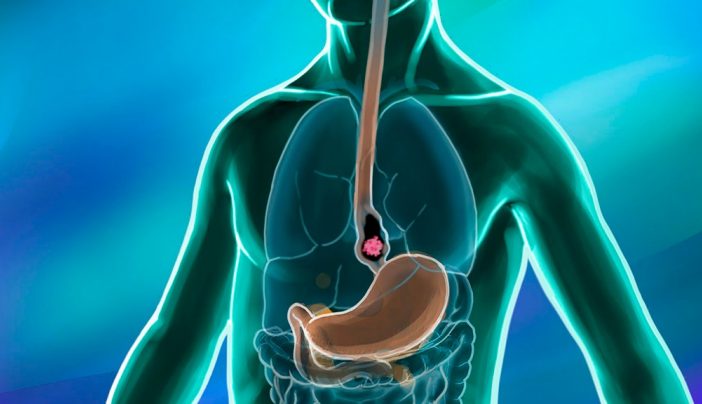
Specialised surgical oncology and multimodal therapy for stomach and oesophageal cancers — conditions where expert high-volume centres abroad can offer curative resections and minimally invasive approaches not readily available in many home countries.

Your case is matched to a centre on the basis of clinical outcome data, not marketing. We coordinate every step — from pre-operative work-up to post-treatment follow-up — with a dedicated care coordinator.

What's included

Pre-operative staging — endoscopy, CT/PET & laparoscopic staging
Surgical resection & inpatient recovery
Perioperative chemotherapy administration if indicated
Surgical oncologist & anaesthesia fees
Nutritional support & dietitian consultation
Interpreter, care coordinator & oncology follow-up plan at home

Gastric & Esophageal Cancer Treatment

Coordinated from

$4,000

or message us on WhatsApp

No commitment required. Your data is never shared with third parties.

Treatment approaches

Standard and robotic-assisted Gastric & Esophageal Cancer Treatment

Standard Approach

Laparoscopic Gastrectomy / Minimally Invasive Esophagectomy

$4,000

1435 days

Robotic-Assisted Option

Robotic-Assisted Gastrectomy / Ivor Lewis Esophagectomy

$8,000

1021 days

Comparing the two approaches

StandardRobotic-Assisted
ProcedureLaparoscopic Gastrectomy / Minimally Invasive EsophagectomyRobotic-Assisted Gastrectomy / Ivor Lewis Esophagectomy
TechnologyConventional surgical instrumentsRobotic-assisted surgical system with surgeon oversight
AvailabilityHospital-dependentSelected hospitals with robotic capability
SpecialistProcedure specialistSpecialist with relevant robotic experience
Clinical suitabilityCase-dependentCase-dependent
Tariff$4,000–$20,000$8,000–$24,000
Duration14–35 days10–21 days

Eligibility for robotic-assisted treatment

  • Tumour stage and location confirmed on endoscopy, CT/PET, and staging laparoscopy as suitable for a minimally invasive resection — this comparison applies specifically to robotic-assisted gastrectomy and robotic Ivor Lewis (or McKeown) esophagectomy, not to perioperative chemotherapy
  • No extensive local invasion into surrounding organs or major vessels that would require an open approach for adequate access and safe margins
  • Multidisciplinary tumour board review, including nutritional and cardiopulmonary fitness assessment, confirming candidacy for a robotic-assisted approach
  • Availability of the specific robotic platform and a surgical oncology team experienced in robotic upper-GI cancer resection at your selected hospital — offered at fewer centres than laparoscopic or open surgery

Risks and limitations of robotic-assisted surgery

  • Robotic assistance does not eliminate the risks of major upper-GI cancer surgery, including anastomotic leak, bleeding, and chest or wound infection
  • The surgical oncologist remains responsible for the procedure and oncologic margins and lymph node clearance; robotic guidance is an aid, not a substitute for surgical judgement
  • Published series report less blood loss and, in some studies, a shorter hospital stay with robotic-assisted gastrectomy and Ivor Lewis esophagectomy compared with open surgery, with lymph node yield and oncologic margins generally comparable — long-term survival has not been shown to be superior to standard laparoscopic or open surgery, and suitability is patient- and tumour-specific
  • Availability depends heavily on the individual hospital and the treating surgeon's specific robotic upper-GI case volume, and the surgeon may need to convert to an open approach if tumour extent is greater than expected during surgery

Tariff structure

Standard procedure$4,000$20,000
Robotic-assisted technology fee+$2,500$5,000
Total estimated robotic-assisted tariff$8,000$24,000

Why can robotic-assisted procedures cost more?

Robotic-assisted procedures rely on additional technology and equipment beyond the standard operating platform and clinical team. This additional technology component is generally not included in standard case pricing.

Is robotic-assisted surgery always recommended?

No. Robotic-assisted surgery is not appropriate for every procedure or patient. Availability and suitability are determined by the treating specialist, based on your imaging, clinical condition, and the treating hospital's capabilities.

Global cost comparison — Gastric & Esophageal Cancer Treatment

Average coordinated costs across our partner centres. Final pricing depends on clinical complexity and chosen hospital.

CountryAvg. costvs. cheapest
🇮🇳

India

New Delhi · Chennai · Bengaluru · Hyderabad · Mumbai · Kochi

Best value
$6,000
chevron_right
🇹🇷

Turkey

Istanbul

$12,000
chevron_right

Costs are indicative estimates and vary by procedure specifics, hospital, and clinical complexity. Request a personalised estimate for your specific case.

Cost & recovery by procedure

This treatment category covers several different operations with different levels of invasiveness, recovery times, and costs. The country averages above blend all of them together — use the breakdown below for a more realistic, procedure-specific estimate.

Total & Subtotal Gastrectomy

Surgical removal of part (subtotal) or all (total) of the stomach for gastric cancer, with removal of nearby lymph nodes, followed by reconstruction to restore a food passage — usually performed laparoscopically at experienced centres.

Typical recovery · 4–6 weeks

Typical hospital stay of 5–10 days (shorter with a laparoscopic approach); patients progress from IV fluids to liquids then soft foods before discharge, need small frequent meals for weeks afterward, and require lifelong vitamin B12 supplementation after a total gastrectomy.

India

$4,000–$9,000

Turkey

$6,000–$15,000

Thailand

Estimate pending verification — ask your care coordinator for a current quote

Oesophagectomy (Ivor Lewis / McKeown)

Removal of the diseased portion of the oesophagus (and often the top of the stomach) for oesophageal or gastro-oesophageal junction cancer, most commonly via the Ivor Lewis or McKeown technique, with the remaining stomach pulled up and joined to the oesophagus. Minimally invasive and robotic-assisted versions are increasingly used at high-volume centres.

Typical recovery · 2–3 months

Hospital stay typically 6–10 days for an uncomplicated minimally invasive case; this is major surgery — post-operative complications (including anastomotic leak and chest infection) occur in a meaningful proportion of patients, and full recovery of appetite and diet takes 2–4 months or longer.

India

$7,000–$12,000

Turkey

$12,000–$18,000

Thailand

Estimate pending verification — ask your care coordinator for a current quote

Perioperative Chemotherapy (FLOT / FOLFOX)

A structured course of chemotherapy drugs (such as the FLOT or FOLFOX regimens) given in cycles before and after surgery to shrink the tumour, treat microscopic spread, and reduce the chance of recurrence — not a single treatment but a multi-month programme coordinated with the surgical team.

Typical recovery · Several months (course)

Typically delivered as around 8 cycles (roughly 4 before and 4 after surgery) over several months, mostly on an outpatient basis with periodic short admissions for side effects such as low blood counts or infection; timing is coordinated closely with the surgery date.

India

Estimate pending verification — ask your care coordinator for a current quote

Turkey

Estimate pending verification — ask your care coordinator for a current quote

Thailand

Estimate pending verification — ask your care coordinator for a current quote

Cost ranges are indicative estimates for international patients and vary with implant choice, number of levels treated, surgeon, and hospital. Request a personalised quote for your specific case.

Clinical detail: AAOS OrthoInfo, Mayo Clinic Health System, Cleveland Clinic. Cost ranges cross-checked across multiple independent medical-tourism sources per country where marked; ranges flagged "pending verification" could not be independently confirmed at the time of writing.

Partner hospitals

2 centres
View all hospitals
Amrita Hospital

Amrita Hospital

Faridabad, India

Asia's largest private hospital — 2,600 beds, 64 operation theatres, 81 specialties on a 130-acre campus in Delhi NCR. NABH & NABL accredited. Centres of excellence in oncology, cardiac surgery, BMT, organ transplantation, neurosciences, and IVF.

NABHNABL

800+

Specialists

2,600+

Beds

View Profile
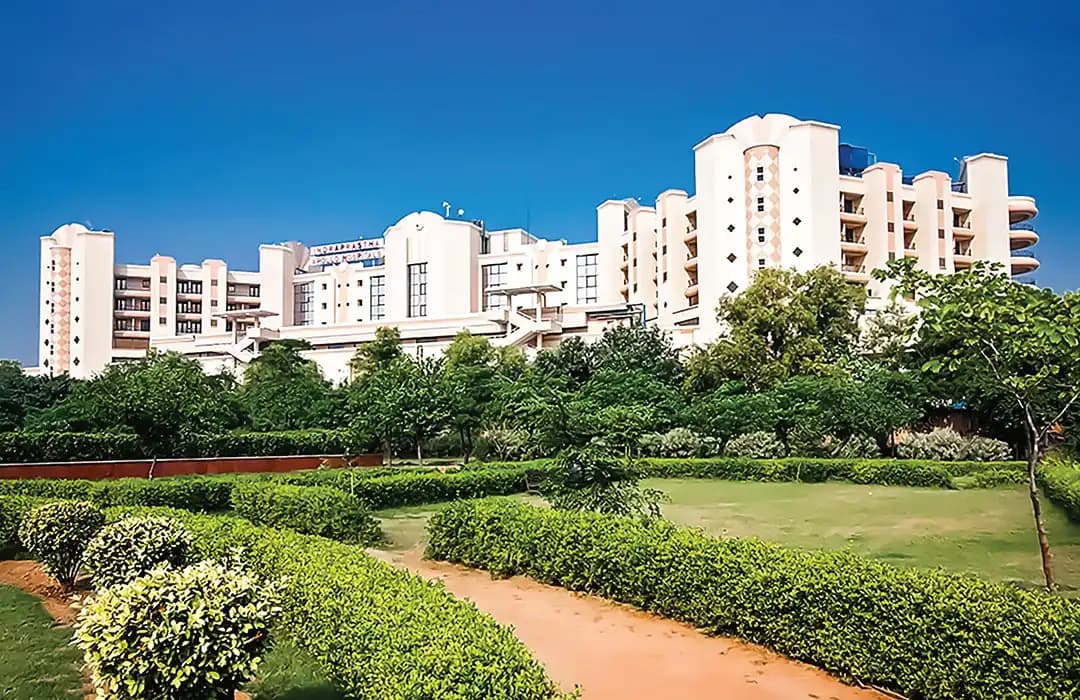
Indraprastha Apollo Hospital

Indraprastha Apollo Hospital

New Delhi, India

Indraprastha Apollo Hospital in Sarita Vihar, New Delhi is one of India's foremost multi-specialty tertiary care centres, part of the Apollo Hospitals network established by Dr. Prathap C Reddy in 1983. The 710-bed facility records 1,600+ daily OPD visits, 1,000+ international patient consultations monthly, and receives 5,000+ international patients per year from over 120 countries. Its Centres of Excellence span cardiac sciences, oncology, neurosciences, organ transplantation, nephrology, orthopaedics, gastroenterology, and bariatric surgery. The hospital is equipped with Da Vinci XI robotic systems, CyberKnife radiosurgery, 3 Tesla MRI, LINAC, ECMO, and a 3D neuro-navigation system.

JCINABHNABL

700+

Specialists

710+

Beds

View Profile

Frequently asked questions

Most patients adapt well to eating small, frequent meals after total or subtotal gastrectomy. The surgical team and dietitian will guide you through a phased reintroduction of foods post-operatively. Vitamin B12 supplementation and regular nutritional monitoring are lifelong requirements after total gastrectomy.

No fees. No commitment.

Our guidance is completely free

We are compensated by our partner hospitals — never by patients. You get independent clinical matching, cost transparency, and end-to-end coordination at no cost to you.

Message us on WhatsApp