
CureSureMedico
|
EN

Pediatric Neurology & Neurosurgery

Pediatrics

payments

Starting from

$3,000

Up to $25,000 depending on centre

schedule

Typical duration

14–60 days

Including pre-operative work-up

arrow_downwardlocal_hospital

Partner hospitals

1

Vetted for outcome data & accreditation

Dr. Rodina Ainasoa

Content reviewed for medical accuracy by: Dr. Rodina Ainasoa · Medical Content Writer & Health Communications

Overview

Specialized diagnosis and surgical treatment of childhood neurological conditions including drug-resistant epilepsy, pediatric brain tumors, hydrocephalus, and spina bifida — managed by dedicated pediatric neurosurgeons with advanced intraoperative imaging and neuromonitoring. Leading centers in India and Israel provide outcomes that rival the world's best children's hospitals.

Your case is matched to a centre on the basis of clinical outcome data, not marketing. We coordinate every step — from pre-operative work-up to post-treatment follow-up — with a dedicated care coordinator.

What's included

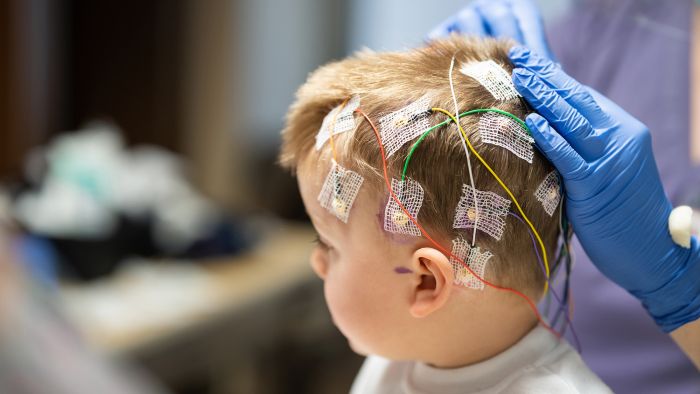
Pre-surgical neurological evaluation: MRI brain/spine, EEG, neuropsychological testing
Neurosurgical procedure with intraoperative neuromonitoring and pediatric anesthesia
Pediatric neurology ICU stay and post-operative monitoring
Physiotherapy and rehabilitation assessment before discharge
Multilingual patient coordinator and interpreter services
Full surgical and imaging records for home neurology team continuity

Pediatric Neurology & Neurosurgery

Coordinated from

$3,000

or message us on WhatsApp

No commitment required. Your data is never shared with third parties.

Global cost comparison — Pediatric Neurology & Neurosurgery

Average coordinated costs across our partner centres. Final pricing depends on clinical complexity and chosen hospital.

CountryAvg. costvs. cheapest
🇮🇳

India

New Delhi · Chennai · Bengaluru · Hyderabad · Mumbai · Kochi

Best value
$5,000
chevron_right
🇹🇷

Turkey

Istanbul

$12,000
chevron_right

Costs are indicative estimates and vary by procedure specifics, hospital, and clinical complexity. Request a personalised estimate for your specific case.

Cost & recovery by procedure

This treatment category covers several different operations with different levels of invasiveness, recovery times, and costs. The country averages above blend all of them together — use the breakdown below for a more realistic, procedure-specific estimate.

Pediatric Epilepsy Surgery

Surgery to remove or disconnect the small area of brain tissue causing drug-resistant seizures in a child, after careful mapping confirms the seizure focus. Approaches range from a focal resection to a hemispherotomy for extensive one-sided brain abnormalities; a dedicated page on epilepsy surgery covers procedure-specific detail for this operation in more depth.

Typical recovery · 1–2 weeks

2–3 days in the pediatric ICU followed by several more days on the general ward, for a total hospital stay of about a week; many children then move to a short inpatient rehabilitation stint before going home. Outpatient physiotherapy, occupational therapy, and speech therapy commonly continue for weeks to months, alongside long-term neurology follow-up to monitor seizure control and any change in function.

India

$5,000–$9,000

Turkey

$15,000–$25,000

Thailand

Estimate pending verification — ask your care coordinator for a current quote

Pediatric Brain Tumor Resection

A craniotomy to remove as much of a brain tumor as can be safely taken out, guided by intraoperative imaging and neuromonitoring to protect surrounding healthy tissue. Depending on the tumor type and location, surgery may be followed by chemotherapy or radiation as part of a longer cancer-treatment plan.

Typical recovery · 1–2 weeks

Initial recovery happens in the pediatric ICU, with a total hospital stay typically of about 5 days to just over a week depending on tumor location and any complications. Children commonly feel tired, weak, or have headaches for several weeks afterward, and ongoing oncology follow-up (and sometimes further treatment) continues well beyond the surgical recovery itself.

India

$7,000–$15,000

Turkey

$10,000–$20,000

Thailand

$18,000–$35,000

Hydrocephalus Treatment

Treats a build-up of fluid on the brain either by implanting a ventriculoperitoneal (VP) shunt — a thin tube diverting excess cerebrospinal fluid to the abdomen, where it is absorbed — or, in suitable cases, by endoscopic third ventriculostomy (ETV), which creates a small opening for fluid to drain without an implanted device. The right option depends on the child's age and the cause of the hydrocephalus.

Typical recovery · 1–2 weeks

Hospital stay is typically a few days to around a week. A VP shunt is a lifelong implant: more than half of shunted children need at least one revision surgery over their lifetime, most often for blockage, infection, or growth-related tubing issues, so ongoing neurosurgical follow-up is a permanent part of care. ETV avoids an implanted device in patients for whom it is suitable, but is not effective for every child and can also fail over time.

India

$5,000–$7,500

Turkey

$6,000–$12,500

Thailand

$10,000–$14,000

Spina Bifida Surgery

Surgical closure of an opening in the spine and spinal canal (myelomeningocele) where the spinal cord and its coverings did not form normally before birth. This can be done as postnatal repair within the first days of life, or, for selected pregnancies diagnosed early, as prenatal (fetal) surgery performed on the mother's uterus before birth — an option associated with a lower chance of needing a shunt later, but carrying its own maternal and pregnancy-related risks and available only at specialized fetal surgery centers.

Typical recovery · 1–2 weeks

Postnatal repair typically involves about a week or more in the hospital for the newborn. Prenatal repair is more involved: the mother generally stays in hospital for several days after the fetal surgery itself, followed by weeks of modified bed rest to reduce the risk of preterm labor, and the baby is still delivered by planned cesarean section later in the pregnancy. Either way, children need lifelong follow-up for bladder, bowel, and mobility issues, and monitoring for tethered cord or hydrocephalus.

India

$5,000–$8,000

Turkey

$15,000–$25,000

Thailand

Estimate pending verification — ask your care coordinator for a current quote

Cost ranges are indicative estimates for international patients and vary with implant choice, number of levels treated, surgeon, and hospital. Request a personalised quote for your specific case.

Clinical detail: AAOS OrthoInfo, Mayo Clinic Health System, Cleveland Clinic. Cost ranges cross-checked across multiple independent medical-tourism sources per country where marked; ranges flagged "pending verification" could not be independently confirmed at the time of writing.

Partner hospitals

1 centres
View all hospitals
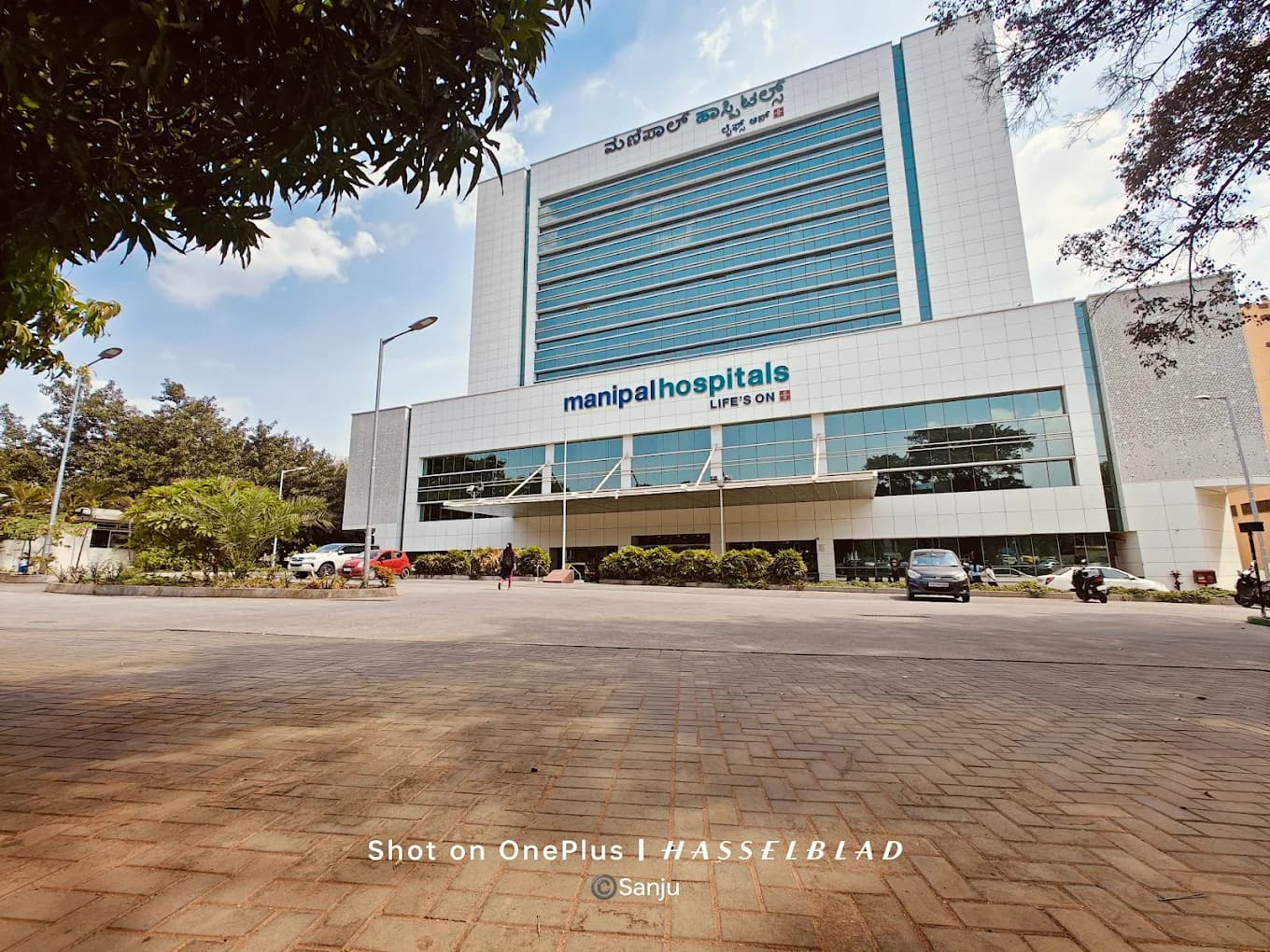
Manipal Hospital Old Airport Road

Manipal Hospital Old Airport Road

Bengaluru, India

Manipal Hospitals Old Airport Road is the flagship and founding campus of one of India's largest healthcare networks, established in 1991 on HAL Old Airport Road, Kodihalli, Bengaluru. Part of the Manipal Education and Medical Group (MEMG), the network spans 49 hospitals and 12,600+ beds across India. The Old Airport Road campus anchors the group's academic and clinical identity, housing specialist institutes including the Manipal Institute for Joint Replacement and Robotic Surgery (MIJRRS), the Manipal Robotic Spine Surgery centre (MIRSS), the Manipal Skull Base Institute (MSBI), and the Manipal Institute for Bariatric Surgery (MIBS). Its quaternary-level capabilities cover cardiology, oncology, neurosurgery, organ transplantation, orthopaedics, spine surgery, bariatric surgery, and paediatrics, all within a NABH and NABL accredited environment. The hospital provides dedicated international patient services through the Manipal Global network, with support for visa, travel, language, and end-to-end care coordination.

NABHNABL

264+

Specialists

600+

Beds

View Profile

Frequently asked questions

Epilepsy surgery is considered when a child has failed two or more appropriate anti-seizure medications (drug-resistant epilepsy) and a seizure focus can be identified. The evaluation involves video-EEG monitoring, high-resolution MRI, and sometimes PET or SPECT scans. Our partner hospitals have dedicated pediatric epilepsy surgery programs that perform a full pre-surgical evaluation — typically over 7–10 days — before any decision is made. Even if surgery is not recommended, families leave with a detailed second opinion and updated management plan.

No fees. No commitment.

Our guidance is completely free

We are compensated by our partner hospitals — never by patients. You get independent clinical matching, cost transparency, and end-to-end coordination at no cost to you.

Message us on WhatsApp