

CureSureMedico
|
EN

Pituitary Tumor Treatment

Endocrinology

payments

Starting from

$6,000

Up to $25,000 depending on centre

schedule

Typical duration

10–21 days

Including pre-operative work-up

arrow_downwardlocal_hospital

Partner hospitals

1

Vetted for outcome data & accreditation

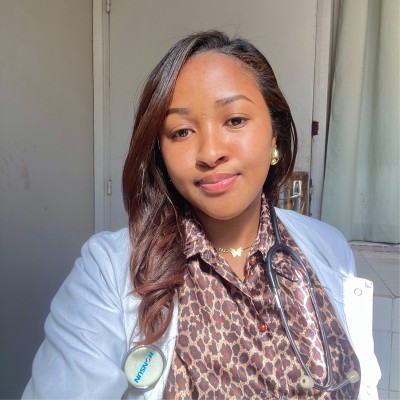
Dr. Rodina Ainasoa

Content reviewed for medical accuracy by: Dr. Rodina Ainasoa · Medical Content Writer & Health Communications

Overview

Comprehensive treatment for pituitary adenomas and Cushing disease using endoscopic transsphenoidal surgery and stereotactic radiosurgery at internationally accredited neuroscience centers. Top destinations combine neurosurgical and endocrinological expertise to deliver precision care at accessible prices.

Your case is matched to a centre on the basis of clinical outcome data, not marketing. We coordinate every step — from pre-operative work-up to post-treatment follow-up — with a dedicated care coordinator.

What's included

Multidisciplinary review by neurosurgeon, endocrinologist, and ophthalmologist
High-resolution MRI pituitary protocol and full hormonal panel
Endoscopic transsphenoidal surgery or radiosurgery procedure
Neurosurgical ICU monitoring and in-patient hospital stay
Post-operative hormone replacement and visual field assessment
Dedicated multilingual coordinator and 60-day telemedicine follow-up

Pituitary Tumor Treatment

Coordinated from

$6,000

or message us on WhatsApp

No commitment required. Your data is never shared with third parties.

Endoscopic Transsphenoidal Surgery vs. Stereotactic Radiosurgery

Not every pituitary tumor requires surgery — many prolactinomas respond to medication alone. When treatment is needed, a multidisciplinary team of a neurosurgeon and endocrinologist (and often an ophthalmologist, when vision is affected) chooses the approach based on tumor size, whether it secretes hormones, its proximity to the optic nerves, and your general health. This is a clinical decision made by your treating team, not a self-selected option.

ParameterEndoscopic Transsphenoidal SurgeryStereotactic Radiosurgery (e.g. Gamma Knife)
What it isThe tumor is removed through the nose and sphenoid sinus using an endoscope, without an external incision, giving direct access to the pituitary gland.Focused beams of radiation are aimed at the tumor in a single session (or a small number of sessions) to stop its growth, without an incision.
Who it's typically used forLarger tumors (macroadenomas) pressing on the optic nerves or causing significant hormone excess, where prompt decompression or bulk removal is needed.Smaller residual or recurrent tumor tissue left after surgery, or patients who are not good candidates for surgery; it is not generally used as the first treatment for large tumors threatening vision.
Effect on tumor and hormonesCan achieve immediate tumor debulking and, for hormone-secreting tumors, offers generally better hormonal outcomes than radiosurgery when the tumor is fully removed.Tumor control and hormone normalization occur gradually rather than immediately — mean time to hormonal remission has been reported at roughly 15 to 30 months for Cushing's disease and prolactinomas, and roughly 30 to 50 months for acromegaly.
Recovery settingRequires hospital admission, typically 2 to 3 days, including overnight ICU monitoring, followed by several weeks of at-home recovery.Typically performed as an outpatient procedure with no hospital stay required for the radiosurgery session itself.
Longer-term risksRisks specific to surgery include cerebrospinal fluid (CSF) leak, diabetes insipidus (usually transient), and hypopituitarism requiring hormone replacement.New pituitary hormone deficiency (hypopituitarism) requiring hormone replacement has been reported in roughly 20-40% of patients over long-term follow-up, developing gradually over the years after treatment.

The Treatment Process: Step by Step

The steps below outline the general process for pituitary tumor evaluation and treatment; your neurosurgery and endocrinology team will confirm which pathway applies to you after reviewing your MRI, hormonal panel, and vision assessment.

1

Diagnosis and hormonal work-up

A high-resolution MRI of the pituitary gland and a full hormonal blood panel confirm the tumor's size and whether it is secreting excess hormones, and a vision (visual field) test checks for optic nerve involvement.

2

Multidisciplinary treatment planning

A neurosurgeon and endocrinologist (with an ophthalmologist if vision is affected) review the results together and recommend surgery, radiosurgery, medication, or a combination, based on tumor type, size, and hormone activity.

3

Endoscopic transsphenoidal surgery (when indicated)

Under general anesthesia, the surgeon accesses the tumor through the nose and sphenoid sinus using an endoscope, removing as much tumor tissue as safely possible while preserving normal pituitary function.

4

Post-operative monitoring and hormone assessment

After surgery, hormone levels, fluid balance (sodium and urine output), and vision are monitored closely in hospital before discharge, with follow-up hormonal testing continuing in the weeks after to check pituitary function.

Recovery & Monitoring Timeline

Recovery & Monitoring Timeline
Days 1–3

Typical hospital stay after endoscopic transsphenoidal surgery is 2 to 3 days, including an overnight period of ICU or high-dependency monitoring, with close tracking of sodium levels and urine output to catch early diabetes insipidus.

Weeks 1–6

Most patients spend roughly 4 to 6 weeks recovering at home, avoiding nose-blowing and strenuous activity while the surgical site heals; nasal packing or splints, if used, are typically removed in the first couple of weeks.

Months 1–3

Hormone levels are re-tested to assess pituitary function and determine whether any hormone replacement (such as thyroid, cortisol, or desmopressin for diabetes insipidus) is needed; most transient diabetes insipidus resolves within this window.

Ongoing

Patients who had a hormone-secreting tumor or who received radiosurgery require long-term endocrinology follow-up, since radiosurgery works gradually and new hormone deficiencies can develop years after treatment.

Source: American Association of Neurological Surgeons (AANS) and Pituitary Society patient education materials; published hospital-stay and radiosurgery outcome studies indexed on PubMed/PMC. Individual timelines vary and are guided by your treating team.

Known Risks & Limitations

  • Diabetes insipidus is a recognized complication of transsphenoidal surgery, reported in roughly 4% to 18% of cases; it is most often transient, resolving within weeks, though permanent diabetes insipidus requiring long-term desmopressin has been reported in a smaller proportion of patients (published estimates range from under 1% up to about 10% depending on the series).
  • Cerebrospinal fluid (CSF) leak occurs in an estimated 2% to 13% of cases in larger surgical series, with rates generally lower at high-volume centers with more surgical experience; a leak can require additional repair.
  • Hypopituitarism — reduced production of one or more pituitary hormones — can result from surgery or develop gradually after radiosurgery, and may require lifelong hormone replacement (such as thyroid hormone, cortisol, or sex hormones) regardless of how successful the tumor treatment itself was.
  • Radiosurgery controls hormone-secreting tumors gradually rather than immediately, so patients with severe hormone excess (such as Cushing's disease) may need interim medical therapy while waiting months to years for full effect.
  • Not every pituitary tumor needs surgery or radiosurgery — some, particularly prolactinomas, are managed successfully with medication alone — so treatment selection should always be made by a multidisciplinary neurosurgery and endocrinology team rather than chosen by the patient in advance.

Source: American Association of Neurological Surgeons (AANS), Pituitary Society, and peer-reviewed surgical and radiosurgery outcome studies indexed on PubMed/PMC. No treatment pathway is without risk; your treating team will review your individual risk factors before recommending an approach.

The CureSureMedico Care Pathway

Remote clinical review

Share your recent pituitary MRI, hormonal blood panel, and any visual field test results already available. Our coordination team forwards your case to a neurosurgeon and endocrinologist for initial review before you travel.

Multidisciplinary treatment-selection review

The receiving neurosurgery and endocrinology team reviews your tumor size, hormone activity, and vision status to confirm whether surgery, radiosurgery, medication, or a combination is the appropriate recommendation.

Consolidated treatment plan and estimate

A cost estimate covering consultation, imaging, the recommended procedure, and hospital stay is issued before you travel, with the expected timeline and risks of the recommended approach explained clearly.

Procedure and in-hospital monitoring

Following the procedure, hormone levels, fluid balance, and vision are monitored in hospital, and you are discharged only once these are stable, consistent with the minimum recommended in-country stay for your case.

Discharge planning and endocrinology handover

A detailed discharge summary and hormone-monitoring plan is prepared for your home endocrinologist, since ongoing hormonal follow-up — and in some cases lifelong hormone replacement — continues well after you return home.

Global cost comparison — Pituitary Tumor Treatment

Average coordinated costs across our partner centres. Final pricing depends on clinical complexity and chosen hospital.

CountryAvg. costvs. cheapest
🇮🇳

India

New Delhi · Chennai · Bengaluru · Hyderabad · Mumbai · Kochi

Best value✓ Verified
$8,000
chevron_right
🇹🇷

Turkey

Istanbul

✓ Verified
$15,000
chevron_right

Costs are indicative estimates and vary by procedure specifics, hospital, and clinical complexity. Request a personalised estimate for your specific case.

Cost & recovery by procedure

This treatment category covers several different operations with different levels of invasiveness, recovery times, and costs. The country averages above blend all of them together — use the breakdown below for a more realistic, procedure-specific estimate.

Endoscopic Transsphenoidal Surgery

A thin, camera-equipped instrument is passed through the nostril and sphenoid sinus to reach and remove the pituitary tumor without any external incision — the standard first-line approach for most pituitary adenomas, including large tumors pressing on the optic nerves.

Typical recovery · 4–6 weeks

Hospital stay is typically 2–4 days, during which the team monitors closely for cerebrospinal fluid (CSF) leak and checks sodium levels and urine output for diabetes insipidus; most patients resume light normal activity within 4–6 weeks, though full hormonal stabilization can take up to three months and is tracked with follow-up blood tests.

India

$4,500–$10,000

Turkey

$9,000–$16,000

Thailand

Estimate pending verification — ask your care coordinator for a current quote

Gamma Knife Radiosurgery

A focused, high-dose beam of radiation — delivered via Gamma Knife or a similar stereotactic system — targets residual or recurrent pituitary tumor tissue without any incision, most often used after surgery for small remnants or for tumors located near critical structures that make repeat surgery risky.

Typical recovery · 1–2 days

Usually completed in a single outpatient session with no hospital admission required; most patients resume normal activity within a day or two, though the tumor's response develops gradually over months to years and requires periodic follow-up MRI and hormone testing, since new hormone deficiencies can appear late after radiosurgery.

India

$4,500–$8,000

Turkey

$6,500–$12,000

Thailand

$6,750–$8,250

Cushing Disease Treatment

Targeted removal of the small, ACTH-secreting pituitary adenoma responsible for Cushing disease, often preceded by bilateral inferior petrosal sinus sampling to confirm the tumor's pituitary origin and help locate it within the gland before surgery.

Typical recovery · 4–8 weeks

Hospital stay is typically 3–5 days, with daily cortisol levels checked after surgery — a very low postoperative cortisol is the strongest predictor of remission. Most patients need short-term steroid replacement while their own adrenal function recovers, gradually tapered over weeks to months under endocrinology supervision, and return to normal activity within 4–8 weeks.

India

$5,500–$11,000

Turkey

Estimate pending verification — ask your care coordinator for a current quote

Thailand

Estimate pending verification — ask your care coordinator for a current quote

Acromegaly Treatment

Surgical removal of the growth-hormone-secreting pituitary adenoma causing acromegaly, combined where needed with somatostatin analog or growth-hormone-receptor-antagonist medication to normalize IGF-1 levels when surgery alone does not achieve full biochemical remission.

Typical recovery · 4–6 weeks

Hospital stay is typically 2–4 days; growth hormone and IGF-1 levels are rechecked starting around three months after surgery to assess remission, since hormone levels normalize gradually even after successful tumor removal. Patients with residual disease may continue medical therapy long-term, with dosing adjusted based on periodic IGF-1 monitoring.

India

$5,000–$10,000

Turkey

Estimate pending verification — ask your care coordinator for a current quote

Thailand

Estimate pending verification — ask your care coordinator for a current quote

Cost ranges are indicative estimates for international patients and vary with implant choice, number of levels treated, surgeon, and hospital. Request a personalised quote for your specific case.

Clinical detail: AAOS OrthoInfo, Mayo Clinic Health System, Cleveland Clinic. Cost ranges cross-checked across multiple independent medical-tourism sources per country where marked; ranges flagged "pending verification" could not be independently confirmed at the time of writing.

Partner hospitals

1 centres
View all hospitals
Amrita Hospital

Amrita Hospital

Faridabad, India

Asia's largest private hospital — 2,600 beds, 64 operation theatres, 81 specialties on a 130-acre campus in Delhi NCR. NABH & NABL accredited. Centres of excellence in oncology, cardiac surgery, BMT, organ transplantation, neurosciences, and IVF.

NABHNABL

800+

Specialists

2,600+

Beds

View Profile

Frequently asked questions

The choice between endoscopic transsphenoidal surgery and radiosurgery depends on several factors, including the tumor size, whether it is hormone-secreting, proximity to the optic chiasm, and your general health. Large macroadenomas pressing on the optic nerves usually require surgical decompression first. Smaller tumors or residual disease after surgery may be treated with radiosurgery. Prolactinomas often respond well to medication alone and may not need surgery at all. The multidisciplinary team at the treating center will review your MRI and hormonal results before your arrival and present you with a personalized treatment recommendation.

No fees. No commitment.

Our guidance is completely free

We are compensated by our partner hospitals — never by patients. You get independent clinical matching, cost transparency, and end-to-end coordination at no cost to you.

Message us on WhatsApp