
CureSureMedico
|
EN

Stem Cell Therapy

Hematology

payments

Starting from

$3,000

Up to $80,000 depending on centre

schedule

Typical duration

14–60 days

Including pre-operative work-up

arrow_downwardlocal_hospital

Partner hospitals

22

Vetted for outcome data & accreditation

Dr. Rodina Ainasoa

Content reviewed for medical accuracy by: Dr. Rodina Ainasoa · Medical Content Writer & Health Communications

Overview

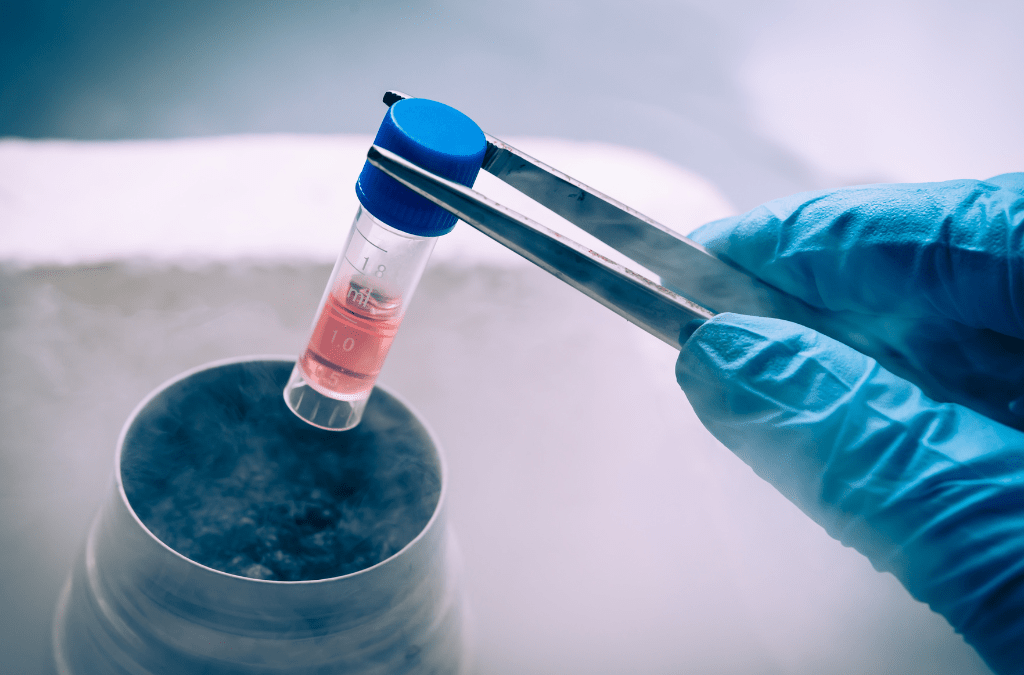
Therapeutic use of stem cells — haematopoietic, mesenchymal, or induced pluripotent — to repair, regenerate, or replace damaged tissue in blood disorders, degenerative conditions, and select autoimmune diseases.

Your case is matched to a centre on the basis of clinical outcome data, not marketing. We coordinate every step — from pre-operative work-up to post-treatment follow-up — with a dedicated care coordinator.

What's included

Pre-treatment evaluation & disease staging
Stem cell collection or donor sourcing
Laboratory processing & quality verification
Infusion / transplant procedure
Post-treatment monitoring & engraftment assessment
Haematologist & clinical team fees
Interpreter & care coordinator
Long-term follow-up plan at home

Stem Cell Therapy

Coordinated from

$3,000

or message us on WhatsApp

No commitment required. Your data is never shared with third parties.

Autologous vs. Allogeneic Mesenchymal Stem Cell (MSC) Sourcing

Mesenchymal stem cell (MSC) therapy for orthopaedic and degenerative joint conditions uses either the patient's own cells or cells sourced from a donor. Which sourcing method, if either, is appropriate for a given condition is a decision for a qualified specialist, based on published evidence for that specific indication — not a general assumption that stem cells help every condition, per the ISSCR (International Society for Stem Cell Research) Patient Handbook.

ParameterAutologous (patient's own cells)Allogeneic (donor-derived cells)
Cell sourceCells (commonly mesenchymal stem cells) are harvested from the patient's own bone marrow, fat tissue, or umbilical cord tissue collected at birth, then processed before use, per Mayo Clinic and Cleveland Clinic.Cells are sourced from a donor and expanded in a laboratory; this route depends heavily on the manufacturing standard and regulatory approval of the specific product used, per ISSCR guidance.
Immune rejection riskLower theoretical risk of immune rejection, since the cells originate from the patient's own body.A donor-derived product carries a distinct immune-response profile that depends on the specific manufacturing process; this should be evaluated by the treating specialist rather than assumed to be risk-free, per ISSCR guidance.
Regulatory statusRegulatory oversight varies significantly by country and by how minimally the cells are processed; the FDA has repeatedly warned that many autologous cell products marketed for orthopaedic or degenerative conditions are not FDA-approved.Donor-derived cell products require even more rigorous manufacturing and safety oversight; the FDA has taken enforcement action against clinics marketing unapproved donor-derived stem cell products.
Strength of clinical evidence (knee osteoarthritis, as an example indication)Systematic reviews of autologous MSC injection for knee osteoarthritis report improvements in pain and function versus baseline, but the certainty of evidence is rated low to very low due to small studies, high heterogeneity, and limited long-term controlled trials, per peer-reviewed systematic reviews.Evidence for donor-derived MSC products in joint conditions is comparatively less mature than for autologous approaches and varies widely by product and study, per peer-reviewed literature.
What to verify before proceedingAsk specifically what published clinical evidence exists for your exact condition, and confirm the treating centre's regulatory standing for the product used, per ISSCR patient guidance.The same verification applies, with particular attention to the donor product's manufacturing and regulatory documentation, per ISSCR patient guidance.

The Procedure: Step by Step

The description below outlines the general process for mesenchymal stem cell therapy for orthopaedic/degenerative joint conditions. The specific steps, cell source, and whether the therapy is appropriate at all depend on your diagnosis and the published evidence for your specific condition, as confirmed by your treating specialist.

1

Evaluation and cell sourcing

A specialist reviews the diagnosis, imaging, and prior treatment history to assess whether published evidence supports MSC therapy for the specific condition; if proceeding, cells are either harvested from the patient (bone marrow or fat tissue) or sourced from an approved donor-derived product, per Mayo Clinic and Cleveland Clinic.

2

Laboratory processing and preparation

Collected or sourced cells are processed, concentrated, and quality-checked in a laboratory before administration; the manufacturing standard used here is one of the key factors distinguishing regulated care from unregulated clinics, per ISSCR guidance.

3

Administration

Prepared cells are administered by injection into the target joint or tissue, typically under imaging guidance for accurate placement; this is a needle-based procedure, not a robotic surgical procedure, per Cleveland Clinic and published orthopaedic literature.

4

Monitoring and follow-up

Patients are monitored for immediate reactions after administration and followed up over subsequent weeks and months to assess response; because evidence quality varies by condition, follow-up should include objective assessment of the specific outcome relevant to that diagnosis, per peer-reviewed literature.

Recovery Timeline

Recovery Timeline
Day 0-1

Mild soreness, swelling, or transient fever at the injection site is commonly reported and typically resolves quickly; this is the most consistently documented safety finding across published studies, per peer-reviewed systematic reviews.

First 2 weeks

Most patients resume light daily activity within days; any activity restrictions are set by the treating specialist based on the specific joint and condition treated.

1-3 months

Where a treatment response occurs, published studies of MSC therapy for knee osteoarthritis report improvements in pain and function typically assessed from this point onward through 24 months of follow-up; individual response is not guaranteed, per peer-reviewed systematic reviews.

6-24 months

Longer-term outcome data remains an active area of research with substantial study-to-study variability; patients should discuss realistic, evidence-based expectations for their specific condition with their treating specialist rather than assuming a fixed outcome timeline, per ISSCR guidance.

Source: ISSCR (International Society for Stem Cell Research) Patient Handbook; Mayo Clinic; Cleveland Clinic; peer-reviewed systematic reviews of MSC therapy for knee osteoarthritis. Individual recovery and results vary and are not guaranteed.

Known Risks & Limitations

  • Evidence quality varies significantly by indication — some applications have supportive, though still limited, published data, while for many other conditions marketed by clinics there is little to no rigorous clinical evidence, per the ISSCR Patient Handbook.
  • This field has a well-documented history of unproven and inadequately regulated clinics overselling stem cell treatments, sometimes marketing the same product for a wide range of unrelated conditions; the ISSCR and FDA both list this as a specific, recognised warning sign of a dubious provider.
  • The FDA has issued patient and consumer warnings and taken enforcement action over unapproved stem cell products, citing serious adverse events including infections and tumour formation in uncontrolled settings.
  • Commonly reported adverse events even in supervised clinical studies include transient injection-site pain, swelling, and fever; large-dose intra-articular injections have also been associated with a somewhat higher rate of joint pain and swelling in some studies, per peer-reviewed systematic reviews.
  • Patients should seek treatment centres that can point to published clinical evidence for their specific condition and disclose the regulatory status of the exact product used, rather than relying on testimonials or general claims that stem cells can treat unrelated diseases, per ISSCR patient guidance.

Source: ISSCR (International Society for Stem Cell Research) Patient Handbook; FDA patient and consumer warnings on unapproved stem cell products; peer-reviewed systematic reviews. No procedure is without risk, and evidence for this treatment category varies significantly by condition; your treating specialist will review your individual case.

The CureSureMedico Care Pathway

Remote clinical review

Share your diagnosis, imaging, and prior treatment history. Our coordination team forwards your case to a specialist for an initial assessment of whether published evidence supports stem cell therapy for your specific condition.

Evidence and regulatory verification

Before any centre is proposed, we verify its regulatory standing and the published clinical evidence base for the specific product and indication — consistent with ISSCR patient-safety guidance on avoiding unregulated 'stem cell tourism' clinics.

Clinic matching and estimate

A consolidated cost estimate covering evaluation, cell sourcing or processing, the administration procedure, and follow-up monitoring is issued before you travel.

Treatment and monitoring

Travel, the administration procedure, and immediate post-procedure monitoring are coordinated with your care team throughout.

Continuity of care post-return

A treatment summary and follow-up schedule are shared with your home specialist before you travel home, with remote coordination available for ongoing monitoring and any questions that arise.

Global cost comparison — Stem Cell Therapy

Average coordinated costs across our partner centres. Final pricing depends on clinical complexity and chosen hospital.

CountryAvg. costvs. cheapest
🇮🇳

India

New Delhi · Chennai · Bengaluru · Hyderabad · Mumbai · Kochi

Best value
$4,600
chevron_right
🇹🇷

Turkey

Istanbul

$20,000
chevron_right
🇹🇭

Thailand

Bangkok · Phuket · Chiang Mai

$25,000
chevron_right

Costs are indicative estimates and vary by procedure specifics, hospital, and clinical complexity. Request a personalised estimate for your specific case.

Partner hospitals

22 centres
View all hospitals
Amrita Hospital

Amrita Hospital

Faridabad, India

Asia's largest private hospital — 2,600 beds, 64 operation theatres, 81 specialties on a 130-acre campus in Delhi NCR. NABH & NABL accredited. Centres of excellence in oncology, cardiac surgery, BMT, organ transplantation, neurosciences, and IVF.

NABHNABL

800+

Specialists

2,600+

Beds

View Profile
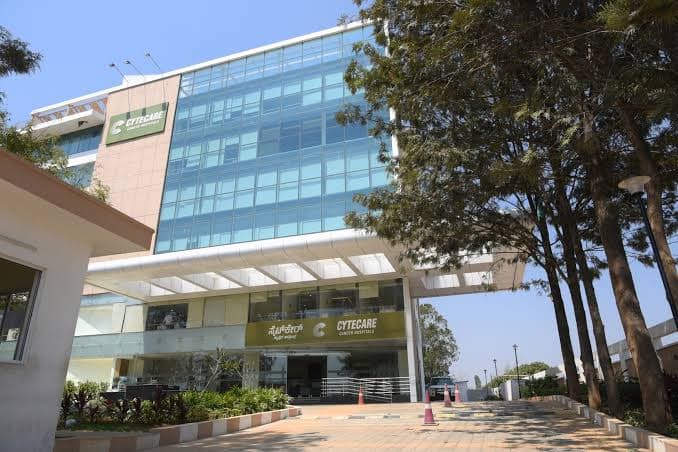
Cytecare Cancer Hospitals

Cytecare Cancer Hospitals

Bengaluru, India

India's first purpose-built organ-specific oncology hospital. Ranked #1 in Bengaluru and #7 in India (Outlook Health 2025). JCI, NABH & ESMO accredited — surgical, medical and radiation oncology with dedicated BMT unit and Elekta Versa HD linac.

NABHNABLESMO Designated Centre

64+

Specialists

150+

Beds

View Profile
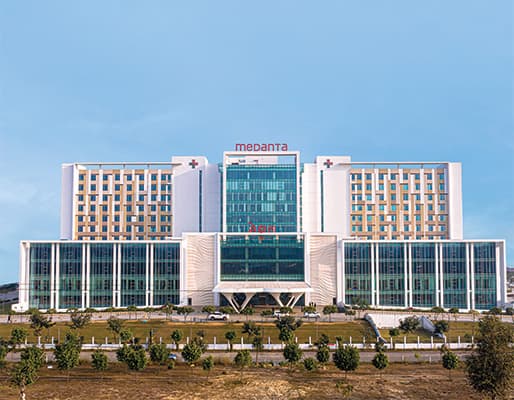
Medanta – The Medicity

Medanta – The Medicity

Gurugram, India

Medanta – The Medicity is India's #1 hospital (Newsweek World's Best Hospitals 2026), founded by renowned cardiovascular surgeon Dr. Naresh Trehan on a 43-acre campus in Sector 38, Gurugram. The flagship facility operates 1,391 beds including 270+ ICU beds, 40 operating theatres, and 900+ experienced physicians across 30+ specialties. Medanta is the only Indian private hospital to be consistently ranked among the world's top 150 medical facilities, and receives over 20,000 international patients annually from more than 130 countries. Its centres of excellence span cardiac care, oncology, neurosciences, organ transplantation, gastrosciences, and orthopaedics, backed by JCI, NABH, and NABL accreditation.

JCINABHNABL

900+

Specialists

1,391+

Beds

View Profile
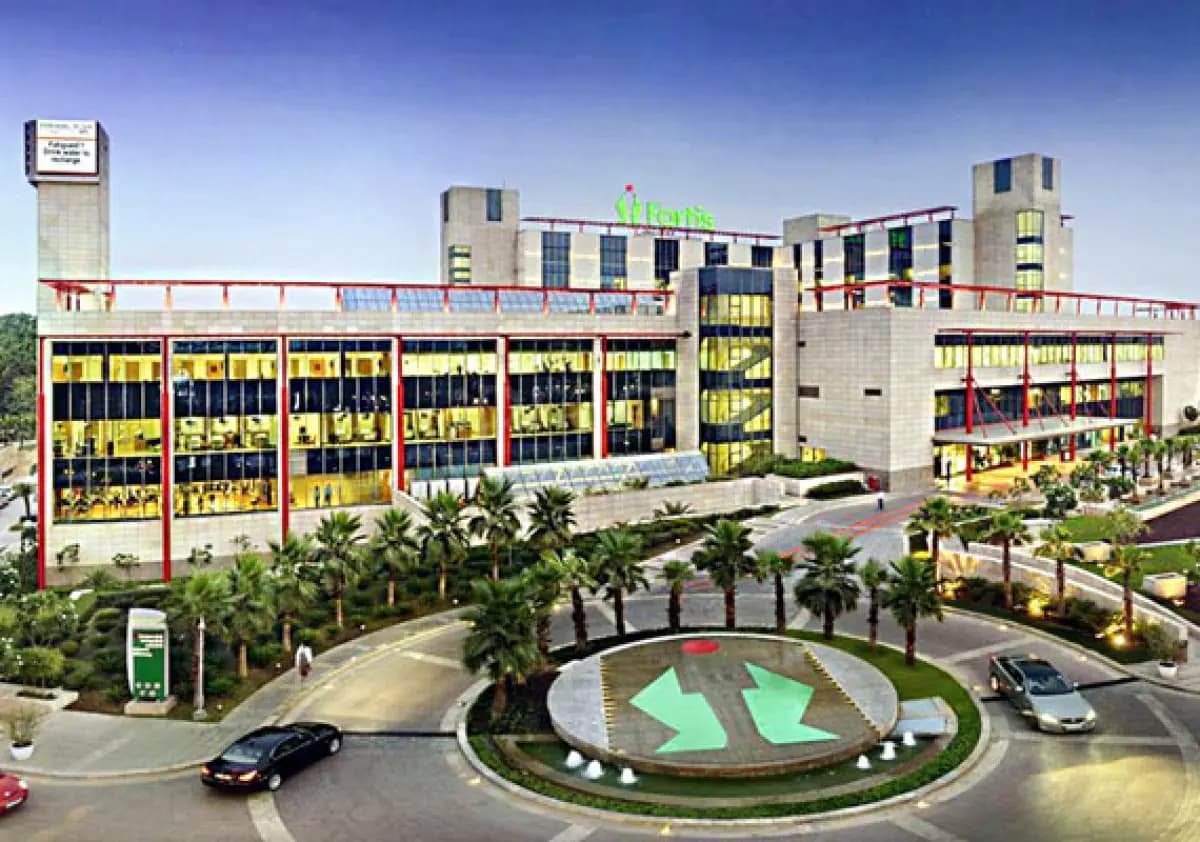
Fortis Memorial Research Institute

Fortis Memorial Research Institute

Gurugram, India

Fortis Memorial Research Institute (FMRI) in Sector 44, Gurugram is one of India's most advanced tertiary care hospitals, offering 1,000+ beds across 40+ specialties. Home to leading specialists in neurosurgery, cardiac surgery, oncology, organ transplantation, and orthopaedics, FMRI features CyberKnife radiosurgery, CAR-T cell therapy, and full robotic surgery capabilities. The hospital serves patients from 118 countries, supported by a dedicated international patients department providing visa assistance, interpreters, airport transfers, and end-to-end care coordination.

JCINABHNABL

400+

Specialists

330+

Beds

View Profile

Frequently asked questions

Established indications include blood cancers (leukaemia, lymphoma, myeloma), bone marrow failure, sickle cell disease, and thalassaemia via HSCT. Mesenchymal stem cell therapy is used for select autoimmune and orthopaedic conditions. CAR T-cell therapy targets certain relapsed or refractory blood cancers.

No fees. No commitment.

Our guidance is completely free

We are compensated by our partner hospitals — never by patients. You get independent clinical matching, cost transparency, and end-to-end coordination at no cost to you.

Message us on WhatsApp