
CureSureMedico
|
EN

Complex Trauma & Fracture Surgery

Orthopedics

payments

Starting from

$1,500

Up to $5,000 depending on centre

schedule

Typical duration

10–21 days

Including pre-operative work-up

arrow_downwardlocal_hospital

Partner hospitals

2

Vetted for outcome data & accreditation

Dr. Rodina Ainasoa

Content reviewed for medical accuracy by: Dr. Rodina Ainasoa · Medical Content Writer & Health Communications

Overview

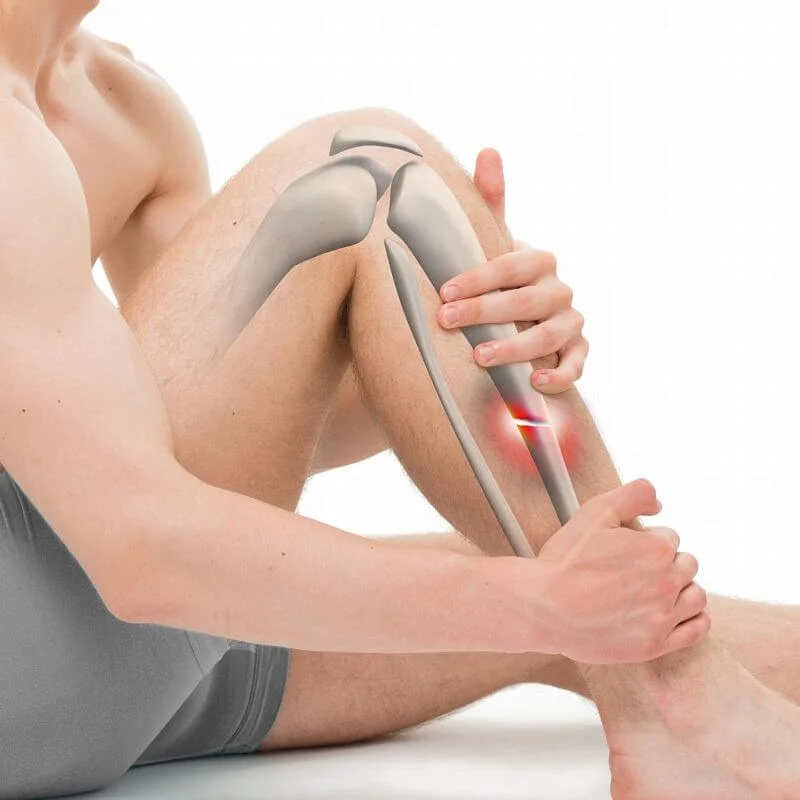
Advanced open reduction and internal fixation (ORIF) for complex fractures, polytrauma, and non-unions performed by specialist trauma surgeons using the latest implant technology. India, Turkey, and Thailand offer world-class trauma centers at a fraction of Western costs, with shorter waiting times and dedicated international patient support.

Your case is matched to a centre on the basis of clinical outcome data, not marketing. We coordinate every step — from pre-operative work-up to post-treatment follow-up — with a dedicated care coordinator.

What's included

Pre-surgery orthopedic consultation and imaging review
Surgical procedure with specialist trauma surgeon
Hospital stay (5–10 nights depending on complexity)
Implants, plates, and screws included in package
Post-operative physiotherapy sessions
Dedicated patient coordinator and interpreter services

Complex Trauma & Fracture Surgery

Coordinated from

$1,500

or message us on WhatsApp

No commitment required. Your data is never shared with third parties.

ORIF vs. Intramedullary Nailing

Open reduction and internal fixation (ORIF) with plates and screws, and intramedullary (IM) nailing, are two of the most common surgical techniques used to stabilize a broken bone. Your surgeon selects the approach based on the fracture's location, pattern, and severity. Here is how the two techniques generally compare.

ParameterORIF (Plates & Screws)Intramedullary Nailing
How it worksBone fragments are realigned and held in place with a metal plate secured to the bone's surface using screws, via an open surgical exposure of the fracture site.A metal rod is inserted through the hollow core (medullary canal) of a long bone, usually via a small incision away from the fracture site, and locked in place with screws at each end.
Typically used forFractures near joints, irregular or multi-fragment breaks, and bones where a rod is not anatomically suitable, per AAOS.Fractures in the shaft of long bones such as the femur or tibia, where the canal can accommodate a rod, per AAOS and OTA guidance.
Soft tissue disruptionGenerally requires a larger surgical exposure directly over the fracture, with more soft tissue handling.Generally more minimally invasive, with smaller incisions away from the fracture site and less direct soft tissue disruption.
Weight-bearing after surgeryOften more restricted in the early weeks, depending on fracture pattern and fixation stability, per your surgeon's protocol.Often allows earlier partial or full weight-bearing in suitable fracture patterns because the rod shares load along the length of the bone, per OTA literature.
Hardware removalPlates and screws are usually left in place long-term unless they cause irritation or are removed for another reason.Nails are usually left in place long-term; removal is uncommon and considered only if there is pain, infection, or a specific indication.

The Procedure: Step by Step

The steps below outline a typical surgical approach to a complex fracture. Trauma cases vary widely, and your surgeon will confirm the exact technique and fixation method for your specific fracture based on its location, pattern, and severity.

1

Imaging and fracture classification

X-rays, and often a CT scan for complex or joint-involving fractures, are reviewed to classify the fracture pattern and plan whether plate-and-screw fixation, an intramedullary nail, external fixation, or a combination is most appropriate.

2

Anaesthesia and fracture reduction

Under general or regional anaesthesia, the surgeon realigns (reduces) the displaced bone fragments into their correct anatomical position, either through an open incision or, where suitable, closed reduction under X-ray guidance.

3

Fixation hardware placement

The chosen implant — a plate and screws, an intramedullary nail, or an external frame — is placed to hold the reduced fracture securely while it heals, with position confirmed using intraoperative imaging.

4

Closure and immobilization

The surgical site is closed in layers and dressed, and a splint, brace, or cast may be applied depending on the fixation method, to protect the repair while early bone healing begins.

Recovery Timeline

Recovery Timeline
First 1-2 weeks

Hospital stay and initial recovery focus on pain control, wound care, and swelling management; weight-bearing status (non-weight-bearing, partial, or full) is set by your surgeon based on the fracture and fixation used, per AAOS.

~6-12 weeks

Early bone healing (callus formation) is monitored with follow-up X-rays; weight-bearing restrictions are typically advanced in stages during this period, though the exact pace varies significantly by fracture site and severity, per OTA guidance.

~3-6 months

Structured physiotherapy builds strength, range of motion, and gait, and most straightforward long-bone fractures show solid radiographic union within this window, per Mayo Clinic and Cleveland Clinic; complex or polytrauma cases often take longer.

6-12+ months

Return to full activity, sport, or manual work is guided by confirmed bony union and functional recovery rather than a fixed calendar date; some complex fractures continue to remodel and strengthen for up to a year or more.

Source: American Academy of Orthopaedic Surgeons (AAOS); Orthopaedic Trauma Association (OTA); Mayo Clinic; Cleveland Clinic. Recovery varies widely by fracture site, pattern, and severity, and is guided by your treating surgeon.

Known Risks & Limitations

  • Nonunion (the bone fails to heal) or malunion (the bone heals in a misaligned position) are recognised complications of fracture surgery, with reported rates varying widely by fracture site, severity, and patient factors such as smoking or diabetes, per AAOS.
  • Surgical site or deep infection is a risk with any open fracture fixation, and open (compound) fractures carry a materially higher infection risk than closed fractures, per OTA literature.
  • Hardware failure — a plate, screw, or nail bending, loosening, or breaking before the bone has fully healed — is an uncommon but recognised complication, particularly if weight-bearing restrictions are not followed.
  • Compartment syndrome, a dangerous build-up of pressure within a muscle compartment, is a recognised risk after severe trauma or certain lower-leg and forearm fractures and requires urgent recognition and, if needed, emergency surgical release, per AAOS.
  • A second, planned surgery to remove hardware is sometimes needed if the implant causes ongoing pain or irritation, or in specific cases such as certain paediatric or intra-articular fractures; most implants, however, are left in place long-term.

Source: American Academy of Orthopaedic Surgeons (AAOS); Orthopaedic Trauma Association (OTA); Mayo Clinic; Cleveland Clinic. No procedure is without risk, and trauma outcomes vary significantly by case; your treating surgeon will review your individual fracture and risk profile.

The CureSureMedico Care Pathway

Remote case review

Share your X-rays, CT scans, and injury history with our coordination team, who forward your case to a partner trauma surgeon for an initial assessment of surgical options and suitability for travel.

Surgeon and hospital matching

We match you with an accredited trauma centre and specialist orthopaedic surgeon experienced in your specific fracture type, from straightforward long-bone fractures to complex polytrauma reconstruction.

Cost estimate and travel timing

Once your case is reviewed, we issue a consolidated cost estimate covering surgery, implants, and hospital stay, and help plan the right time to travel based on how your injury has been stabilized so far.

Surgery and inpatient recovery

You undergo fixation surgery with dedicated interpreter and patient-coordinator support throughout your hospital stay, with physiotherapy started as soon as your surgeon confirms it is safe to begin.

Follow-up and continuity of care

Before you depart, your operative report, implant details, and weight-bearing plan are shared with your home physician or physiotherapist so your recovery and hardware monitoring can continue seamlessly.

Global cost comparison — Complex Trauma & Fracture Surgery

Average coordinated costs across our partner centres. Final pricing depends on clinical complexity and chosen hospital.

CountryAvg. costvs. cheapest
🇮🇳

India

New Delhi · Chennai · Bengaluru · Hyderabad · Mumbai · Kochi

Best value
$2,000
chevron_right
🇹🇷

Turkey

Istanbul

$3,500
chevron_right

Costs are indicative estimates and vary by procedure specifics, hospital, and clinical complexity. Request a personalised estimate for your specific case.

Partner hospitals

2 centres
View all hospitals
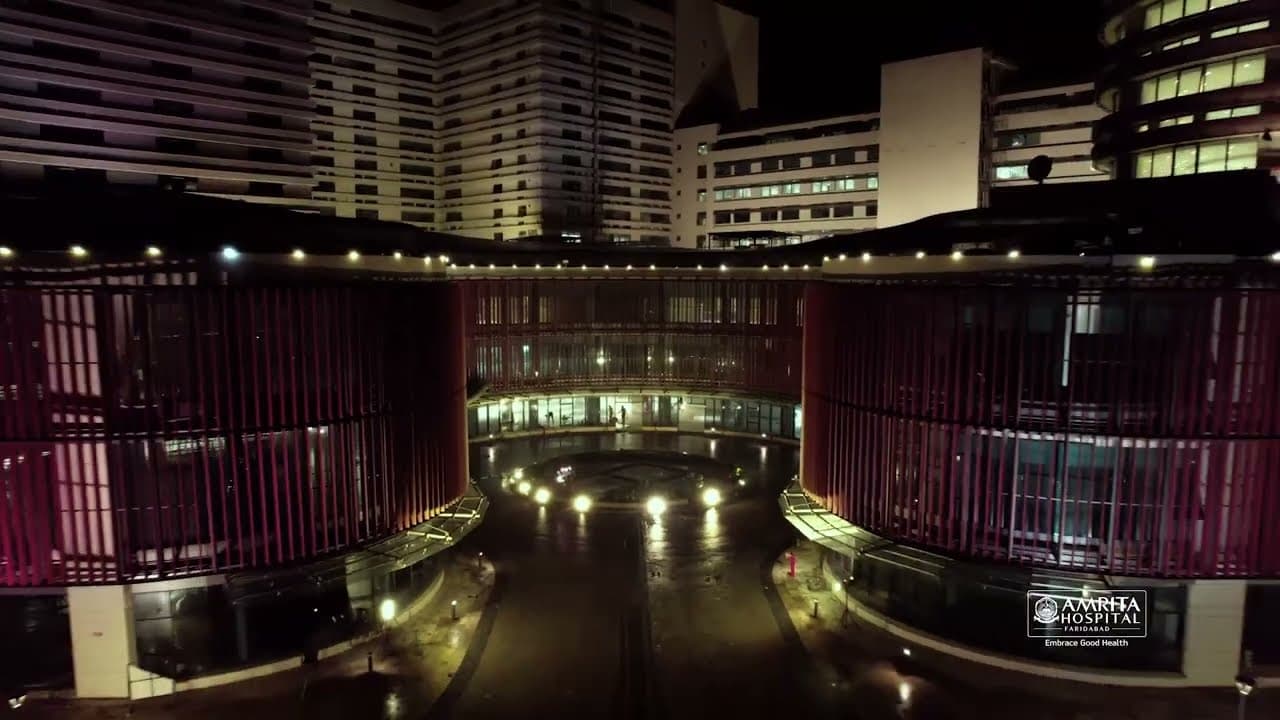
Amrita Hospital

Amrita Hospital

Faridabad, India

Asia's largest private hospital — 2,600 beds, 64 operation theatres, 81 specialties on a 130-acre campus in Delhi NCR. NABH & NABL accredited. Centres of excellence in oncology, cardiac surgery, BMT, organ transplantation, neurosciences, and IVF.

NABHNABL

800+

Specialists

2,600+

Beds

View Profile
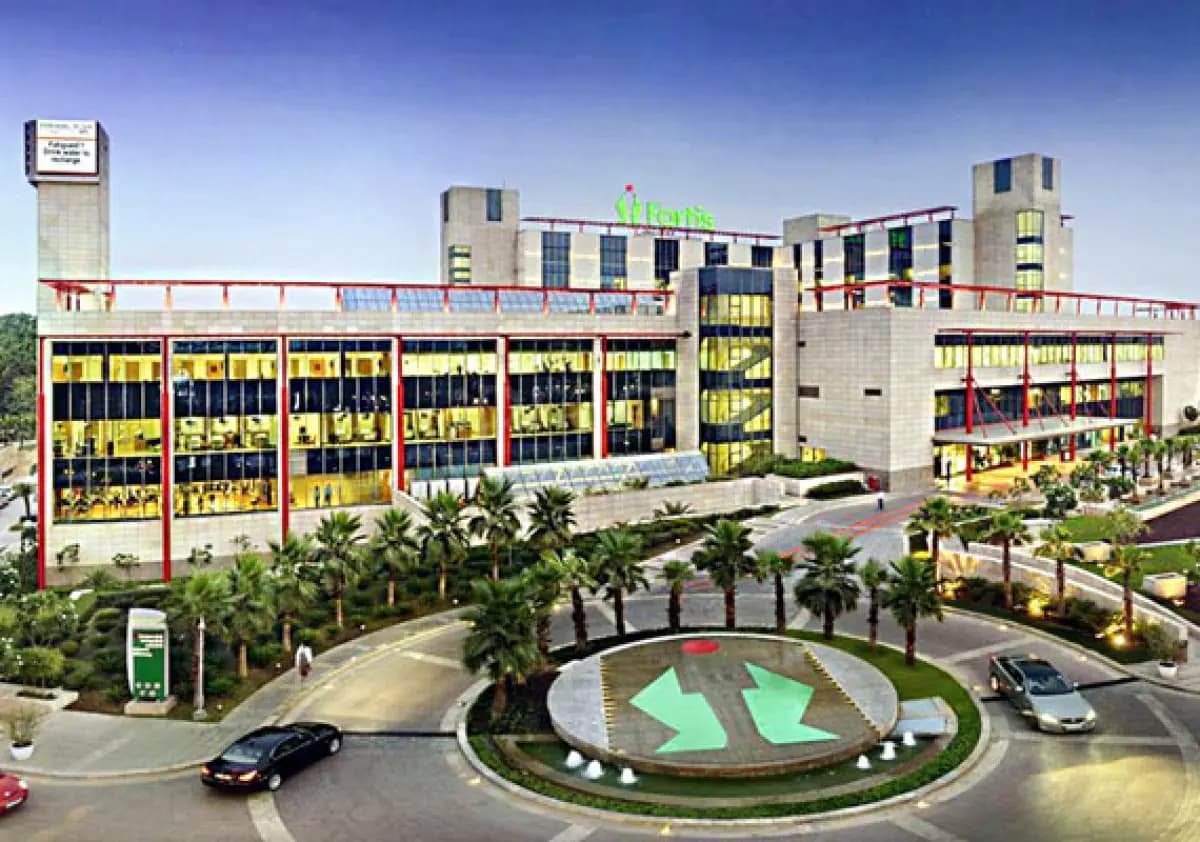
Fortis Memorial Research Institute

Fortis Memorial Research Institute

Gurugram, India

Fortis Memorial Research Institute (FMRI) in Sector 44, Gurugram is one of India's most advanced tertiary care hospitals, offering 1,000+ beds across 40+ specialties. Home to leading specialists in neurosurgery, cardiac surgery, oncology, organ transplantation, and orthopaedics, FMRI features CyberKnife radiosurgery, CAR-T cell therapy, and full robotic surgery capabilities. The hospital serves patients from 118 countries, supported by a dedicated international patients department providing visa assistance, interpreters, airport transfers, and end-to-end care coordination.

JCINABHNABL

400+

Specialists

330+

Beds

View Profile

Frequently asked questions

For elective complex fracture repair or non-union treatment, most centers recommend traveling once the acute phase is stabilized — typically 2 to 6 weeks after the initial injury. If you already have temporary fixation in place, your records and imaging can be reviewed remotely by the overseas surgeon before your trip. For polytrauma cases, surgery is usually performed locally first; revision or reconstructive work can then be planned abroad. Our coordinators will arrange a virtual consultation to assess your imaging and confirm the optimal timing.

No fees. No commitment.

Our guidance is completely free

We are compensated by our partner hospitals — never by patients. You get independent clinical matching, cost transparency, and end-to-end coordination at no cost to you.

Message us on WhatsApp