CureSureMedico
|
EN

Vitiligo & Pigmentation Treatment

Dermatology

payments

Starting from

$500

Up to $5,000 depending on centre

schedule

Typical duration

7–21 days

Including pre-operative work-up

arrow_downwardlocal_hospital

Partner hospitals

1

Vetted for outcome data & accreditation

Dr. Rodina Ainasoa

Content reviewed for medical accuracy by: Dr. Rodina Ainasoa · Medical Content Writer & Health Communications

Overview

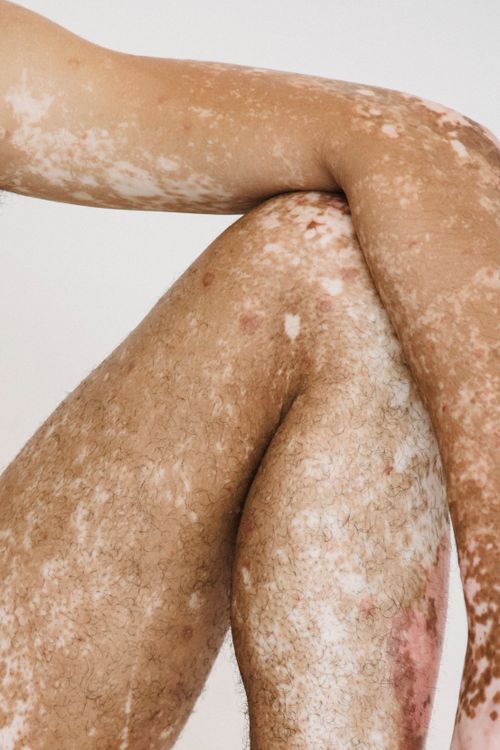
Comprehensive medical and procedural treatment for vitiligo, melasma, and post-inflammatory hyperpigmentation using phototherapy, melanocyte transplantation, and advanced topicals. Access specialist dermatologists who see high volumes of pigmentation disorders common in darker skin tones.

Your case is matched to a centre on the basis of clinical outcome data, not marketing. We coordinate every step — from pre-operative work-up to post-treatment follow-up — with a dedicated care coordinator.

What's included

Initial dermatologist consultation and skin mapping
Phototherapy or procedural sessions as per treatment plan
Prescribed topical medications and home care kit
Multilingual patient coordinator throughout stay
Follow-up teleconsultation after returning home
Transportation assistance between clinic and accommodation

Vitiligo & Pigmentation Treatment

Coordinated from

$500

or message us on WhatsApp

No commitment required. Your data is never shared with third parties.

Global cost comparison — Vitiligo & Pigmentation Treatment

Average coordinated costs across our partner centres. Final pricing depends on clinical complexity and chosen hospital.

CountryAvg. costvs. cheapest
🇮🇳

India

New Delhi · Chennai · Bengaluru · Hyderabad · Mumbai · Kochi

Best value
$1,500
chevron_right
🇹🇷

Turkey

Istanbul

$2,500
chevron_right
🇹🇭

Thailand

Bangkok · Phuket · Chiang Mai

$2,000
chevron_right

Costs are indicative estimates and vary by procedure specifics, hospital, and clinical complexity. Request a personalised estimate for your specific case.

Cost & recovery by procedure

This treatment category covers several different operations with different levels of invasiveness, recovery times, and costs. The country averages above blend all of them together — use the breakdown below for a more realistic, procedure-specific estimate.

Narrowband UVB Phototherapy

Narrowband ultraviolet-B (NB-UVB) light exposure delivered in a clinic booth (or a home unit under supervision) stimulates the pigment cells (melanocytes) remaining at the edges of white patches to migrate and multiply, gradually restoring color. It is a management course rather than a one-time fix — patches stabilize and repigment gradually rather than disappearing overnight.

Typical recovery · 3–6 months, ongoing

No hospital stay is needed — sessions are outpatient, typically 2–3 times per week, each lasting only a few minutes under the lamp. Early flecks of returning pigment are usually visible within 2–3 months, with more meaningful repigmentation building over 6–12 months of consistent attendance; treatment is often continued for a year or more, or paused once results plateau, since response varies widely by patient and body site.

India

$300–$800 per course (30–60 sessions)

Turkey

Estimate pending verification — ask your care coordinator for a current quote

Thailand

Estimate pending verification — ask your care coordinator for a current quote

Melanocyte Transplantation

A day-surgery technique in which a thin sample of the patient's own healthy, pigmented skin is processed to separate out melanocytes and keratinocytes, which are then applied to areas of stable (non-spreading) vitiligo that have not responded well to creams or light therapy. It is offered only once vitiligo activity has been stable for at least 6–12 months, and it improves cosmetic appearance rather than guaranteeing complete, permanent repigmentation.

Typical recovery · 1–4 weeks

Performed under local anesthesia as a same-day or overnight-stay procedure. Mild swelling or discomfort at both the donor and treated sites settles within days to a couple of weeks, and a protective dressing is usually kept on the treated area for about a week. Visible early repigmentation typically starts within 4–8 weeks, with results continuing to mature over several months; published success rates (meaningful repigmentation) range roughly 60–90%, best in stable, localized patches.

India

$700–$2,000

Turkey

Estimate pending verification — ask your care coordinator for a current quote

Thailand

Estimate pending verification — ask your care coordinator for a current quote

Chemical Peel for Pigmentation

A controlled chemical solution (such as glycolic, TCA, or kojic-acid based formulas) is applied to the skin to exfoliate the outer layers and fade excess pigment from melasma or post-inflammatory dark spots. It is typically delivered as a course of sessions rather than a single visit, and works best alongside daily sun protection and topical maintenance.

Typical recovery · Course of 4–8 sessions

Each session is a quick outpatient visit with sessions usually spaced 2–4 weeks apart; mild redness, flaking, or sensitivity for a few days is normal after deeper peels, while superficial peels have little to no downtime. Most patients need 4–8 sessions for a visible improvement in tone evenness, and periodic maintenance peels are often recommended since pigmentation can recur, especially with sun exposure.

India

$250–$700 per course

Turkey

Estimate pending verification — ask your care coordinator for a current quote

Thailand

Estimate pending verification — ask your care coordinator for a current quote

Topical & Systemic Depigmentation Therapy

A combination of topical agents (such as hydroquinone) and, where appropriate, oral tranexamic acid is used to lighten stubborn melasma or hyperpigmentation from the inside and outside. This is ongoing medical management rather than a cure — pigmentation can return once treatment stops, so many patients cycle through active and maintenance phases over time.

Typical recovery · Ongoing / several months

No hospital stay is required — this is a daily at-home regimen with periodic dermatologist check-ins. A typical active course runs 12 or more weeks, with visible fading often noticeable by 8–12 weeks; because rebound pigmentation is common, courses are frequently repeated after a break of several months, and oral therapy in particular needs monitoring for tolerability during extended use.

India

Estimate pending verification — ask your care coordinator for a current quote

Turkey

Estimate pending verification — ask your care coordinator for a current quote

Thailand

Estimate pending verification — ask your care coordinator for a current quote

Cost ranges are indicative estimates for international patients and vary with implant choice, number of levels treated, surgeon, and hospital. Request a personalised quote for your specific case.

Clinical detail: AAOS OrthoInfo, Mayo Clinic Health System, Cleveland Clinic. Cost ranges cross-checked across multiple independent medical-tourism sources per country where marked; ranges flagged "pending verification" could not be independently confirmed at the time of writing.

Partner hospitals

1 centres
View all hospitals
Amrita Hospital

Amrita Hospital

Faridabad, India

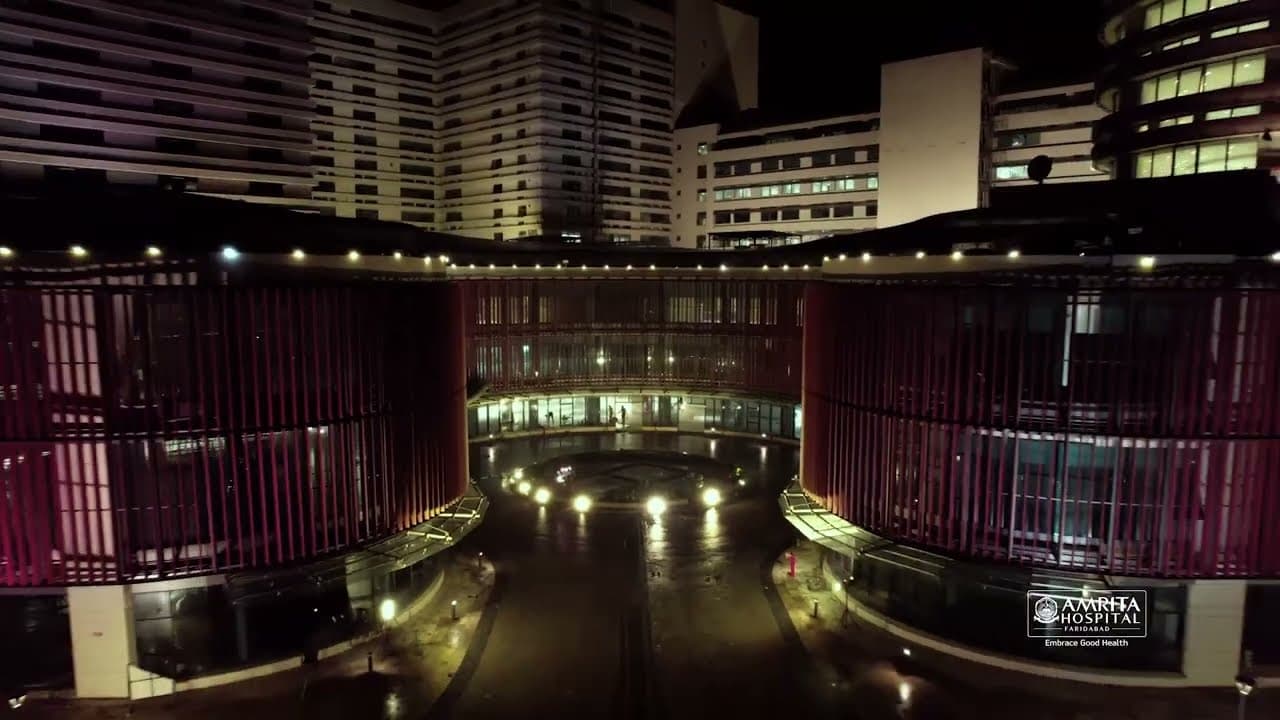
Asia's largest private hospital — 2,600 beds, 64 operation theatres, 81 specialties on a 130-acre campus in Delhi NCR. NABH & NABL accredited. Centres of excellence in oncology, cardiac surgery, BMT, organ transplantation, neurosciences, and IVF.

NABHNABL

800+

Specialists

2,600+

Beds

View Profile

Frequently asked questions

Most vitiligo patients require 20–40 narrowband UVB sessions for visible repigmentation, typically administered 3 times per week. During a medical tourism visit, your dermatologist will conduct an intensive course over 2–3 weeks and provide you with a detailed at-home continuation plan. Some patients can access UVB units locally or use excimer lamp therapy. Your doctor will also prescribe any topical agents to maintain and extend results after you return home.

No fees. No commitment.

Our guidance is completely free

We are compensated by our partner hospitals — never by patients. You get independent clinical matching, cost transparency, and end-to-end coordination at no cost to you.

Message us on WhatsApp