Receiving a brain tumor diagnosis can feel overwhelming, but modern neuro-oncology and surgical innovation have dramatically expanded the therapeutic options available to patients worldwide. From precision imaging to targeted therapies and minimally invasive neurosurgery, understanding the underlying mechanisms of a mass and obtaining a clear, multidisciplinary care strategy is the vital first step toward recovery.
In an authoritative clinical overview presented by Mayo Clinic, leading neuro-oncologist Dr. Alyx Porter breaks down the essential science of brain tumors, recognizing subtle warning signs, diagnostic standards, and the personalized treatment pathways designed to protect both life and neurological function.
Watch Dr. Alyx Porter Explain Brain Tumor Basics & Care Below
Source: "Mayo Clinic Explains Brain Tumor", where Dr. Alyx Porter breaks down the essential science of neuro-oncology, warning signs, and modern personalized care.
What Is a Brain Tumor?
At its core, a brain tumor develops when cellular DNA mutates, instructing cells to divide rapidly and survive beyond their normal lifespan. These abnormal cells accumulate to form a mass within the tissue or surrounding structures of the brain. Because the brain acts as the central control system for the human body, even small masses can affect motor function, speech, mood, and sensory perception.
As Dr. Alyx Porter notes, tumors are broadly categorized into key clinical types:
Primary Brain Tumors: Originating directly within brain tissue or its surrounding membranes (such as the meninges). Primary tumors can be benign (non-cancerous overgrowths of normal cells that form a mass) or malignant (cancerous masses composed of abnormal, invasive cells).
Secondary (Metastatic) Brain Tumors: Resulting from cancer that originated in another part of the body—such as the lungs, breast, or colon—and metastasized to the brain. Secondary tumors are substantially more common in adults than primary brain tumors.
On How DNA Mutation Leads to a Tumor: — DNA tells our cells what to do. Sometimes this DNA mutates and tells cells to duplicate abnormally... these cells collect into a mass in this case in various parts of the brain. And since the brain is the control center for the rest of our bodies, this can affect all kinds of other functions. — Dr. Alyx Porter, Neuro-oncologist at Mayo Clinic
Clinical Indications: When Should You Consult a Specialist?
Symptoms depend heavily on the tumor's size, growth rate, and precise anatomical location within the brain. While headaches are frequently the initial symptom, they rarely occur in isolation.
Key signs and neurological indications include:
Distinctive Headaches: Particularly headaches that wake you from sleep or are noticeably worse in the early morning, especially when accompanied by vision dimming (signs of elevated intracranial pressure).
Seizures & Focal Neurological Deficits: Sudden onset of unprovoked seizures, weakness, or numbness concentrated on one side of the body.
Cognitive & Behavioral Shifts: Uncharacteristic anxiety, depression, disorientation, memory loss, or difficulty formulating speech.
Sensory & Balance Changes: Blurred or double vision, abnormal eye movements, loss of balance, slurred speech, or difficulty swallowing.
On Recognizing Increased Intracranial Pressure: — If you notice a headache that awakens you from sleep, that seems to be at its worst in the early morning hours along with dimming of your vision, this could be a sign of increased intracranial pressure and you should make an appointment with your doctor. — Dr. Alyx Porter, Mayo Clinic
Treatment Comparison: Surgical Resection vs. Targeted Non-Surgical Modalities
No two brain tumors are identical, and choosing the optimal therapeutic strategy requires balancing tumor clearance against neurological preservation:
| Modality | Primary Mechanism | Clinical Objective |
|---|---|---|
| Surgical Resection | Direct surgical excision of the mass via craniotomy or neuro-endoscopy. | Complete removal or maximal safe cytoreduction (debulking) to relieve pressure. |
| Radiotherapy / Stereotactic Radiosurgery | Targeted high-energy beam delivery (e.g., Gamma Knife, Proton Therapy). | Destroys cellular DNA within cancerous cells to halt tumor growth. |
| Systemic & Targeted Therapies | Oral/IV chemotherapy, targeted molecular inhibitors, or immunotherapy. | Blocks specific molecular pathways or attacks dividing cancer cells systemically. |
Diagnostic Workup: Key Evaluations Needed Before Treatment
Accurate diagnosis requires a sequential, high-precision evaluation to map the lesion's precise coordinates and molecular pathology:
Comprehensive Neurological Examination: Assesses reflexes, muscle strength, sensory awareness, balance, coordination, vision, and hearing.
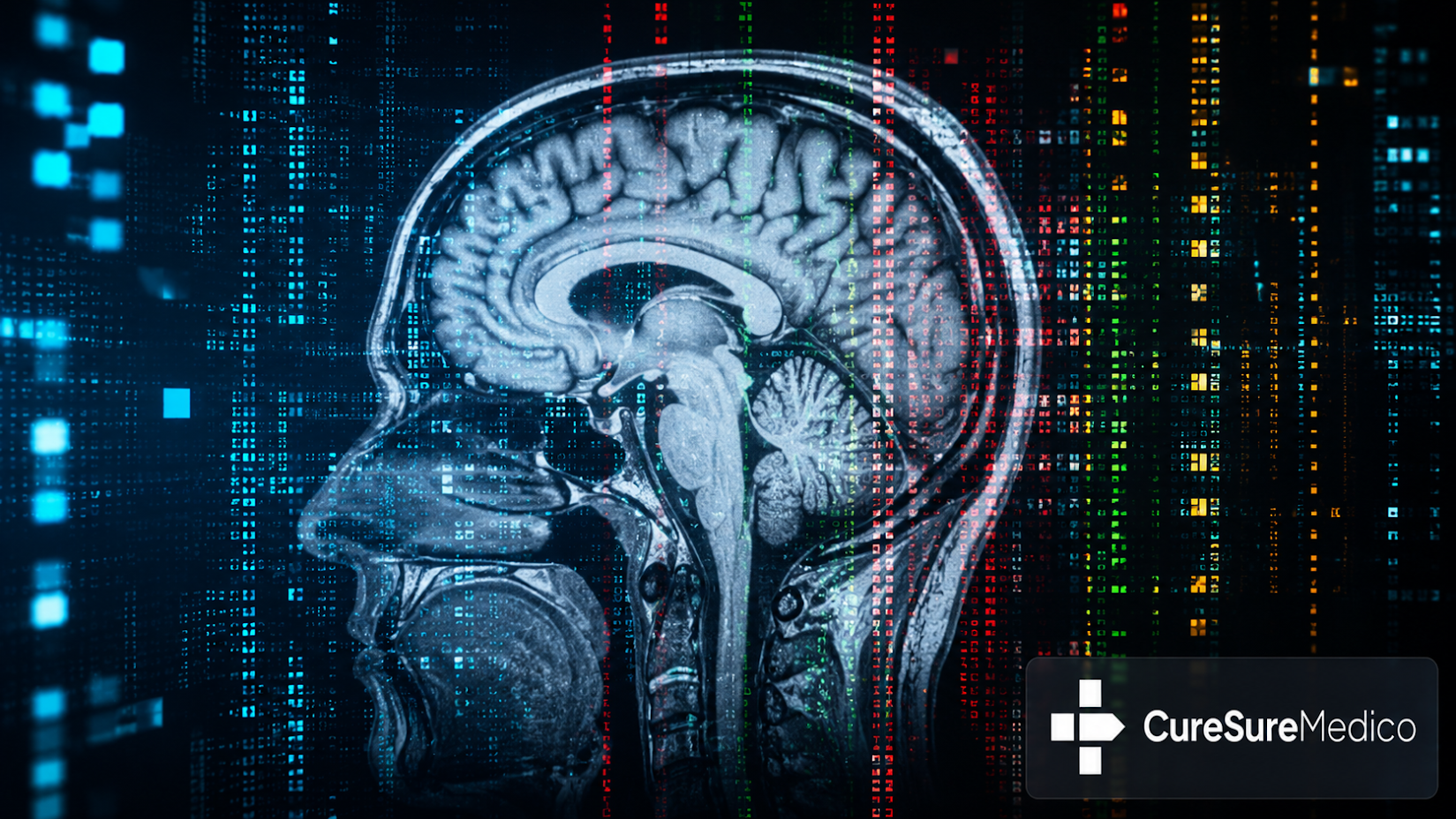
Advanced Structural & Functional Imaging: High-field MRI (including functional MRI and MR spectroscopy), contrast-enhanced CT scans, or PET scans to clearly map tumor boundaries and proximity to critical speech or motor corridors.
Biopsy & Tissue Analytics: Surgical tissue sampling to analyze histology, grade, and specific genetic markers, which determine molecular responsiveness to targeted drugs.
Procedure & Recovery: Step-by-Step Patient Pathway
Pre-Operative Planning: Advanced 3D neuronavigation mapping ensures the surgical or radiotherapeutic trajectory preserves healthy brain tissue.
Intervention Phase: Under exact neuro-monitoring, the surgical team performs maximum safe resection or initiates stereotactic radiation treatment.
Supportive & Palliative Rehabilitation: Immediate post-intervention care focuses on controlling swelling, managing side effects, and initiating tailored physical therapy, speech therapy, or occupational therapy to restore function.
Long-Term Surveillance: Serial MRI scans monitor for tumor stability or early signs of recurrence.
Key Clinical Benefits
Symptom Relief: Removing or shrinking a mass alleviates intracranial pressure, reducing headaches, seizures, and cognitive strain.
Extended Survival & Cure: Complete resection or effective systemic control significantly extends life expectancy and, for certain benign tumors, offers a complete cure.
Risks & Potential Side Effects
Neurological Side Effects: Depending on tumor location and treatment modality, temporary or permanent alterations in memory, motor skills, speech, or vision may occur.
Therapeutic Fatigue & Systemic Stress: Chemotherapy and radiation regimens can cause fatigue, hair loss, nausea, or immune suppression, requiring structured supportive care.
Expert Insights Summary: Key Takeaways from Dr. Alyx Porter
Get a Second Opinion: Seeking a second or third perspective from specialized neuro-oncology centers is vital for establishing confidence in your individual treatment roadmap.
Multidisciplinary Collaboration: Treatment depends on tumor type, size, location, molecular profile, and overall patient health.
Advancing Medical Science: Massive strides in molecular targeted therapies, refined surgical techniques, and ongoing clinical trials continue to expand survival and quality of life.
On Finding the Right Care Team: — The most important thing you can do is to find a specialized treatment center that feels like a good fit and get a second opinion or even a third. It's important to feel confident in your care team and their support. — Dr. Alyx Porter, Mayo Clinic
International Medical Care with CureSureMedico
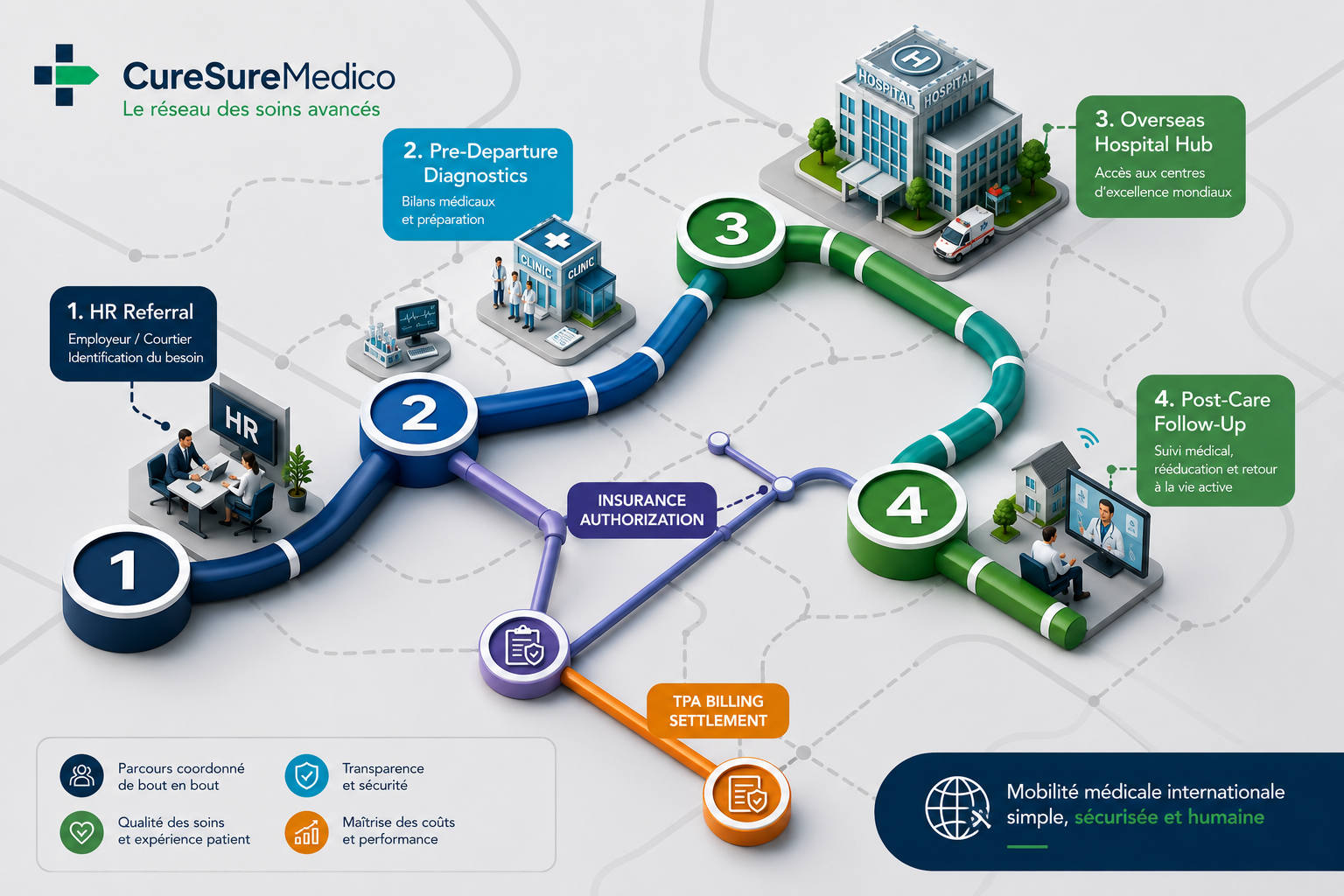
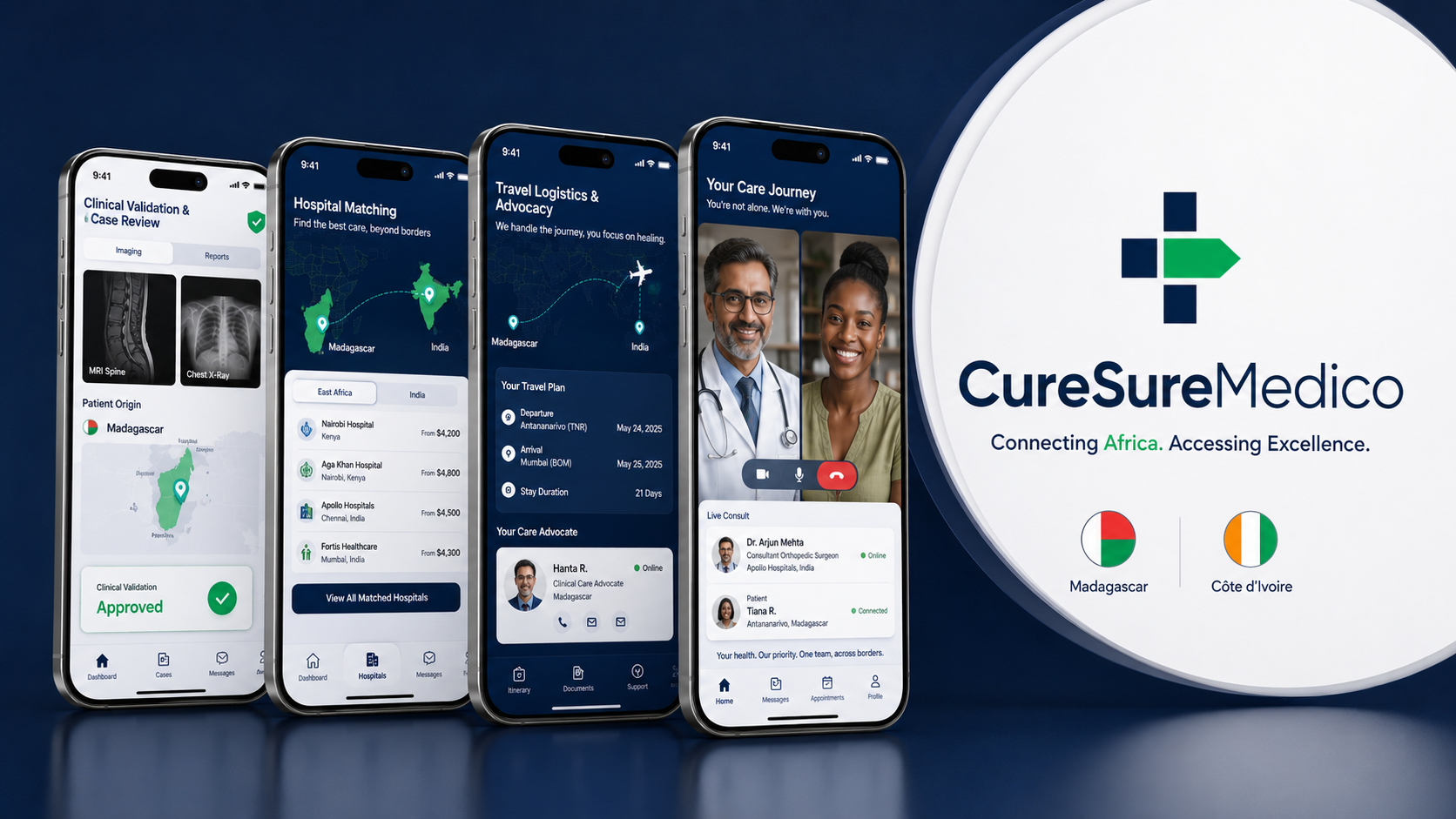
When facing a complex neurological condition, traveling across borders for specialized brain tumor surgery or advanced oncology requires pristine logistical execution, clinical oversight, and transparent governance. At CureSureMedico, we protect international patients by managing the entire care continuum:
Independent Second Opinions: Rapid review of your neurological MRI scans and diagnostic reports by top global neuro-oncologists and neurosurgeons.
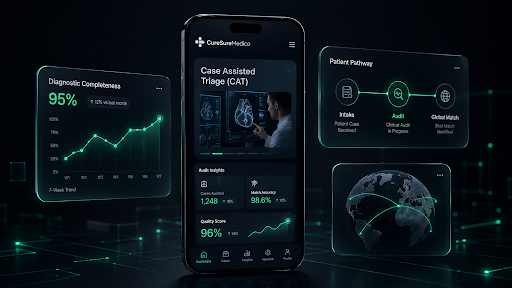
Case Assisted Triage (CAT): Systematic clinical auditing of your medical files before travel to confirm treatment necessity, surgical feasibility, and optimal hospital selection.
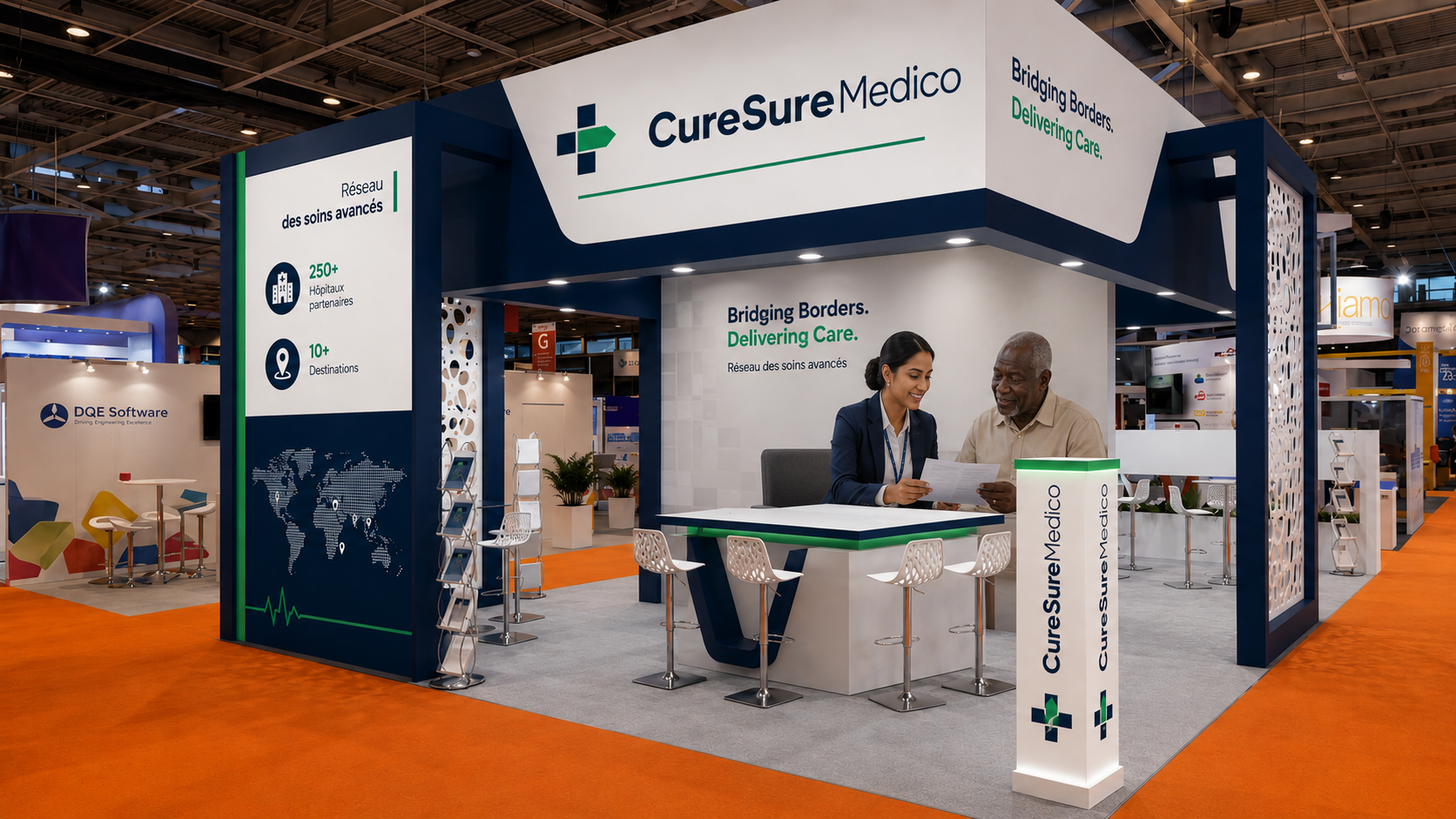
Vetted Global Network: Access to accredited international neurosurgical centers across 250+ partner hospitals in 10+ countries.
Transparent Pricing Model: Fixed, flat-fee coordination ($50 second opinion, $100 case logistics) with zero markups or hidden hospital commissions.
Complete Travel & Follow-up Coordination: Visa support, medical transport, dedicated caregiver accommodations, and seamless post-treatment follow-up integration with your local physicians back home in Africa.
Considering Treatment for a Brain Tumor?
A brain tumor diagnosis often raises difficult questions about treatment options and where to receive appropriate care. CureSureMedico can help you access an independent neuro-oncology review and coordinate a pathway to accredited neurosurgical centers.
Contact a CureSureMedico advisor today to request an independent second opinion on your brain tumor diagnosis and discuss your treatment options with accredited neurosurgical centers.
Frequently Asked Questions
Are all brain tumors cancerous?
No. Brain tumors are divided into benign (non-cancerous) and malignant (cancerous) types. Benign tumors consist of non-invasive cells, but because they expand within the enclosed skull, they still require prompt medical evaluation and treatment.
Can a secondary brain tumor be the first sign of cancer in the body?
Yes. Although secondary tumors originate from cancers elsewhere (such as the lungs or kidneys), neurological symptoms from a brain lesion are occasionally the very first indicator of an underlying primary cancer elsewhere in the body.
Why is a second opinion so strongly recommended for brain tumors?
Brain anatomy and tumor genetics are highly intricate. A second opinion from an experienced neuro-oncology team confirms the exact diagnostic grading, evaluates whether advanced minimally invasive options are available, and ensures you explore all suitable targeted therapies or clinical trials.
How does CureSureMedico assist international patients seeking brain tumor treatment abroad?
CureSureMedico handles the full international pathway—auditing your medical records via our Case Assisted Triage protocol, matching you with leading global neurosurgical centers, arranging flat-fee logistics, and coordinating follow-up care with your local medical team.