CureSureMedico
|
EN

Autoimmune Skin Disorder Treatment

Dermatology

payments

Starting from

$1,000

Up to $8,000 depending on centre

schedule

Typical duration

10–21 days

Including pre-operative work-up

arrow_downwardlocal_hospital

Partner hospitals

1

Vetted for outcome data & accreditation

Dr. Rodina Ainasoa

Content reviewed for medical accuracy by: Dr. Rodina Ainasoa · Medical Content Writer & Health Communications

Overview

Expert specialist management of serious autoimmune skin conditions including pemphigus vulgaris, bullous pemphigoid, cutaneous lupus, and other blistering or inflammatory disorders. Access centres with dedicated autoimmune dermatology units and immunology support.

Your case is matched to a centre on the basis of clinical outcome data, not marketing. We coordinate every step — from pre-operative work-up to post-treatment follow-up — with a dedicated care coordinator.

What's included

Specialist dermatologist and immunologist consultation
Diagnostic workup including biopsy, DIF, and autoantibody panel
Treatment initiation (immunosuppressives, biologics, or infusion therapy)
Inpatient or day-care management as required
Multilingual patient coordinator and interpreter
Comprehensive discharge summary and follow-up treatment plan for home physician

Autoimmune Skin Disorder Treatment

Coordinated from

$1,000

or message us on WhatsApp

No commitment required. Your data is never shared with third parties.

Global cost comparison — Autoimmune Skin Disorder Treatment

Average coordinated costs across our partner centres. Final pricing depends on clinical complexity and chosen hospital.

CountryAvg. costvs. cheapest
🇮🇳

India

New Delhi · Chennai · Bengaluru · Hyderabad · Mumbai · Kochi

Best value
$2,000
chevron_right
🇹🇷

Turkey

Istanbul

$4,000
chevron_right

Costs are indicative estimates and vary by procedure specifics, hospital, and clinical complexity. Request a personalised estimate for your specific case.

Cost & recovery by procedure

This treatment category covers several different operations with different levels of invasiveness, recovery times, and costs. The country averages above blend all of them together — use the breakdown below for a more realistic, procedure-specific estimate.

Pemphigus & Pemphigoid Management

Specialist diagnosis and induction treatment for pemphigus vulgaris or bullous pemphigoid — serious blistering skin diseases where the immune system attacks the skin's own connective proteins. Initial management typically combines high-dose oral or IV corticosteroids with a steroid-sparing agent to bring active blistering under control; this is disease management aimed at long-term remission, not a one-time cure.

Typical recovery · 4–8 weeks to control, then ongoing

Active blistering usually requires an initial inpatient or day-care admission for IV steroids and wound care, followed by outpatient follow-up. Most patients see new blister formation slow within 2–4 weeks and substantial control by 4–8 weeks, though full healing of existing lesions can take longer. Relapses can occur, so most patients remain on some form of maintenance therapy and periodic antibody-level monitoring (anti-Dsg1/Dsg3 or anti-BP180) well beyond the initial admission.

India

$1,500–$3,500 for initial workup and induction admission

Turkey

Estimate pending verification — ask your care coordinator for a current quote

Thailand

Estimate pending verification — ask your care coordinator for a current quote

Cutaneous Lupus Treatment

Treatment for discoid or other cutaneous lupus focuses on antimalarial therapy (hydroxychloroquine), topical steroids, and strict sun protection to control skin rashes and prevent scarring or pigment loss. It is a long-term control strategy, not a cure — the skin disease can flare again if therapy is stopped.

Typical recovery · 3–6 months to response, ongoing

This is managed entirely on an outpatient, oral-medication basis — no hospital stay is required. Hydroxychloroquine is dosed daily, with a noticeable response typically seen within 8–12 weeks and fuller improvement by 3–6 months; roughly half of patients achieve good control, though some do not respond and need an added agent. Because relapse is common if treatment stops, therapy is usually continued long-term, with an annual eye (retina) screening for hydroxychloroquine safety and periodic skin reviews.

India

$40–$120 per month (medication and follow-up monitoring)

Turkey

Estimate pending verification — ask your care coordinator for a current quote

Thailand

Estimate pending verification — ask your care coordinator for a current quote

Immunosuppressive Therapy

Oral immunosuppressants such as azathioprine, mycophenolate mofetil, or dapsone are used alongside a gradual corticosteroid taper to keep autoimmune skin disease suppressed once the acute flare is controlled, reducing the long-term steroid dose a patient needs. This is maintenance therapy intended to continue for months to years, not a short course.

Typical recovery · Ongoing / lifelong, reviewed periodically

Managed on an outpatient basis with no hospital stay. Regular blood monitoring (complete blood count, liver and kidney function) is required roughly every 4–8 weeks initially, then less frequently once stable, because these agents suppress the immune system and carry infection and organ-toxicity risks that need surveillance. Many patients remain on a maintenance dose for one to several years, with the treating specialist attempting a slow taper only once disease activity has been quiet for an extended period.

India

$60–$200 per month (medication and monitoring blood work)

Turkey

Estimate pending verification — ask your care coordinator for a current quote

Thailand

Estimate pending verification — ask your care coordinator for a current quote

Rituximab & Biologic Infusion

Rituximab (an anti-CD20 biologic, given as its original brand or an approved biosimilar) is delivered as an IV infusion for patients with moderate-to-severe pemphigus or pemphigoid that has not responded well enough to steroids and oral immunosuppressants alone. It is dosed in cycles rather than as a single treatment — an induction cycle followed by lower-dose maintenance infusions at intervals guided by antibody levels and disease activity, not a one-off drug course.

Typical recovery · Infusion cycle, repeated every 6–12+ months

Each infusion is a day-care procedure (a few hours per session, sometimes split over two sessions two weeks apart for an induction cycle), with no overnight stay usually required. Many patients notice reduced new blister formation within 4–12 weeks of the induction cycle, with a meaningful proportion reaching sustained remission over the following 6–24 months. Because relapse can occur, maintenance infusions are typically repeated on an as-needed or fixed schedule (commonly every 6–12 months) guided by anti-Dsg antibody titers, and patients need routine monitoring for infection risk given the prolonged immune suppression rituximab causes.

India

$900–$2,200 per infusion cycle (biosimilar rituximab, drug and administration)

Turkey

Estimate pending verification — ask your care coordinator for a current quote

Thailand

Estimate pending verification — ask your care coordinator for a current quote

Cost ranges are indicative estimates for international patients and vary with implant choice, number of levels treated, surgeon, and hospital. Request a personalised quote for your specific case.

Clinical detail: AAOS OrthoInfo, Mayo Clinic Health System, Cleveland Clinic. Cost ranges cross-checked across multiple independent medical-tourism sources per country where marked; ranges flagged "pending verification" could not be independently confirmed at the time of writing.

Partner hospitals

1 centres
View all hospitals
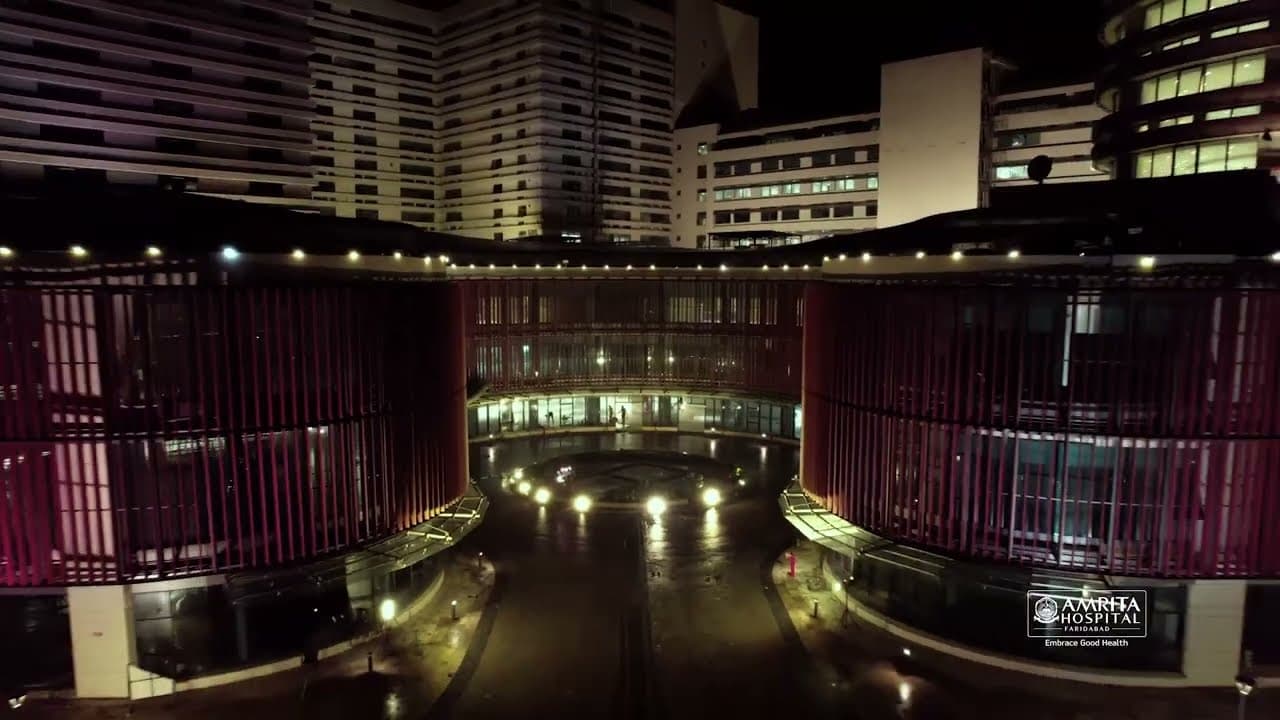
Amrita Hospital

Amrita Hospital

Faridabad, India

Asia's largest private hospital — 2,600 beds, 64 operation theatres, 81 specialties on a 130-acre campus in Delhi NCR. NABH & NABL accredited. Centres of excellence in oncology, cardiac surgery, BMT, organ transplantation, neurosciences, and IVF.

NABHNABL

800+

Specialists

2,600+

Beds

View Profile

Frequently asked questions

India, Israel, and Turkey have high-volume dermatology centres that regularly manage autoimmune blistering disorders, partly because referral volumes from large populations mean specialists see more cases annually than many Western clinics. Partner hospitals have dedicated immunodermatology units with access to skin biopsy with direct immunofluorescence (DIF), ELISA antibody panels (anti-Dsg1, anti-Dsg3, anti-BP180), and specialist MDT review including rheumatology and immunology. CureSureMedico will match you specifically to centres with published experience in your diagnosis.

No fees. No commitment.

Our guidance is completely free

We are compensated by our partner hospitals — never by patients. You get independent clinical matching, cost transparency, and end-to-end coordination at no cost to you.

Message us on WhatsApp