
CureSureMedico
|
EN

Electroconvulsive Therapy (ECT)

Psychiatry

payments

Starting from

$2,000

Up to $15,000 depending on centre

schedule

Typical duration

14–45 days

Including pre-operative work-up

arrow_downwardlocal_hospital

Partner hospitals

1

Vetted for outcome data & accreditation

Dr. Rodina Ainasoa

Content reviewed for medical accuracy by: Dr. Rodina Ainasoa · Medical Content Writer & Health Communications

Overview

Modified Electroconvulsive Therapy administered under general anaesthesia, offering a safe and highly effective intervention for treatment-resistant depression, acute catatonia, and severe bipolar disorder in accredited hospitals with experienced anaesthesiology and psychiatry teams. Patients who have failed multiple medications can access this proven therapy at significantly lower cost than in Western countries.

Your case is matched to a centre on the basis of clinical outcome data, not marketing. We coordinate every step — from pre-operative work-up to post-treatment follow-up — with a dedicated care coordinator.

What's included

Pre-ECT evaluation: psychiatric, anaesthetic, and medical fitness assessment
Full course of ECT sessions (typically 6–12 sessions) under general anaesthesia
Inpatient stay or day-hospital facility for each session
Post-ECT recovery monitoring and cognitive assessment
Concurrent pharmacotherapy and psychotherapy support
Discharge summary with maintenance ECT or medication plan and follow-up telehealth

Electroconvulsive Therapy (ECT)

Coordinated from

$2,000

or message us on WhatsApp

No commitment required. Your data is never shared with third parties.

Bilateral vs. Unilateral Electrode Placement

ECT can be delivered with electrodes on both sides of the head (bilateral) or on one side only (unilateral, typically over the non-dominant hemisphere). The choice involves a trade-off between speed/strength of response and short-term cognitive side effects, and is made by the treating psychiatric team — not a self-selection.

ParameterUnilateral PlacementBilateral Placement
EfficacyCan be comparable to bilateral when higher stimulus dosing is used, though some studies of ultrabrief-pulse unilateral ECT found lower remission rates than ultrabrief bilateral ECT, per a randomised non-inferiority trial in the American Journal of Psychiatry.Generally associated with a somewhat higher or faster response rate in comparative studies, per the same trial and a retrospective cohort study of major depressive disorder.
Short-term memory effectsRight unilateral placement, especially with an ultrabrief pulse width, produced less short- and long-term retrograde amnesia and less impact on nonverbal memory than bilateral placement in the same study.Associated with greater short-term cognitive deficits, including more retrograde amnesia, than right unilateral placement in the days following treatment, per a randomised comparative study published in the New England Journal of Medicine.
Longer-term cognitive recoveryBy around two months after treatment, cognitive function was similar across unilateral and bilateral treatment groups in the New England Journal of Medicine study — acute differences narrowed over time.Showed the same pattern of recovery to a similar cognitive baseline by the two-month follow-up in that study.
Typical clinical useOften favoured when minimising cognitive side effects is a priority for a given patient.Often favoured when a faster or more robust response is the clinical priority, such as in severe or urgent presentations.
Who decidesThe treating psychiatric team selects electrode placement and stimulus parameters based on diagnosis, urgency, and prior treatment response — never a self-assessment.Same team-based decision process; bilateral vs. unilateral is a clinical choice made case by case, not a default.

The Procedure: Step by Step

Each ECT session follows the same core steps. A full course typically involves multiple sessions delivered over several weeks — this is not a one-time procedure.

1

Pre-treatment evaluation

A medical and psychiatric evaluation, including anaesthesia clearance, confirms suitability before the course begins, per the National Institute of Mental Health (NIMH).

2

Anaesthesia and muscle relaxant

The patient is given a short-acting general anaesthetic and a muscle relaxant to prevent visible movement during the brief seizure, per NIMH.

3

Electrical stimulus

A carefully controlled electrical current is delivered through electrodes placed according to the chosen bilateral or unilateral technique, inducing a brief, controlled seizure.

4

Recovery room monitoring

The patient is monitored in a recovery area until the anaesthetic wears off, typically returning to full alertness within an hour.

Recovery Timeline

Recovery Timeline
Same day

Most patients experience grogginess, headache, or muscle soreness for a few hours after each session and can go home the same day for outpatient courses, once fully alert.

3–5 weeks

A standard acute course is usually delivered three times per week for three to five weeks, averaging 8 to 12 treatments in total, per NIMH.

Weeks after course

Memory effects from the course are typically most noticeable in the days following each session; group-level cognitive differences between electrode placements had narrowed by two months in comparative studies.

Ongoing

Some patients continue with less frequent "maintenance" ECT sessions, such as monthly, to help sustain the response, per NIMH.

Source: National Institute of Mental Health (NIMH); New England Journal of Medicine comparative study. Individual recovery and results vary and are guided by your psychiatric team.

Known Risks & Limitations

  • Memory effects, including retrograde amnesia for events around the time of treatment, are a recognised effect of ECT and tend to be more pronounced with bilateral electrode placement, per comparative research in the New England Journal of Medicine.
  • Temporary confusion immediately after a session is common and usually resolves within an hour as the anaesthetic wears off, per NIMH.
  • As with any procedure requiring general anaesthesia, there are anaesthesia-related risks that your medical team will review with you individually.
  • Headache, muscle soreness, and nausea are common short-term side effects following a session.
  • ECT is generally considered only after other treatments such as psychotherapy or medication have not sufficiently helped, or when a rapid response is needed for severe or life-threatening presentations, per NIMH — it is not typically a first-line treatment, and some patients require ongoing maintenance sessions to sustain benefit.

Source: National Institute of Mental Health (NIMH); New England Journal of Medicine; American Journal of Psychiatry. No procedure is without risk; your psychiatric and anaesthesia team will review your individual case.

The CureSureMedico Care Pathway

Remote clinical review

Share your psychiatric history, diagnosis, and prior treatment response. Our coordination team forwards your case to a psychiatric team who assess suitability for a course of ECT.

Clinic matching & estimate

A consolidated cost estimate covering the full course of sessions (typically 8–12), anaesthesia, and psychiatric supervision is issued before you travel — not a single-session price.

Travel & pre-treatment evaluation

On arrival, a medical and psychiatric evaluation, including anaesthesia clearance, confirms the treatment plan before the course begins.

Full course of treatment

You remain in-country for the full course, typically delivered over three to five weeks, with the treating team monitoring response and adjusting the plan as needed.

Continuity of care post-return

A treatment summary is shared with your home psychiatrist, with a plan for any ongoing maintenance sessions arranged locally where possible.

Global cost comparison — Electroconvulsive Therapy (ECT)

Average coordinated costs across our partner centres. Final pricing depends on clinical complexity and chosen hospital.

CountryAvg. costvs. cheapest
🇮🇳

India

New Delhi · Chennai · Bengaluru · Hyderabad · Mumbai · Kochi

Best valueEstimate
$3,000
chevron_right
🇹🇷

Turkey

Istanbul

Estimate
$8,000
chevron_right

Costs are indicative estimates and vary by procedure specifics, hospital, and clinical complexity. Request a personalised estimate for your specific case.

Partner hospitals

1 centres
View all hospitals
Amrita Hospital

Amrita Hospital

Faridabad, India

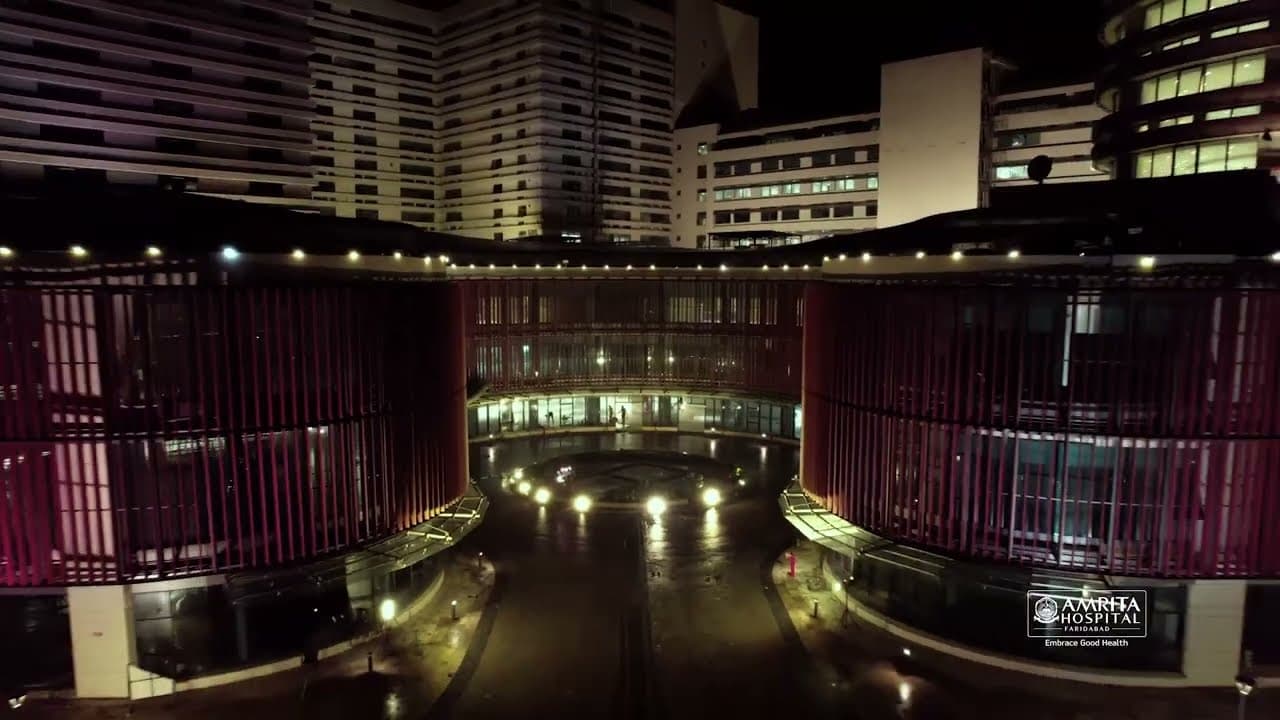
Asia's largest private hospital — 2,600 beds, 64 operation theatres, 81 specialties on a 130-acre campus in Delhi NCR. NABH & NABL accredited. Centres of excellence in oncology, cardiac surgery, BMT, organ transplantation, neurosciences, and IVF.

NABHNABL

800+

Specialists

2,600+

Beds

View Profile

Frequently asked questions

Modern modified ECT, administered under general anaesthesia with muscle relaxants, is considered one of the safest and most effective treatments in psychiatry. The main side effects are short-term memory confusion and mild headaches, which resolve within days to weeks. When performed at JCI or NABH-accredited international hospitals, the safety standards are equivalent to those in the UK or USA. Your pre-treatment assessment will include an ECG, blood tests, and an anaesthetic review to ensure you are medically fit. All sessions are performed by a psychiatrist–anaesthetist team in a fully equipped clinical setting.

No fees. No commitment.

Our guidance is completely free

We are compensated by our partner hospitals — never by patients. You get independent clinical matching, cost transparency, and end-to-end coordination at no cost to you.

Message us on WhatsApp