CureSureMedico
|
EN

Epilepsy Surgery

Neurology

payments

Starting from

$7,500

Up to $32,000 depending on centre

schedule

Typical duration

12–21 days

Including pre-operative work-up

arrow_downwardlocal_hospital

Partner hospitals

3

Vetted for outcome data & accreditation

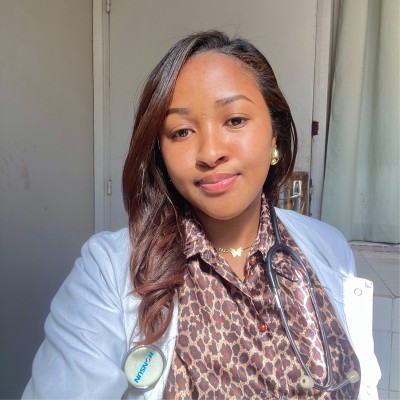
Dr. Rodina Ainasoa

Content reviewed for medical accuracy by: Dr. Rodina Ainasoa · Medical Content Writer & Health Communications

Overview

Surgical treatment for drug-resistant epilepsy using advanced techniques such as temporal lobectomy, laser ablation, and responsive neurostimulation, performed by expert epileptologists at internationally accredited centers. Patients from across the globe choose India and Thailand for their high seizure-freedom rates and a fraction of Western costs.

Your case is matched to a centre on the basis of clinical outcome data, not marketing. We coordinate every step — from pre-operative work-up to post-treatment follow-up — with a dedicated care coordinator.

What's included

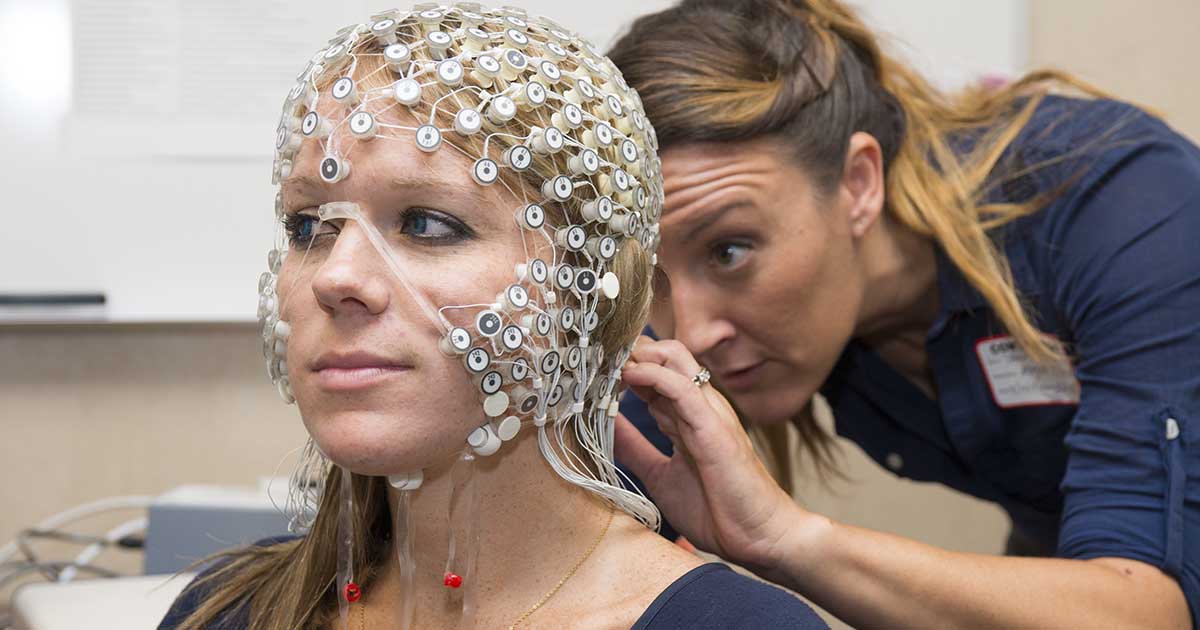
Pre-surgical video-EEG monitoring (3–5 days)
High-resolution brain MRI and PET scan
Neurosurgeon, neurologist, and anesthesiologist fees
Surgical procedure and ICU/ward care
Post-operative neuropsychological assessment
Anti-epileptic medication guidance and follow-up plan

Epilepsy Surgery

Coordinated from

$7,500

or message us on WhatsApp

No commitment required. Your data is never shared with third parties.

Treatment approaches

Standard and robotic-assisted Epilepsy Surgery

Standard Approach

Frame-Based Stereo-EEG (SEEG) Electrode Placement

$7,500

1221 days

Robotic-Assisted Option

Robot-Assisted (ROSA) SEEG Electrode Placement

$10,500

1019 days

Comparing the two approaches

StandardRobotic-Assisted
ProcedureFrame-Based Stereo-EEG (SEEG) Electrode PlacementRobot-Assisted (ROSA) SEEG Electrode Placement
TechnologyConventional surgical instrumentsRobotic-assisted surgical system with surgeon oversight
AvailabilityHospital-dependentSelected hospitals with robotic capability
SpecialistProcedure specialistSpecialist with relevant robotic experience
Clinical suitabilityCase-dependentCase-dependent
Tariff$7,500–$32,000$10,500–$38,000
Duration12–21 days10–19 days

Eligibility for robotic-assisted treatment

  • Drug-resistant focal epilepsy where the seizure focus is not clearly localized by non-invasive tests, so invasive intracranial mapping with implanted depth electrodes is needed before any resective surgery can be planned
  • A pre-surgical implantation plan with multiple, often multi-lobar, electrode trajectories — the robotic platform's main benefit is speed and precision across a larger number of trajectories, not a change to which patients qualify for SEEG
  • Cross-sectional imaging (MRI, and often PET or MEG) and epilepsy-team review confirming candidacy for invasive monitoring and a workable electrode trajectory plan
  • Availability of the robotic stereotactic platform (such as ROSA) and a neurosurgical epilepsy team experienced with robot-assisted electrode placement at your selected hospital

Risks and limitations of robotic-assisted surgery

  • Robotic guidance applies specifically to placing the SEEG electrodes accurately — it does not replace or automate the resective surgery itself, which remains manual microsurgery performed once the seizure focus has been mapped
  • Robotic assistance does not eliminate the risks of SEEG electrode placement, including intracranial hemorrhage, infection, and the small chance that a trajectory needs to be adjusted or abandoned
  • Published comparisons show robot-assisted and frame-based SEEG have similar depth, entry-point, and target accuracy and similar complication rates, with the robotic approach mainly reducing operating time per electrode rather than improving safety outcomes
  • The neurosurgeon remains responsible for trajectory planning and the safety of each electrode pass; robotic guidance is an aid to precision and speed, not a substitute for surgical judgement

Tariff structure

Standard procedure$7,500$32,000
Robotic-assisted technology fee+$3,000$6,000
Total estimated robotic-assisted tariff$10,500$38,000

Why can robotic-assisted procedures cost more?

Robotic-assisted procedures rely on additional technology and equipment beyond the standard operating platform and clinical team. This additional technology component is generally not included in standard case pricing.

Is robotic-assisted surgery always recommended?

No. Robotic-assisted surgery is not appropriate for every procedure or patient. Availability and suitability are determined by the treating specialist, based on your imaging, clinical condition, and the treating hospital's capabilities.

Global cost comparison — Epilepsy Surgery

Average coordinated costs across our partner centres. Final pricing depends on clinical complexity and chosen hospital.

CountryAvg. costvs. cheapest
🇮🇳

India

New Delhi · Chennai · Bengaluru · Hyderabad · Mumbai · Kochi

Best value
$12,000
chevron_right
🇹🇷

Turkey

Istanbul

$21,500
chevron_right

Costs are indicative estimates and vary by procedure specifics, hospital, and clinical complexity. Request a personalised estimate for your specific case.

Cost & recovery by procedure

This treatment category covers several different operations with different levels of invasiveness, recovery times, and costs. The country averages above blend all of them together — use the breakdown below for a more realistic, procedure-specific estimate.

Temporal Lobectomy

The seizure-triggering portion of the temporal lobe — often including the hippocampus — is surgically removed to treat drug-resistant temporal lobe epilepsy. It is the most established and most effective epilepsy surgery, typically considered once at least two anti-seizure medications have failed.

Typical recovery · 6–8 weeks

Hospital stay is typically 3–7 days, including a short period of close neurological monitoring; most patients are walking and eating within a day or two. Return to work or school usually takes 4–8 weeks. About 70% of patients become seizure-free, with roughly half remaining seizure-free at 10 years.

India

$6,500–$10,000

Turkey

$18,000–$24,000

Thailand

Estimate pending verification — ask your care coordinator for a current quote

Laser Interstitial Thermal Therapy (LITT)

A thin laser probe is guided through a small skull opening using real-time MRI imaging to precisely heat and destroy the seizure-causing tissue, without the larger incision required for open lobectomy. It's a minimally invasive alternative offered at select centers for patients with a well-defined, accessible seizure focus.

Typical recovery · 1–2 weeks

Most patients stay just one to two nights in hospital, with some discharged the same day. Light activity typically resumes within days, and most people are back to normal routines within a week, avoiding strenuous activity for about two weeks. Seizure-freedom rates (around 55% in temporal lobe epilepsy) are somewhat lower than open lobectomy, trading some effectiveness for a faster, less invasive recovery.

India

Estimate pending verification — ask your care coordinator for a current quote

Turkey

Estimate pending verification — ask your care coordinator for a current quote

Thailand

Estimate pending verification — ask your care coordinator for a current quote

Corpus Callosotomy

The band of nerve fibers connecting the brain's two hemispheres (the corpus callosum) is surgically divided to stop seizures from spreading rapidly between the two sides. It is not intended to cure seizures but to reduce dangerous drop attacks and injury from sudden falls, mainly in severe generalized epilepsies such as Lennox-Gastaut syndrome.

Typical recovery · 6–8 weeks

A traditional open procedure typically means 2–4 days in hospital (with a few days of intensive monitoring for more extensive cases); a laser-ablation approach, where available, can shorten this to 1–2 days. Most patients return to everyday activities within 6–8 weeks (around 2 weeks with laser ablation). Anti-seizure medication continues afterward, and drop attacks are stopped or substantially reduced in roughly 50–75% of patients.

India

$2,500–$4,500

Turkey

Estimate pending verification — ask your care coordinator for a current quote

Thailand

Estimate pending verification — ask your care coordinator for a current quote

Vagus Nerve Stimulation (VNS)

A small pulse generator is implanted under the skin of the chest and connected to a wire wrapped around the vagus nerve in the neck, delivering regular mild electrical pulses to reduce seizure frequency. It's generally used when resective surgery isn't suitable or hasn't fully controlled seizures, as an add-on to medication rather than a cure.

Typical recovery · 4–6 weeks

This is a same-day or overnight outpatient-style procedure taking under 90 minutes, with most patients home within hours of a short recovery-room observation. The device is switched on and programmed roughly two weeks later, with settings adjusted gradually over follow-up visits. Full recovery from the implant itself takes about 4–6 weeks, though the stimulator remains an ongoing therapy requiring periodic battery replacement every few years.

India

$18,000–$26,000

Turkey

$24,000–$35,000

Thailand

Estimate pending verification — ask your care coordinator for a current quote

Stereo-EEG (SEEG)

A diagnostic mapping step, not a treatment: thin depth electrodes are implanted through small holes in the skull, often with robotic guidance, to record electrical activity directly from inside the brain and precisely locate the seizure focus. It's typically used before deciding on a definitive treatment such as lobectomy, LITT, or callosotomy, when scalp EEG and MRI haven't clearly pinpointed where seizures start.

Typical recovery · 1–2 weeks

Patients remain in hospital with the electrodes in place while seizures are recorded, commonly around a week and occasionally up to two to three weeks depending on how quickly enough seizures are captured. A short second procedure removes the electrodes; mild headache and scalp discomfort afterward usually settle within a few days. Results then guide the neurology team's recommendation on further surgical treatment.

India

Estimate pending verification — ask your care coordinator for a current quote

Turkey

Estimate pending verification — ask your care coordinator for a current quote

Thailand

Estimate pending verification — ask your care coordinator for a current quote

Cost ranges are indicative estimates for international patients and vary with implant choice, number of levels treated, surgeon, and hospital. Request a personalised quote for your specific case.

Clinical detail: AAOS OrthoInfo, Mayo Clinic Health System, Cleveland Clinic. Cost ranges cross-checked across multiple independent medical-tourism sources per country where marked; ranges flagged "pending verification" could not be independently confirmed at the time of writing.

Partner hospitals

3 centres
View all hospitals
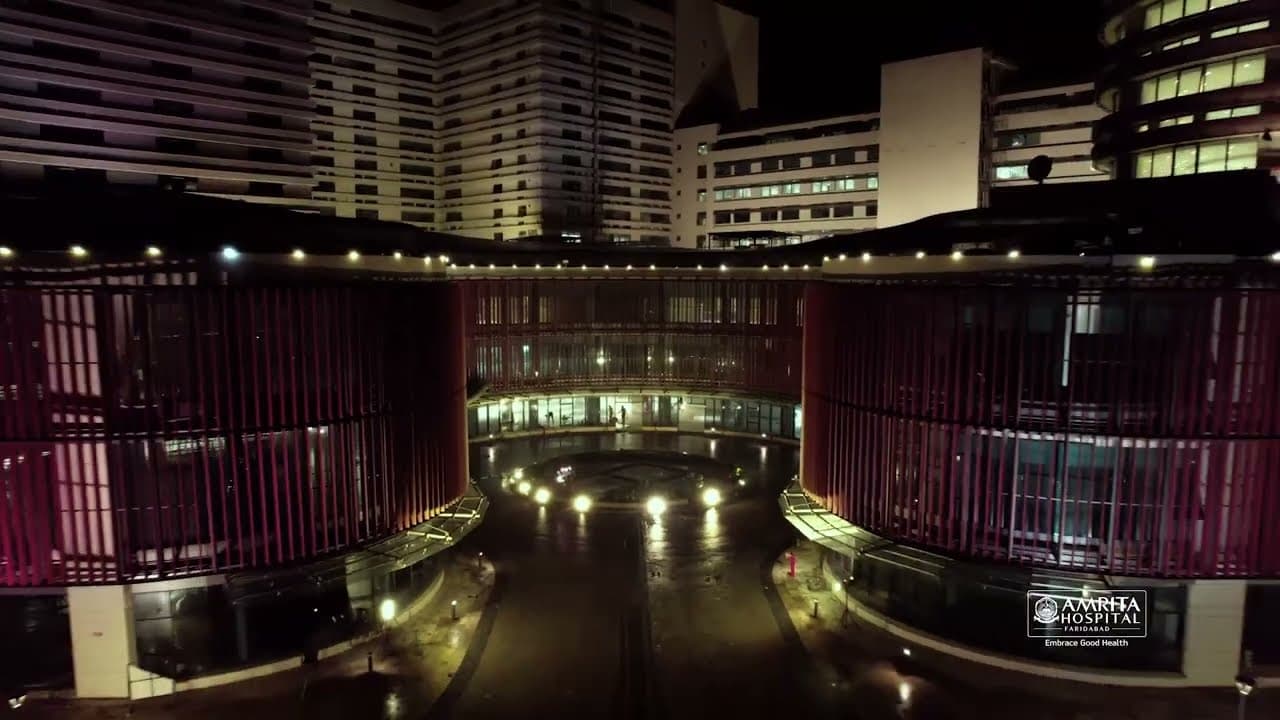
Amrita Hospital

Amrita Hospital

Faridabad, India

Asia's largest private hospital — 2,600 beds, 64 operation theatres, 81 specialties on a 130-acre campus in Delhi NCR. NABH & NABL accredited. Centres of excellence in oncology, cardiac surgery, BMT, organ transplantation, neurosciences, and IVF.

NABHNABL

800+

Specialists

2,600+

Beds

View Profile
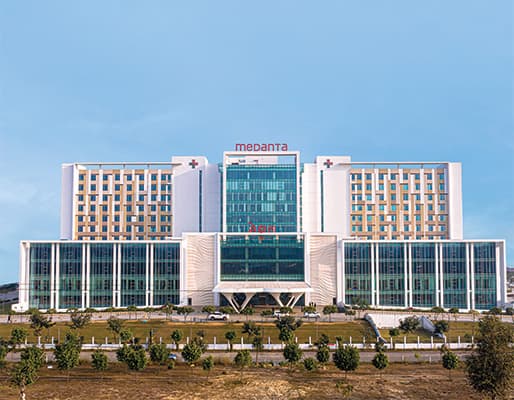
Medanta – The Medicity

Medanta – The Medicity

Gurugram, India

Medanta – The Medicity is India's #1 hospital (Newsweek World's Best Hospitals 2026), founded by renowned cardiovascular surgeon Dr. Naresh Trehan on a 43-acre campus in Sector 38, Gurugram. The flagship facility operates 1,391 beds including 270+ ICU beds, 40 operating theatres, and 900+ experienced physicians across 30+ specialties. Medanta is the only Indian private hospital to be consistently ranked among the world's top 150 medical facilities, and receives over 20,000 international patients annually from more than 130 countries. Its centres of excellence span cardiac care, oncology, neurosciences, organ transplantation, gastrosciences, and orthopaedics, backed by JCI, NABH, and NABL accreditation.

JCINABHNABL

900+

Specialists

1,391+

Beds

View Profile
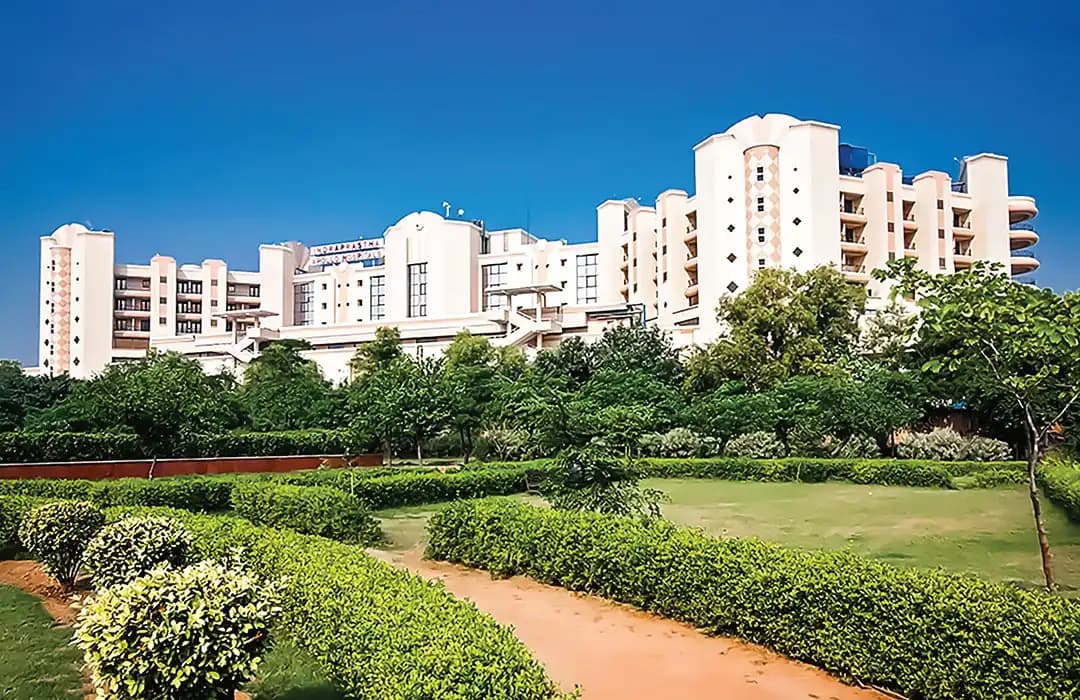
Indraprastha Apollo Hospital

Indraprastha Apollo Hospital

New Delhi, India

Indraprastha Apollo Hospital in Sarita Vihar, New Delhi is one of India's foremost multi-specialty tertiary care centres, part of the Apollo Hospitals network established by Dr. Prathap C Reddy in 1983. The 710-bed facility records 1,600+ daily OPD visits, 1,000+ international patient consultations monthly, and receives 5,000+ international patients per year from over 120 countries. Its Centres of Excellence span cardiac sciences, oncology, neurosciences, organ transplantation, nephrology, orthopaedics, gastroenterology, and bariatric surgery. The hospital is equipped with Da Vinci XI robotic systems, CyberKnife radiosurgery, 3 Tesla MRI, LINAC, ECMO, and a 3D neuro-navigation system.

JCINABHNABL

700+

Specialists

710+

Beds

View Profile

Frequently asked questions

Approximately 60–80% of patients with temporal lobe epilepsy achieve complete seizure freedom after lobectomy. Outcomes vary by epilepsy type and the precision of pre-surgical localization, which top international centers handle with advanced SEEG and imaging.

No fees. No commitment.

Our guidance is completely free

We are compensated by our partner hospitals — never by patients. You get independent clinical matching, cost transparency, and end-to-end coordination at no cost to you.

Message us on WhatsApp