

CureSureMedico
|
EN

Ovarian & Cervical Cancer Treatment

Gynecology

payments

Starting from

$3,000

Up to $25,000 depending on centre

schedule

Typical duration

21–60 days

Including pre-operative work-up

arrow_downwardlocal_hospital

Partner hospitals

1

Vetted for outcome data & accreditation

Dr. Rodina Ainasoa

Content reviewed for medical accuracy by: Dr. Rodina Ainasoa · Medical Content Writer & Health Communications

Overview

Gynecological cancers — including ovarian, cervical, and endometrial cancer — require complex staging surgery, cytoreductive (debulking) procedures, and coordinated chemo-radiotherapy that demands subspecialty expertise. Leading oncology centers in India, Israel, and Turkey offer full-spectrum gynecological cancer care with internationally trained oncologists at significantly lower costs than Western hospitals.

Your case is matched to a centre on the basis of clinical outcome data, not marketing. We coordinate every step — from pre-operative work-up to post-treatment follow-up — with a dedicated care coordinator.

What's included

Oncology multidisciplinary team (MDT) review of pathology and imaging
Staging surgery or cytoreductive procedure with dedicated gynecological oncologist
Chemotherapy and/or radiotherapy cycles as per treatment protocol
Inpatient hospital stay, nursing care, and post-surgical pathology
Follow-up imaging and tumor marker monitoring during treatment
International patient coordinator, interpreter, and case manager throughout treatment

Ovarian & Cervical Cancer Treatment

Coordinated from

$3,000

or message us on WhatsApp

No commitment required. Your data is never shared with third parties.

Treatment approaches

Standard and robotic-assisted Ovarian & Cervical Cancer Treatment

Standard Approach

Open Staging Surgery (Laparotomy)

$3,000

2160 days

Robotic-Assisted Option

Robotic-Assisted Staging Surgery

$6,500

1016 days

Comparing the two approaches

StandardRobotic-Assisted
ProcedureOpen Staging Surgery (Laparotomy)Robotic-Assisted Staging Surgery
TechnologyConventional surgical instrumentsRobotic-assisted surgical system with surgeon oversight
AvailabilityHospital-dependentSelected hospitals with robotic capability
SpecialistProcedure specialistSpecialist with relevant robotic experience
Clinical suitabilityCase-dependentCase-dependent
Tariff$3,000–$25,000$6,500–$11,500
Duration21–60 days10–16 days

Eligibility for robotic-assisted treatment

  • Endometrial cancer requiring hysterectomy with pelvic (and, where indicated, para-aortic) lymph node staging, and select early-stage cervical cancer confined to the cervix — this comparison applies specifically to this staging surgery, not to cytoreductive (debulking) surgery for advanced ovarian cancer or bulky, advanced-stage disease, where an open approach remains the standard
  • Tumor confirmed on imaging and exam as confined to the uterus or cervix without extensive local spread that would require an open approach for adequate access and margins
  • Multidisciplinary tumor board (gynecological oncologist, radiologist, pathologist) review confirming candidacy, including consideration of uterine size, body mass index, and prior abdominal surgery
  • Availability of the specific robotic platform and a gynecological oncologist experienced in robotic cancer staging surgery at your selected hospital

Risks and limitations of robotic-assisted surgery

  • Robotic assistance does not eliminate the surgical risks of cancer staging surgery, including bleeding, infection, and injury to nearby organs or vessels during lymph node dissection
  • The gynecological oncologist remains responsible for achieving complete staging and clear margins; robotic guidance is an aid, not a substitute for oncologic surgical judgement
  • For endometrial cancer, current evidence (including the LAP2/GOG trial data on minimally invasive staging) generally shows oncologic outcomes comparable to open surgery, with less blood loss, fewer complications, and a shorter hospital stay; for cervical cancer, a major 2018 trial (LACC) found that minimally invasive radical surgery led to worse recurrence and survival than open surgery, so a minimally invasive or robotic approach is only offered for carefully selected, early-stage cervical cancer cases after full discussion of this evidence with the treating oncologist
  • Not every gynecological cancer patient is a candidate — advanced-stage or bulky disease, and most ovarian cancer cytoreductive surgery, require the open approach, and availability depends on the individual hospital and the treating specialist's experience with the platform

Tariff structure

Standard procedure$3,000$25,000
Robotic-assisted technology fee+$2,000$3,800
Total estimated robotic-assisted tariff$6,500$11,500

Why can robotic-assisted procedures cost more?

Robotic-assisted procedures rely on additional technology and equipment beyond the standard operating platform and clinical team. This additional technology component is generally not included in standard case pricing.

Is robotic-assisted surgery always recommended?

No. Robotic-assisted surgery is not appropriate for every procedure or patient. Availability and suitability are determined by the treating specialist, based on your imaging, clinical condition, and the treating hospital's capabilities.

Global cost comparison — Ovarian & Cervical Cancer Treatment

Average coordinated costs across our partner centres. Final pricing depends on clinical complexity and chosen hospital.

CountryAvg. costvs. cheapest
🇮🇳

India

New Delhi · Chennai · Bengaluru · Hyderabad · Mumbai · Kochi

Best value
$5,000
chevron_right
🇹🇷

Turkey

Istanbul

$12,000
chevron_right

Costs are indicative estimates and vary by procedure specifics, hospital, and clinical complexity. Request a personalised estimate for your specific case.

Cost & recovery by procedure

This treatment category covers several different operations with different levels of invasiveness, recovery times, and costs. The country averages above blend all of them together — use the breakdown below for a more realistic, procedure-specific estimate.

Cytoreductive (Debulking) Surgery

Extensive open abdominal surgery to remove all visible tumor from the pelvis and abdomen — typically the uterus, ovaries, omentum, and any affected areas of bowel or peritoneal lining — aiming for no visible disease left behind. It is the cornerstone treatment for advanced ovarian cancer, performed either upfront or after a few cycles of chemotherapy (interval debulking).

Typical recovery · 4–6 weeks

Hospital stay is typically 3–7 days depending on the extent of surgery and whether any bowel resection was needed, with most patients resuming everyday activities within 4–6 weeks. This is major abdominal surgery — because most advanced ovarian cancer is diagnosed after it has already spread widely, achieving complete tumor removal generally still requires an open approach; a minimally invasive approach is only suitable in carefully selected, limited-disease cases.

India

$4,000–$7,000

Turkey

$9,000–$14,500

Thailand

$10,000–$20,000

Radical Hysterectomy for Cancer

Surgical removal of the uterus, cervix, surrounding tissue, and upper vagina together with the pelvic lymph nodes, most often performed for early-stage cervical cancer (and occasionally endometrial cancer). A major 2018 clinical trial (LACC) found that laparoscopic and robotic-assisted radical hysterectomy led to significantly worse cancer recurrence and survival compared with open surgery for cervical cancer, so current international guidelines recommend the open abdominal approach for this procedure rather than a minimally invasive one.

Typical recovery · 6–8 weeks

Open radical hysterectomy typically involves a 3–7 day hospital stay, with most patients needing 6–8 weeks before resuming normal activity, including avoiding heavy lifting during that time.

India

$4,700–$7,400

Turkey

Estimate pending verification — ask your care coordinator for a current quote

Thailand

Estimate pending verification — ask your care coordinator for a current quote

Chemo-Radiotherapy for Gynecological Cancers

Combines daily external beam radiation with concurrent low-dose chemotherapy (usually weekly cisplatin) to make the tumor more sensitive to radiation, followed by several sessions of internal radiation (brachytherapy) delivered directly to the cervix or vaginal cuff. This is the standard treatment for locally advanced cervical cancer, and can also be used as adjuvant therapy after gynecological cancer surgery.

Typical recovery · 5–8 weeks course

Delivered mostly on an outpatient basis over roughly 5–6 weeks of daily external radiation with weekly chemotherapy, followed by several brachytherapy sessions; the full course should ideally be completed within about 8 weeks in total, since delays beyond this window have been linked to lower cure rates. Fatigue and mild bowel or bladder irritation are common during treatment and typically ease within a few weeks of finishing.

India

$3,000–$8,500

Turkey

$5,000–$8,000

Thailand

Estimate pending verification — ask your care coordinator for a current quote

Staging Surgery & Lymph Node Dissection

A diagnostic and staging step rather than a stand-alone treatment: the surgeon removes pelvic and sometimes para-aortic lymph nodes, along with tissue samples and peritoneal washings, to determine how far a gynecological cancer has actually spread. The findings guide whether further surgery, chemotherapy, or radiotherapy is needed, and this is usually carried out during the same operation as the primary cancer surgery rather than as a separate procedure.

Typical recovery · 2–4 weeks

Because it is usually performed as part of the same operation as debulking or hysterectomy, it adds to that procedure's hospital stay rather than requiring a separate admission, and recovery broadly follows the primary surgery's timeline — generally 2–4 weeks for the incision itself. Lymph node removal carries its own risk of lymphedema (limb swelling) or fluid collections (lymphocysts), which can take longer to resolve and may need monitoring after discharge.

India

Estimate pending verification — ask your care coordinator for a current quote

Turkey

Estimate pending verification — ask your care coordinator for a current quote

Thailand

Estimate pending verification — ask your care coordinator for a current quote

Cost ranges are indicative estimates for international patients and vary with implant choice, number of levels treated, surgeon, and hospital. Request a personalised quote for your specific case.

Clinical detail: AAOS OrthoInfo, Mayo Clinic Health System, Cleveland Clinic. Cost ranges cross-checked across multiple independent medical-tourism sources per country where marked; ranges flagged "pending verification" could not be independently confirmed at the time of writing.

Partner hospitals

1 centres
View all hospitals
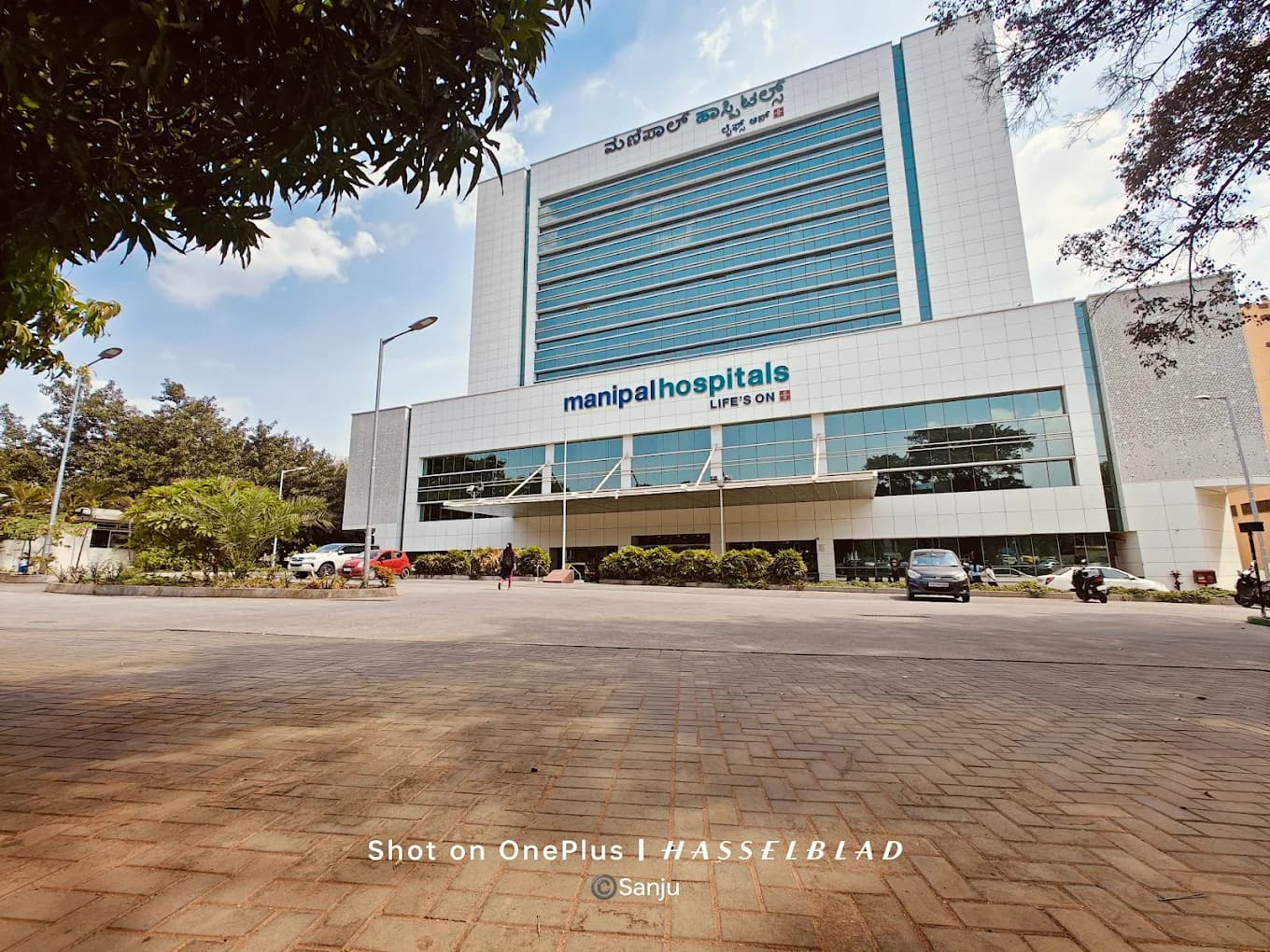
Manipal Hospital Old Airport Road

Manipal Hospital Old Airport Road

Bengaluru, India

Manipal Hospitals Old Airport Road is the flagship and founding campus of one of India's largest healthcare networks, established in 1991 on HAL Old Airport Road, Kodihalli, Bengaluru. Part of the Manipal Education and Medical Group (MEMG), the network spans 49 hospitals and 12,600+ beds across India. The Old Airport Road campus anchors the group's academic and clinical identity, housing specialist institutes including the Manipal Institute for Joint Replacement and Robotic Surgery (MIJRRS), the Manipal Robotic Spine Surgery centre (MIRSS), the Manipal Skull Base Institute (MSBI), and the Manipal Institute for Bariatric Surgery (MIBS). Its quaternary-level capabilities cover cardiology, oncology, neurosurgery, organ transplantation, orthopaedics, spine surgery, bariatric surgery, and paediatrics, all within a NABH and NABL accredited environment. The hospital provides dedicated international patient services through the Manipal Global network, with support for visa, travel, language, and end-to-end care coordination.

NABHNABL

264+

Specialists

600+

Beds

View Profile

Frequently asked questions

Absolutely — and we strongly encourage it. Our partner cancer centers offer formal multidisciplinary team (MDT) second-opinion reviews where a tumor board of gynecological oncologists, radiologists, and pathologists will re-examine your biopsy slides, imaging (CT/MRI/PET), and proposed treatment plan. You can submit your medical records digitally and receive a written second-opinion report within 5–7 business days, before committing to travel. This is especially valuable if you have been told you need cytoreductive (debulking) surgery or if your cancer is at an advanced stage. Many patients find the treatment plan is similar but the cost is dramatically lower, or that a less aggressive approach is feasible.

No fees. No commitment.

Our guidance is completely free

We are compensated by our partner hospitals — never by patients. You get independent clinical matching, cost transparency, and end-to-end coordination at no cost to you.

Message us on WhatsApp