
CureSureMedico
|
EN

Spine Surgery

Neurology

payments

Starting from

$3,000

Up to $15,000 depending on centre

schedule

Typical duration

10–21 days

Including pre-operative work-up

arrow_downwardlocal_hospital

Partner hospitals

3

Vetted for outcome data & accreditation

Dr. Rodina Ainasoa

Content reviewed for medical accuracy by: Dr. Rodina Ainasoa · Medical Content Writer & Health Communications

Overview

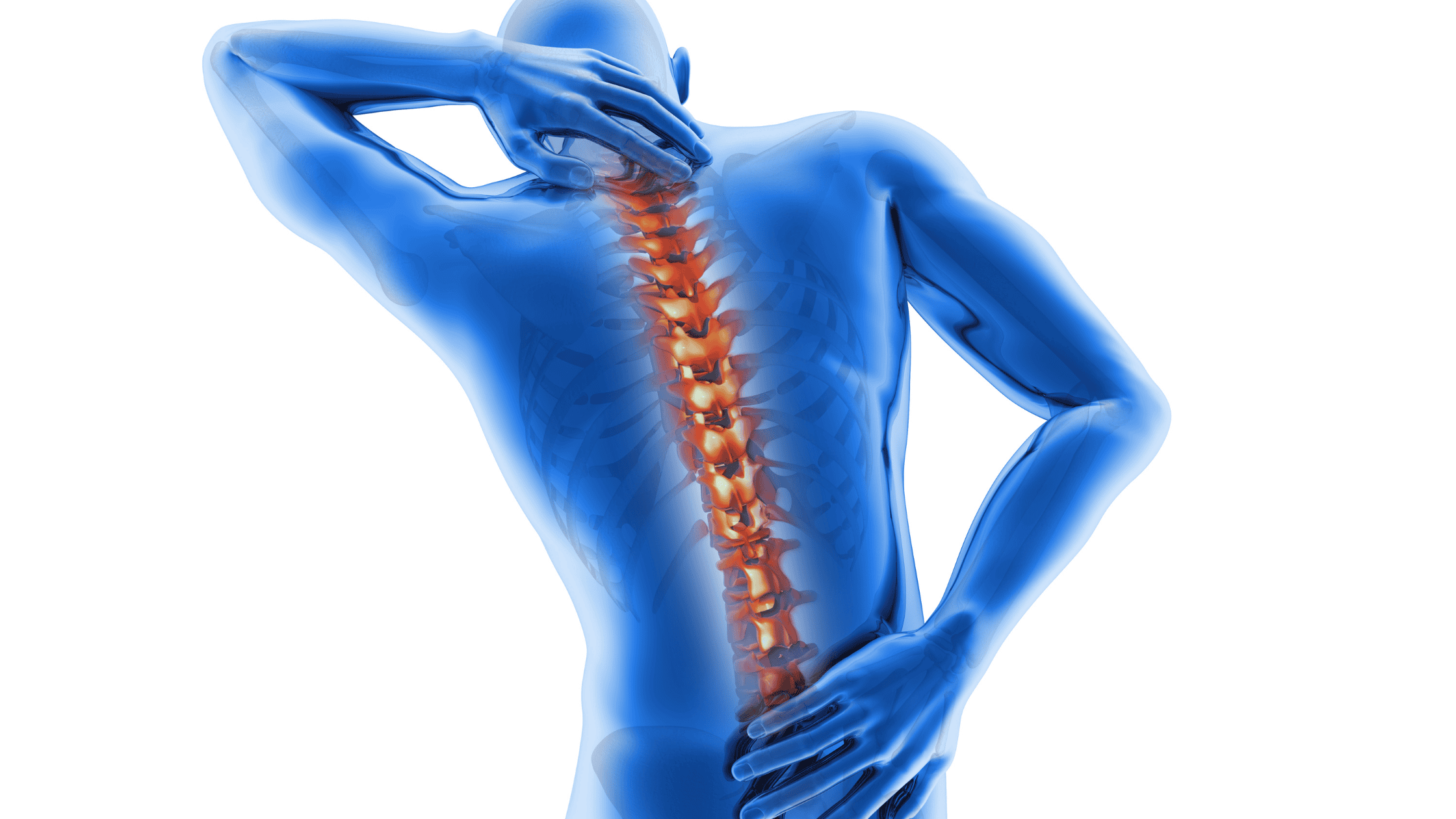
Comprehensive spine surgery programs offering both minimally invasive procedures and complex reconstructive surgery for spinal deformity, tumors, and instability, backed by robotic-assisted navigation and expert neurological monitoring. International patients gain access to cutting-edge spinal care at a fraction of US or European costs.

Your case is matched to a centre on the basis of clinical outcome data, not marketing. We coordinate every step — from pre-operative work-up to post-treatment follow-up — with a dedicated care coordinator.

What's included

Pre-operative spinal MRI, CT, and X-ray assessment
Neurosurgeon and neuro-anesthesiologist fees
Intraoperative neuromonitoring (SSEP/MEP)
Implants, screws, and cage hardware
Post-operative physiotherapy and mobilization
Discharge summary and telemedicine follow-up

Spine Surgery

Coordinated from

$3,000

or message us on WhatsApp

No commitment required. Your data is never shared with third parties.

Treatment approaches

Standard and robotic-assisted Spine Surgery

Standard Approach

Conventional MIS Lumbar Fusion (Tubular/Percutaneous)

$3,000

1021 days

Robotic-Assisted Option

Robotic-Assisted MIS Lumbar Fusion

$5,500

818 days

Comparing the two approaches

StandardRobotic-Assisted
ProcedureConventional MIS Lumbar Fusion (Tubular/Percutaneous)Robotic-Assisted MIS Lumbar Fusion
TechnologyConventional surgical instrumentsRobotic-assisted surgical system with surgeon oversight
AvailabilityHospital-dependentSelected hospitals with robotic capability
SpecialistProcedure specialistSpecialist with relevant robotic experience
Clinical suitabilityCase-dependentCase-dependent
Tariff$3,000–$15,000$5,500–$19,000
Duration10–21 days8–18 days

Eligibility for robotic-assisted treatment

  • Degenerative or spondylolisthesis-related instability confirmed on imaging as suitable for a percutaneous, screw-based minimally invasive fusion
  • No severe spinal deformity, extensive prior fusion hardware, or significant vertebral rotation that would complicate robotic registration and navigation
  • Preoperative CT-based planning and clinical review confirming candidacy for a robotic-navigated screw trajectory
  • Availability of the specific robotic/navigation platform (such as Mazor X, ExcelsiusGPS, or ROSA Spine) and a spine surgeon experienced with it at your selected hospital

Risks and limitations of robotic-assisted surgery

  • Robotic navigation does not eliminate the surgical risks of MIS spine surgery, including nerve injury, dural tear, and hardware misplacement requiring revision
  • The spine surgeon remains responsible for the procedure; robotic guidance is an aid to screw trajectory planning, not a substitute for surgical judgement
  • Current evidence shows robotic navigation improves pedicle screw placement accuracy and reduces radiation exposure to the surgical team compared with conventional fluoroscopy-guided MIS technique, but has not been shown to reduce intraoperative blood loss or clearly improve long-term fusion or functional outcomes
  • Robot setup and registration can add operating time, and availability depends on the individual hospital and the treating surgeon's specific experience with the platform — the system may need to be abandoned in favor of conventional technique if registration fails intraoperatively

Tariff structure

Standard procedure$3,000$15,000
Robotic-assisted technology fee+$2,500$4,000
Total estimated robotic-assisted tariff$5,500$19,000

Why can robotic-assisted procedures cost more?

Robotic-assisted procedures rely on additional technology and equipment beyond the standard operating platform and clinical team. This additional technology component is generally not included in standard case pricing.

Is robotic-assisted surgery always recommended?

No. Robotic-assisted surgery is not appropriate for every procedure or patient. Availability and suitability are determined by the treating specialist, based on your imaging, clinical condition, and the treating hospital's capabilities.

Global cost comparison — Spine Surgery

Average coordinated costs across our partner centres. Final pricing depends on clinical complexity and chosen hospital.

CountryAvg. costvs. cheapest
🇮🇳

India

New Delhi · Chennai · Bengaluru · Hyderabad · Mumbai · Kochi

Best value
$5,000
chevron_right
🇹🇷

Turkey

Istanbul

$10,000
chevron_right

Costs are indicative estimates and vary by procedure specifics, hospital, and clinical complexity. Request a personalised estimate for your specific case.

Cost & recovery by procedure

This treatment category covers several different operations with different levels of invasiveness, recovery times, and costs. The country averages above blend all of them together — use the breakdown below for a more realistic, procedure-specific estimate.

Minimally Invasive Lumbar Fusion

A tubular retractor and small incisions — instead of a wide open exposure — are used to fuse unstable lumbar vertebrae with a cage, bone graft, and screws (TLIF/PLIF). The fusion goal is the same as open surgery, but with less muscle disruption and blood loss.

Typical recovery · 6–8 weeks

Often same-day discharge to a 1–2 night stay — notably shorter than the 1–3 nights typical of open fusion; most patients walk within hours and return to desk work in 2–4 weeks, though the graft itself still needs 6–12 months to fully fuse, just as with open surgery.

India

$5,500–$10,000

Turkey

$5,500–$13,000

Thailand

Estimate pending verification — ask your care coordinator for a current quote

Spinal Deformity Correction

Rods, screws, and bone graft are used to straighten and stabilize a curved spine — for adult or adolescent scoliosis or kyphosis — realigning vertebrae across multiple segments, sometimes through combined front-and-back approaches for severe curves.

Typical recovery · 3–6 months

Hospital stay is typically 4–7 days, longer for combined anterior-posterior surgery; patients walk with physical therapy from day 1, but full return to normal activity takes 3–6 months, with complete fusion consolidation taking up to 12 months.

India

$4,000–$9,000

Turkey

$5,000–$15,000

Thailand

$14,000–$16,000

Spinal Tumor Resection

A tumor is removed from within or around the spinal cord or vertebrae, often via laminectomy, to relieve compression and achieve as complete a resection as possible — sometimes combined with instrumented stabilization if the bone removal destabilizes the spine.

Typical recovery · 3–4 weeks

Hospital stay generally runs 3–7 days depending on tumor size and location; recovery from the operation itself takes 3–4 weeks, but full recovery — including rehab for any neurological deficits the tumor caused — can take several months to over a year in complex cases.

India

$4,000–$12,000

Turkey

$5,000–$12,000

Thailand

Estimate pending verification — ask your care coordinator for a current quote

Cervical Spine Surgery

The most common cervical procedure removes a damaged disc from the front of the neck and fuses the adjacent vertebrae (ACDF) to relieve pressure on cervical nerve roots or the spinal cord; laminoplasty is an alternative that preserves neck motion for certain conditions.

Typical recovery · 4–6 weeks

Most patients go home within 24 hours, sometimes as day surgery; light activity and desk work typically resume in 3–6 weeks, while bone fusion and full neurological healing continue for up to 3–6 months.

India

$5,200–$8,000

Turkey

$5,000–$8,000

Thailand

Estimate pending verification — ask your care coordinator for a current quote

Robotic-Assisted Spine Surgery

A surgical robot with real-time navigation guides highly precise placement of pedicle screws and implants during fusion or deformity procedures, improving accuracy and reducing screw-related complications compared with freehand techniques.

Typical recovery · 4–8 weeks

Hospital stay and recovery closely track whatever underlying procedure (fusion or deformity correction) the robot assists with — typically 2–5 nights — with the main benefit being fewer screw misplacements and revision surgeries rather than a fundamentally different timeline.

India

$4,800–$10,900

Turkey

$9,600–$15,100

Thailand

Estimate pending verification — ask your care coordinator for a current quote

Cost ranges are indicative estimates for international patients and vary with implant choice, number of levels treated, surgeon, and hospital. Request a personalised quote for your specific case.

Clinical detail: AAOS OrthoInfo, Mayo Clinic Health System, Cleveland Clinic. Cost ranges cross-checked across multiple independent medical-tourism sources per country where marked; ranges flagged "pending verification" could not be independently confirmed at the time of writing.

Partner hospitals

3 centres
View all hospitals
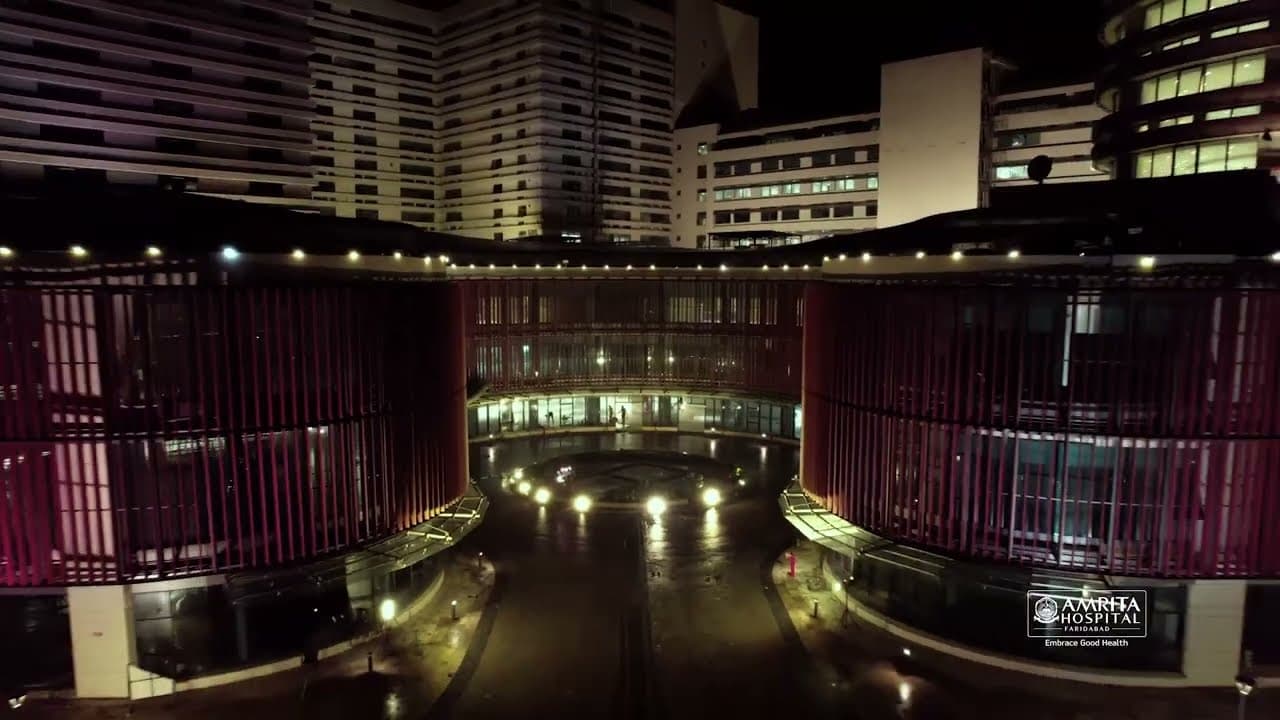
Amrita Hospital

Amrita Hospital

Faridabad, India

Asia's largest private hospital — 2,600 beds, 64 operation theatres, 81 specialties on a 130-acre campus in Delhi NCR. NABH & NABL accredited. Centres of excellence in oncology, cardiac surgery, BMT, organ transplantation, neurosciences, and IVF.

NABHNABL

800+

Specialists

2,600+

Beds

View Profile
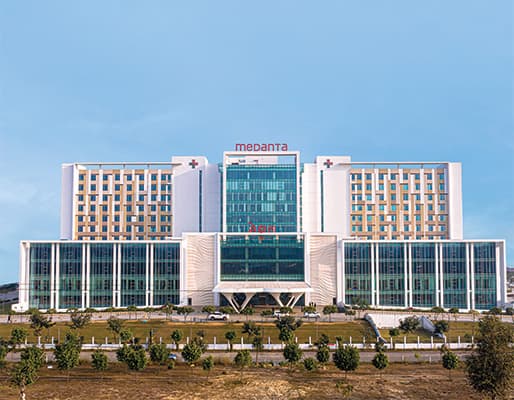
Medanta – The Medicity

Medanta – The Medicity

Gurugram, India

Medanta – The Medicity is India's #1 hospital (Newsweek World's Best Hospitals 2026), founded by renowned cardiovascular surgeon Dr. Naresh Trehan on a 43-acre campus in Sector 38, Gurugram. The flagship facility operates 1,391 beds including 270+ ICU beds, 40 operating theatres, and 900+ experienced physicians across 30+ specialties. Medanta is the only Indian private hospital to be consistently ranked among the world's top 150 medical facilities, and receives over 20,000 international patients annually from more than 130 countries. Its centres of excellence span cardiac care, oncology, neurosciences, organ transplantation, gastrosciences, and orthopaedics, backed by JCI, NABH, and NABL accreditation.

JCINABHNABL

900+

Specialists

1,391+

Beds

View Profile
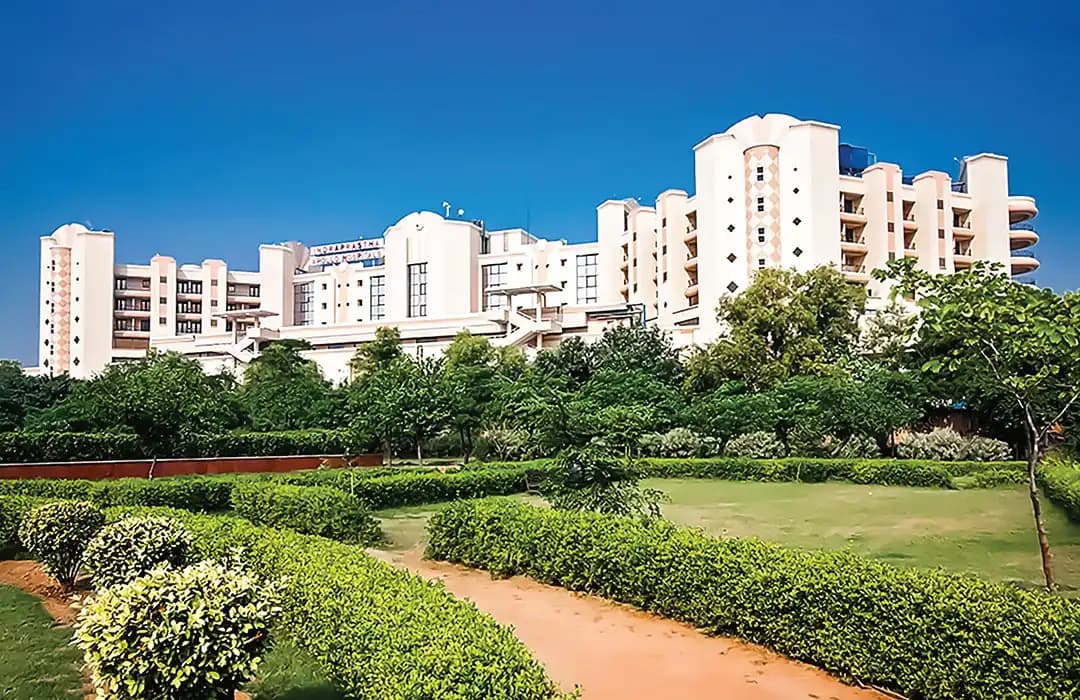
Indraprastha Apollo Hospital

Indraprastha Apollo Hospital

New Delhi, India

Indraprastha Apollo Hospital in Sarita Vihar, New Delhi is one of India's foremost multi-specialty tertiary care centres, part of the Apollo Hospitals network established by Dr. Prathap C Reddy in 1983. The 710-bed facility records 1,600+ daily OPD visits, 1,000+ international patient consultations monthly, and receives 5,000+ international patients per year from over 120 countries. Its Centres of Excellence span cardiac sciences, oncology, neurosciences, organ transplantation, nephrology, orthopaedics, gastroenterology, and bariatric surgery. The hospital is equipped with Da Vinci XI robotic systems, CyberKnife radiosurgery, 3 Tesla MRI, LINAC, ECMO, and a 3D neuro-navigation system.

JCINABHNABL

700+

Specialists

710+

Beds

View Profile

Frequently asked questions

Minimally invasive spine surgery uses small incisions, specialized retractors, and sometimes robotic guidance to reduce muscle damage, blood loss, and recovery time compared to traditional open surgery. Many patients are walking within 24 hours and discharged within 3–5 days.

No fees. No commitment.

Our guidance is completely free

We are compensated by our partner hospitals — never by patients. You get independent clinical matching, cost transparency, and end-to-end coordination at no cost to you.

Message us on WhatsApp