CureSureMedico
|
EN

Neonatal Respiratory Support & Ventilation

Neonatology

payments

Starting from

$1,000

Up to $8,000 depending on centre

schedule

Typical duration

7–60 days

Including pre-operative work-up

arrow_downwardlocal_hospital

Partner hospitals

2

Vetted for outcome data & accreditation

Dr. Rodina Ainasoa

Content reviewed for medical accuracy by: Dr. Rodina Ainasoa · Medical Content Writer & Health Communications

Overview

Comprehensive respiratory management for newborns with respiratory distress syndrome, transient tachypnoea, meconium aspiration, and pulmonary hypertension — from non-invasive CPAP and high-flow nasal cannula through conventional and high-frequency mechanical ventilation and surfactant replacement therapy. Partner NICUs offer the full spectrum of neonatal respiratory technology with specialist neonatologists experienced in weaning complex cases.

Your case is matched to a centre on the basis of clinical outcome data, not marketing. We coordinate every step — from pre-operative work-up to post-treatment follow-up — with a dedicated care coordinator.

What's included

Neonatal admission and respiratory assessment
CPAP, HFNC or mechanical ventilator management
Surfactant administration and inhaled nitric oxide if indicated
Neonatologist and respiratory therapy team fees
Parent education and interpreter services
Weaning protocol and discharge respiratory plan

Neonatal Respiratory Support & Ventilation

Coordinated from

$1,000

or message us on WhatsApp

No commitment required. Your data is never shared with third parties.

Global cost comparison — Neonatal Respiratory Support & Ventilation

Average coordinated costs across our partner centres. Final pricing depends on clinical complexity and chosen hospital.

CountryAvg. costvs. cheapest
🇮🇳

India

New Delhi · Chennai · Bengaluru · Hyderabad · Mumbai · Kochi

Best value
$1,500
chevron_right
🇹🇷

Turkey

Istanbul

$4,000
chevron_right

Costs are indicative estimates and vary by procedure specifics, hospital, and clinical complexity. Request a personalised estimate for your specific case.

Cost & recovery by procedure

This treatment category covers several different operations with different levels of invasiveness, recovery times, and costs. The country averages above blend all of them together — use the breakdown below for a more realistic, procedure-specific estimate.

CPAP & High-Flow Nasal Cannula

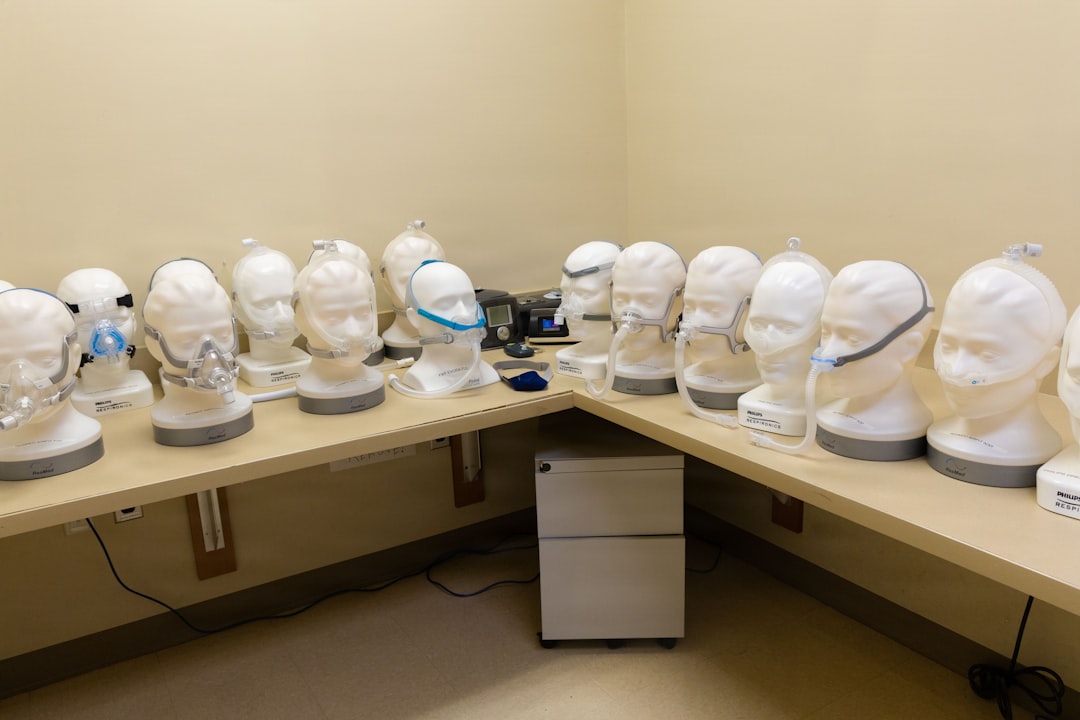
Continuous Positive Airway Pressure and heated humidified high-flow nasal cannula are non-invasive methods that keep the lungs' air sacs open using prongs in the nose, without a breathing tube. They are the first-line support for mild-to-moderate respiratory distress and are escalated to invasive ventilation only if the baby cannot maintain adequate breathing on this level of support.

Typical recovery · Typically 2–7 days of support

This is ongoing respiratory support rather than a one-off procedure — flow or pressure is weaned gradually as the baby's own breathing effort and oxygen requirement improve, guided by daily clinical review. Most babies with mild-to-moderate disease wean off within several days; premature infants recovering from more significant lung disease may need CPAP or HFNC support for one to several weeks, sometimes stepping back onto it after a period of higher-level support.

India

$100–$250 per day

Turkey

Estimate pending verification — ask your care coordinator for a current quote

Thailand

Estimate pending verification — ask your care coordinator for a current quote

Invasive Mechanical Ventilation

A breathing tube placed through the vocal cords connects the baby to a ventilator that fully or partially takes over breathing. It is used when non-invasive support is not enough — severe respiratory distress syndrome, apnoea unresponsive to other measures, or need for surfactant delivery via the tube — and carries a higher risk of lung injury the longer it continues, so neonatologists aim to extubate as early as safely possible.

Typical recovery · Typically 2–10 days on the ventilator

Average ventilation time for straightforward cases is often just 2–4 days under a structured weaning protocol, but extremely premature or more severely affected infants can require one to several weeks of invasive ventilation, with daily assessment of readiness to extubate onto CPAP or HFNC. Extended courses raise the risk of chronic lung disease (bronchopulmonary dysplasia), which is why weaning is reviewed continuously rather than on a fixed schedule.

India

$180–$400 per day

Turkey

Estimate pending verification — ask your care coordinator for a current quote

Thailand

Estimate pending verification — ask your care coordinator for a current quote

Surfactant Replacement Therapy

A liquid surfactant preparation is instilled directly into the lungs via a breathing tube or a thin catheter (the less invasive LISA technique) to replace the substance premature lungs cannot yet produce in sufficient quantity, which keeps the tiny air sacs from collapsing. It is given as early as possible to babies with respiratory distress syndrome, with repeat doses if oxygen requirement remains high.

Typical recovery · Single dose, repeated within 6–12 hours if needed

This is a discrete intervention rather than an ongoing therapy: most babies receive one to three doses in the first day or two of life, with visible improvement in oxygen requirement within minutes to hours of each dose. It is usually given alongside CPAP or mechanical ventilation, and does not by itself determine total NICU length of stay.

India

$400–$900 per dose

Turkey

Estimate pending verification — ask your care coordinator for a current quote

Thailand

Estimate pending verification — ask your care coordinator for a current quote

Inhaled Nitric Oxide Therapy

Nitric oxide gas is blended into the ventilator circuit and inhaled to relax the blood vessels in the lungs, used for persistent pulmonary hypertension of the newborn (PPHN) or severe hypoxic respiratory failure where oxygen levels remain critically low despite maximal ventilator support. It requires invasive or non-invasive ventilation to deliver and continuous monitoring for methaemoglobin levels.

Typical recovery · Typically 3–7 days of therapy

Treatment is titrated to the baby's oxygenation response and weaned gradually — abrupt stopping can cause a rebound worsening of pulmonary hypertension, so the dose is reduced in small steps over days once the underlying condition improves. Most courses run under a week, though babies with severe PPHN or associated conditions (such as meconium aspiration or congenital diaphragmatic hernia) may need it for longer alongside prolonged ventilation.

India

Estimate pending verification — ask your care coordinator for a current quote

Turkey

Estimate pending verification — ask your care coordinator for a current quote

Thailand

Estimate pending verification — ask your care coordinator for a current quote

Cost ranges are indicative estimates for international patients and vary with implant choice, number of levels treated, surgeon, and hospital. Request a personalised quote for your specific case.

Clinical detail: AAOS OrthoInfo, Mayo Clinic Health System, Cleveland Clinic. Cost ranges cross-checked across multiple independent medical-tourism sources per country where marked; ranges flagged "pending verification" could not be independently confirmed at the time of writing.

Partner hospitals

2 centres
View all hospitals
Amrita Hospital

Amrita Hospital

Faridabad, India

Asia's largest private hospital — 2,600 beds, 64 operation theatres, 81 specialties on a 130-acre campus in Delhi NCR. NABH & NABL accredited. Centres of excellence in oncology, cardiac surgery, BMT, organ transplantation, neurosciences, and IVF.

NABHNABL

800+

Specialists

2,600+

Beds

View Profile
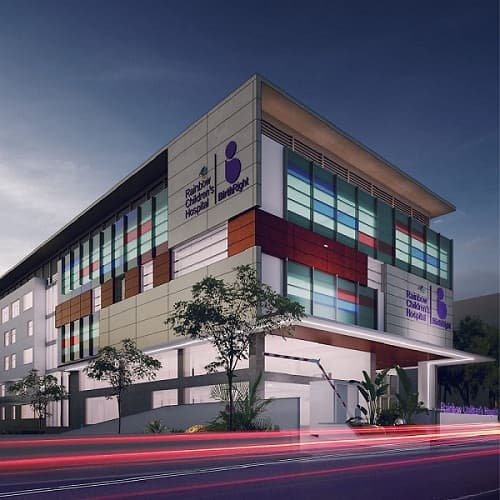
Rainbow Children’s Hospital

Rainbow Children’s Hospital

Hyderabad, India

Rainbow Children's Hospitals is India's foremost dedicated pediatric, women's, and fertility care hospital chain, operating 24 hospitals with 2,400+ beds and 1,300+ doctors across Hyderabad, Bengaluru, Chennai, Delhi, Guwahati, Vijayawada, Visakhapatnam, Warangal, and Rajahmundry. Headquartered in Hyderabad, the group has delivered 2 lakh+ babies and served 12.5 lakh+ patients across 40+ clinical specialties. Its child care centres of excellence cover general paediatrics, neonatal ICU, paediatric cardiology, haematology and oncology, nephrology, neurosurgery, and bone marrow transplantation. The women's care programme spans obstetrics, high-risk pregnancy, fetal medicine, painless delivery, and gynaecological surgery, while the fertility division — established in 2010 — offers IVF, ICSI, embryo transfer, cryopreservation, and donor treatments. Rainbow Hospitals received the Outlook Health Awards 2023 for excellence in paediatric and women's healthcare.

JCINABH

1,300+

Specialists

2,400+

Beds

View Profile

Frequently asked questions

CPAP (Continuous Positive Airway Pressure) and high-flow nasal cannula are non-invasive methods that help keep the lungs open without requiring a breathing tube — they are preferred for less severe respiratory distress and are associated with fewer complications. Mechanical ventilation via an endotracheal tube is reserved for babies who cannot maintain adequate breathing on their own. Modern NICUs aim to minimise intubation time using early surfactant and non-invasive support, which reduces the risk of chronic lung disease.

No fees. No commitment.

Our guidance is completely free

We are compensated by our partner hospitals — never by patients. You get independent clinical matching, cost transparency, and end-to-end coordination at no cost to you.

Message us on WhatsApp