

CureSureMedico
|
EN

Neonatal Surgery

Neonatology

payments

Starting from

$2,000

Up to $15,000 depending on centre

schedule

Typical duration

14–60 days

Including pre-operative work-up

arrow_downwardlocal_hospital

Partner hospitals

2

Vetted for outcome data & accreditation

Dr. Rodina Ainasoa

Content reviewed for medical accuracy by: Dr. Rodina Ainasoa · Medical Content Writer & Health Communications

Overview

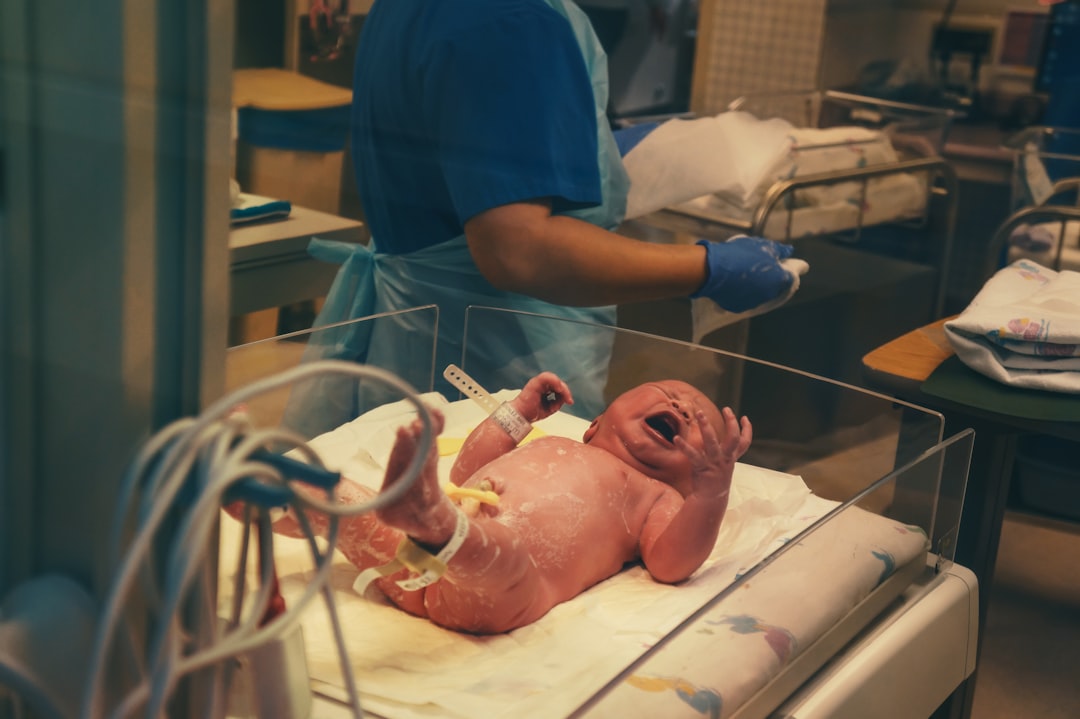
Specialised surgical correction of life-threatening congenital anomalies in newborns — including gastroschisis, tracheo-oesophageal fistula, intestinal atresia, and diaphragmatic hernia — performed by paediatric surgeons trained in neonatal anaesthesia and intensive post-operative care. Families seek accredited centres abroad where neonatal surgical volumes are high and costs significantly lower than in private Western hospitals.

Your case is matched to a centre on the basis of clinical outcome data, not marketing. We coordinate every step — from pre-operative work-up to post-treatment follow-up — with a dedicated care coordinator.

What's included

Pre-surgical neonatal stabilisation and imaging
Paediatric surgeon and neonatal anaesthesia team fees
Surgery and post-operative NICU admission
Stoma care nursing and wound management
Interpreter, family liaison coordinator, and parent accommodation guidance
Discharge planning and international follow-up protocol

Neonatal Surgery

Coordinated from

$2,000

or message us on WhatsApp

No commitment required. Your data is never shared with third parties.

Global cost comparison — Neonatal Surgery

Average coordinated costs across our partner centres. Final pricing depends on clinical complexity and chosen hospital.

CountryAvg. costvs. cheapest
🇮🇳

India

New Delhi · Chennai · Bengaluru · Hyderabad · Mumbai · Kochi

Best value
$3,000
chevron_right
🇹🇷

Turkey

Istanbul

$8,000
chevron_right

Costs are indicative estimates and vary by procedure specifics, hospital, and clinical complexity. Request a personalised estimate for your specific case.

Cost & recovery by procedure

This treatment category covers several different operations with different levels of invasiveness, recovery times, and costs. The country averages above blend all of them together — use the breakdown below for a more realistic, procedure-specific estimate.

Gastroschisis & Omphalocele Repair

Gastroschisis (bowel protruding through a defect beside the umbilical cord, with no protective sac) and omphalocele (organs protruding through the umbilical ring, covered by a sac) are both repaired by returning the bowel and any other exposed organs to the abdominal cavity and closing the abdominal wall — done in a single operation shortly after birth when possible, or gradually over several days using a temporary silo pouch when the abdomen is too small to hold everything at once.

Typical recovery · 3–6 weeks NICU

Babies go to the NICU immediately after birth for stabilisation before surgery. Recovery length depends heavily on how the bowel handles being returned to the abdomen and how quickly gut function resumes — many babies need 2–4 weeks before oral or tube feeds are fully established, with total NICU stays commonly running 3–6 weeks and longer for babies who needed staged closure or have associated bowel injury. Follow-up watches for feeding tolerance and, less commonly, bowel narrowing that needs later correction.

India

Estimate pending verification — ask your care coordinator for a current quote

Turkey

Estimate pending verification — ask your care coordinator for a current quote

Thailand

Estimate pending verification — ask your care coordinator for a current quote

Tracheo-oesophageal Fistula (TOF) Repair

In tracheo-oesophageal fistula with oesophageal atresia, the food pipe ends in a pouch instead of connecting to the stomach, and is usually also abnormally connected to the windpipe. Surgery — typically performed within the first days of life — separates the abnormal connection to the airway and joins the two ends of the oesophagus together, most often through a small incision between the ribs.

Typical recovery · 2–4 weeks NICU

Babies remain ventilated and sedated for the first several days after surgery to protect the new join while it heals, then are gradually weaned onto tube and then oral feeds over 1–2 weeks once an X-ray confirms it is intact. For babies without a major heart defect or very low birth weight, survival is high, but stricture at the join is a recognised long-term issue that can need repeat stretching procedures during follow-up, and some babies have lasting swallowing or reflux difficulties.

India

Estimate pending verification — ask your care coordinator for a current quote

Turkey

Estimate pending verification — ask your care coordinator for a current quote

Thailand

Estimate pending verification — ask your care coordinator for a current quote

Intestinal Atresia Correction

A segment of small or large bowel that failed to form or lost its blood supply before birth causes a physical blockage. Surgery removes the affected segment and rejoins the healthy bowel ends; if the two ends are very mismatched in size or the bowel is unwell, a temporary stoma (bowel opening onto the skin) may be created instead, with reconnection done as a second operation later.

Typical recovery · 2–4 weeks NICU

A nasogastric tube drains the stomach while the bowel above the repair recovers its function, which can take anywhere from several days to two weeks depending on how much bowel was affected. Feeds are then reintroduced gradually over the following week, with hospital stays typically running 2–4 weeks; babies who needed a stoma require additional care for stoma output and a later closure procedure.

India

Estimate pending verification — ask your care coordinator for a current quote

Turkey

Estimate pending verification — ask your care coordinator for a current quote

Thailand

Estimate pending verification — ask your care coordinator for a current quote

Congenital Diaphragmatic Hernia (CDH) Repair

A hole in the diaphragm — present from early in pregnancy — allows abdominal organs to sit in the chest, which can restrict lung development before birth. Surgery repositions the organs into the abdomen and closes the diaphragm defect, either by stitching the muscle directly or, for larger defects, placing a synthetic patch; it is performed only once the baby is medically stable, sometimes after one or more weeks of intensive respiratory support.

Typical recovery · 6–10 weeks NICU

This is the most variable of the four conditions: outcomes depend heavily on how well the lungs developed before birth and how severe the case is. Typical NICU stays for survivors run roughly 6–10 weeks, and some infants need ECMO (heart-lung bypass support) before or after surgery. Survival varies significantly by severity and centre — broadly in the range of 3 in 4 to 9 in 10 babies at experienced centres — and a meaningful share of survivors go home needing supplemental oxygen or a feeding tube, with ongoing respiratory, growth, and developmental follow-up.

India

Estimate pending verification — ask your care coordinator for a current quote

Turkey

Estimate pending verification — ask your care coordinator for a current quote

Thailand

Estimate pending verification — ask your care coordinator for a current quote

Cost ranges are indicative estimates for international patients and vary with implant choice, number of levels treated, surgeon, and hospital. Request a personalised quote for your specific case.

Clinical detail: AAOS OrthoInfo, Mayo Clinic Health System, Cleveland Clinic. Cost ranges cross-checked across multiple independent medical-tourism sources per country where marked; ranges flagged "pending verification" could not be independently confirmed at the time of writing.

Partner hospitals

2 centres
View all hospitals
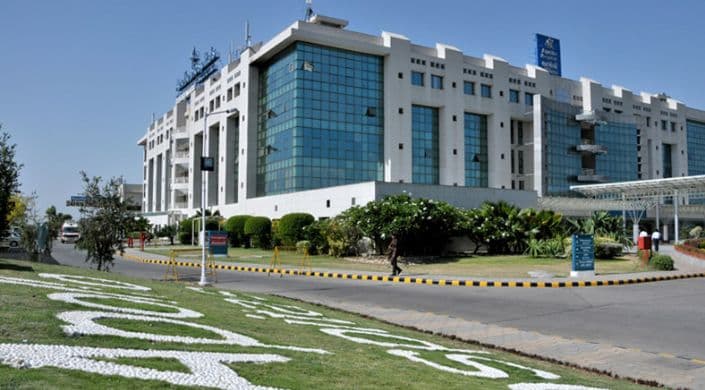
Amrita Hospital

Amrita Hospital

Faridabad, India

Asia's largest private hospital — 2,600 beds, 64 operation theatres, 81 specialties on a 130-acre campus in Delhi NCR. NABH & NABL accredited. Centres of excellence in oncology, cardiac surgery, BMT, organ transplantation, neurosciences, and IVF.

NABHNABL

800+

Specialists

2,600+

Beds

View Profile
Apollo Hospitals Chennai

Apollo Hospitals Chennai

Chennai, India

Apollo Hospitals Chennai — India's first private hospital (1983), home to South East Asia's first Proton Therapy Centre and Asia Pacific's first CyberKnife system. JCI & NABH accredited. Specialises in oncology, cardiac surgery, organ transplantation, and neurosciences.

JCINABH

650+

Specialists

700+

Beds

View Profile

Frequently asked questions

Our partner centres are high-volume tertiary paediatric hospitals where neonatal surgeons operate on these conditions regularly. Volume matters greatly in neonatal surgery — we only refer to centres performing at least 30–50 major neonatal procedures per year per surgeon. Case-specific outcome data is available on request before any referral is finalised.

No fees. No commitment.

Our guidance is completely free

We are compensated by our partner hospitals — never by patients. You get independent clinical matching, cost transparency, and end-to-end coordination at no cost to you.

Message us on WhatsApp