
CureSureMedico
|
EN

Root Canal Therapy

Dental

payments

Starting from

$100

Up to $2,500 depending on centre

schedule

Typical duration

2–5 days

Including pre-operative work-up

arrow_downwardlocal_hospital

Partner hospitals

1

Vetted for outcome data & accreditation

Dr. Rodina Ainasoa

Content reviewed for medical accuracy by: Dr. Rodina Ainasoa · Medical Content Writer & Health Communications

Overview

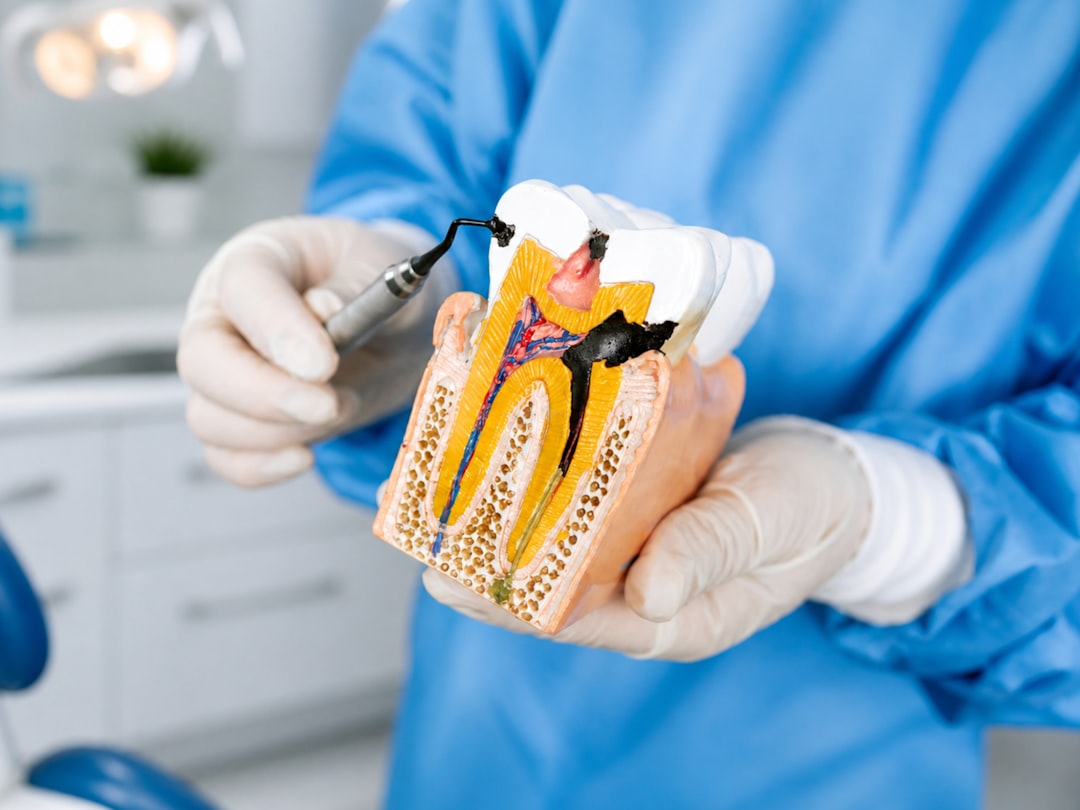
Root canal therapy (endodontic treatment) removes infected or damaged pulp from inside a tooth, relieving pain and saving the natural tooth from extraction. With single-visit rotary endodontic technology, patients travelling abroad can have a root canal completed and crowned within just a few days at dramatically lower costs.

Your case is matched to a centre on the basis of clinical outcome data, not marketing. We coordinate every step — from pre-operative work-up to post-treatment follow-up — with a dedicated care coordinator.

What's included

Diagnostic X-rays and clinical examination
Root canal treatment (all canals, all visits during stay)
Temporary or permanent crown placement
Prescribed antibiotics and pain relief medications
Post-procedure follow-up before departure
Patient coordinator support and documentation for home dentist

Root Canal Therapy

Coordinated from

$100

or message us on WhatsApp

No commitment required. Your data is never shared with third parties.

Single-Visit vs. Multi-Visit Root Canal

Root canal treatment can be completed in one appointment or staged across two or more visits, depending on the tooth's condition. Here is how the two approaches compare.

ParameterSingle-Visit RCTMulti-Visit RCT
Number of appointmentsOne appointment — the canals are cleaned, disinfected, and filled in a single sitting.Two or more appointments, with a temporary medicated dressing placed inside the tooth between visits.
Typical chair timeUsually about 60-90 minutes in one sitting, per Cleveland Clinic.Split across two or more shorter appointments, typically scheduled roughly one to two weeks apart.
Best suited forStraightforward cases with accessible canal anatomy and no acute infection requiring drainage time.Teeth with heavy infection, pus drainage, complex or curved canal anatomy, or significant pre-treatment pain.
Postoperative painSystematic reviews find no significant difference in postoperative pain compared with multi-visit treatment.Comparable postoperative pain to single-visit treatment; the interim medicated dressing can help calm more heavily infected teeth between appointments.
Overall long-term success rateNo significant difference from multi-visit treatment — primary root canal treatment has a published long-term success rate of roughly 85-97%, per peer-reviewed follow-up studies.No significant difference from single-visit treatment — primary root canal treatment has a published long-term success rate of roughly 85-97%, per peer-reviewed follow-up studies.

The Procedure: Step by Step

The steps below outline a typical root canal treatment. Your dentist or endodontist will confirm the exact plan for your tooth, including whether it can be completed in one visit or requires staging.

1

Numbing and isolation

The tooth and surrounding gum are numbed with local anaesthesia, and a rubber dam is placed to isolate the tooth and keep the treatment area clean and dry.

2

Accessing and removing the pulp

The dentist creates a small opening in the crown of the tooth to reach the pulp chamber, then removes the infected or damaged pulp tissue using fine endodontic instruments.

3

Cleaning, shaping, and filling the canals

The empty root canals are cleaned, disinfected, and shaped, then filled and sealed with a rubbery biocompatible material called gutta-percha to prevent reinfection.

4

Temporary seal and restoration planning

A temporary filling is placed to protect the tooth until the permanent crown is ready, and your dentist plans the permanent restoration needed to protect the treated tooth long-term.

Recovery Timeline

Recovery Timeline
First 24-48 hours

Mild tenderness in the tooth and jaw is common as the anaesthesia wears off; over-the-counter pain relief is usually sufficient, and most patients return to work or normal activities the same day, per the American Association of Endodontists.

First few days

Stick to soft foods and avoid chewing on the treated tooth until any temporary filling is replaced; most people recover in less than a week, with any lingering sensitivity resolving during this time, per Mayo Clinic and Cleveland Clinic.

Days to ~2 weeks

The permanent crown or other restoration is typically fitted at a follow-up visit once the tooth has settled; until then, avoid biting hard foods directly on the treated tooth to reduce the risk of fracture before it is fully protected.

Ongoing

Once restored with a permanent crown, a root-canal-treated tooth can function normally for years with routine dental check-ups and good oral hygiene; contact your dentist promptly if you develop worsening pain, swelling, or fever.

Source: American Association of Endodontists; Mayo Clinic; Cleveland Clinic. Individual recovery varies and is guided by your treating dentist or endodontist.

Known Risks & Limitations

  • Postoperative discomfort and tenderness in the days following treatment are common and usually resolve with over-the-counter pain relief, per the American Association of Endodontists and Mayo Clinic.
  • Missed or untreated canals — an extra canal that a clinician does not detect or fully clean — are a recognised cause of later treatment failure; studies report missed canals in roughly 12-23% of previously treated teeth reviewed on imaging, underscoring the value of magnification and, where needed, cone-beam CT during treatment.
  • Instrument separation (a small endodontic file fracturing inside the canal) is an uncommon but recognised complication, with published incidence estimates ranging from under 1% to around 10% depending on instrument type and technique, per peer-reviewed endodontic literature.
  • Root canal retreatment may be needed if the tooth fails to heal or becomes reinfected; retreatment itself carries a somewhat lower reported success rate (roughly 75-87%) than a first-time root canal, per peer-reviewed retreatment studies.
  • In a minority of cases where infection is severe, tooth anatomy is unfavourable, or retreatment does not resolve the problem, extraction followed by an implant or bridge may ultimately be recommended instead, per Cleveland Clinic.

Source: American Association of Endodontists; Mayo Clinic; Cleveland Clinic; peer-reviewed endodontic literature. No procedure is without risk; your treating dentist or endodontist will review your individual case.

The CureSureMedico Care Pathway

Remote case review

Share your dental X-rays, symptoms, and any prior treatment history with our coordination team, who forward your case for an initial review of suitability for single-visit or multi-visit treatment abroad.

Dentist and lab matching

We match you with an accredited dental clinic experienced in endodontic treatment and, where a same-trip crown is planned, an in-house or partner dental laboratory.

Cost estimate and travel planning

Once your case is reviewed, we issue a consolidated cost estimate covering the root canal treatment, medications, and crown if included, and help plan a trip length that matches whether your case is likely to need one visit or two.

Treatment and crown fitting

You attend your root canal appointment(s) and, in most straightforward cases, return within two to three days for a digital scan and fitting of your permanent crown before departure.

Follow-up and continuity of care

Before you depart, your treatment records and any restoration details are shared with your home-country dentist so they can monitor healing and provide ongoing care if needed.

Global cost comparison — Root Canal Therapy

Average coordinated costs across our partner centres. Final pricing depends on clinical complexity and chosen hospital.

CountryAvg. costvs. cheapest
🇮🇳

India

New Delhi · Chennai · Bengaluru · Hyderabad · Mumbai · Kochi

Best value✓ Verified
$400
chevron_right
🇹🇷

Turkey

Istanbul

✓ Verified
$700
chevron_right

Costs are indicative estimates and vary by procedure specifics, hospital, and clinical complexity. Request a personalised estimate for your specific case.

Cost & recovery by procedure

This treatment category covers several different operations with different levels of invasiveness, recovery times, and costs. The country averages above blend all of them together — use the breakdown below for a more realistic, procedure-specific estimate.

Single-Visit Root Canal

The infected or inflamed pulp inside a single-rooted tooth (typically a front tooth or premolar) is removed, the canal is cleaned, shaped, and disinfected with rotary instruments, then sealed in one appointment, relieving pain and saving the natural tooth.

Typical recovery · 24–48 hours

Most patients feel mild soreness or tenderness for 24–48 hours, managed with over-the-counter pain relief, and can resume normal eating and activity the next day. A permanent or temporary crown may be fitted at the same visit or shortly after; watch for lingering pain, swelling, or a fever, which can signal the infection has not fully resolved.

India

$150–$300

Turkey

$200–$400

Thailand

$250–$500

Multi-Visit Root Canal

For molars with multiple, curved, or heavily infected canals, treatment is staged across two or more visits: the pulp is removed and the canal system disinfected and dressed with a medicated filling, then sealed permanently once the infection has settled.

Typical recovery · 1–2 weeks (across visits)

Soreness is typical for a day or two after each visit; between appointments an antibacterial dressing controls the infection, with the whole course usually completed within 1–2 weeks while travelling. Watch for increasing pain, swelling, or the temporary filling coming loose, which should be reported to the clinic promptly.

India

$200–$400

Turkey

$250–$450

Thailand

$300–$550

Root Canal Retreatment

A previous root canal that has failed — due to reinfection, a missed canal, or a fractured filling — is reopened, the old filling material removed, the canal system recleaned and reshaped, and then resealed, giving the tooth another chance before extraction is considered.

Typical recovery · 2–4 days

Retreatment is technically more demanding than a first-time root canal and may involve slightly more discomfort for 2–4 days afterward. Success rates are somewhat lower than for initial treatment, so the dentist will discuss whether an apicoectomy or extraction is a better option if retreatment is unlikely to resolve the infection; persistent pain or swelling should be reported immediately.

India

$250–$450

Turkey

$300–$550

Thailand

Estimate pending verification — ask your care coordinator for a current quote

Post, Core & Crown After RCT

Once the root canal is complete, a treated tooth (especially a molar) is often structurally weakened, so a supporting post and core build-up are placed inside the canal space and topped with a custom crown to protect the tooth from fracture and restore full chewing function.

Typical recovery · 1–2 visits

Placement of the post, core, and crown is generally painless and low-discomfort, usually completed within one to two visits a few days to weeks after the root canal itself, once any digital impressions or the crown fabrication is ready. Avoid biting hard foods directly on the tooth until the crown is fully cemented; report any bite that feels uneven or a crown that comes loose.

India

$150–$400

Turkey

$200–$500

Thailand

$300–$600

Cost ranges are indicative estimates for international patients and vary with implant choice, number of levels treated, surgeon, and hospital. Request a personalised quote for your specific case.

Clinical detail: AAOS OrthoInfo, Mayo Clinic Health System, Cleveland Clinic. Cost ranges cross-checked across multiple independent medical-tourism sources per country where marked; ranges flagged "pending verification" could not be independently confirmed at the time of writing.

Partner hospitals

1 centres
View all hospitals
Amrita Hospital

Amrita Hospital

Faridabad, India

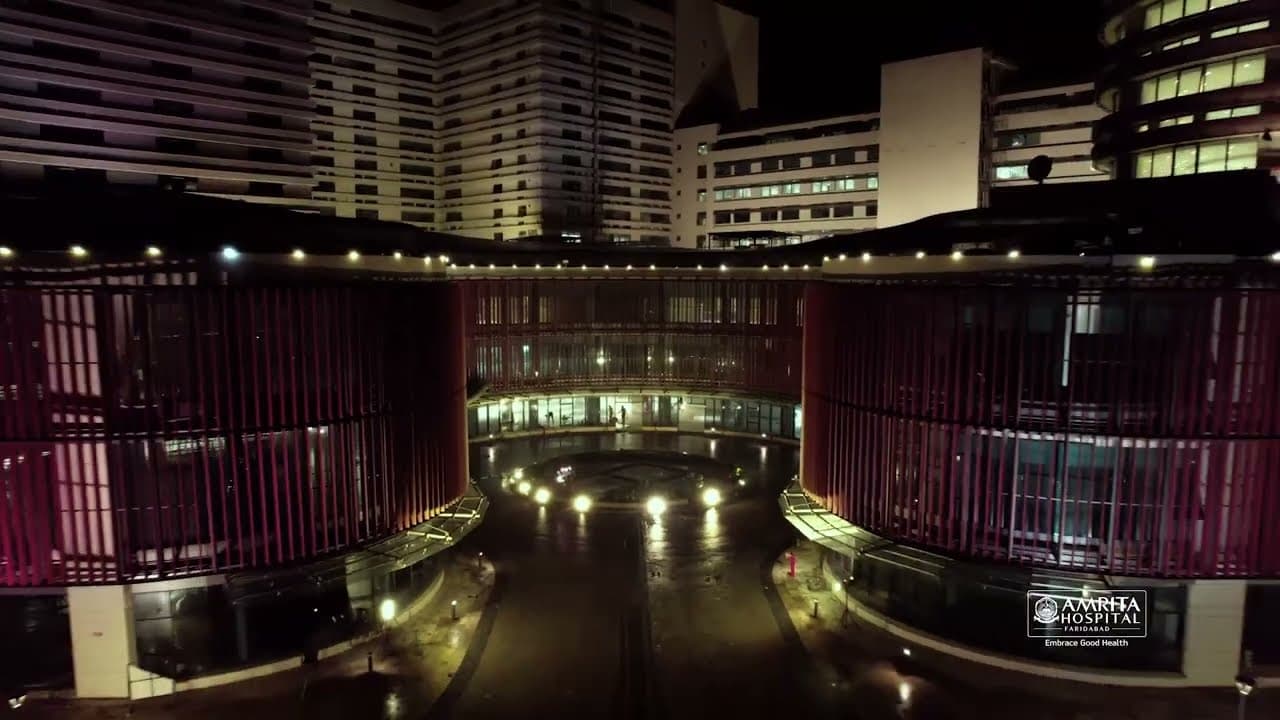
Asia's largest private hospital — 2,600 beds, 64 operation theatres, 81 specialties on a 130-acre campus in Delhi NCR. NABH & NABL accredited. Centres of excellence in oncology, cardiac surgery, BMT, organ transplantation, neurosciences, and IVF.

NABHNABL

800+

Specialists

2,600+

Beds

View Profile

Frequently asked questions

Yes — root canal therapy is a routine outpatient procedure and most patients experience only mild soreness for 24–48 hours afterward. Single-visit rotary root canals are typically completed in one to two hours, and you can fly home the following day. For multi-visit cases involving heavy infection, the dentist may place a temporary dressing and prescribe antibiotics between appointments before sealing the tooth, which may require an extra one to two days in-country. The clinic will provide written post-operative instructions and their emergency contact details in case you experience unexpected discomfort after returning home.

No fees. No commitment.

Our guidance is completely free

We are compensated by our partner hospitals — never by patients. You get independent clinical matching, cost transparency, and end-to-end coordination at no cost to you.

Message us on WhatsApp