

CureSureMedico
|
EN

Coronary artery bypass surgery (CABG)

Cardiology

payments

Starting from

$4,500

Up to $22,000 depending on centre

schedule

Typical duration

14–21 days

Including pre-operative work-up

arrow_downwardlocal_hospital

Partner hospitals

3

Vetted for outcome data & accreditation

Dr. Rodina Ainasoa

Content reviewed for medical accuracy by: Dr. Rodina Ainasoa · Medical Content Writer & Health Communications

Overview

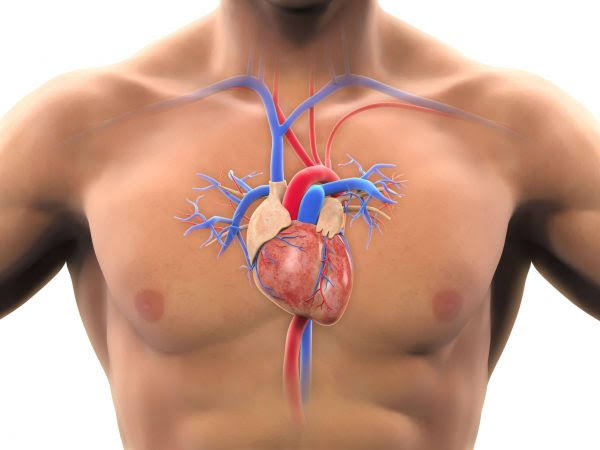
Coronary artery bypass grafting restores blood flow to the heart by routing vessels around blocked coronary arteries, offering life-changing relief from severe angina and reduced heart attack risk. International patients access JCI-accredited cardiac centres in India and Turkey at 70–80% lower cost than comparable Western hospitals, without compromising on surgical volume or outcomes.

Your case is matched to a centre on the basis of clinical outcome data, not marketing. We coordinate every step — from pre-operative work-up to post-treatment follow-up — with a dedicated care coordinator.

What's included

Pre-operative cardiac evaluation including echocardiogram, angiogram review, and blood work
Surgeon and anaesthesiologist fees for the bypass procedure
ICU stay (typically 2–3 days) and post-surgical ward admission
Implant costs for grafts and surgical hardware
Dedicated international patient coordinator for logistics and communication
In-hospital physiotherapy and cardiac rehabilitation sessions
Discharge summary, imaging reports, and 30-day remote follow-up consultation

Coronary artery bypass surgery (CABG)

Coordinated from

$4,500

or message us on WhatsApp

No commitment required. Your data is never shared with third parties.

On-Pump CABG vs. Off-Pump CABG

Both approaches bypass blocked coronary arteries with a healthy vessel graft — the difference is whether a heart-lung machine takes over circulation during surgery. Your cardiac surgeon will recommend the approach best suited to your anatomy and overall risk profile.

ParameterOn-Pump CABGOff-Pump CABG (OPCAB)
Heart-lung machineUsed — the heart is stopped and a bypass machine takes over circulationNot used — the surgeon operates while the heart continues beating
Typical surgery length3 to 6 hours3 to 6 hours
Short-term stroke riskAround 1.78% in a 2024 meta-analysisAround 1.27% in the same meta-analysis — a modest short-term reduction
Long-term mortalityAround 21.0% in long-term follow-up in the same meta-analysisAround 21.8% in long-term follow-up — slightly higher, with more mid-term repeat procedures
Best suited forMost patients, especially multivessel disease requiring precise, motionless graftingSelected patients where surgeons are highly experienced in the beating-heart technique

The Procedure: Step by Step

CABG surgery typically takes three to six hours, according to Cleveland Clinic. The core stages below describe a standard on-pump bypass.

1

Open the chest and access the heart

The surgeon makes an incision in the chest, divides the breastbone, and gently retracts it to access the heart.

2

Harvest the bypass graft

A healthy blood vessel — typically from the chest wall (internal mammary artery), leg (saphenous vein), or arm (radial artery) — is harvested for use as the graft.

3

Support circulation and connect the graft

For on-pump CABG, a heart-lung machine takes over circulation while the heart is temporarily stopped; for off-pump CABG, the surgeon stabilises the target area while the heart keeps beating. The graft is then sewn in place past the blocked section of artery.

4

Restart the heart and close

Once all grafts are attached, the heart is restarted (if stopped), the breastbone is wired back together, and the chest incision is closed with stitches.

Recovery Timeline

Recovery Timeline
5–7 days

The average hospital stay after CABG is five to seven days, per Cleveland Clinic, with longer stays common for patients operated on after a heart attack.

4–6 weeks

Most patients can resume driving around 4 to 6 weeks after surgery, once off sedating pain medication and cleared by their care team, per the American Heart Association and Cleveland Clinic.

4–12 weeks

Return to work varies by role: desk-based work is often possible from around 6 weeks, while heavy or manual work typically waits until 12 weeks once sternal precautions lift.

10 years

A landmark VA Cooperative Studies trial found 10-year graft patency of around 85% for internal mammary artery grafts compared with around 61% for saphenous vein grafts.

Source: Cleveland Clinic; American Heart Association; Goldman et al., Journal of the American College of Cardiology (VA Cooperative Studies graft patency trial). Individual recovery varies.

Known Risks & Limitations

  • Observed operative mortality for isolated CABG in the STS National Adult Cardiac Surgery Database was around 2.2% in 2019.
  • Short-term stroke occurs in roughly 1.3–1.8% of patients, per a 2024 meta-analysis comparing on-pump and off-pump techniques.
  • Irregular heart rhythms (such as atrial fibrillation), bleeding requiring reoperation, infection, and kidney problems are recognised complications, per Cleveland Clinic.
  • Saphenous vein grafts have lower long-term durability than arterial grafts — around 61% remain open at 10 years versus around 85% for internal mammary artery grafts.
  • Off-pump CABG has been associated in some studies with higher mid-term rates of repeat coronary intervention compared with on-pump CABG.

Source: Society of Thoracic Surgeons National Adult Cardiac Surgery Database; Cleveland Clinic; 2024 meta-analysis, International Journal of Surgery. No surgery is without risk; your surgeon will review your individual risk profile before you consent to treatment.

The CureSureMedico Care Pathway

Remote clinical review

Share your angiogram, echocardiogram, and cardiac history. Our coordination team confirms candidacy and matches you with a suitable cardiac surgeon.

Hospital matching & estimate

A consolidated cost estimate covering surgery, ICU stay, implants/grafts, and cardiac rehabilitation is issued before travel.

Travel & pre-operative work-up

On arrival, final cardiac imaging, blood work, and anaesthesia clearance confirm the surgical plan before admission.

Surgery & early recovery

In-hospital ICU monitoring followed by ward recovery with cardiac rehabilitation support, ending in discharge once safe recovery milestones are met.

Continuity of care post-return

Discharge summary, imaging, and a rehab plan are shared with your home cardiologist, alongside a scheduled remote follow-up consultation.

Treatment approaches

Standard and robotic-assisted Coronary artery bypass surgery (CABG)

Standard Approach

Conventional (On-Pump/Off-Pump) CABG

$4,500

1421 days

Robotic-Assisted Option

Robot-Assisted CABG

$9,000

814 days

Comparing the two approaches

StandardRobotic-Assisted
ProcedureConventional (On-Pump/Off-Pump) CABGRobot-Assisted CABG
TechnologyConventional surgical instrumentsRobotic-assisted surgical system with surgeon oversight
AvailabilityHospital-dependentSelected hospitals with robotic capability
SpecialistProcedure specialistSpecialist with relevant robotic experience
Clinical suitabilityCase-dependentCase-dependent
Tariff$4,500–$22,000$9,000–$18,000
Duration14–21 days8–14 days

Eligibility for robotic-assisted treatment

  • Single or double-vessel coronary disease — robot-assisted CABG is generally reserved for a single LIMA-to-LAD graft (or, at select centres, a limited second graft), not complex multi-vessel disease requiring several bypasses
  • Coronary anatomy and cardiac function confirmed on angiogram and imaging as accessible through a minimally invasive, small-port approach without cardiopulmonary bypass
  • No prior chest surgery, significant lung disease, or heart failure that would complicate robotic access or tolerance of single-lung ventilation during the procedure
  • Availability of a robotic cardiac surgical platform and a cardiac surgeon experienced specifically in robotic bypass grafting at your selected hospital — this is offered at a smaller number of centres than conventional CABG

Risks and limitations of robotic-assisted surgery

  • Robotic assistance does not eliminate the risks of bypass surgery, including bleeding, arrhythmia, graft failure, and the general risks of major cardiac surgery
  • The cardiac surgeon remains responsible for the procedure; robotic guidance is an aid, not a substitute for surgical judgement
  • Patients with triple-vessel or left main disease, or complex anatomy, are generally not candidates and are usually better served by conventional on-pump or off-pump CABG
  • This is a lower-volume, highly specialised procedure — availability, published outcomes data, and surgeon experience vary significantly between hospitals, so confirm the treating team's specific robotic CABG case volume before proceeding

Tariff structure

Standard procedure$4,500$22,000
Robotic-assisted technology fee+$2,500$4,500
Total estimated robotic-assisted tariff$9,000$18,000

Why can robotic-assisted procedures cost more?

Robotic-assisted procedures rely on additional technology and equipment beyond the standard operating platform and clinical team. This additional technology component is generally not included in standard case pricing.

Is robotic-assisted surgery always recommended?

No. Robotic-assisted surgery is not appropriate for every procedure or patient. Availability and suitability are determined by the treating specialist, based on your imaging, clinical condition, and the treating hospital's capabilities.

Global cost comparison — Coronary artery bypass surgery (CABG)

Average coordinated costs across our partner centres. Final pricing depends on clinical complexity and chosen hospital.

CountryAvg. costvs. cheapest
🇮🇳

India

New Delhi · Chennai · Bengaluru · Hyderabad · Mumbai · Kochi

Best value✓ Verified
$7,000
chevron_right
🇹🇷

Turkey

Istanbul

Estimate
$14,500
chevron_right

Costs are indicative estimates and vary by procedure specifics, hospital, and clinical complexity. Request a personalised estimate for your specific case.

Cost & recovery by procedure

This treatment category covers several different operations with different levels of invasiveness, recovery times, and costs. The country averages above blend all of them together — use the breakdown below for a more realistic, procedure-specific estimate.

Off-pump CABG (beating-heart bypass)

The chest is opened via sternotomy but the heart keeps beating throughout — surgeons use a mechanical stabilizer to hold the target artery still while grafting around it, avoiding a heart-lung bypass machine entirely. It is widely used in India and reduces certain risks tied to cardiopulmonary bypass, though it demands more surgical skill on a moving target.

Typical recovery · 6–8 weeks

ICU stay is typically 1–2 days followed by a further 5–7 days on the ward, for a total hospital stay of about a week; full return to normal activity generally takes 6–8 weeks, with driving usually resuming around 4 weeks. Avoiding cardiopulmonary bypass may lower the risk of stroke and post-operative kidney injury compared with on-pump surgery, though bleeding, infection, and graft-related complications still apply.

India

$5,000–$8,500

Turkey

$12,000–$16,000

Thailand

Estimate pending verification — ask your care coordinator for a current quote

On-pump CABG with cardiopulmonary bypass

The traditional and most common approach: the chest is opened via sternotomy, the heart is stopped, and a heart-lung machine takes over circulation while surgeons attach graft vessels (from the leg, arm, or chest wall) around the blocked coronary arteries. It remains the standard for complex multi-vessel disease and offers a still, bloodless field for precise grafting.

Typical recovery · 6–8 weeks

ICU stay is typically 2–3 days followed by 5–8 days on the ward, for a total hospital stay of 1–2 weeks; full recovery to normal activity generally takes 6–8 weeks, with cardiac rehabilitation commonly continuing for several months. The heart-lung machine carries a modestly higher risk of stroke, kidney injury, and post-operative cognitive changes than off-pump surgery, alongside standard risks of bleeding and infection.

India

$4,500–$7,500

Turkey

$11,000–$15,000

Thailand

$15,000–$22,000

Minimally invasive direct coronary artery bypass (MIDCAB)

Bypass grafting performed through a small incision between the ribs rather than a full sternotomy, most suited to single or double-vessel disease involving arteries on the front of the heart. It avoids splitting the breastbone entirely, which can shorten recovery, but is technically demanding and not appropriate for every pattern of blockage.

Typical recovery · 3–5 weeks

Hospital stay is typically 4–6 days, shorter than full sternotomy surgery; because the breastbone is not divided, return to normal activity and driving is generally faster, at around 3–5 weeks. Lung complications from single-lung ventilation during surgery and incisional pain are the main things to watch for, alongside the usual bleeding and infection risks.

India

$6,000–$9,500

Turkey

$13,000–$17,500

Thailand

Estimate pending verification — ask your care coordinator for a current quote

Robot-assisted CABG

A robotic surgical system, controlled by the surgeon from a console, operates through several small ports in the chest instead of an open incision, offering the most precise and least invasive way to harvest the chest-wall artery and complete grafting. It is available at a limited number of high-volume centers and suits carefully selected patients with favorable coronary anatomy.

Typical recovery · 3–4 weeks

Hospital stay is typically 3–5 days, among the shortest of the CABG approaches, with studies showing lower in-hospital complication rates than conventional sternotomy surgery in appropriately selected patients. Full return to normal activity generally takes 3–4 weeks. Longer operating time and a somewhat higher chance of needing a blood transfusion are trade-offs to discuss with the surgical team.

India

$9,000–$14,000

Turkey

$16,000–$20,000

Thailand

Estimate pending verification — ask your care coordinator for a current quote

Redo or repeat CABG

A second bypass operation performed on a patient who has already had CABG, usually years later, when a previous graft has narrowed or failed or new blockages have developed elsewhere. Scar tissue from the first surgery makes re-entry into the chest and dissection around the heart more difficult, so it is generally performed at experienced centers, sometimes using a robotic or minimally invasive approach to avoid re-opening the original sternotomy.

Typical recovery · 8–10 weeks

Hospital stay is typically 7–10 days, longer than a first-time bypass, reflecting the greater surgical complexity of working around prior scar tissue and grafts; full recovery generally takes 8–10 weeks. Operative time and the likelihood of needing a blood transfusion are both higher than for an initial CABG, and careful pre-operative imaging is used to map prior grafts and plan the safest surgical approach.

India

Estimate pending verification — ask your care coordinator for a current quote

Turkey

Estimate pending verification — ask your care coordinator for a current quote

Thailand

Estimate pending verification — ask your care coordinator for a current quote

Cost ranges are indicative estimates for international patients and vary with implant choice, number of levels treated, surgeon, and hospital. Request a personalised quote for your specific case.

Clinical detail: AAOS OrthoInfo, Mayo Clinic Health System, Cleveland Clinic. Cost ranges cross-checked across multiple independent medical-tourism sources per country where marked; ranges flagged "pending verification" could not be independently confirmed at the time of writing.

Partner hospitals

3 centres
View all hospitals
Amrita Hospital

Amrita Hospital

Faridabad, India

Asia's largest private hospital — 2,600 beds, 64 operation theatres, 81 specialties on a 130-acre campus in Delhi NCR. NABH & NABL accredited. Centres of excellence in oncology, cardiac surgery, BMT, organ transplantation, neurosciences, and IVF.

NABHNABL

800+

Specialists

2,600+

Beds

View Profile
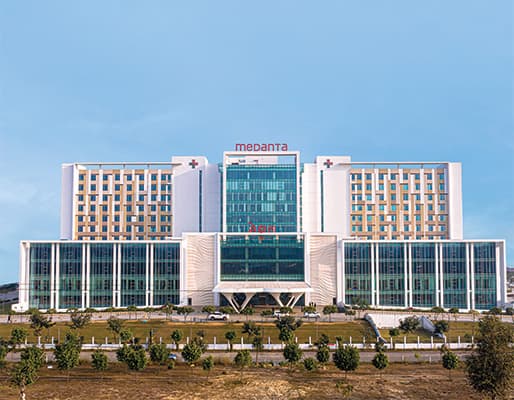
Medanta – The Medicity

Medanta – The Medicity

Gurugram, India

Medanta – The Medicity is India's #1 hospital (Newsweek World's Best Hospitals 2026), founded by renowned cardiovascular surgeon Dr. Naresh Trehan on a 43-acre campus in Sector 38, Gurugram. The flagship facility operates 1,391 beds including 270+ ICU beds, 40 operating theatres, and 900+ experienced physicians across 30+ specialties. Medanta is the only Indian private hospital to be consistently ranked among the world's top 150 medical facilities, and receives over 20,000 international patients annually from more than 130 countries. Its centres of excellence span cardiac care, oncology, neurosciences, organ transplantation, gastrosciences, and orthopaedics, backed by JCI, NABH, and NABL accreditation.

JCINABHNABL

900+

Specialists

1,391+

Beds

View Profile
Indraprastha Apollo Hospital

Indraprastha Apollo Hospital

New Delhi, India

Indraprastha Apollo Hospital in Sarita Vihar, New Delhi is one of India's foremost multi-specialty tertiary care centres, part of the Apollo Hospitals network established by Dr. Prathap C Reddy in 1983. The 710-bed facility records 1,600+ daily OPD visits, 1,000+ international patient consultations monthly, and receives 5,000+ international patients per year from over 120 countries. Its Centres of Excellence span cardiac sciences, oncology, neurosciences, organ transplantation, nephrology, orthopaedics, gastroenterology, and bariatric surgery. The hospital is equipped with Da Vinci XI robotic systems, CyberKnife radiosurgery, 3 Tesla MRI, LINAC, ECMO, and a 3D neuro-navigation system.

JCINABHNABL

700+

Specialists

710+

Beds

View Profile

Frequently asked questions

Most international patients are medically cleared to fly economy class 10–14 days after an uncomplicated CABG. Your cardiac team will confirm fitness to fly based on your recovery progress; short-haul flights under 4 hours are typically approved first, with long-haul cleared around the 3-week mark.

No fees. No commitment.

Our guidance is completely free

We are compensated by our partner hospitals — never by patients. You get independent clinical matching, cost transparency, and end-to-end coordination at no cost to you.

Message us on WhatsApp