

CureSureMedico
|
EN

Cataract Surgery

Ophthalmology

payments

Starting from

$800

Up to $3,000 depending on centre

schedule

Typical duration

3–7 days

Including pre-operative work-up

arrow_downwardlocal_hospital

Partner hospitals

3

Vetted for outcome data & accreditation

Dr. Rodina Ainasoa

Content reviewed for medical accuracy by: Dr. Rodina Ainasoa · Medical Content Writer & Health Communications

Overview

Phacoemulsification cataract extraction with intraocular lens implantation — the world's most performed eye surgery — restores clear vision clouded by lens opacity. Leading centres abroad offer premium multifocal and toric IOLs at a fraction of Western costs, reducing dependence on glasses after surgery.

Your case is matched to a centre on the basis of clinical outcome data, not marketing. We coordinate every step — from pre-operative work-up to post-treatment follow-up — with a dedicated care coordinator.

What's included

Pre-operative eye examination & biometry (IOL power calculation)
Surgeon & anaesthesia fees for both eyes
Premium IOL of choice (monofocal, multifocal, or toric)
Post-operative eye drops and protective shields
Follow-up consultations at 1 day and 1 week
Interpreter & patient care coordinator

Cataract Surgery

Coordinated from

$800

or message us on WhatsApp

No commitment required. Your data is never shared with third parties.

Standard Phacoemulsification vs. Premium & Laser-Assisted Cataract Surgery

Standard phacoemulsification with a monofocal intraocular lens (IOL) is the most widely performed cataract procedure worldwide. Premium multifocal, toric, or laser-assisted options add to the cost but can reduce dependence on glasses or address astigmatism; your surgeon will recommend an approach based on your eye anatomy, astigmatism, and visual goals.

ParameterStandard Phacoemulsification (Monofocal IOL)Premium IOL & Laser-Assisted (FLACS)
Lens technologyA monofocal IOL provides clear vision at one distance, usually far, so reading glasses are typically still needed, per the American Academy of Ophthalmology (AAO)Multifocal, extended depth-of-focus, and toric IOLs provide a range of vision at near, intermediate, and distance, and can correct pre-existing astigmatism, reducing the need for glasses, per the AAO
Incision methodThe corneal incision is created with a blade, per the AAOThe incision — and, in femtosecond laser-assisted surgery, part of the lens fragmentation — can instead be performed with a laser, per the AAO
Energy used on the eyeRelies solely on ultrasound (phacoemulsification) energy to break up and remove the cloudy lensFemtosecond laser pretreatment reduces the ultrasound energy and time needed to break up the lens, which may lessen heat-related stress on surrounding eye tissue, per a meta-analysis of randomized controlled trials
Visual outcomesAchieves excellent, well-established visual outcomes for the vast majority of patientsLaser-assisted surgery showed better corrected vision at 1 week and 6 months in some trials, but no significant difference from conventional surgery beyond the first few months, with similar overall complication rates, per the same meta-analysis
Who it typically suitsMost patients with routine cataracts and no strong preference for reduced glasses dependencePatients seeking reduced spectacle dependence, those with astigmatism, and — for the laser-assisted approach — patients with dense cataracts, low corneal endothelial cell counts, shallow anterior chambers, or glaucoma, per the meta-analysis

The Procedure: Step by Step

The description below outlines the standard phacoemulsification approach with intraocular lens implantation, the most commonly performed cataract procedure. Your surgical team will confirm the specific steps for your chosen lens and technique.

1

Anaesthesia

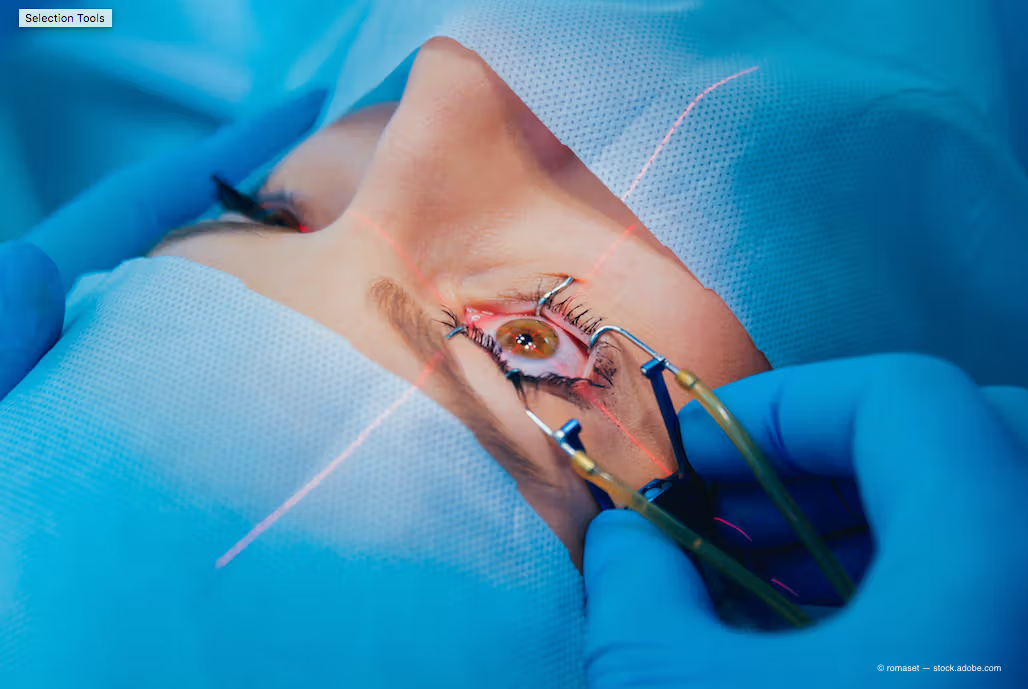
The eye is numbed with topical anaesthetic drops; general anaesthesia is rarely needed, per Cleveland Clinic.

2

Corneal incision

The surgeon creates a tiny incision near the edge of the cornea, using a blade or a laser, to access the cloudy lens, per the AAO.

3

Phacoemulsification

An ultrasound instrument breaks up the clouded natural lens and suctions out the fragments, per the AAO and Cleveland Clinic.

4

Lens implantation and discharge

The chosen intraocular lens is inserted through the same small incision, which typically self-seals. Patients rest for about 15 to 30 minutes before going home the same day, per Cleveland Clinic.

Recovery Timeline

Recovery Timeline
Same day

Cataract surgery is performed as outpatient day surgery; the surgery itself typically takes only 10 to 15 minutes, with same-day discharge, per Cleveland Clinic.

A few days

Most patients notice clearer vision within a few days of surgery, per the AAO.

Days to 1 week

Driving typically resumes once the surgeon confirms adequate visual acuity, which usually takes a few days to about a week; patients who have only had one eye treated may temporarily notice reduced depth perception, per the AAO.

4–6 weeks

Full healing of the eye takes about four to six weeks, even though most people resume normal daily activities well before then, per the AAO and Cleveland Clinic.

Source: American Academy of Ophthalmology (AAO); Cleveland Clinic. Individual recovery varies and is guided by your surgical team.

Known Risks & Limitations

  • Serious infection inside the eye (endophthalmitis) is uncommon, with a published incidence of roughly 0.02–0.04%, or about 1 in 3,000 to 5,000 procedures.
  • Retinal detachment is a recognised but infrequent risk, cited by Cleveland Clinic at about 2 in 1,000 cases.
  • Posterior capsule opacification — clouding of the membrane behind the implanted lens — is the most common longer-term development, occurring in roughly 20–30% of patients within two to five years, per the AAO; it is treated with a brief, outpatient YAG laser procedure.
  • Other recognised but uncommon complications include bleeding, swelling, persistent pain, and IOL displacement, per Cleveland Clinic.
  • Randomized controlled trials and meta-analyses have found femtosecond laser-assisted cataract surgery is not proven superior to conventional phacoemulsification in overall complication rates — both approaches carry a similar safety profile.

Source: American Academy of Ophthalmology (AAO); Cleveland Clinic; a meta-analysis of randomized controlled trials comparing femtosecond laser-assisted and conventional phacoemulsification cataract surgery. No procedure is without risk; your surgical team reviews your individual eye health before recommending a specific approach.

The CureSureMedico Care Pathway

Remote clinical review

Share your current vision, eye history, and any other eye conditions. Our coordination team forwards your case to an ophthalmic surgeon, who reviews your needs and confirms candidacy and lens options.

Hospital matching & estimate

A consolidated cost estimate covering the pre-operative eye examination and biometry, your chosen IOL, and the surgeon and anaesthesia fees is issued before travel.

Travel & pre-operative work-up

On arrival, a final eye examination and biometry (IOL power calculation) confirm the surgical plan for one or both eyes.

Procedure & early recovery

Day surgery on the first eye, with the second eye typically operated on 3 to 5 days later once the surgeon confirms it is healing well, followed by a short observation period before same-day discharge.

Continuity of care post-return

A post-operative eye-drop schedule, discharge summary, and surgical notes are shared with your home optometrist or ophthalmologist, alongside scheduled remote follow-up consultations to track your visual recovery.

Global cost comparison — Cataract Surgery

Average coordinated costs across our partner centres. Final pricing depends on clinical complexity and chosen hospital.

CountryAvg. costvs. cheapest
🇮🇳

India

New Delhi · Chennai · Bengaluru · Hyderabad · Mumbai · Kochi

Best valueEstimate
$1,200
chevron_right
🇹🇷

Turkey

Istanbul

✓ Verified
$1,800
chevron_right
🇹🇭

Thailand

Bangkok · Phuket · Chiang Mai

Estimate
$2,000
chevron_right

Costs are indicative estimates and vary by procedure specifics, hospital, and clinical complexity. Request a personalised estimate for your specific case.

Cost & recovery by procedure

This treatment category covers several different operations with different levels of invasiveness, recovery times, and costs. The country averages above blend all of them together — use the breakdown below for a more realistic, procedure-specific estimate.

Phacoemulsification with Monofocal IOL

The cloudy natural lens is broken up using ultrasound energy delivered through a tiny (about 2–3 mm) self-sealing incision, then removed by suction and replaced with a standard monofocal intraocular lens (IOL). This is the world's most commonly performed eye surgery and the standard first-choice approach for most age-related cataracts.

Typical recovery · 1–2 weeks

Usually a same-day (outpatient) procedure under local anesthesia and light sedation; vision typically improves within a few days, with most normal activity resumed within a week and full stabilisation by 4–6 weeks. Eye drops are used for several weeks to prevent infection and inflammation; rare but serious risks include infection (endophthalmitis), retinal detachment, and posterior capsule opacification (treatable later with a quick laser procedure).

India

$800–$1,500 per eye

Turkey

$1,000–$2,000 per eye

Thailand

$1,500–$2,500 per eye

Premium Multifocal & Toric IOL Implant

The same phacoemulsification technique is used, but a premium multifocal or toric IOL is implanted instead of a standard monofocal lens. Multifocal and extended-depth-of-focus lenses correct near, intermediate, and distance vision to reduce dependence on reading glasses, while toric lenses additionally correct pre-existing corneal astigmatism.

Typical recovery · 1–2 weeks

Recovery timeline mirrors standard cataract surgery (most normal activity within a week), though the brain typically needs several weeks to a few months of 'neuroadaptation' to fully adjust to a multifocal lens, during which some patients notice glare or halos around lights at night that usually fade over time. Candidacy requires a healthy retina and cornea, so a thorough pre-operative eye exam is essential before choosing a premium lens.

India

$1,200–$2,500 per eye

Turkey

$1,800–$3,000 per eye

Thailand

Estimate pending verification — ask your care coordinator for a current quote

Femtosecond Laser-Assisted Cataract Surgery (FLACS)

A femtosecond laser is used to perform the corneal incisions, opening of the lens capsule, and initial fragmentation of the cataract before ultrasound removes the softened lens fragments — replacing several manual steps of conventional phacoemulsification with computer-guided laser precision. It is often chosen for denser or harder cataracts, to fine-tune astigmatism correction, or alongside a premium IOL for maximum precision.

Typical recovery · 1–2 weeks

Recovery is comparable to standard phacoemulsification, with some studies reporting less ultrasound energy used in the eye and, for certain cataract types, reduced risk of a specific complication (posterior capsular rupture); overall visual outcomes with a monofocal lens are similar to conventional surgery. The same general risks apply (infection, inflammation, retinal detachment), and the laser step adds to the overall procedure cost without changing the follow-up schedule.

India

$1,500–$2,800 per eye

Turkey

Estimate pending verification — ask your care coordinator for a current quote

Thailand

$2,200–$3,500 per eye

Cost ranges are indicative estimates for international patients and vary with implant choice, number of levels treated, surgeon, and hospital. Request a personalised quote for your specific case.

Clinical detail: AAOS OrthoInfo, Mayo Clinic Health System, Cleveland Clinic. Cost ranges cross-checked across multiple independent medical-tourism sources per country where marked; ranges flagged "pending verification" could not be independently confirmed at the time of writing.

Partner hospitals

3 centres
View all hospitals
Amrita Hospital

Amrita Hospital

Faridabad, India

Asia's largest private hospital — 2,600 beds, 64 operation theatres, 81 specialties on a 130-acre campus in Delhi NCR. NABH & NABL accredited. Centres of excellence in oncology, cardiac surgery, BMT, organ transplantation, neurosciences, and IVF.

NABHNABL

800+

Specialists

2,600+

Beds

View Profile
Indraprastha Apollo Hospital

Indraprastha Apollo Hospital

New Delhi, India

Indraprastha Apollo Hospital in Sarita Vihar, New Delhi is one of India's foremost multi-specialty tertiary care centres, part of the Apollo Hospitals network established by Dr. Prathap C Reddy in 1983. The 710-bed facility records 1,600+ daily OPD visits, 1,000+ international patient consultations monthly, and receives 5,000+ international patients per year from over 120 countries. Its Centres of Excellence span cardiac sciences, oncology, neurosciences, organ transplantation, nephrology, orthopaedics, gastroenterology, and bariatric surgery. The hospital is equipped with Da Vinci XI robotic systems, CyberKnife radiosurgery, 3 Tesla MRI, LINAC, ECMO, and a 3D neuro-navigation system.

JCINABHNABL

700+

Specialists

710+

Beds

View Profile
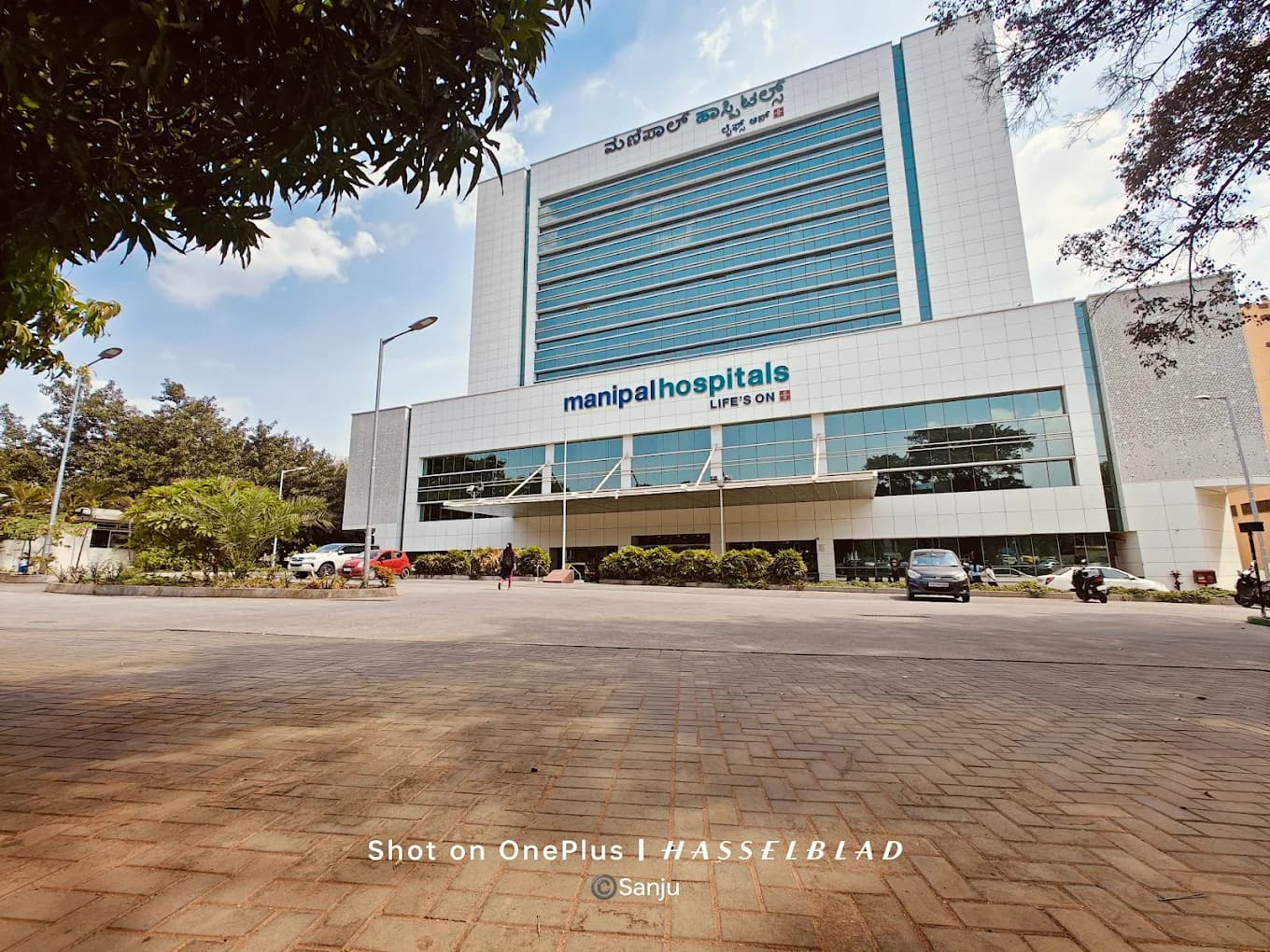
Manipal Hospital Old Airport Road

Manipal Hospital Old Airport Road

Bengaluru, India

Manipal Hospitals Old Airport Road is the flagship and founding campus of one of India's largest healthcare networks, established in 1991 on HAL Old Airport Road, Kodihalli, Bengaluru. Part of the Manipal Education and Medical Group (MEMG), the network spans 49 hospitals and 12,600+ beds across India. The Old Airport Road campus anchors the group's academic and clinical identity, housing specialist institutes including the Manipal Institute for Joint Replacement and Robotic Surgery (MIJRRS), the Manipal Robotic Spine Surgery centre (MIRSS), the Manipal Skull Base Institute (MSBI), and the Manipal Institute for Bariatric Surgery (MIBS). Its quaternary-level capabilities cover cardiology, oncology, neurosurgery, organ transplantation, orthopaedics, spine surgery, bariatric surgery, and paediatrics, all within a NABH and NABL accredited environment. The hospital provides dedicated international patient services through the Manipal Global network, with support for visa, travel, language, and end-to-end care coordination.

NABHNABL

264+

Specialists

600+

Beds

View Profile

Frequently asked questions

Yes. In most international centres, the second eye is operated on 3–5 days after the first once the surgeon confirms the first eye is healing well. This means a single trip of 7–10 days is usually sufficient to have both eyes treated, saving you the cost and disruption of two separate journeys.

No fees. No commitment.

Our guidance is completely free

We are compensated by our partner hospitals — never by patients. You get independent clinical matching, cost transparency, and end-to-end coordination at no cost to you.

Message us on WhatsApp