
CureSureMedico
|
EN

Retinal Surgery

Ophthalmology

payments

Starting from

$1,500

Up to $6,000 depending on centre

schedule

Typical duration

7–14 days

Including pre-operative work-up

arrow_downwardlocal_hospital

Partner hospitals

3

Vetted for outcome data & accreditation

Dr. Rodina Ainasoa

Content reviewed for medical accuracy by: Dr. Rodina Ainasoa · Medical Content Writer & Health Communications

Overview

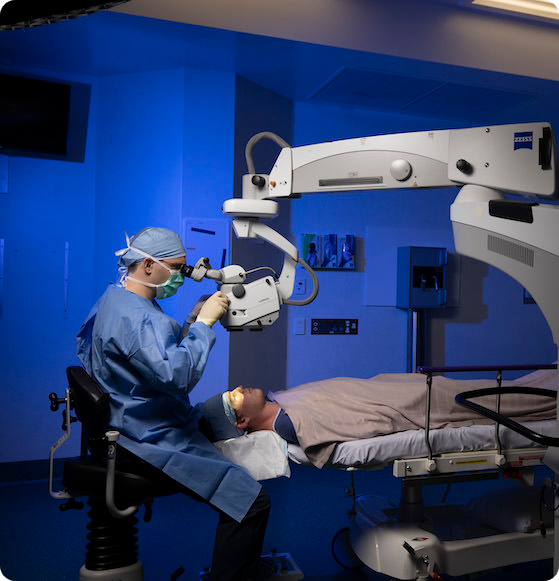
Vitreoretinal surgery addresses sight-threatening conditions at the back of the eye including retinal detachment, macular holes, epiretinal membranes, and severe diabetic eye disease. India, Israel, and Thailand host internationally trained vitreoretinal specialists offering timely, high-quality intervention at significantly reduced cost.

Your case is matched to a centre on the basis of clinical outcome data, not marketing. We coordinate every step — from pre-operative work-up to post-treatment follow-up — with a dedicated care coordinator.

What's included

Pre-operative retinal imaging (OCT, fundus fluorescein angiography)
Vitreoretinal surgeon & anaesthesia fees
Operating theatre & intraocular tamponade agents (gas/oil)
Post-operative posturing support and monitoring
Follow-up scans at 1 week post-surgery
Interpreter & patient care coordinator

Retinal Surgery

Coordinated from

$1,500

or message us on WhatsApp

No commitment required. Your data is never shared with third parties.

Global cost comparison — Retinal Surgery

Average coordinated costs across our partner centres. Final pricing depends on clinical complexity and chosen hospital.

CountryAvg. costvs. cheapest
🇮🇳

India

New Delhi · Chennai · Bengaluru · Hyderabad · Mumbai · Kochi

Best value
$2,000
chevron_right
🇹🇷

Turkey

Istanbul

$4,000
chevron_right

Costs are indicative estimates and vary by procedure specifics, hospital, and clinical complexity. Request a personalised estimate for your specific case.

Cost & recovery by procedure

This treatment category covers several different operations with different levels of invasiveness, recovery times, and costs. The country averages above blend all of them together — use the breakdown below for a more realistic, procedure-specific estimate.

Pars Plana Vitrectomy (PPV)

Pars plana vitrectomy removes the vitreous gel from the middle of the eye through tiny incisions, giving the surgeon direct access to repair the retina, peel scar tissue, or clear blood and debris. It is the foundation procedure for most complex retinal conditions, including detachment, macular hole, and diabetic vitreous haemorrhage.

Typical recovery · 2–4 weeks

Performed under local or general anesthesia with a 1–3 night hospital stay in most international centres; a gas or silicone oil bubble is often left in the eye to hold the retina in place, which may require several days of specific head positioning. Vision gradually improves over 2–4 weeks, though full stabilisation can take a few months; risks include cataract progression, elevated eye pressure, infection, and re-detachment, and flying is restricted while a gas bubble is present.

India

$1,500–$2,500

Turkey

$3,500–$6,000

Thailand

Estimate pending verification — ask your care coordinator for a current quote

Retinal Detachment Repair

A flexible silicone band (scleral buckle) is sewn around the outside of the eye to gently indent the eye wall, relieving the pulling force holding the retina detached and allowing it to reattach, often combined with cryotherapy or laser to seal the retinal tear. It remains a preferred option for certain detachments, particularly in younger patients with clear vitreous.

Typical recovery · 2–4 weeks

Usually a same-day or overnight procedure under general or local anesthesia; some redness, swelling, and double vision are common in the first 1–2 weeks as the eye adjusts to the buckle, with most normal activity resuming within 2–4 weeks. The buckle is a permanent implant in most cases; risks include infection, buckle extrusion, and induced short-sightedness or astigmatism, and follow-up retinal exams continue for several months.

India

Estimate pending verification — ask your care coordinator for a current quote

Turkey

Estimate pending verification — ask your care coordinator for a current quote

Thailand

Estimate pending verification — ask your care coordinator for a current quote

Macular Hole Surgery

A vitrectomy is performed to remove the vitreous gel and peel the thin membrane at the edge of the macular hole, then a temporary gas bubble is placed to press the hole closed as it heals. It is the standard treatment for a macular hole causing central vision distortion or loss.

Typical recovery · 4–8 weeks

A day case or single overnight stay is typical; strict face-down positioning for 5–14 days is often required so the gas bubble presses against the macula while it seals, and specialised face-down support equipment is usually arranged for this period. The gas bubble is gradually reabsorbed over 2–8 weeks, flying is not permitted until it fully clears, and central vision continues to improve for several months; risks include cataract progression, hole reopening, and rarely retinal detachment.

India

$1,500–$3,000

Turkey

$4,000–$6,500

Thailand

Estimate pending verification — ask your care coordinator for a current quote

Cost ranges are indicative estimates for international patients and vary with implant choice, number of levels treated, surgeon, and hospital. Request a personalised quote for your specific case.

Clinical detail: AAOS OrthoInfo, Mayo Clinic Health System, Cleveland Clinic. Cost ranges cross-checked across multiple independent medical-tourism sources per country where marked; ranges flagged "pending verification" could not be independently confirmed at the time of writing.

Partner hospitals

3 centres
View all hospitals
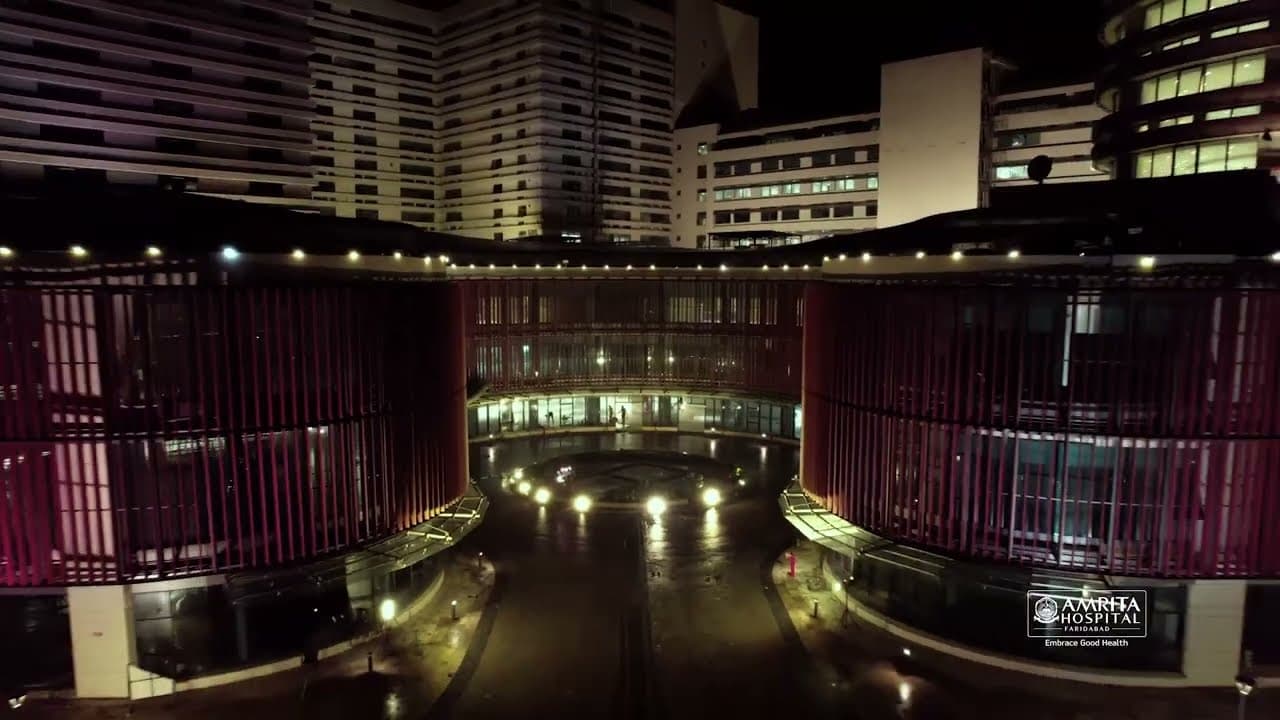
Amrita Hospital

Amrita Hospital

Faridabad, India

Asia's largest private hospital — 2,600 beds, 64 operation theatres, 81 specialties on a 130-acre campus in Delhi NCR. NABH & NABL accredited. Centres of excellence in oncology, cardiac surgery, BMT, organ transplantation, neurosciences, and IVF.

NABHNABL

800+

Specialists

2,600+

Beds

View Profile
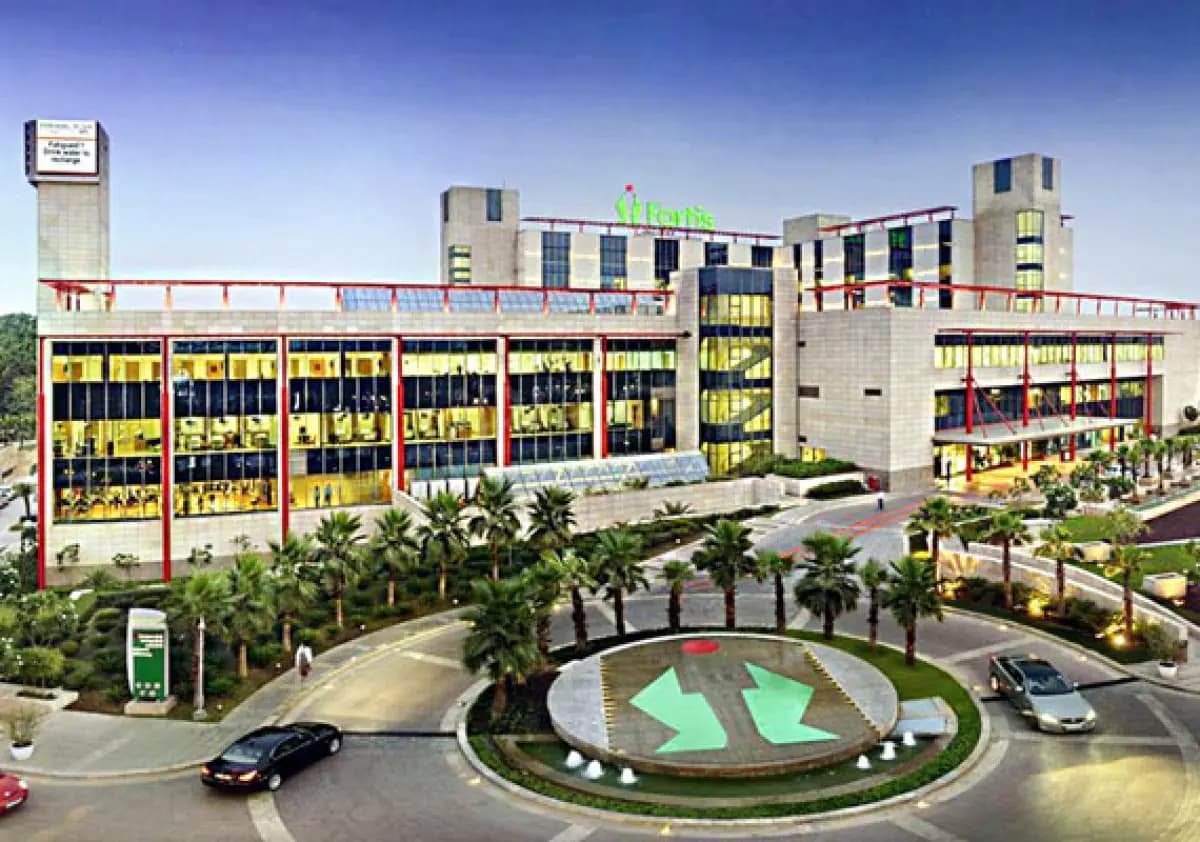
Fortis Memorial Research Institute

Fortis Memorial Research Institute

Gurugram, India

Fortis Memorial Research Institute (FMRI) in Sector 44, Gurugram is one of India's most advanced tertiary care hospitals, offering 1,000+ beds across 40+ specialties. Home to leading specialists in neurosurgery, cardiac surgery, oncology, organ transplantation, and orthopaedics, FMRI features CyberKnife radiosurgery, CAR-T cell therapy, and full robotic surgery capabilities. The hospital serves patients from 118 countries, supported by a dedicated international patients department providing visa assistance, interpreters, airport transfers, and end-to-end care coordination.

JCINABHNABL

400+

Specialists

330+

Beds

View Profile
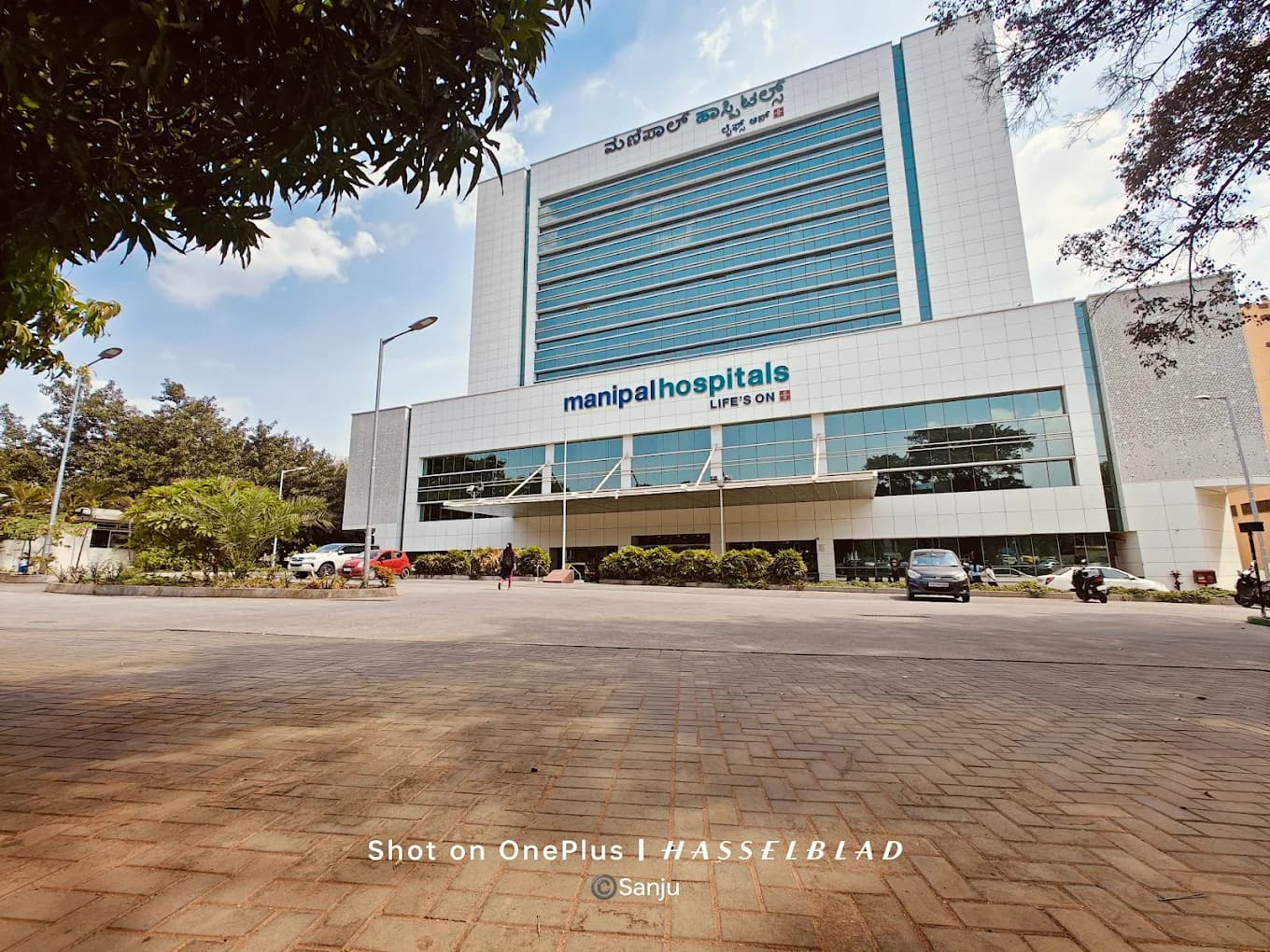
Manipal Hospital Old Airport Road

Manipal Hospital Old Airport Road

Bengaluru, India

Manipal Hospitals Old Airport Road is the flagship and founding campus of one of India's largest healthcare networks, established in 1991 on HAL Old Airport Road, Kodihalli, Bengaluru. Part of the Manipal Education and Medical Group (MEMG), the network spans 49 hospitals and 12,600+ beds across India. The Old Airport Road campus anchors the group's academic and clinical identity, housing specialist institutes including the Manipal Institute for Joint Replacement and Robotic Surgery (MIJRRS), the Manipal Robotic Spine Surgery centre (MIRSS), the Manipal Skull Base Institute (MSBI), and the Manipal Institute for Bariatric Surgery (MIBS). Its quaternary-level capabilities cover cardiology, oncology, neurosurgery, organ transplantation, orthopaedics, spine surgery, bariatric surgery, and paediatrics, all within a NABH and NABL accredited environment. The hospital provides dedicated international patient services through the Manipal Global network, with support for visa, travel, language, and end-to-end care coordination.

NABHNABL

264+

Specialists

600+

Beds

View Profile

Frequently asked questions

Retinal detachment is a surgical emergency. If your retina has detached or is at high risk, we expedite your referral to the nearest partner centre with vitreoretinal availability — typically within 24–48 hours. If you are already abroad or can travel quickly, most partner centres can accommodate urgent cases. For less acute conditions such as macular hole or epiretinal membrane, semi-elective scheduling within 1–4 weeks is usual.

No fees. No commitment.

Our guidance is completely free

We are compensated by our partner hospitals — never by patients. You get independent clinical matching, cost transparency, and end-to-end coordination at no cost to you.

Message us on WhatsApp