
CureSureMedico
|
EN

Ocular & Eye Cancer Treatment

Oncology

payments

Starting from

$3,000

Up to $20,000 depending on centre

schedule

Typical duration

7–21 days

Including pre-operative work-up

arrow_downwardlocal_hospital

Partner hospitals

1

Vetted for outcome data & accreditation

Dr. Rodina Ainasoa

Content reviewed for medical accuracy by: Dr. Rodina Ainasoa · Medical Content Writer & Health Communications

Overview

Highly specialised ocular oncology for uveal melanoma, retinoblastoma, conjunctival tumours, and orbital malignancies — connecting patients with experienced oculo-oncology teams that combine vision-preservation techniques with rigorous cancer control.

Your case is matched to a centre on the basis of clinical outcome data, not marketing. We coordinate every step — from pre-operative work-up to post-treatment follow-up — with a dedicated care coordinator.

What's included

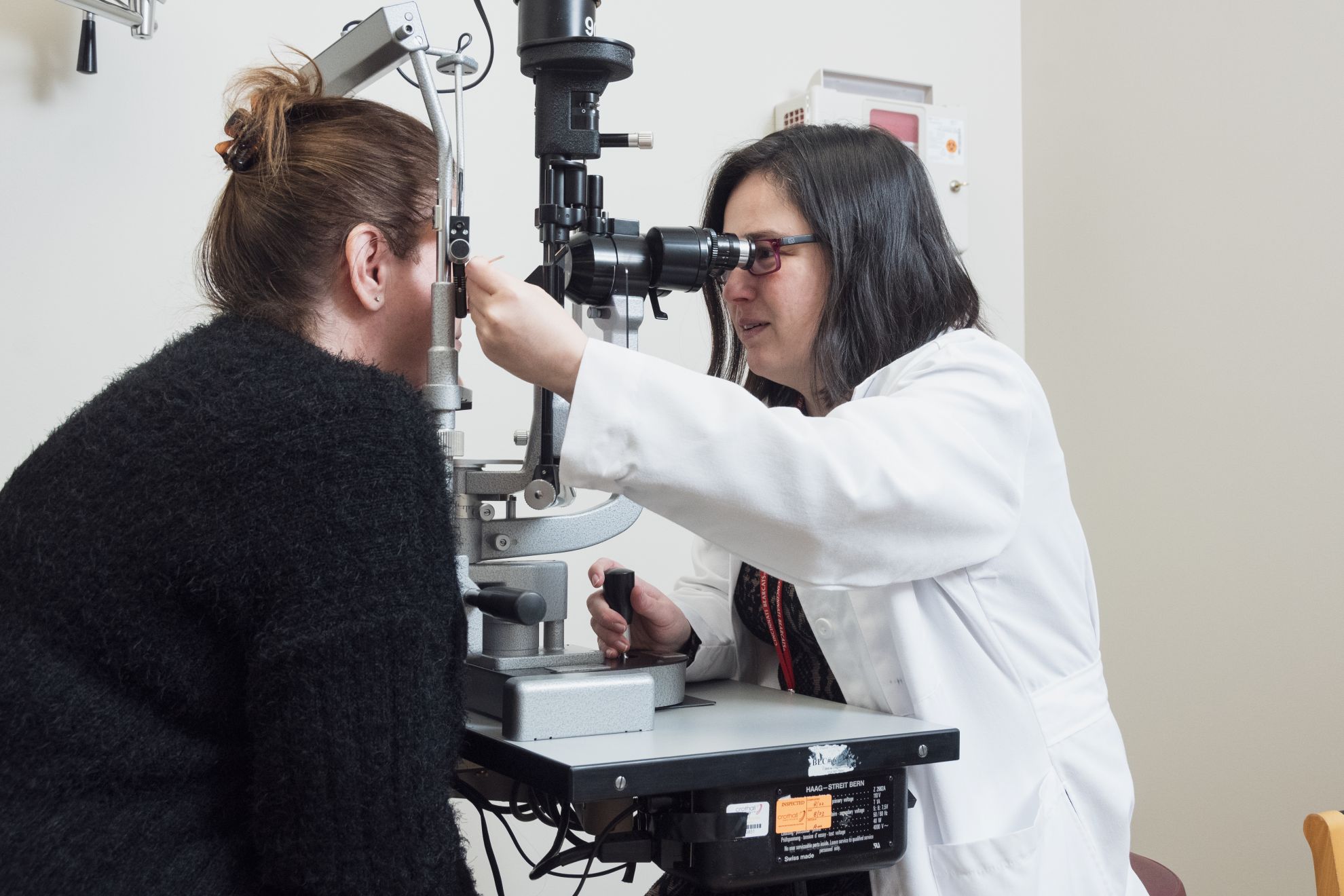
Ophthalmic oncology assessment — ultrasound biomicroscopy, fundus photography & MRI orbit
Tumour board review with ocular oncologist & radiation oncologist
Treatment procedure & hospitalisation
Ocular oncologist & surgical team fees
Interpreter & care coordinator
Systemic metastatic surveillance plan & follow-up at home

Ocular & Eye Cancer Treatment

Coordinated from

$3,000

or message us on WhatsApp

No commitment required. Your data is never shared with third parties.

Eye-Preserving Plaque Brachytherapy vs. Enucleation

For appropriately selected uveal (choroidal) melanoma, the two main treatment paths are eye-preserving radiotherapy and surgical removal of the eye. The right choice depends on tumour size, location, and involvement of critical structures, assessed by an ocular oncologist — not every tumour is suitable for eye-preserving treatment.

ParameterEpiscleral Plaque BrachytherapyEnucleation
What it involvesA small radioactive plaque (Ruthenium-106 or Iodine-125) is sutured to the outer eye wall over the tumour for several days, then removed; the eye is preserved.Surgical removal of the entire eye, typically with an orbital implant placed to support a future prosthetic eye.
Best suited forSmall-to-medium tumours (per COMS trial criteria, roughly up to 10mm apical thickness and 16mm basal diameter) without extensive optic nerve involvement.Very large tumours, tumours causing extensive optic nerve or extraocular involvement, an eye with no useful vision remaining, or where radiotherapy is not appropriate or has failed.
Survival outcomeThe landmark Collaborative Ocular Melanoma Study (COMS) trial found no significant difference in melanoma-related survival compared with enucleation for medium-sized tumours.The COMS trial found no significant difference in melanoma-related survival compared with plaque brachytherapy for medium-sized tumours.
Effect on visionSome vision can often be preserved, though radiation-related vision loss (from retinopathy, optic neuropathy, or cataract) is common over the following years and depends on tumour location and dose.Vision in the affected eye is lost permanently; the other eye's vision is unaffected. A custom ocular prosthesis is fitted once healing is complete.
Follow-up needsRegular lifelong eye examinations and imaging to monitor for local tumour recurrence, radiation side effects, and metastatic screening.Regular prosthesis care and orbital checks, plus lifelong systemic surveillance for metastatic disease, since removing the eye does not eliminate metastatic risk.

The Treatment Process: Step by Step

The steps below outline a typical ocular oncology treatment pathway. Your ocular oncologist and tumour board will confirm the exact plan based on your specific tumour type, size, and location.

1

Diagnostic imaging and staging

Detailed evaluation using ultrasound biomicroscopy, fundus photography, and MRI of the orbit establishes the tumour's size, location, and extent, and screens for any spread beyond the eye.

2

Tumour board review and treatment planning

An ocular oncologist and radiation oncologist jointly review the imaging to determine whether eye-preserving treatment is appropriate, or whether enucleation or another approach is recommended, and to plan the specific technique and dose.

3

The treatment itself

Depending on the plan, this may be plaque brachytherapy (a radioactive plaque sutured over the tumour for several days), enucleation (surgical removal of the eye under general anaesthesia), proton beam therapy, or for retinoblastoma in children, intra-arterial chemotherapy or laser photocoagulation.

4

Post-treatment monitoring

Regular follow-up examinations track the treated eye's response, monitor for radiation-related side effects or recurrence, and include systemic surveillance for metastatic disease, since uveal melanoma can spread years after successful local treatment.

Recovery & Follow-Up Timeline

Recovery & Follow-Up Timeline
First 1-2 weeks

Following plaque removal or enucleation, the eye is typically tender and mildly swollen; most patients return to light activity within a week or two, per Mayo Clinic and Cleveland Clinic guidance on eye surgery recovery.

First few months

For plaque brachytherapy, vision may fluctuate as the eye heals from radiation; for enucleation, the ocular prosthesis is typically fitted once initial socket healing is complete, usually within four to six weeks.

6-12 months

Radiation-related changes such as cataract, retinopathy, or optic neuropathy can continue to develop or evolve during this period and are monitored closely; prosthesis fit is fine-tuned as needed.

Ongoing, lifelong

Regular eye examinations (or orbital checks after enucleation) continue indefinitely alongside systemic screening for metastatic disease, most commonly to the liver, per American Academy of Ophthalmology follow-up guidance.

Source: Collaborative Ocular Melanoma Study (COMS); American Academy of Ophthalmology; Mayo Clinic; Cleveland Clinic. Individual recovery and follow-up schedules vary and are guided by your treating ocular oncologist.

Known Risks & Limitations

  • Vision loss can occur even with eye-preserving treatment — radiation to the eye can damage the retina, optic nerve, or lens over time, and central vision is more likely to be affected when the tumour is close to the macula or optic nerve.
  • Radiation-related complications following plaque brachytherapy or proton beam therapy can include radiation retinopathy, optic neuropathy, cataract, dry eye, and, less commonly, neovascular glaucoma requiring further treatment.
  • Local tumour recurrence or growth despite treatment is possible and is one of the main reasons for ongoing lifelong monitoring; recurrence may require additional treatment or, in some cases, later enucleation.
  • Uveal melanoma can spread (most often to the liver) years after successful treatment of the eye itself, which is why lifelong systemic surveillance is recommended regardless of which local treatment is chosen.
  • Eye-preserving treatment is not possible or appropriate for every tumour — very large tumours, extensive optic nerve involvement, or an eye that has already lost useful vision may mean enucleation is the recommended and safer option; suitability is determined case by case by an ocular oncologist.

Source: Collaborative Ocular Melanoma Study (COMS); American Academy of Ophthalmology; Mayo Clinic; Cleveland Clinic. No procedure is without risk; your treating ocular oncologist will review your individual case.

The CureSureMedico Care Pathway

Remote case review

Share your imaging (ultrasound, MRI, fundus photographs) and clinical reports with our coordination team, who forward your case for an initial ocular oncology review of eye-preserving versus enucleation suitability.

Tumour board and specialist matching

We match you with an accredited ocular oncology centre experienced in plaque brachytherapy, enucleation, proton beam therapy, or paediatric retinoblastoma treatment, and coordinate a tumour board review of your case.

Cost estimate and travel planning

Once your treatment plan is confirmed, we issue a consolidated cost estimate covering the procedure, hospitalisation, and prosthesis fitting where relevant, and help plan a trip length matched to your treatment and initial follow-up.

Treatment and immediate follow-up

You attend your treatment with our care coordinator supporting logistics and interpretation, followed by the initial post-treatment check before you are cleared to travel home.

Long-term surveillance and continuity of care

Before you depart, your full treatment records and imaging are shared with your home-country ophthalmologist or oncologist so they can continue the lifelong eye and systemic surveillance this diagnosis requires.

Global cost comparison — Ocular & Eye Cancer Treatment

Average coordinated costs across our partner centres. Final pricing depends on clinical complexity and chosen hospital.

CountryAvg. costvs. cheapest
🇮🇳

India

New Delhi · Chennai · Bengaluru · Hyderabad · Mumbai · Kochi

Best value
$5,000
chevron_right
🇹🇷

Turkey

Istanbul

$12,000
chevron_right

Costs are indicative estimates and vary by procedure specifics, hospital, and clinical complexity. Request a personalised estimate for your specific case.

Partner hospitals

1 centres
View all hospitals
Amrita Hospital

Amrita Hospital

Faridabad, India

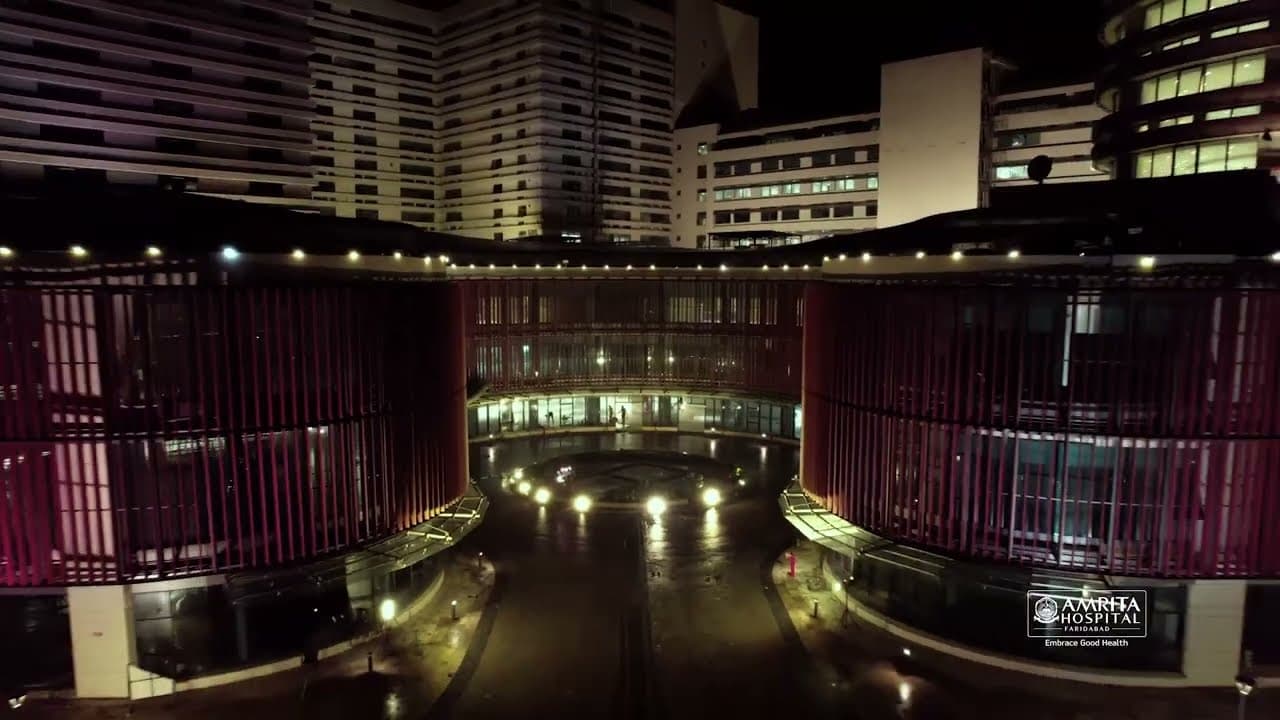
Asia's largest private hospital — 2,600 beds, 64 operation theatres, 81 specialties on a 130-acre campus in Delhi NCR. NABH & NABL accredited. Centres of excellence in oncology, cardiac surgery, BMT, organ transplantation, neurosciences, and IVF.

NABHNABL

800+

Specialists

2,600+

Beds

View Profile

Frequently asked questions

In many cases, yes. Episcleral plaque brachytherapy is the standard vision-sparing treatment for uveal (choroidal) melanoma tumours up to a certain thickness and diameter, achieving local control rates above 90% while preserving the eye. For retinoblastoma in children, intra-arterial chemotherapy and laser photocoagulation have transformed outcomes, avoiding enucleation in a significant proportion of cases. Suitability for eye-preserving treatment depends on tumour size, location, and involvement of critical structures.

No fees. No commitment.

Our guidance is completely free

We are compensated by our partner hospitals — never by patients. You get independent clinical matching, cost transparency, and end-to-end coordination at no cost to you.

Message us on WhatsApp