
CureSureMedico
|
EN

Kidney (Renal) Cancer Treatment

Oncology

payments

Starting from

$4,000

Up to $18,000 depending on centre

schedule

Typical duration

7–21 days

Including pre-operative work-up

arrow_downwardlocal_hospital

Partner hospitals

2

Vetted for outcome data & accreditation

Dr. Rodina Ainasoa

Content reviewed for medical accuracy by: Dr. Rodina Ainasoa · Medical Content Writer & Health Communications

Overview

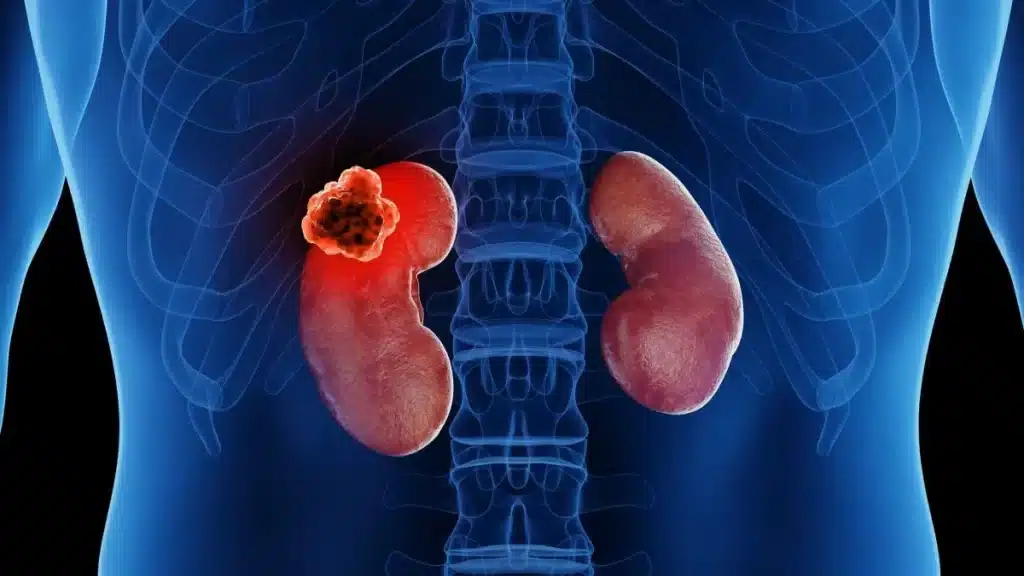
Advanced urological oncology for kidney cancer — including nephron-sparing partial nephrectomy and robotic surgery — giving international patients access to minimally invasive techniques that preserve renal function while achieving oncological control.

Your case is matched to a centre on the basis of clinical outcome data, not marketing. We coordinate every step — from pre-operative work-up to post-treatment follow-up — with a dedicated care coordinator.

What's included

Pre-operative renal imaging — CT urography, MRI & renal function tests
Surgical procedure (robotic / laparoscopic) & inpatient stay
Uro-oncologist & anaesthesia fees
Systemic therapy initiation if indicated
Interpreter & care coordinator
Post-operative renal function monitoring plan at home

Kidney (Renal) Cancer Treatment

Coordinated from

$4,000

or message us on WhatsApp

No commitment required. Your data is never shared with third parties.

Treatment approaches

Standard and robotic-assisted Kidney (Renal) Cancer Treatment

Standard Approach

Standard Partial Nephrectomy (Open / Laparoscopic)

$4,000

721 days

Robotic-Assisted Option

Robotic-Assisted Partial Nephrectomy

$9,000

618 days

Comparing the two approaches

StandardRobotic-Assisted
ProcedureStandard Partial Nephrectomy (Open / Laparoscopic)Robotic-Assisted Partial Nephrectomy
TechnologyConventional surgical instrumentsRobotic-assisted surgical system with surgeon oversight
AvailabilityHospital-dependentSelected hospitals with robotic capability
SpecialistProcedure specialistSpecialist with relevant robotic experience
Clinical suitabilityCase-dependentCase-dependent
Tariff$4,000–$18,000$9,000–$22,000
Duration7–21 days6–18 days

Eligibility for robotic-assisted treatment

  • Localised kidney tumour suitable for nephron-sparing (kidney-preserving) surgery rather than full kidney removal
  • Tumour size and position confirmed on cross-sectional imaging as accessible to robotic dissection and reconstruction
  • Kidney function and overall fitness assessed as suitable for a minimally invasive approach
  • Availability of the specific robotic platform and an experienced uro-oncology team at your selected hospital

Risks and limitations of robotic-assisted surgery

  • Robotic assistance does not eliminate the surgical risks associated with partial nephrectomy, including bleeding and urine leak
  • The surgeon remains responsible for the procedure; robotic guidance is an aid, not a substitute for surgical judgement
  • Robotic-assisted surgery is associated with less blood loss, shorter warm ischaemia time, and shorter hospital stay than open surgery in published comparisons, but has not been shown to improve cancer-specific survival over open or laparoscopic approaches
  • Very large, complex, or centrally located tumours may still be better suited to an open approach — availability also depends on the individual hospital and the treating specialist's experience with the platform

Tariff structure

Standard procedure$4,000$18,000
Robotic-assisted technology fee+$2,500$5,000
Total estimated robotic-assisted tariff$9,000$22,000

Why can robotic-assisted procedures cost more?

Robotic-assisted procedures rely on additional technology and equipment beyond the standard operating platform and clinical team. This additional technology component is generally not included in standard case pricing.

Is robotic-assisted surgery always recommended?

No. Robotic-assisted surgery is not appropriate for every procedure or patient. Availability and suitability are determined by the treating specialist, based on your imaging, clinical condition, and the treating hospital's capabilities.

Global cost comparison — Kidney (Renal) Cancer Treatment

Average coordinated costs across our partner centres. Final pricing depends on clinical complexity and chosen hospital.

CountryAvg. costvs. cheapest
🇮🇳

India

New Delhi · Chennai · Bengaluru · Hyderabad · Mumbai · Kochi

Best value
$5,000
chevron_right
🇹🇷

Turkey

Istanbul

$10,000
chevron_right

Costs are indicative estimates and vary by procedure specifics, hospital, and clinical complexity. Request a personalised estimate for your specific case.

Cost & recovery by procedure

This treatment category covers several different operations with different levels of invasiveness, recovery times, and costs. The country averages above blend all of them together — use the breakdown below for a more realistic, procedure-specific estimate.

Partial Nephrectomy (Nephron-Sparing Surgery)

A kidney tumor is removed together with a margin of surrounding healthy tissue while the rest of the kidney is preserved, most often through a robotic or laparoscopic approach. It is the preferred option whenever the tumor's size and location allow it, since keeping functioning kidney tissue lowers the long-term risk of chronic kidney disease.

Typical recovery · 6–8 weeks

Hospital stay is typically 2–4 days; full recovery to normal activity generally takes 6–8 weeks, though light activity can often resume within 2–3 weeks. Delayed bleeding, urine leak (urinoma/fistula), and, less commonly, the need for a follow-up procedure are the main complications to watch for — longer hospital stays are linked with higher complication rates.

India

$5,000–$9,000

Turkey

$8,000–$14,000

Thailand

$8,000–$12,000

Radical Nephrectomy

The entire affected kidney — and sometimes the adjacent adrenal gland and nearby lymph nodes — is removed, usually laparoscopically or robotically. It is used when a tumor is too large, too centrally located, or otherwise unsuitable for partial nephrectomy; the remaining kidney is generally able to fully compensate for filtering the blood.

Typical recovery · 8–12 weeks

Hospital stay after a laparoscopic or robotic radical nephrectomy is typically 1–5 days, sometimes with next-day discharge at high-volume centers; full recovery generally takes 8–12 weeks. Bleeding, infection, and, rarely, reduced function in the remaining kidney are the main risks to monitor, alongside standard surgical risks.

India

$4,000–$7,000

Turkey

$6,500–$12,000

Thailand

$9,000–$14,000

Percutaneous Ablation (RFA / Cryoablation)

A needle-like probe is guided through the skin into the tumor under CT or ultrasound guidance to destroy it with either extreme heat (radiofrequency ablation) or extreme cold (cryoablation), without open surgery. It is best suited to smaller tumors (generally under 4cm) and is often chosen for patients who are older, have reduced kidney function, or are not good candidates for surgery.

Typical recovery · 1–2 days

Hospital stay is usually a day or less, and most patients return to light normal activity within a few days to a week. Bleeding, urine leak, and incomplete tumor destruction requiring a repeat ablation are the main complications to watch for; long-term follow-up imaging is needed to confirm the tumor has not recurred.

India

$3,200–$6,500

Turkey

$3,500–$8,000

Thailand

Estimate pending verification — ask your care coordinator for a current quote

Targeted Therapy & Immunotherapy

Oral targeted drugs (such as sunitinib or pazopanib) that block the blood supply tumors need to grow, or immunotherapy infusions (such as nivolumab or ipilimumab) that help the immune system attack cancer cells, used for advanced or metastatic kidney cancer either alone or after surgery. Treatment is typically ongoing over months to years rather than a single episode of care.

Typical recovery · Ongoing

This is an ongoing outpatient treatment rather than a single hospital episode — most dose cycles do not require admission, though initial doses are sometimes given under monitoring. Fatigue, diarrhea, high blood pressure, and, with immunotherapy, immune-related side effects (affecting the skin, gut, lungs, or hormone glands) are the main issues requiring regular monitoring.

India

Estimate pending verification — ask your care coordinator for a current quote

Turkey

Estimate pending verification — ask your care coordinator for a current quote

Thailand

Estimate pending verification — ask your care coordinator for a current quote

Cost ranges are indicative estimates for international patients and vary with implant choice, number of levels treated, surgeon, and hospital. Request a personalised quote for your specific case.

Clinical detail: AAOS OrthoInfo, Mayo Clinic Health System, Cleveland Clinic. Cost ranges cross-checked across multiple independent medical-tourism sources per country where marked; ranges flagged "pending verification" could not be independently confirmed at the time of writing.

Partner hospitals

2 centres
View all hospitals
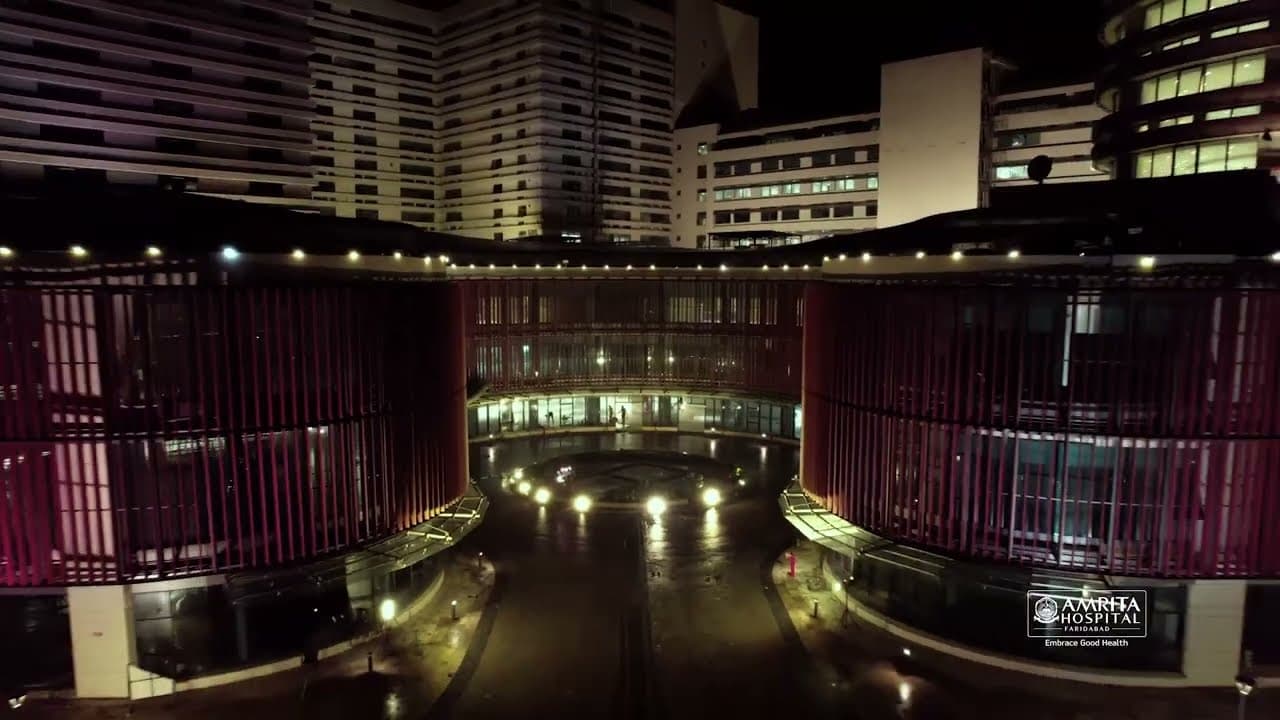
Amrita Hospital

Amrita Hospital

Faridabad, India

Asia's largest private hospital — 2,600 beds, 64 operation theatres, 81 specialties on a 130-acre campus in Delhi NCR. NABH & NABL accredited. Centres of excellence in oncology, cardiac surgery, BMT, organ transplantation, neurosciences, and IVF.

NABHNABL

800+

Specialists

2,600+

Beds

View Profile
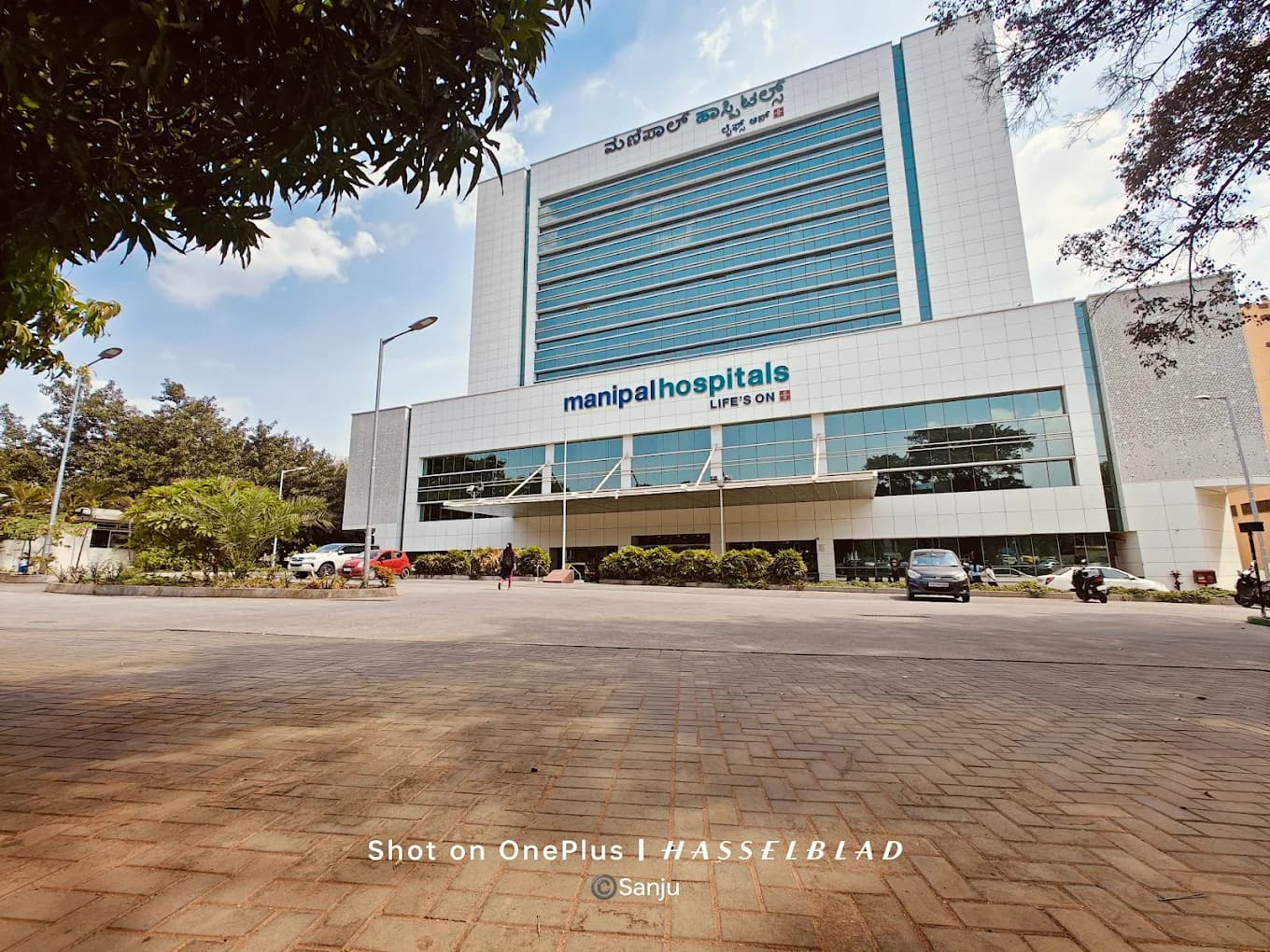
Manipal Hospital Old Airport Road

Manipal Hospital Old Airport Road

Bengaluru, India

Manipal Hospitals Old Airport Road is the flagship and founding campus of one of India's largest healthcare networks, established in 1991 on HAL Old Airport Road, Kodihalli, Bengaluru. Part of the Manipal Education and Medical Group (MEMG), the network spans 49 hospitals and 12,600+ beds across India. The Old Airport Road campus anchors the group's academic and clinical identity, housing specialist institutes including the Manipal Institute for Joint Replacement and Robotic Surgery (MIJRRS), the Manipal Robotic Spine Surgery centre (MIRSS), the Manipal Skull Base Institute (MSBI), and the Manipal Institute for Bariatric Surgery (MIBS). Its quaternary-level capabilities cover cardiology, oncology, neurosurgery, organ transplantation, orthopaedics, spine surgery, bariatric surgery, and paediatrics, all within a NABH and NABL accredited environment. The hospital provides dedicated international patient services through the Manipal Global network, with support for visa, travel, language, and end-to-end care coordination.

NABHNABL

264+

Specialists

600+

Beds

View Profile

Frequently asked questions

No — the vast majority of patients with one healthy kidney live a completely normal life without dialysis. Where technically feasible, our partner surgeons prioritise partial nephrectomy to preserve as much kidney tissue as possible, especially important for patients with diabetes, hypertension, or reduced pre-operative renal function.

No fees. No commitment.

Our guidance is completely free

We are compensated by our partner hospitals — never by patients. You get independent clinical matching, cost transparency, and end-to-end coordination at no cost to you.

Message us on WhatsApp