CureSureMedico
|
EN

Testicular Cancer Treatment

Oncology

payments

Starting from

$3,000

Up to $15,000 depending on centre

schedule

Typical duration

7–30 days

Including pre-operative work-up

arrow_downwardlocal_hospital

Partner hospitals

2

Vetted for outcome data & accreditation

Dr. Rodina Ainasoa

Content reviewed for medical accuracy by: Dr. Rodina Ainasoa · Medical Content Writer & Health Communications

Overview

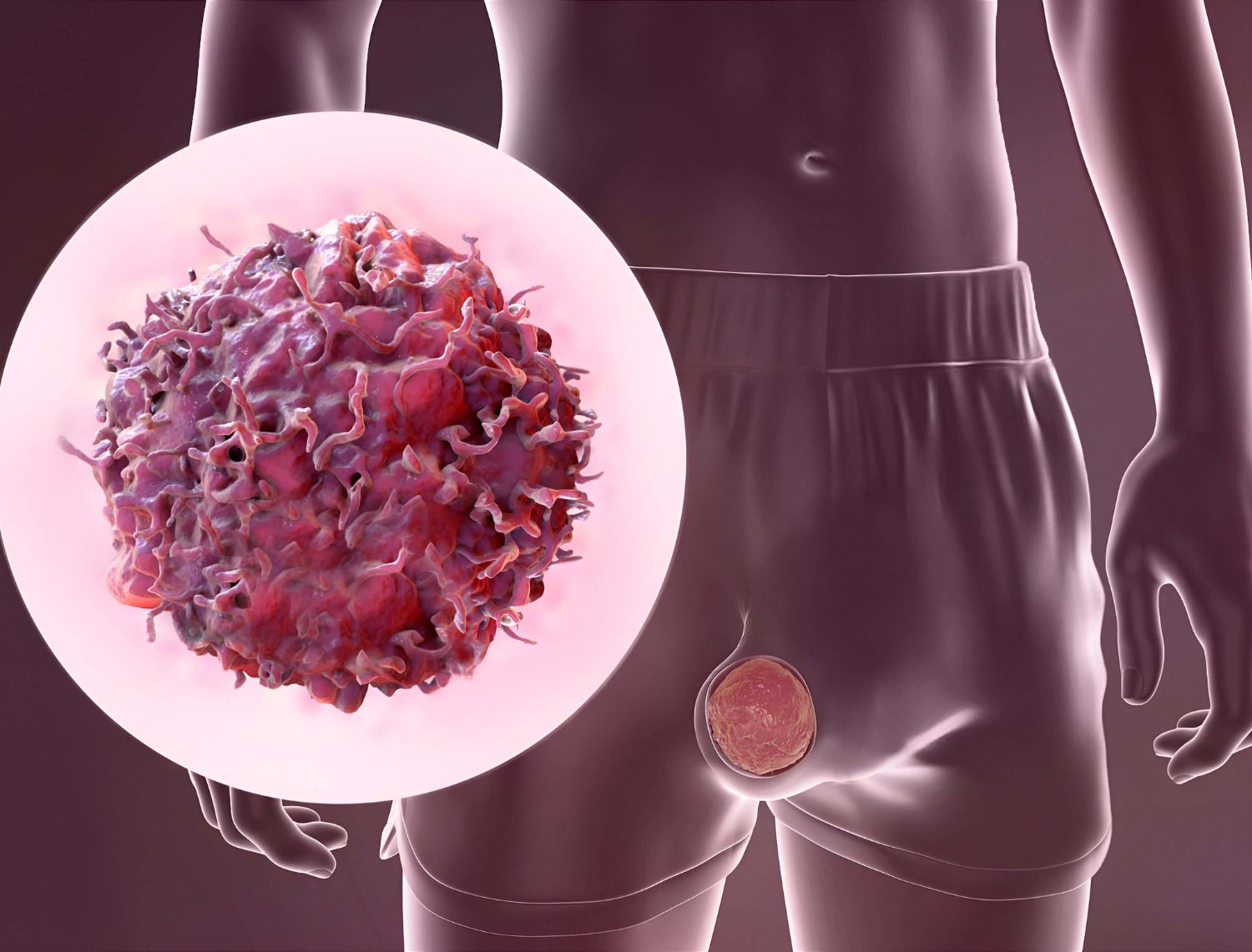
One of the most curable cancers when treated promptly, testicular cancer responds excellently to expert surgery and BEP chemotherapy — and international patients can access world-class uro-oncology care at a fraction of Western healthcare costs.

Your case is matched to a centre on the basis of clinical outcome data, not marketing. We coordinate every step — from pre-operative work-up to post-treatment follow-up — with a dedicated care coordinator.

What's included

Tumour marker panel (AFP, HCG, LDH) & staging CT
Radical orchidectomy & histopathology
Chemotherapy administration & monitoring if indicated
Uro-oncologist & surgical team fees
Interpreter & care coordinator
Surveillance protocol & follow-up plan at home

Testicular Cancer Treatment

Coordinated from

$3,000

or message us on WhatsApp

No commitment required. Your data is never shared with third parties.

Treatment approaches

Standard and robotic-assisted Testicular Cancer Treatment

Standard Approach

Open RPLND (Retroperitoneal Lymph Node Dissection)

$3,000

730 days

Robotic-Assisted Option

Robotic-Assisted RPLND

$4,500

520 days

Comparing the two approaches

StandardRobotic-Assisted
ProcedureOpen RPLND (Retroperitoneal Lymph Node Dissection)Robotic-Assisted RPLND
TechnologyConventional surgical instrumentsRobotic-assisted surgical system with surgeon oversight
AvailabilityHospital-dependentSelected hospitals with robotic capability
SpecialistProcedure specialistSpecialist with relevant robotic experience
Clinical suitabilityCase-dependentCase-dependent
Tariff$3,000–$15,000$4,500–$17,000
Duration7–30 days5–20 days

Eligibility for robotic-assisted treatment

  • Applies specifically to retroperitoneal lymph node dissection (RPLND) — not to radical orchidectomy, a simple open procedure with no robotic equivalent, and not to BEP chemotherapy
  • Primary or post-chemotherapy RPLND confirmed on cross-sectional imaging as suitable for a minimally invasive approach — bulky residual masses (generally over 5cm) or disease encasing major blood vessels are typically still managed with open surgery
  • Multidisciplinary uro-oncology tumor board review confirming candidacy and agreeing the surgical template and nerve-sparing plan
  • Availability of the specific robotic platform and a urologic oncologist experienced in robotic RPLND at your selected hospital — this is offered at fewer specialized centers than robotic prostatectomy

Risks and limitations of robotic-assisted surgery

  • Robotic assistance does not eliminate the surgical risks of RPLND, including vascular injury, chylous ascites, and loss of normal (antegrade) ejaculation from nerve disruption
  • The surgeon remains responsible for achieving a complete, oncologically sound lymph node dissection; robotic guidance is an aid to precision and visualization, not a substitute for surgical judgement
  • Current evidence shows meaningfully reduced blood loss and a substantially shorter hospital stay (commonly around 2 days versus 4–6 days for open surgery) with the robotic approach, with comparable lymph node yield and recurrence rates in appropriately selected patients at experienced centers — long-term oncologic equivalence continues to be studied
  • The surgeon may still need to convert to an open approach if residual disease proves more extensive or more adherent to major vessels than expected on imaging; robotic RPLND remains available at fewer centers worldwide than open RPLND

Tariff structure

Standard procedure$3,000$15,000
Robotic-assisted technology fee+$1,500$3,000
Total estimated robotic-assisted tariff$4,500$17,000

Why can robotic-assisted procedures cost more?

Robotic-assisted procedures rely on additional technology and equipment beyond the standard operating platform and clinical team. This additional technology component is generally not included in standard case pricing.

Is robotic-assisted surgery always recommended?

No. Robotic-assisted surgery is not appropriate for every procedure or patient. Availability and suitability are determined by the treating specialist, based on your imaging, clinical condition, and the treating hospital's capabilities.

Global cost comparison — Testicular Cancer Treatment

Average coordinated costs across our partner centres. Final pricing depends on clinical complexity and chosen hospital.

CountryAvg. costvs. cheapest
🇮🇳

India

New Delhi · Chennai · Bengaluru · Hyderabad · Mumbai · Kochi

Best value
$4,000
chevron_right
🇹🇷

Turkey

Istanbul

$8,000
chevron_right

Costs are indicative estimates and vary by procedure specifics, hospital, and clinical complexity. Request a personalised estimate for your specific case.

Cost & recovery by procedure

This treatment category covers several different operations with different levels of invasiveness, recovery times, and costs. The country averages above blend all of them together — use the breakdown below for a more realistic, procedure-specific estimate.

Radical Inguinal Orchidectomy

The affected testicle and attached spermatic cord are removed through a small incision in the groin — the standard first step for essentially all testicular cancers, both to treat the tumor and to confirm its exact type on pathology. Fertility is generally unaffected if the remaining testicle is healthy, and sperm banking beforehand is recommended if further treatment may follow.

Typical recovery · 2–4 weeks

Performed as day surgery under general or spinal anesthesia — no overnight hospital stay is usually needed. Expect groin pain and swelling for several days, manageable with prescribed pain medication; heavy lifting and strenuous activity should be avoided for 4–6 weeks, with most patients otherwise back to normal light activity within 2–4 weeks.

India

$2,800–$4,500

Turkey

$2,000–$4,500

Thailand

$2,900–$4,500

Retroperitoneal Lymph Node Dissection (RPLND)

A major abdominal operation that removes the lymph nodes behind the abdominal cavity where testicular cancer characteristically spreads first — performed either as primary staging/treatment or, more commonly, to clear residual masses after chemotherapy. It can be done as open surgery or, at select high-volume centers, via a robotic-assisted approach (see the robotic comparison below).

Typical recovery · 4–6 weeks

Open RPLND typically requires a 5–10 day hospital stay, with 1–2 weeks of prescription pain medication afterward. It is a major operation: reported complication rates run up to 25–35%, including vascular injury, chylous ascites (lymph fluid leakage), bowel or urinary tract effects, and loss of normal (antegrade) ejaculation from nerve disruption — this last risk is specifically discussed and, where relevant, nerve-sparing technique is used. Full recovery and return to normal activity generally takes 4–6 weeks.

India

$3,000–$6,000

Turkey

Estimate pending verification — ask your care coordinator for a current quote

Thailand

Estimate pending verification — ask your care coordinator for a current quote

BEP Chemotherapy (Bleomycin, Etoposide, Cisplatin)

Combination intravenous chemotherapy with bleomycin, etoposide, and cisplatin (BEP), given in 21-day cycles — typically 1 cycle for low-risk early-stage disease up to 3–4 cycles for more advanced or higher-risk disease. Testicular cancer, including metastatic disease, remains one of the most curable solid tumors with this regimen, with cure rates exceeding 95% for early-stage disease and 70–80% even for advanced disease when treated at an experienced center.

Typical recovery · 3–5 days per cycle

Each 21-day cycle involves 3–5 days of hospital or day-unit chemotherapy infusion (occasionally with an overnight stay), followed by 2–3 weeks of recovery before the next cycle, for a total treatment course of roughly 2–3 months depending on the number of cycles. Nausea, fatigue, hair loss, and temporary blood count suppression (with associated infection risk) are common and actively monitored; bleomycin carries a specific risk of lung toxicity that is screened for throughout treatment.

India

$150–$600 per cycle

Turkey

$800–$3,000 per cycle

Thailand

Estimate pending verification — ask your care coordinator for a current quote

Cost ranges are indicative estimates for international patients and vary with implant choice, number of levels treated, surgeon, and hospital. Request a personalised quote for your specific case.

Clinical detail: AAOS OrthoInfo, Mayo Clinic Health System, Cleveland Clinic. Cost ranges cross-checked across multiple independent medical-tourism sources per country where marked; ranges flagged "pending verification" could not be independently confirmed at the time of writing.

Partner hospitals

2 centres
View all hospitals
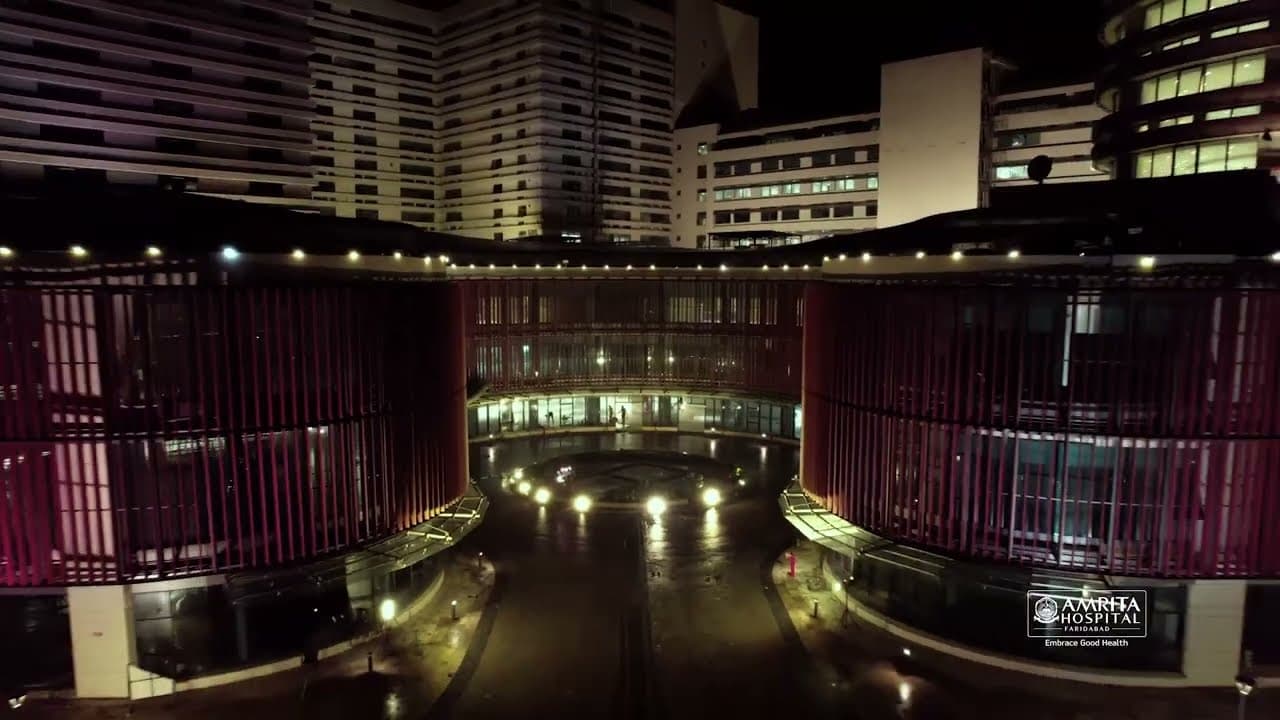
Amrita Hospital

Amrita Hospital

Faridabad, India

Asia's largest private hospital — 2,600 beds, 64 operation theatres, 81 specialties on a 130-acre campus in Delhi NCR. NABH & NABL accredited. Centres of excellence in oncology, cardiac surgery, BMT, organ transplantation, neurosciences, and IVF.

NABHNABL

800+

Specialists

2,600+

Beds

View Profile
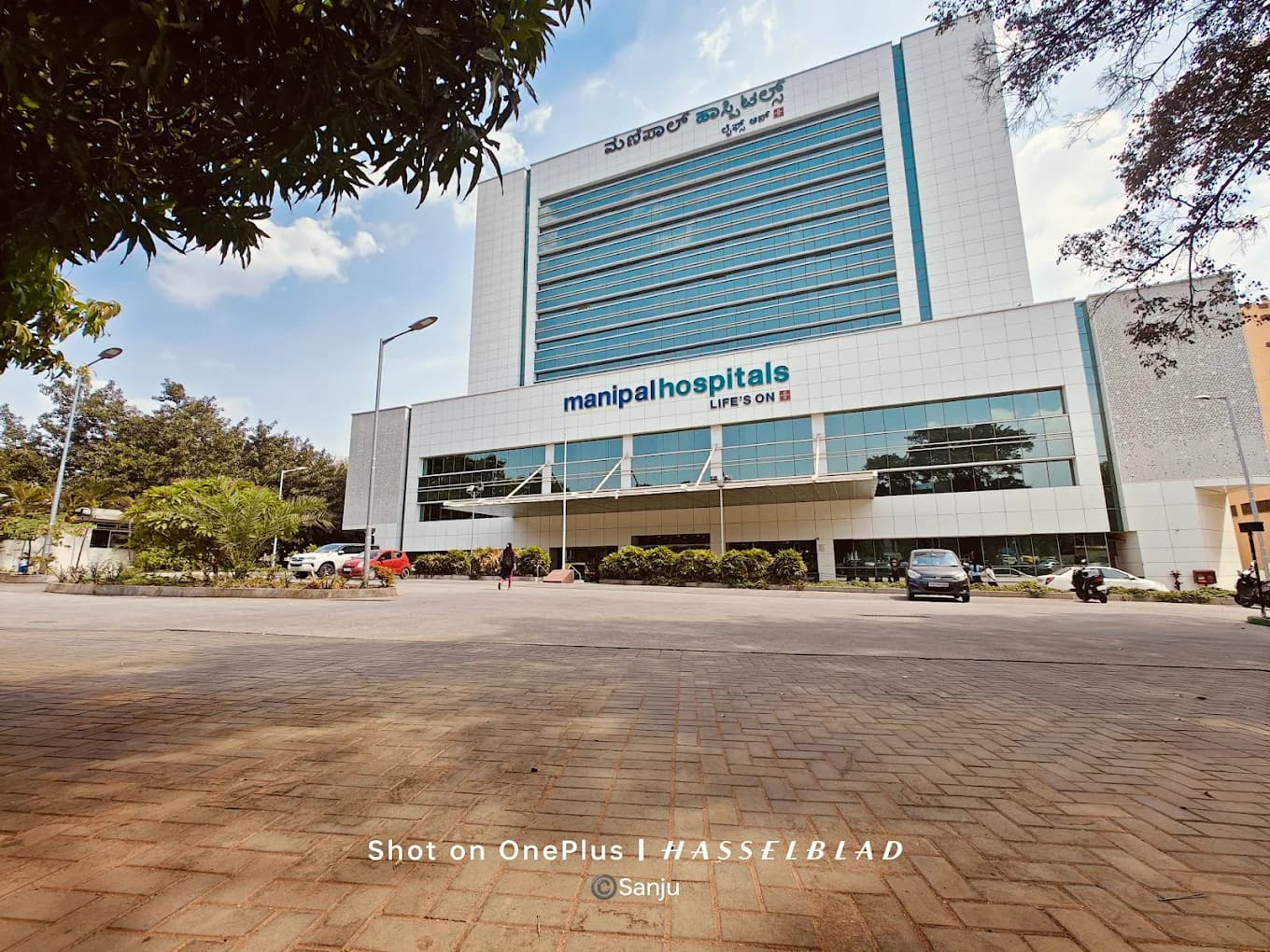
Manipal Hospital Old Airport Road

Manipal Hospital Old Airport Road

Bengaluru, India

Manipal Hospitals Old Airport Road is the flagship and founding campus of one of India's largest healthcare networks, established in 1991 on HAL Old Airport Road, Kodihalli, Bengaluru. Part of the Manipal Education and Medical Group (MEMG), the network spans 49 hospitals and 12,600+ beds across India. The Old Airport Road campus anchors the group's academic and clinical identity, housing specialist institutes including the Manipal Institute for Joint Replacement and Robotic Surgery (MIJRRS), the Manipal Robotic Spine Surgery centre (MIRSS), the Manipal Skull Base Institute (MSBI), and the Manipal Institute for Bariatric Surgery (MIBS). Its quaternary-level capabilities cover cardiology, oncology, neurosurgery, organ transplantation, orthopaedics, spine surgery, bariatric surgery, and paediatrics, all within a NABH and NABL accredited environment. The hospital provides dedicated international patient services through the Manipal Global network, with support for visa, travel, language, and end-to-end care coordination.

NABHNABL

264+

Specialists

600+

Beds

View Profile

Frequently asked questions

Testicular cancer has cure rates exceeding 95% for early-stage disease and around 70–80% even for metastatic disease when treated with appropriate BEP chemotherapy at an experienced centre. Prompt treatment is the single most important factor. Our partner oncology centres follow international guidelines (ESMO / EAU) and report outcomes comparable to leading European institutions.

No fees. No commitment.

Our guidance is completely free

We are compensated by our partner hospitals — never by patients. You get independent clinical matching, cost transparency, and end-to-end coordination at no cost to you.

Message us on WhatsApp