

CureSureMedico
|
EN

Aortic Aneurysm Repair

Vascular Surgery

payments

Starting from

$10,000

Up to $35,000 depending on centre

schedule

Typical duration

10–21 days

Including pre-operative work-up

arrow_downwardlocal_hospital

Partner hospitals

3

Vetted for outcome data & accreditation

Dr. Rodina Ainasoa

Content reviewed for medical accuracy by: Dr. Rodina Ainasoa · Medical Content Writer & Health Communications

Overview

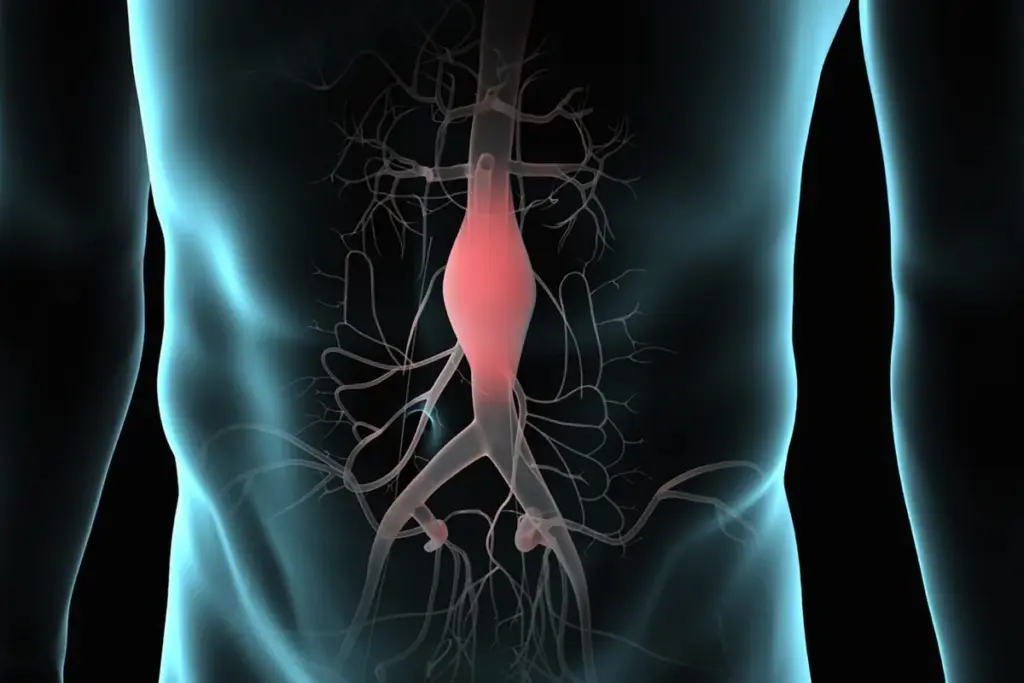
Life-saving open surgical and minimally invasive endovascular (EVAR/TEVAR) repair of abdominal and thoracic aortic aneurysms, performed by experienced vascular surgical teams with full cardiac and intensive care support. India and Turkey offer accredited centers capable of complex aortic work at 40–60% below UK or US pricing.

Your case is matched to a centre on the basis of clinical outcome data, not marketing. We coordinate every step — from pre-operative work-up to post-treatment follow-up — with a dedicated care coordinator.

What's included

Vascular surgery consultation with CT angiography review
EVAR, TEVAR, or open surgical repair by senior vascular surgeon
ICU monitoring and hospital stay (EVAR/TEVAR: typically 2–5 nights; open surgical repair: typically 3–10 nights)
Stent graft or prosthetic graft included in package
Post-operative imaging (CT/ultrasound) before discharge
Patient coordinator, interpreter, and remote follow-up consultation

Aortic Aneurysm Repair

Coordinated from

$10,000

or message us on WhatsApp

No commitment required. Your data is never shared with third parties.

Endovascular Repair (EVAR/TEVAR) vs. Open Surgical Repair

Aortic aneurysms can be repaired through a minimally invasive endovascular approach (EVAR for the abdominal aorta, TEVAR for the thoracic aorta) or through traditional open surgery. The right approach depends on your aneurysm's location, shape, and the condition of the surrounding blood vessels, as assessed on CT angiography.

ParameterEndovascular (EVAR/TEVAR)Open Surgical Repair
What it isA stent graft is delivered through small punctures in the groin arteries using a catheter and expanded inside the aorta to seal off the aneurysm from blood flow, per Cleveland Clinic.The diseased section of the aorta is exposed through a chest or abdominal incision, clamped off, and replaced with a synthetic fabric graft while a heart-lung machine or clamping maintains circulation, per University Hospitals.
Invasiveness & hospital stayMinimally invasive; typically several days of inpatient observation, per Cleveland Clinic.Major open surgery; typically 3–10 days in hospital, including an initial period in intensive care, per University Hospitals.
Recovery to normal activityHeavy lifting is avoided for four to six weeks, and most people return to work within a month, per Cleveland Clinic.Full recovery typically takes four to six weeks, though some patients need up to three months, and light activity is often resumed gradually over six to eight weeks, per University Hospitals.
Long-term reintervention rateLong-term survival is similar to open repair, but EVAR carries a substantially higher long-term reintervention rate than open surgery, per a Society for Vascular Surgery-referenced comparative analysis.Lower long-term reintervention rate than EVAR, reflecting the durability of a directly sutured graft, per the same comparative analysis.
Follow-up requirementRequires lifelong imaging surveillance to check for endoleak and graft stability, following Society for Vascular Surgery guidelines.Follow-up imaging is still recommended but surveillance intervals are typically less frequent than after EVAR once the graft has healed.

The Procedure: Step by Step

The steps below outline the general endovascular repair process; your vascular surgeon will confirm whether EVAR/TEVAR or open surgery is the right approach for your specific aneurysm anatomy.

1

Anaesthesia and preparation

You are given anaesthesia, and the surgical team prepares the access site — small punctures in both groins for EVAR/TEVAR, or a chest or abdominal incision for open repair, per Cleveland Clinic and University Hospitals.

2

Arterial access and catheter delivery

For EVAR/TEVAR, a catheter carrying the folded stent graft is threaded through the femoral arteries to the aneurysm site using real-time imaging guidance, per Cleveland Clinic.

3

Graft deployment or replacement

The stent graft is expanded into place to redirect blood flow away from the aneurysm sac and reinforce the artery wall; in open repair, the aneurysmal section is instead clamped, removed, and replaced with a synthetic fabric graft sewn in place, per Cleveland Clinic and University Hospitals.

4

Closure and recovery room monitoring

EVAR/TEVAR access points typically need only small bandages, while open repair incisions are closed with stitches or staples; you are then monitored as anaesthesia wears off, per Cleveland Clinic.

Recovery Timeline

Recovery Timeline
Hospital stay

EVAR/TEVAR typically involves several days of inpatient observation; open surgical repair typically involves 3–10 days, including an initial period in intensive care, per Cleveland Clinic and University Hospitals.

First weeks

Expect fatigue and a need for pain medication for several days after either approach; heavy lifting should be avoided for four to six weeks, per Cleveland Clinic.

1–3 months

Most people undergoing EVAR/TEVAR return to work within a month; open repair recovery generally takes four to six weeks and can take up to three months for full healing, with strenuous activity avoided during this period, per Cleveland Clinic and University Hospitals.

Ongoing

After EVAR/TEVAR specifically, lifelong imaging surveillance is required to monitor the stent graft and detect endoleak, per Society for Vascular Surgery guidelines.

Source: Cleveland Clinic; University Hospitals; Society for Vascular Surgery (SVS) guidelines. Individual recovery varies and is guided by your surgical team.

Known Risks & Limitations

  • Endoleak — persistent blood flow into the aneurysm sac around or through the stent graft — is an EVAR/TEVAR-specific complication that can occur in up to around 30% of patients and may require reintervention if it causes the aneurysm to enlarge.
  • EVAR carries a substantially higher long-term and intermediate reintervention rate than open surgical repair, even though long-term survival between the two approaches is similar, per a Society for Vascular Surgery-referenced comparative analysis.
  • Open surgical repair carries its own risks associated with a major operation, including a longer initial recovery period and, per University Hospitals, complications may require additional time in a rehabilitation facility for some patients.
  • General complications shared by both approaches include bleeding, infection, blood clots (including deep vein thrombosis), kidney complications, and cardiac events, per Cleveland Clinic and University Hospitals.
  • As with any procedure involving anaesthesia, there are anaesthesia-related risks your medical team will review with you individually.

Source: Cleveland Clinic; University Hospitals; Society for Vascular Surgery (SVS) guidelines. No procedure is without risk; your surgical team will review your individual risk factors.

The CureSureMedico Care Pathway

Remote clinical review

Share your latest CT angiography and vascular surgery notes. Our coordination team forwards your case to a vascular surgeon to confirm whether EVAR/TEVAR or open repair is anatomically appropriate for your aneurysm.

Surgical and ICU capacity matching

Your partner centre confirms stent graft availability (for endovascular repair) and ICU/vascular theatre capacity before your estimate is finalised, so your travel can be scheduled around a confirmed surgical date.

Consolidated estimate

A cost estimate covering the procedure, graft or stent materials, ICU and hospital stay, and initial post-operative imaging is issued before you travel, based on the recommended approach.

Surgery and monitored recovery

Your care team monitors your recovery in hospital — a shorter stay for EVAR/TEVAR or a longer stay including ICU time for open repair — and completes pre-discharge imaging before you are cleared to travel home.

Long-term surveillance handover

Because EVAR/TEVAR requires lifelong imaging surveillance to check for endoleak and graft stability, a treatment summary and a recommended follow-up imaging schedule are shared with your home vascular specialist so this ongoing monitoring continues seamlessly after you return home.

Global cost comparison — Aortic Aneurysm Repair

Average coordinated costs across our partner centres. Final pricing depends on clinical complexity and chosen hospital.

CountryAvg. costvs. cheapest
🇮🇳

India

New Delhi · Chennai · Bengaluru · Hyderabad · Mumbai · Kochi

Best value✓ Verified
$8,000
chevron_right
🇹🇷

Turkey

Istanbul

✓ Verified
$14,310
chevron_right

Costs are indicative estimates and vary by procedure specifics, hospital, and clinical complexity. Request a personalised estimate for your specific case.

Cost & recovery by procedure

This treatment category covers several different operations with different levels of invasiveness, recovery times, and costs. The country averages above blend all of them together — use the breakdown below for a more realistic, procedure-specific estimate.

EVAR – Endovascular Aneurysm Repair

A collapsed stent graft is threaded through the femoral artery in the groin under X-ray guidance and expanded inside the aneurysm to reinforce the artery wall from within, sealing off the bulging segment without opening the abdomen. It is the most commonly used approach for abdominal aortic aneurysms with suitable anatomy.

Typical recovery · 2–4 weeks

Hospital stay is typically 1–3 days, and most patients start walking within 24 hours of the procedure. Groin-site soreness is common at first; light activity usually resumes within 1–2 weeks and most people are back to normal routines by 2–4 weeks. Because the stent graft can shift or leak over time, lifelong annual CT surveillance is required.

India

$10,000–$20,000

Turkey

$15,000–$18,000

Thailand

Estimate pending verification — ask your care coordinator for a current quote

TEVAR – Thoracic Endovascular Aortic Repair

A stent graft is delivered by catheter through the femoral or iliac artery and deployed across the diseased segment of the descending thoracic aorta, sealing the aneurysm from inside the vessel without opening the chest. It is used for thoracic aortic aneurysms with anatomy suitable for endovascular access.

Typical recovery · 3–5 weeks

Patients typically spend 1–2 days in intensive care followed by 1–3 days on the ward, for a total hospital stay of around 3–5 days. Chest or back discomfort and fatigue are common in the first couple of weeks; most patients resume light activity within 3–5 weeks and avoid strenuous exertion for at least a month. Lifelong CT follow-up is required to monitor the stent graft.

India

$12,000–$22,000

Turkey

$16,000–$20,000

Thailand

Estimate pending verification — ask your care coordinator for a current quote

Open Aortic Aneurysm Surgery

The diseased section of the aorta is exposed through an abdominal or chest incision, clamped, and replaced with a synthetic graft sewn directly into healthy artery above and below the aneurysm. It remains the gold-standard approach for complex anatomy unsuitable for a stent graft and offers the most durable long-term repair.

Typical recovery · 6–12 weeks

Patients typically spend 1–2 days in intensive care followed by 4–7 days on the ward, for a total hospital stay of 5–10 days. Recovery is more involved than endovascular repair, with fatigue and incisional discomfort for several weeks; most patients resume light activity by 4–6 weeks and are substantially recovered by 8–12 weeks, longer if other health conditions are present.

India

$15,000–$25,000

Turkey

$32,000–$45,000

Thailand

Estimate pending verification — ask your care coordinator for a current quote

Cost ranges are indicative estimates for international patients and vary with implant choice, number of levels treated, surgeon, and hospital. Request a personalised quote for your specific case.

Clinical detail: AAOS OrthoInfo, Mayo Clinic Health System, Cleveland Clinic. Cost ranges cross-checked across multiple independent medical-tourism sources per country where marked; ranges flagged "pending verification" could not be independently confirmed at the time of writing.

Partner hospitals

3 centres
View all hospitals
Amrita Hospital

Amrita Hospital

Faridabad, India

Asia's largest private hospital — 2,600 beds, 64 operation theatres, 81 specialties on a 130-acre campus in Delhi NCR. NABH & NABL accredited. Centres of excellence in oncology, cardiac surgery, BMT, organ transplantation, neurosciences, and IVF.

NABHNABL

800+

Specialists

2,600+

Beds

View Profile
Medanta – The Medicity

Medanta – The Medicity

Gurugram, India

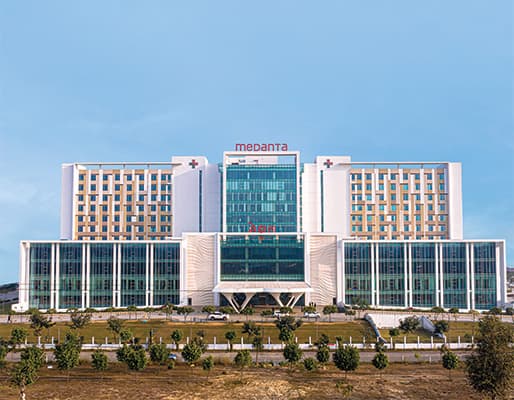
Medanta – The Medicity is India's #1 hospital (Newsweek World's Best Hospitals 2026), founded by renowned cardiovascular surgeon Dr. Naresh Trehan on a 43-acre campus in Sector 38, Gurugram. The flagship facility operates 1,391 beds including 270+ ICU beds, 40 operating theatres, and 900+ experienced physicians across 30+ specialties. Medanta is the only Indian private hospital to be consistently ranked among the world's top 150 medical facilities, and receives over 20,000 international patients annually from more than 130 countries. Its centres of excellence span cardiac care, oncology, neurosciences, organ transplantation, gastrosciences, and orthopaedics, backed by JCI, NABH, and NABL accreditation.

JCINABHNABL

900+

Specialists

1,391+

Beds

View Profile
Indraprastha Apollo Hospital

Indraprastha Apollo Hospital

New Delhi, India

Indraprastha Apollo Hospital in Sarita Vihar, New Delhi is one of India's foremost multi-specialty tertiary care centres, part of the Apollo Hospitals network established by Dr. Prathap C Reddy in 1983. The 710-bed facility records 1,600+ daily OPD visits, 1,000+ international patient consultations monthly, and receives 5,000+ international patients per year from over 120 countries. Its Centres of Excellence span cardiac sciences, oncology, neurosciences, organ transplantation, nephrology, orthopaedics, gastroenterology, and bariatric surgery. The hospital is equipped with Da Vinci XI robotic systems, CyberKnife radiosurgery, 3 Tesla MRI, LINAC, ECMO, and a 3D neuro-navigation system.

JCINABHNABL

700+

Specialists

710+

Beds

View Profile

Frequently asked questions

For elective repair of a stable, adequately sized aneurysm (typically 5.5 cm or larger for AAA), international travel is safe provided the aneurysm has been recently imaged and reviewed. All travel and surgical planning is coordinated around the latest CT scan findings. Patients fly to the destination only once a surgical date is confirmed and pre-operative risk assessment is complete. Emergency or symptomatic aneurysms require local emergency care and cannot be managed electively abroad.

No fees. No commitment.

Our guidance is completely free

We are compensated by our partner hospitals — never by patients. You get independent clinical matching, cost transparency, and end-to-end coordination at no cost to you.

Message us on WhatsApp