CureSureMedico
|
EN

Varicose Vein Treatment

Vascular Surgery

payments

Starting from

$1,000

Up to $6,500 depending on centre

schedule

Typical duration

3–7 days

Including pre-operative work-up

arrow_downwardlocal_hospital

Partner hospitals

1

Vetted for outcome data & accreditation

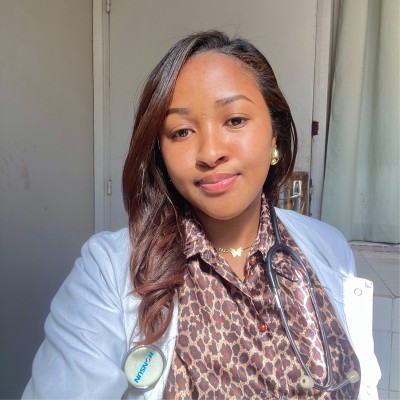
Dr. Rodina Ainasoa

Content reviewed for medical accuracy by: Dr. Rodina Ainasoa · Medical Content Writer & Health Communications

Overview

Modern minimally invasive treatment of varicose veins and chronic venous insufficiency using endovenous laser ablation (EVLA), radiofrequency ablation (RFA), foam sclerotherapy, and surgical stripping — with fast recovery and excellent cosmetic outcomes. Medical tourists find savings of 60–70% compared to private clinic prices in the UK, US, or Gulf countries.

Your case is matched to a centre on the basis of clinical outcome data, not marketing. We coordinate every step — from pre-operative work-up to post-treatment follow-up — with a dedicated care coordinator.

What's included

Vascular consultation with Duplex ultrasound venous mapping
EVLA, RFA, sclerotherapy, or surgical procedure as indicated
Outpatient day-procedure treatment with same-day discharge
Compression stockings and post-procedure care kit
Post-treatment duplex check before departure
Patient coordinator and airport transfer assistance

Varicose Vein Treatment

Coordinated from

$1,000

or message us on WhatsApp

No commitment required. Your data is never shared with third parties.

Endovenous Thermal Ablation (Laser/RFA) vs. Traditional Vein Stripping Surgery

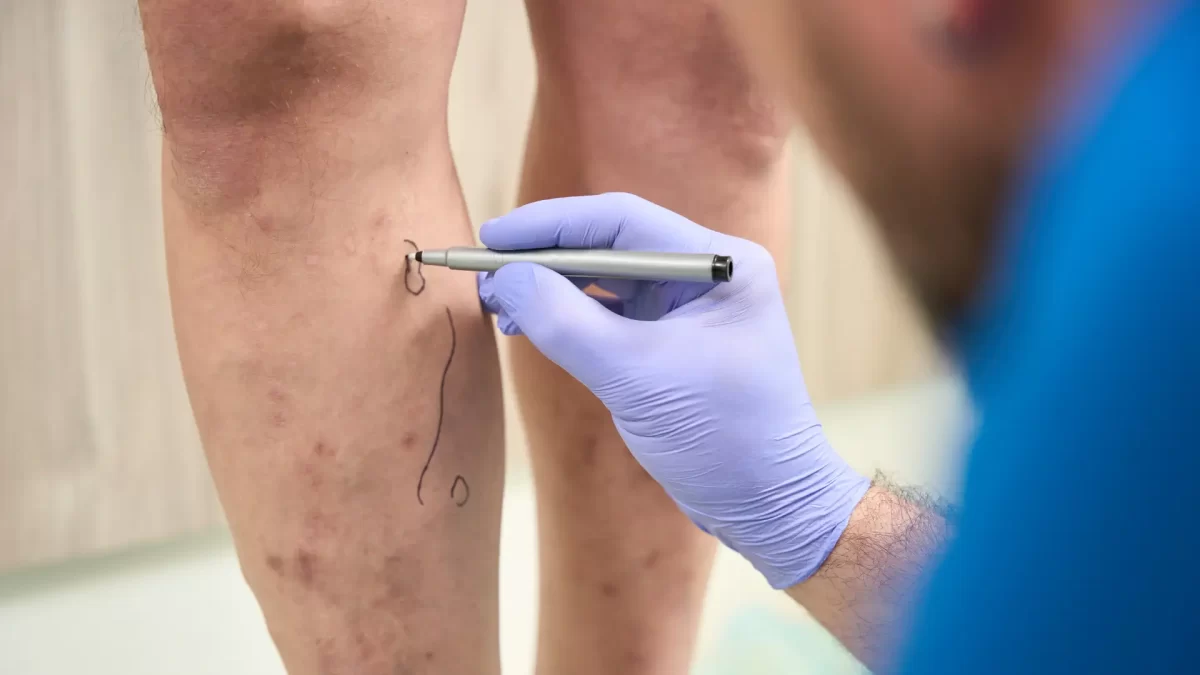
Most symptomatic varicose veins today are treated with minimally invasive endovenous thermal ablation (laser or radiofrequency energy delivered inside the vein) rather than the older surgical stripping technique. Your vascular specialist will confirm which approach — or whether foam sclerotherapy — suits your specific vein anatomy after a duplex ultrasound.

ParameterEndovenous Ablation (Laser/RFA)Vein Stripping Surgery
What it isA thin catheter delivering laser or radiofrequency heat energy is threaded inside the diseased vein under ultrasound guidance, sealing it shut from within.An open surgical technique in which the diseased vein is tied off (ligated) at the groin and physically removed through small incisions in the leg, per Cleveland Clinic.
Anaesthesia & settingPerformed under local (tumescent) anaesthesia in an outpatient or office setting; no general anaesthesia is needed for the minimally invasive, catheter-based technique.Performed under sedation with regional anaesthesia or general anaesthesia in an outpatient surgery centre, typically taking one to three hours, per Cleveland Clinic.
Recovery timeMost patients return to light activity within a day or two; recovery is consistently faster than with surgical stripping across randomized comparisons.Full recovery typically takes two to four weeks, with vigorous exercise avoided until healing is complete, per Cleveland Clinic.
One-year recurrence rateOne randomized comparison found a 6.0% recurrence rate at one year following endovenous laser ablation.The same randomized comparison found a 24.0% recurrence rate at one year following ligation and stripping.
Vein-closure (technical success) rateMeta-analyses show no statistically significant difference in vein-closure rates between endovenous laser ablation and surgical stripping — both are highly effective at eliminating the treated vein.Surgical stripping achieves comparable vein-closure rates to endovenous ablation, per the same meta-analyses, though with a more invasive approach and longer recovery.

The Procedure: Step by Step (Endovenous Thermal Ablation)

The steps below outline the general endovenous laser or radiofrequency ablation process, now the standard first-line approach for most symptomatic varicose veins; your vascular specialist will confirm the right technique for your case after ultrasound mapping.

1

Duplex ultrasound mapping

The vein specialist maps the diseased superficial vein and confirms it is suitable for endovenous treatment, and checks for any medical indication (pain, swelling, skin changes) rather than purely cosmetic concern.

2

Local (tumescent) anaesthesia and catheter placement

A thin catheter is inserted into the diseased vein through a small needle puncture, usually near the knee, and guided into position under ultrasound guidance; tumescent local anaesthetic fluid is injected around the vein to numb the area and protect surrounding tissue.

3

Energy delivery and vein closure

Laser or radiofrequency energy is delivered as the catheter is slowly withdrawn, heating and sealing the vein wall shut so blood reroutes through healthier veins nearby.

4

Compression and same-day discharge

A compression stocking or bandage is applied, and the patient walks out the same day — the procedure is typically completed within about an hour with no overnight stay required.

Recovery Timeline

Recovery Timeline
Same day

The procedure is performed on an outpatient basis; most patients are in and out within about an hour and go home the same day without an overnight hospital stay.

1–2 days

Most patients return to light activity, including walking (encouraged to reduce clot risk), within a day or two of endovenous ablation.

1–2 weeks

Compression stockings are generally worn for one to two weeks after treatment; your specialist will confirm the exact duration, as evidence on the benefit of prolonged compression beyond initial healing is mixed.

Ongoing

A follow-up duplex ultrasound is typically performed to confirm the treated vein has sealed closed and to check for any thrombus extension before you resume unrestricted activity.

Source: Cleveland Clinic; 2023 Society for Vascular Surgery, American Venous Forum, and American Vein and Lymphatic Society clinical practice guidelines. Individual recovery varies and is guided by your treating specialist.

Known Risks & Limitations

  • Endothermal heat-induced thrombosis, deep vein thrombosis, and pulmonary embolism were each reported below 1% following thermal ablation or foam sclerotherapy, per the 2023 Society for Vascular Surgery / American Venous Forum / American Vein and Lymphatic Society guidelines.
  • Skin burns at or near the treatment site have been reported with radiofrequency ablation of the great saphenous vein at rates ranging from 0–20% in published series, though proper patient selection and adequate tumescent anaesthesia around the vein can nearly eliminate this risk.
  • Nerve injury — most often affecting small cutaneous sensory nerves and causing localized skin numbness rather than motor weakness — has been reported in a minority of cases; most sensory changes resolve over time.
  • General risks shared by both endovenous ablation and surgical stripping include infection, bruising, and allergic reaction to anaesthesia; stripping carries the additional risks associated with a more invasive surgical incision and, when general anaesthesia is used, anaesthesia-related risk.
  • Varicose veins can recur years after successful treatment from untreated tributaries or new vein incompetence, which is why compression and periodic follow-up are part of long-term management regardless of which technique is used.

Source: 2023 Society for Vascular Surgery / American Venous Forum / American Vein and Lymphatic Society clinical practice guidelines; Cleveland Clinic. No procedure is without risk; your vascular specialist will review your individual risk factors before recommending an approach.

The CureSureMedico Care Pathway

Remote clinical review

Share your duplex ultrasound results (if already performed) and a description of your symptoms — pain, heaviness, swelling, or skin changes. Our coordination team forwards your case to a vascular specialist to confirm whether treatment is medically indicated and which technique suits your vein anatomy.

Medical-necessity and technique confirmation

Because most clinical guidelines and insurers distinguish symptomatic varicose veins from purely cosmetic spider veins, your case is reviewed to confirm medical indication and to recommend endovenous ablation, sclerotherapy, or — in select cases — surgical stripping.

Outpatient capacity matching

Your partner centre confirms outpatient procedure-room availability and equipment (laser or radiofrequency generator) before your estimate is finalised — most patients do not require inpatient hospital beds for this treatment.

Consolidated estimate

A cost estimate covering the consultation, duplex ultrasound, the procedure itself, compression stockings, and the pre-departure follow-up scan is issued before you travel.

Recovery and follow-up handover

Your care team confirms you are walking comfortably and completes a pre-departure duplex check before you are cleared to travel home. A treatment summary and recommended compression-wear duration are shared with your home physician for continuity of care.

Global cost comparison — Varicose Vein Treatment

Average coordinated costs across our partner centres. Final pricing depends on clinical complexity and chosen hospital.

CountryAvg. costvs. cheapest
🇮🇳

India

New Delhi · Chennai · Bengaluru · Hyderabad · Mumbai · Kochi

Estimate
$5,000
chevron_right
🇹🇷

Turkey

Istanbul

Best value✓ Verified
$2,500
chevron_right

Costs are indicative estimates and vary by procedure specifics, hospital, and clinical complexity. Request a personalised estimate for your specific case.

Partner hospitals

1 centres
View all hospitals
Amrita Hospital

Amrita Hospital

Faridabad, India

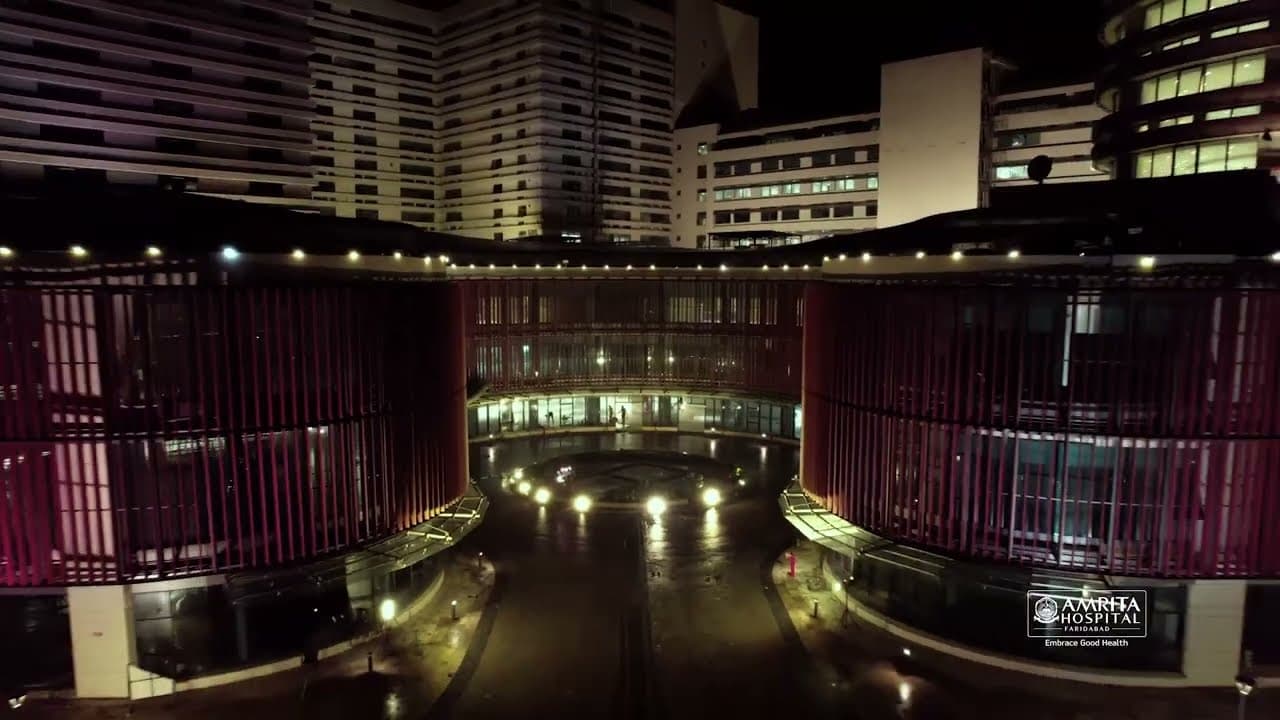
Asia's largest private hospital — 2,600 beds, 64 operation theatres, 81 specialties on a 130-acre campus in Delhi NCR. NABH & NABL accredited. Centres of excellence in oncology, cardiac surgery, BMT, organ transplantation, neurosciences, and IVF.

NABHNABL

800+

Specialists

2,600+

Beds

View Profile

Frequently asked questions

Varicose vein treatment is one of the most travel-friendly vascular procedures. Minimally invasive techniques (EVLA, RFA, sclerotherapy) are typically performed as day procedures; patients walk out the same day and are usually fit to explore the destination within 24–48 hours with compression stockings. Flying is generally permitted 3 to 5 days after treatment for short-haul flights and 5 to 7 days for long-haul, as sustained immobility carries a theoretical DVT risk in the treated leg. Your vascular surgeon will give you a specific clearance date based on your procedure and travel distance.

No fees. No commitment.

Our guidance is completely free

We are compensated by our partner hospitals — never by patients. You get independent clinical matching, cost transparency, and end-to-end coordination at no cost to you.

Message us on WhatsApp