

CureSureMedico
|
EN

Bladder & Prostate Cancer Treatment

Urology

payments

Starting from

$3,000

Up to $20,000 depending on centre

schedule

Typical duration

10–21 days

Including pre-operative work-up

arrow_downwardlocal_hospital

Partner hospitals

1

Vetted for outcome data & accreditation

Dr. Rodina Ainasoa

Content reviewed for medical accuracy by: Dr. Rodina Ainasoa · Medical Content Writer & Health Communications

Overview

Comprehensive management of bladder and prostate cancers combining endoscopic tumor resection (TURBT), radical cystectomy with neobladder creation, HIFU, and androgen deprivation therapy — all performed at internationally accredited centers offering cutting-edge oncological outcomes at significantly lower cost.

Your case is matched to a centre on the basis of clinical outcome data, not marketing. We coordinate every step — from pre-operative work-up to post-treatment follow-up — with a dedicated care coordinator.

What's included

Oncology consultation, cystoscopy, and full staging (CT/MRI, PET if required)
Primary procedure — TURBT, radical cystectomy, HIFU, or ADT initiation as clinically indicated
7–14 night hospital stay with dedicated nursing care
Pathology, tumor board review, and post-treatment oncology plan
Patient coordinator, medical interpreter, and visa invitation letter
Discharge summary and follow-up protocol sent to home oncologist

Bladder & Prostate Cancer Treatment

Coordinated from

$3,000

or message us on WhatsApp

No commitment required. Your data is never shared with third parties.

Treatment approaches

Standard and robotic-assisted Bladder & Prostate Cancer Treatment

Standard Approach

Open Radical Cystectomy

$3,000

1021 days

Robotic-Assisted Option

Robotic-Assisted Radical Cystectomy

$9,000

816 days

Comparing the two approaches

StandardRobotic-Assisted
ProcedureOpen Radical CystectomyRobotic-Assisted Radical Cystectomy
TechnologyConventional surgical instrumentsRobotic-assisted surgical system with surgeon oversight
AvailabilityHospital-dependentSelected hospitals with robotic capability
SpecialistProcedure specialistSpecialist with relevant robotic experience
Clinical suitabilityCase-dependentCase-dependent
Tariff$3,000–$20,000$9,000–$18,000
Duration10–21 days8–16 days

Eligibility for robotic-assisted treatment

  • Muscle-invasive or high-risk bladder cancer confirmed on staging that requires bladder removal
  • No prior extensive abdominal or pelvic surgery that would complicate robotic access
  • Imaging and tumor board review confirming candidacy for a minimally invasive approach
  • Availability of the robotic surgical platform and a urologic oncologist experienced with robotic cystectomy at your selected hospital

Risks and limitations of robotic-assisted surgery

  • Robotic assistance does not eliminate the surgical risks of radical cystectomy or guarantee superior cancer control compared with the open approach
  • The surgeon remains responsible for the procedure; robotic guidance is an aid, not a substitute for surgical judgement
  • Not every patient or tumor stage is suitable for a robotic-assisted approach
  • Robotic surgery can take longer in the operating room, and availability depends on the individual hospital and the treating specialist's experience with the platform

Tariff structure

Standard procedure$3,000$20,000
Robotic-assisted technology fee+$2,500$4,500
Total estimated robotic-assisted tariff$9,000$18,000

Why can robotic-assisted procedures cost more?

Robotic-assisted procedures rely on additional technology and equipment beyond the standard operating platform and clinical team. This additional technology component is generally not included in standard case pricing.

Is robotic-assisted surgery always recommended?

No. Robotic-assisted surgery is not appropriate for every procedure or patient. Availability and suitability are determined by the treating specialist, based on your imaging, clinical condition, and the treating hospital's capabilities.

Global cost comparison — Bladder & Prostate Cancer Treatment

Average coordinated costs across our partner centres. Final pricing depends on clinical complexity and chosen hospital.

CountryAvg. costvs. cheapest
🇮🇳

India

New Delhi · Chennai · Bengaluru · Hyderabad · Mumbai · Kochi

Best value
$4,500
chevron_right
🇹🇷

Turkey

Istanbul

$9,000
chevron_right

Costs are indicative estimates and vary by procedure specifics, hospital, and clinical complexity. Request a personalised estimate for your specific case.

Cost & recovery by procedure

This treatment category covers several different operations with different levels of invasiveness, recovery times, and costs. The country averages above blend all of them together — use the breakdown below for a more realistic, procedure-specific estimate.

Transurethral Resection of Bladder Tumor

A thin scope is passed through the urethra to shave away visible bladder tumors and sample the underlying muscle layer, both removing the growth and staging how deep it has invaded — usually the first step for any newly diagnosed bladder tumor.

Typical recovery · 2–4 weeks

TURBT is typically a same-day, outpatient procedure done under general or spinal anesthesia, with no incisions and often no catheter needed afterward. Most patients rest for the first 5–7 days, with any mild burning or blood-tinged urine settling over that time, and are back to normal light activity within 2–4 weeks. Pathology results determine whether follow-up intravesical therapy (such as BCG) or a repeat resection is needed.

India

$2,500–$5,000

Turkey

$2,000–$4,000

Thailand

Estimate pending verification — ask your care coordinator for a current quote

Radical Cystectomy with Urinary Diversion

The entire bladder — and in men typically the prostate, in women sometimes the uterus and ovaries — is surgically removed, and a new way to store or pass urine is created using a segment of bowel (an ileal conduit with an external bag, or an internal neobladder). It is the standard treatment for muscle-invasive bladder cancer or high-risk disease that has not responded to BCG.

Typical recovery · 6–12 weeks

Hospital stay generally runs 5–10 days (4–5 days at centers using an Enhanced Recovery After Surgery protocol), with walking encouraged from the day after surgery to help bowel function return. Most patients resume light daily activities by 4–6 weeks and can return to work in that window, while more strenuous exertion is held off for about 6 weeks. Adapting fully to a neobladder or conduit — including night-time voiding routines or stoma care — typically continues over 3–6 months, with energy levels and quality of life still improving up to a year afterward. This entry reflects the standard (open or laparoscopic) approach, not the robotic-assisted version.

India

$7,000–$10,500

Turkey

Estimate pending verification — ask your care coordinator for a current quote

Thailand

Estimate pending verification — ask your care coordinator for a current quote

HIFU for Prostate Cancer

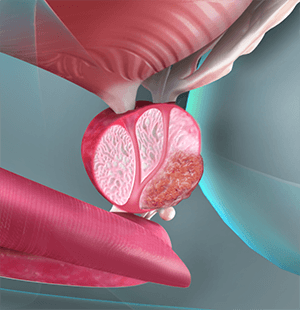
Focused ultrasound waves are aimed through a rectal probe to heat and destroy targeted areas of prostate tissue without any incision, radiation, or removal of the gland. It is generally considered for men with localized, low-to-intermediate risk disease confined within the prostate.

Typical recovery · 1–2 weeks

The procedure is done under anesthesia but typically involves only a 1-night hospital stay, with a urinary catheter left in place for roughly 1–2 weeks while the treated tissue heals. Most men return to normal light activity within 1–2 weeks. Note that major guideline bodies including the AUA and NCCN currently regard whole-gland and focal HIFU as investigational for primary prostate cancer treatment, citing a lack of long-term, randomized comparative data against surgery or radiation — it can offer a lower-invasiveness path with fewer urinary and sexual side effects for carefully selected patients, but is not yet an established substitute for standard therapy and eligibility should be confirmed by a specialist reviewing your MRI and biopsy results.

India

$4,000–$8,000

Turkey

$7,500–$10,000

Thailand

Estimate pending verification — ask your care coordinator for a current quote

Androgen Deprivation Therapy

Rather than a one-time procedure, this is an ongoing hormonal treatment that lowers testosterone to slow or shrink prostate cancer that is advanced, recurrent, or being combined with radiation. It is most often delivered as a periodic depot injection (an LHRH/GnRH agonist or antagonist) rather than surgery.

Typical recovery · Ongoing therapy

There is no surgical recovery — injections are given in a clinic visit lasting a few minutes, typically on a monthly or 3-monthly schedule (sometimes stretched to 6-monthly later in treatment), and many patients travel home between doses to continue injections locally once the regimen and drug availability are confirmed with their home physician. Depending on the clinical picture, a course can run from several months (alongside radiation) to several years, or be continued indefinitely for advanced disease. Because ADT lowers testosterone body-wide, patients should be monitored for hot flashes, bone density loss, weight and metabolic changes, mood changes, and cardiovascular risk over the course of treatment.

India

$80–$150 per monthly injection (roughly $1,200–$3,000/year for an ongoing course)

Turkey

$1,500–$2,500 for an initial treatment course

Thailand

Estimate pending verification — ask your care coordinator for a current quote

Cost ranges are indicative estimates for international patients and vary with implant choice, number of levels treated, surgeon, and hospital. Request a personalised quote for your specific case.

Clinical detail: AAOS OrthoInfo, Mayo Clinic Health System, Cleveland Clinic. Cost ranges cross-checked across multiple independent medical-tourism sources per country where marked; ranges flagged "pending verification" could not be independently confirmed at the time of writing.

Partner hospitals

1 centres
View all hospitals
Amrita Hospital Kochi

Amrita Hospital Kochi

Kochi, India

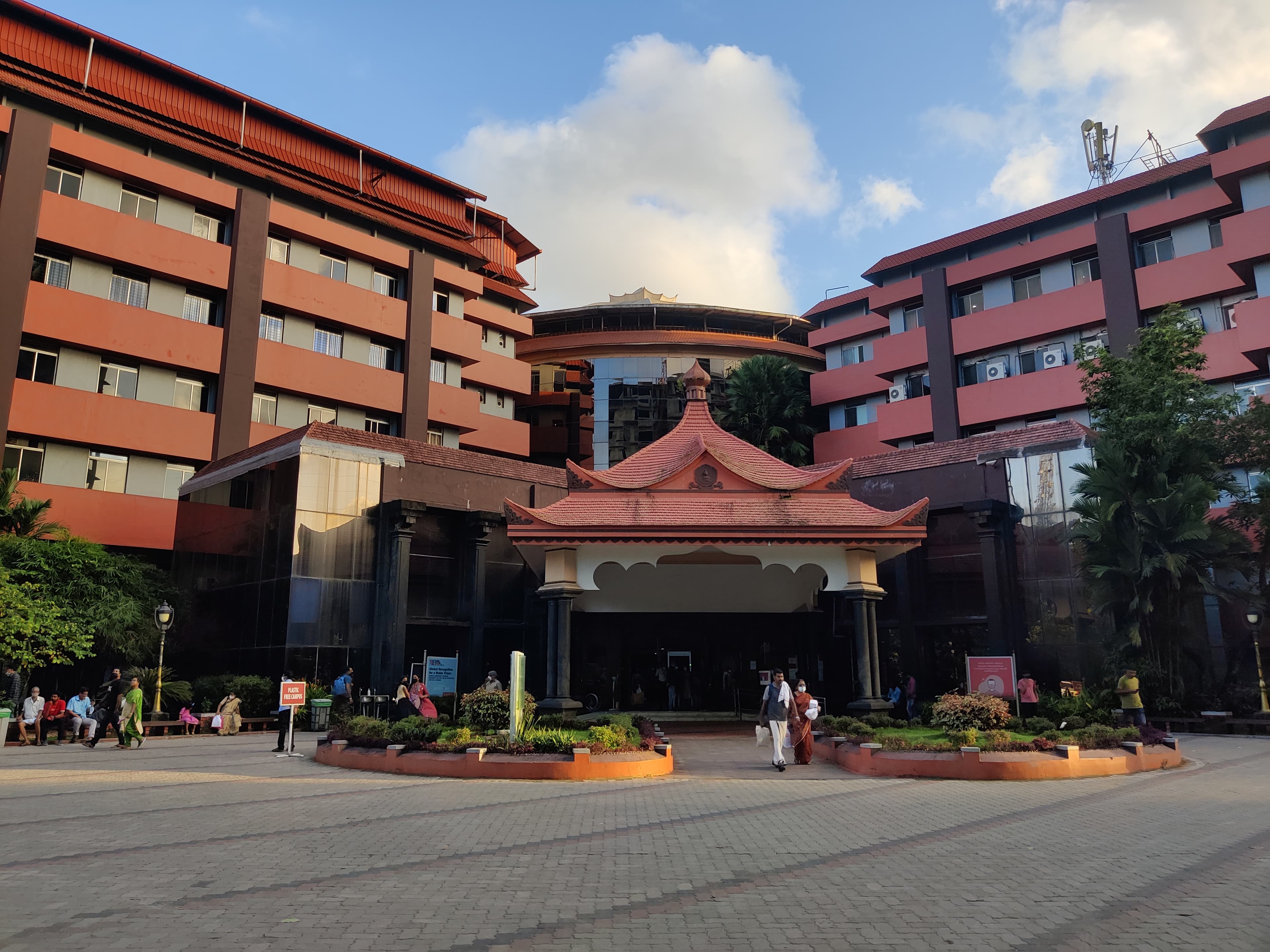
Amrita Hospital Kochi is a major teaching hospital in Kerala with extensive departments, advanced diagnostics and strong academic/research links. Established in 1998, it operates 1350 beds with 450 doctors across cardiology, oncology, haematology, neurology and orthopaedics, and holds NABH, NABL and ISO 9000:2015 accreditation, combining tertiary clinical care with medical education and research.

NABHNABLISO 9000:2015

450+

Specialists

1,350+

Beds

View Profile

Frequently asked questions

TURBT (transurethral resection of bladder tumor) is an endoscopic procedure used to remove non-muscle-invasive bladder tumors and also to stage the disease. If the cancer has not invaded the bladder muscle wall, TURBT combined with intravesical BCG therapy is often curative. Radical cystectomy — surgical removal of the entire bladder — is recommended when cancer invades the muscle layer (stage T2 or higher) or is high-risk non-muscle-invasive disease that has not responded to BCG. Your overseas urologist will review your biopsy pathology and imaging to determine the appropriate treatment, and our coordinators can arrange a pre-travel virtual second opinion.

No fees. No commitment.

Our guidance is completely free

We are compensated by our partner hospitals — never by patients. You get independent clinical matching, cost transparency, and end-to-end coordination at no cost to you.

Message us on WhatsApp