

CureSureMedico
|
EN

Urological Reconstruction

Urology

payments

Starting from

$3,000

Up to $15,000 depending on centre

schedule

Typical duration

8–18 days

Including pre-operative work-up

arrow_downwardlocal_hospital

Partner hospitals

1

Vetted for outcome data & accreditation

Dr. Rodina Ainasoa

Content reviewed for medical accuracy by: Dr. Rodina Ainasoa · Medical Content Writer & Health Communications

Overview

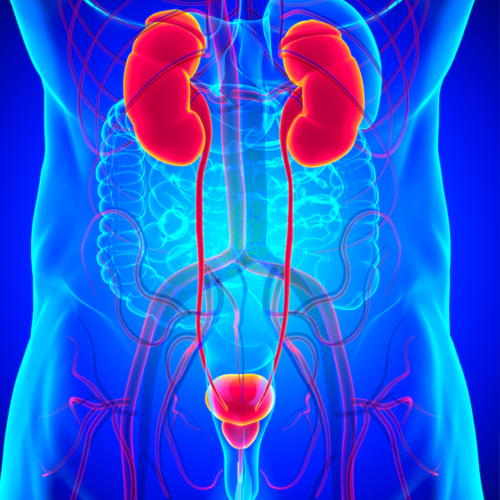
Highly specialized reconstructive urological surgery — including urethroplasty, bladder reconstruction, and pyeloplasty — restores normal urinary function for patients with strictures, trauma injuries, or congenital obstructions. Expert centers in India and Turkey offer these complex procedures at a fraction of Western costs with outstanding surgical volumes.

Your case is matched to a centre on the basis of clinical outcome data, not marketing. We coordinate every step — from pre-operative work-up to post-treatment follow-up — with a dedicated care coordinator.

What's included

Pre-operative urology consultation with review of imaging and prior surgical records
Primary reconstructive procedure (urethroplasty, pyeloplasty, or bladder reconstruction)
5–10 night hospital stay with catheter and drain management
Post-operative urethrogram or imaging to confirm repair integrity
Patient coordinator and medical interpreter throughout the stay
Detailed discharge instructions and follow-up schedule for home urologist

Urological Reconstruction

Coordinated from

$3,000

or message us on WhatsApp

No commitment required. Your data is never shared with third parties.

Treatment approaches

Standard and robotic-assisted Urological Reconstruction

Standard Approach

Standard Pyeloplasty (Open/Laparoscopic)

$3,000

818 days

Robotic-Assisted Option

Robotic-Assisted Pyeloplasty

$5,000

716 days

Comparing the two approaches

StandardRobotic-Assisted
ProcedureStandard Pyeloplasty (Open/Laparoscopic)Robotic-Assisted Pyeloplasty
TechnologyConventional surgical instrumentsRobotic-assisted surgical system with surgeon oversight
AvailabilityHospital-dependentSelected hospitals with robotic capability
SpecialistProcedure specialistSpecialist with relevant robotic experience
Clinical suitabilityCase-dependentCase-dependent
Tariff$3,000–$15,000$5,000–$18,000
Duration8–18 days7–16 days

Eligibility for robotic-assisted treatment

  • Confirmed UPJ obstruction on imaging suited to robotic-assisted repair
  • No prior extensive abdominal or renal surgery that would complicate robotic access
  • Imaging and clinical review confirming candidacy for a minimally invasive approach
  • Availability of the specific robotic platform at your selected hospital

Risks and limitations of robotic-assisted surgery

  • Robotic assistance does not eliminate the surgical risks associated with pyeloplasty, including stent-related discomfort
  • The surgeon remains responsible for the reconstruction; robotic guidance is an aid, not a substitute for surgical judgement
  • Not every patient is a suitable candidate for the robotic-assisted approach, particularly with complex redo or scarred anatomy
  • Availability depends on the individual hospital and, in some cases, the treating specialist's experience with the platform

Tariff structure

Standard procedure$3,000$15,000
Robotic-assisted technology fee+$1,200$3,000
Total estimated robotic-assisted tariff$5,000$18,000

Why can robotic-assisted procedures cost more?

Robotic-assisted procedures rely on additional technology and equipment beyond the standard operating platform and clinical team. This additional technology component is generally not included in standard case pricing.

Is robotic-assisted surgery always recommended?

No. Robotic-assisted surgery is not appropriate for every procedure or patient. Availability and suitability are determined by the treating specialist, based on your imaging, clinical condition, and the treating hospital's capabilities.

Global cost comparison — Urological Reconstruction

Average coordinated costs across our partner centres. Final pricing depends on clinical complexity and chosen hospital.

CountryAvg. costvs. cheapest
🇮🇳

India

New Delhi · Chennai · Bengaluru · Hyderabad · Mumbai · Kochi

Best value
$4,000
chevron_right
🇹🇷

Turkey

Istanbul

$8,000
chevron_right

Costs are indicative estimates and vary by procedure specifics, hospital, and clinical complexity. Request a personalised estimate for your specific case.

Cost & recovery by procedure

This treatment category covers several different operations with different levels of invasiveness, recovery times, and costs. The country averages above blend all of them together — use the breakdown below for a more realistic, procedure-specific estimate.

Urethroplasty

A narrowed or scarred segment of the urethra is repaired — typically with a graft of buccal (cheek) mucosa or a local tissue flap, or by removing the segment and rejoining the healthy ends — to restore a normal urinary channel in patients with strictures from injury, infection, or prior instrumentation.

Typical recovery · 4–6 weeks

Usually a same-day or 1-night hospital stay; a urethral catheter stays in for 2–4 weeks to let the repair heal before it is removed and urine flow is checked. Most patients resume light activity within 3–4 weeks and are substantially recovered by 6 weeks, though strenuous activity and cycling are generally avoided for longer.

India

$2,500–$6,500

Turkey

$4,000–$9,000

Thailand

Estimate pending verification — ask your care coordinator for a current quote

Bladder Reconstruction

A segment of bowel is used to enlarge a small, stiff, or overactive bladder (augmentation cystoplasty), most often for neurogenic bladder, severe interstitial cystitis, or bladder exstrophy, restoring adequate capacity and protecting the kidneys from high pressure.

Typical recovery · 6–12 weeks

Hospital stay typically runs 5–10 nights, including several days of bowel rest while normal gut function returns. Most patients return to light activity within 6 weeks and to normal daily life by around 12 weeks; many need to learn intermittent self-catheterization, and lifelong follow-up is recommended to monitor kidney function and the bowel segment.

India

$4,000–$9,000

Turkey

Estimate pending verification — ask your care coordinator for a current quote

Thailand

Estimate pending verification — ask your care coordinator for a current quote

Pyeloplasty

The narrowed junction between the kidney and ureter (UPJ obstruction) is surgically widened and reconnected — usually laparoscopically — to relieve blockage and prevent progressive kidney damage from a backed-up, swollen kidney (hydronephrosis).

Typical recovery · 2–4 weeks

Hospital stay is typically 1–2 nights with the minimally invasive approach. A temporary internal ureteric stent is left in place for about 4 weeks and removed via a quick outpatient cystoscopy; most patients resume light activity within 1–2 weeks and are fully recovered by around 4 weeks, with follow-up imaging to confirm the blockage has resolved.

India

$2,500–$6,000

Turkey

$4,500–$8,000

Thailand

Estimate pending verification — ask your care coordinator for a current quote

Ureteric Reconstruction

A damaged or strictured section of ureter is repaired or replaced — through direct reimplantation into the bladder, a Boari bladder flap, a psoas hitch, or, for long segments, a section of bowel — most often for strictures, trauma, or injury sustained during a prior pelvic surgery.

Typical recovery · 3–4 weeks

Hospital stay is typically 5–7 nights while drains and a bladder catheter are monitored. An internal ureteric stent generally stays in for 5–7 days and a bladder catheter for up to 10 days; most patients are back to light activity within 3–4 weeks, with follow-up imaging to confirm the repair is draining well.

India

$1,600–$4,100

Turkey

$2,500–$5,000

Thailand

Estimate pending verification — ask your care coordinator for a current quote

Cost ranges are indicative estimates for international patients and vary with implant choice, number of levels treated, surgeon, and hospital. Request a personalised quote for your specific case.

Clinical detail: AAOS OrthoInfo, Mayo Clinic Health System, Cleveland Clinic. Cost ranges cross-checked across multiple independent medical-tourism sources per country where marked; ranges flagged "pending verification" could not be independently confirmed at the time of writing.

Partner hospitals

1 centres
View all hospitals
Amrita Hospital Kochi

Amrita Hospital Kochi

Kochi, India

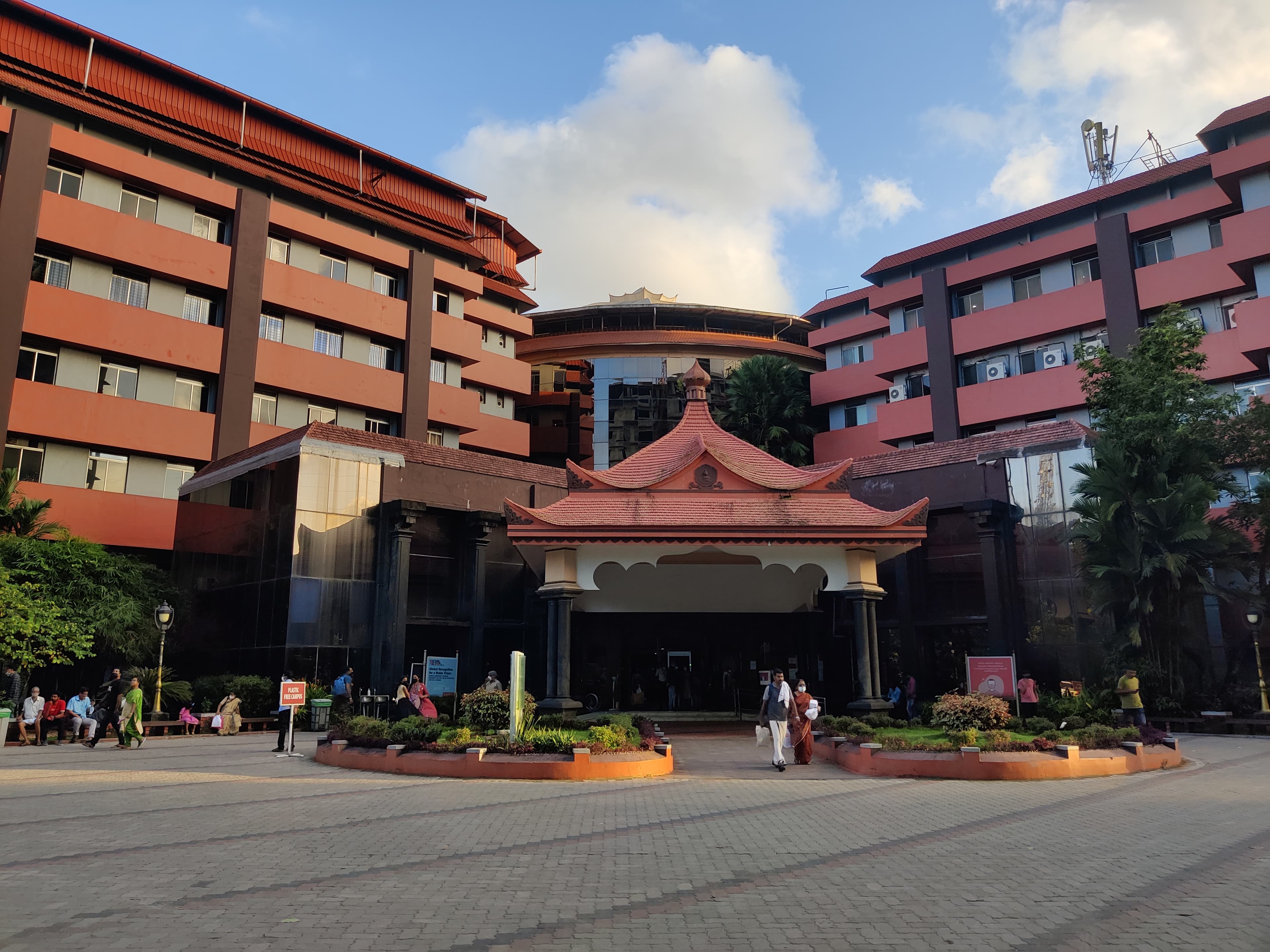
Amrita Hospital Kochi is a major teaching hospital in Kerala with extensive departments, advanced diagnostics and strong academic/research links. Established in 1998, it operates 1350 beds with 450 doctors across cardiology, oncology, haematology, neurology and orthopaedics, and holds NABH, NABL and ISO 9000:2015 accreditation, combining tertiary clinical care with medical education and research.

NABHNABLISO 9000:2015

450+

Specialists

1,350+

Beds

View Profile

Frequently asked questions

Endoscopic urethrotomy (cutting the stricture with a scope) is a simple procedure but has a high recurrence rate — particularly for strictures longer than 1.5 cm or those that have already been treated once. Studies show recurrence rates of 50–80% within 2 years for repeat urethrotomies. Urethroplasty — open surgical reconstruction using either the patient's own tissue or a buccal mucosal graft from the cheek — has long-term success rates of 85–95% and is the gold-standard for definitive treatment. If you have had two or more failed urethrotomies or have a long, dense stricture, your urologist will likely recommend urethroplasty. Our partner surgeons will review your urethrogram and history before you travel to confirm the optimal approach.

No fees. No commitment.

Our guidance is completely free

We are compensated by our partner hospitals — never by patients. You get independent clinical matching, cost transparency, and end-to-end coordination at no cost to you.

Message us on WhatsApp