
CureSureMedico
|
EN

Robotic Prostate Surgery

Urology

payments

Starting from

$11,200

Up to $19,150 depending on centre

schedule

Typical duration

7–14 days

Including pre-operative work-up

arrow_downwardlocal_hospital

Partner hospitals

1

Vetted for outcome data & accreditation

Dr. Rodina Ainasoa

Content reviewed for medical accuracy by: Dr. Rodina Ainasoa · Medical Content Writer & Health Communications

Overview

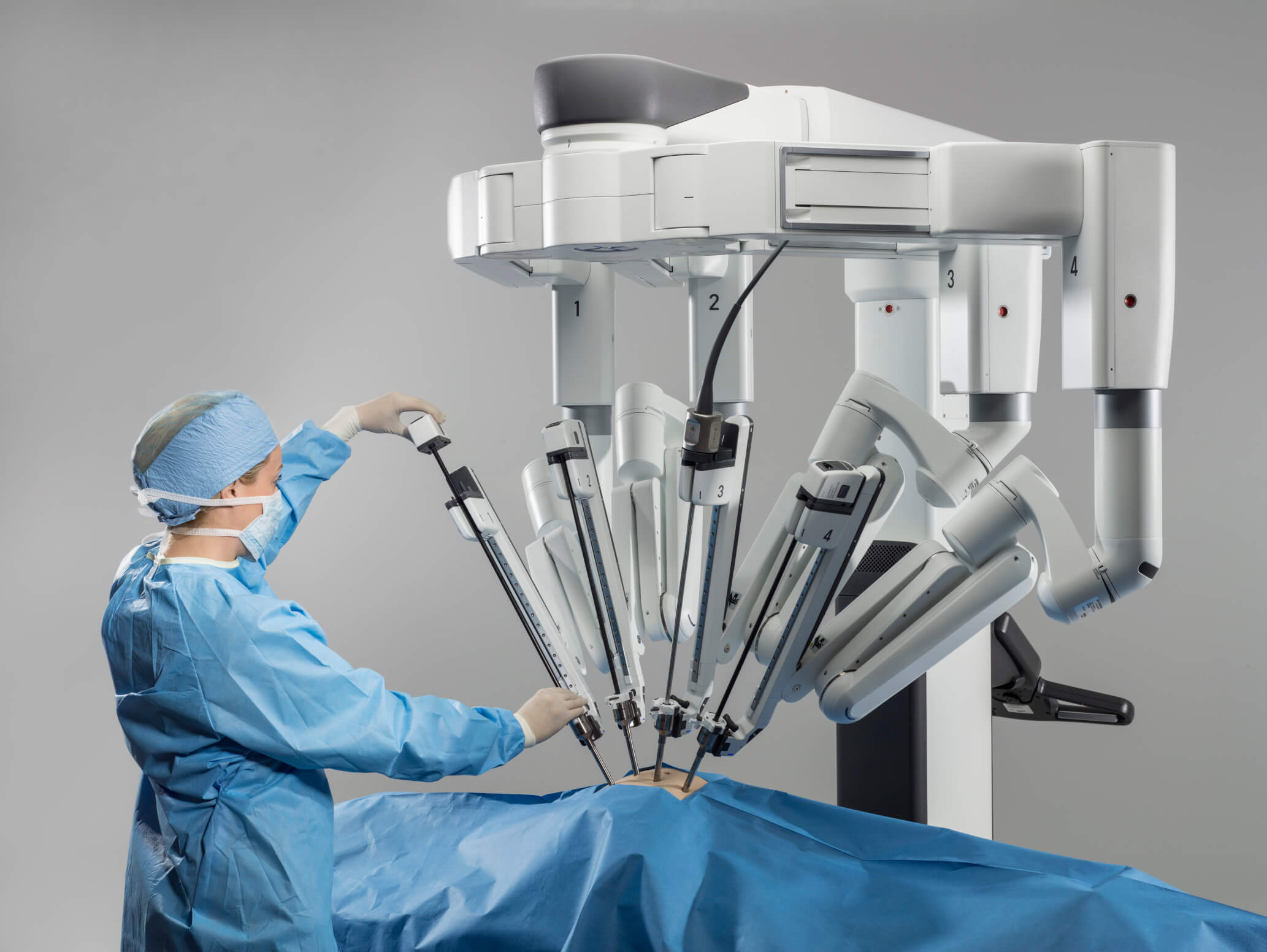
Robot-assisted radical prostatectomy (RARP) uses the da Vinci surgical system to remove the prostate with unmatched precision, preserving the delicate nerve bundles that control continence and sexual function. International patients choose India, Turkey, and Thailand for world-class robotic centers at a fraction of Western costs.

Your case is matched to a centre on the basis of clinical outcome data, not marketing. We coordinate every step — from pre-operative work-up to post-treatment follow-up — with a dedicated care coordinator.

What's included

Pre-operative consultation and prostate staging workup (PSA, biopsy review, MRI fusion)
Robot-assisted radical prostatectomy with nerve-sparing technique
1–2 night hospital stay with private room, with the urinary catheter typically remaining in place for about a week
Post-operative pathology review and oncology follow-up
Dedicated patient coordinator and language interpreter
Airport transfer and accommodation assistance

Robotic Prostate Surgery

Coordinated from

$11,200

or message us on WhatsApp

No commitment required. Your data is never shared with third parties.

Robot-Assisted Radical Prostatectomy (RARP) vs. Open Radical Prostatectomy

Both approaches remove the entire prostate gland to treat localized prostate cancer, and studies show comparable long-term cancer control between them. The robotic approach uses small keyhole incisions and a magnified 3D camera, while open surgery uses a single larger incision. Which approach — and whether surgery at all — is right for you is a decision made jointly by your urologic oncologist based on your cancer stage, Gleason score, and overall health.

ParameterRobot-Assisted (RARP)Open Surgery
Blood loss during surgerySignificantly reduced compared to open surgery, per peer-reviewed meta-analysesHigher blood loss on average; transfusion is more often required
Typical hospital stayOften 1–2 days in high-volume centersTypically longer, often 3–5 days or more
Catheter duration after surgeryCommonly around 1 week, per Cleveland ClinicOften longer than with the robotic approach
Nerve-sparing / continence outcomesMeta-analyses report a modestly higher nerve-sparing rate and comparable or slightly better continence at 12 monthsComparable long-term continence when performed by an experienced surgeon
Best suited forMost localized prostate cancer cases where minimally invasive surgery is feasibleCases where robotic equipment or expertise is unavailable, or specific anatomical factors favor an open approach

The Procedure: Step by Step

Robot-assisted radical prostatectomy is performed under general anesthesia using a robotic surgical system controlled by the operating surgeon. Your surgical team will confirm the exact steps and whether nerve-sparing is feasible for your case based on cancer stage and location.

1

Positioning and port placement

The patient is positioned and several small keyhole incisions (ports) are made in the abdomen through which the robotic instruments and camera are inserted.

2

Dissection of the prostate

The surgeon, operating the robotic arms from a console, carefully dissects the prostate away from the bladder neck, seminal vesicles, and surrounding tissue, using the magnified 3D view to identify key structures.

3

Nerve-sparing technique, where feasible

If the cancer's location and stage allow, the surgeon attempts to preserve the neurovascular bundles that run alongside the prostate and are important for erectile function and continence. Whether this is possible depends on individual anatomy and how close the cancer is to these nerves.

4

Reconstruction and closure

Once the prostate is removed, the surgeon reconnects the bladder to the urethra (urethrovesical anastomosis) and places a urinary catheter to allow the connection to heal. Nearby lymph nodes may also be removed for staging if indicated.

Recovery Timeline

Recovery Timeline
Day 1–2

Most patients are discharged within 1–2 days in high-volume robotic centers, once pain is controlled and they are mobile, though this varies by hospital and individual recovery.

About 1 week

The urinary catheter is typically removed around one week after surgery, per Cleveland Clinic, once the healing bladder-to-urethra connection is confirmed to be secure.

3–6 weeks

Most patients return to normal light activity within several weeks, though heavy lifting and strenuous exercise are usually restricted for longer on your surgeon's advice.

3–12+ months

Urinary continence recovery is gradual: many patients regain good control within the first few months, and continence rates continue to improve up to 12 months, though a minority of patients experience longer-term leakage. Erectile function recovery is slower and more variable — when nerve-sparing is performed, meaningful recovery can take 12–24 months, and outcomes depend heavily on baseline function, age, and how much nerve tissue could be preserved; recovery is not guaranteed for every patient.

Source: Cleveland Clinic; peer-reviewed meta-analyses of RARP vs. open radical prostatectomy (Journal of Robotic Surgery; International Urology and Nephrology). Individual recovery varies and depends on cancer stage, baseline function, and whether nerve-sparing was feasible.

Known Risks & Limitations

  • Some degree of urinary incontinence is common in the weeks after surgery and improves for most patients over the following months, but a minority of patients experience longer-term leakage requiring further management.
  • Erectile dysfunction is a recognized risk, particularly when nerve-sparing is not feasible or baseline erectile function was already reduced; recovery, when it occurs, is gradual and not guaranteed.
  • As with any major surgery, there are risks of bleeding, infection, and complications related to anesthesia.
  • Rare complications can include injury to nearby structures such as the rectum or ureters, and fluid collections (lymphocele) if lymph nodes are removed.
  • A positive surgical margin — cancer cells found at the edge of the removed tissue — can occur and may require additional treatment such as radiation therapy; your surgeon will discuss this possibility based on your specific case.

Source: peer-reviewed meta-analyses of RARP vs. open radical prostatectomy outcomes (Journal of Robotic Surgery; International Urology and Nephrology); Cleveland Clinic and Mayo Clinic patient-education resources. Individual risk factors vary and should be discussed with your urologic oncologist.

The CureSureMedico Care Pathway

Remote oncology review

Share your PSA history, biopsy pathology report, Gleason score, and any imaging. Our coordination team forwards your case to a urologic oncologist for initial review before you travel, since surgery is only one of several options depending on your risk stratification.

Treatment-option discussion and surgical planning

The receiving urologic oncology team reviews whether robotic surgery, active surveillance, or radiation therapy best fits your cancer stage and personal circumstances, and — if surgery is recommended — assesses whether nerve-sparing is likely to be feasible.

Cost estimate and travel planning

A transparent cost estimate covering surgery, hospital stay, and follow-up is issued before you travel, along with guidance on how long you should expect to remain in-country for catheter removal and early recovery checks.

Surgery and in-hospital recovery

During your stay, the robotic prostatectomy is performed, and the surgical and nursing team monitors your early recovery, pain control, and catheter care before you are cleared to travel home.

Pathology handover and long-term follow-up coordination

We compile your surgical and pathology reports for your home urologist, who will manage ongoing PSA monitoring — typically every 3–6 months — and continence/erectile-function follow-up as your recovery continues.

Global cost comparison — Robotic Prostate Surgery

Average coordinated costs across our partner centres. Final pricing depends on clinical complexity and chosen hospital.

CountryAvg. costvs. cheapest
🇮🇳

India

New Delhi · Chennai · Bengaluru · Hyderabad · Mumbai · Kochi

Best value✓ Verified
$12,300
chevron_right
🇹🇷

Turkey

Istanbul

✓ Verified
$17,750
chevron_right

Costs are indicative estimates and vary by procedure specifics, hospital, and clinical complexity. Request a personalised estimate for your specific case.

Cost & recovery by procedure

This treatment category covers several different operations with different levels of invasiveness, recovery times, and costs. The country averages above blend all of them together — use the breakdown below for a more realistic, procedure-specific estimate.

Robot-Assisted Radical Prostatectomy

Using the da Vinci surgical system, the surgeon operates through several small (1–2 cm) abdominal ports, controlling magnified 3D instruments from a console to remove the entire prostate gland and seminal vesicles. It is the most common approach for localized prostate cancer at high-volume centers, offering more precise dissection than open surgery.

Typical recovery · 2–4 weeks

Most patients are discharged after 1–2 nights; a urinary catheter typically stays in place for about a week after surgery. Light activity resumes within 1–2 weeks and most return to normal activity within 2–4 weeks, with full recovery by 4–6 weeks. Bleeding, infection, and temporary urinary leakage are the main complications to watch for.

India

$9,500–$13,000

Turkey

$12,000–$17,750

Thailand

$25,000–$32,000

Nerve-Sparing Technique

During the prostatectomy, the surgeon carefully identifies and preserves the delicate neurovascular bundles running alongside the prostate that control erectile function, when the tumor location and stage make this oncologically safe. It is a technique applied within the same operation, not a separate procedure.

Typical recovery · 6–24 months

Continence typically returns over weeks to a few months, but return of erectile function is much slower and more variable — often taking 6–24 months, with outcomes depending heavily on age, baseline function, and how much nerve tissue could safely be spared. Some patients benefit from early use of PDE5 inhibitors (like sildenafil) to support recovery, referred to as penile rehabilitation.

India

$10,000–$13,500

Turkey

$12,500–$18,000

Thailand

Estimate pending verification — ask your care coordinator for a current quote

Pelvic Lymph Node Dissection

Nearby pelvic lymph nodes are removed and sent for pathology to check whether prostate cancer has spread beyond the gland, using the same robotic ports as the main procedure. It is recommended for patients with intermediate- or high-risk disease based on PSA, Gleason score, and imaging.

Typical recovery · 2–4 weeks

Adds modestly to operating time but rarely extends hospital stay beyond the main procedure's 1–2 nights. The main complication to watch for is a lymphocele (fluid collection), occurring in roughly 5–10% of patients, which occasionally needs drainage; leg swelling from lymphatic disruption is less common.

India

$10,500–$14,000

Turkey

Estimate pending verification — ask your care coordinator for a current quote

Thailand

Estimate pending verification — ask your care coordinator for a current quote

Salvage Robotic Prostatectomy

A robotic prostatectomy performed after the prostate has already been treated with radiation therapy, for cancer that has recurred locally. Scar tissue from prior radiation makes the dissection significantly more difficult and is reserved for carefully selected patients at centers experienced in salvage surgery.

Typical recovery · 6–10 weeks

Hospital stay and catheter duration are typically longer than a first-time (primary) prostatectomy, and recovery of continence is slower and less complete due to radiation-related tissue changes. Rectal injury, urinary strictures, and long-term incontinence are more common than after primary surgery, so this is performed only at experienced referral centers.

India

Estimate pending verification — ask your care coordinator for a current quote

Turkey

Estimate pending verification — ask your care coordinator for a current quote

Thailand

Estimate pending verification — ask your care coordinator for a current quote

Cost ranges are indicative estimates for international patients and vary with implant choice, number of levels treated, surgeon, and hospital. Request a personalised quote for your specific case.

Clinical detail: AAOS OrthoInfo, Mayo Clinic Health System, Cleveland Clinic. Cost ranges cross-checked across multiple independent medical-tourism sources per country where marked; ranges flagged "pending verification" could not be independently confirmed at the time of writing.

Partner hospitals

1 centres
View all hospitals
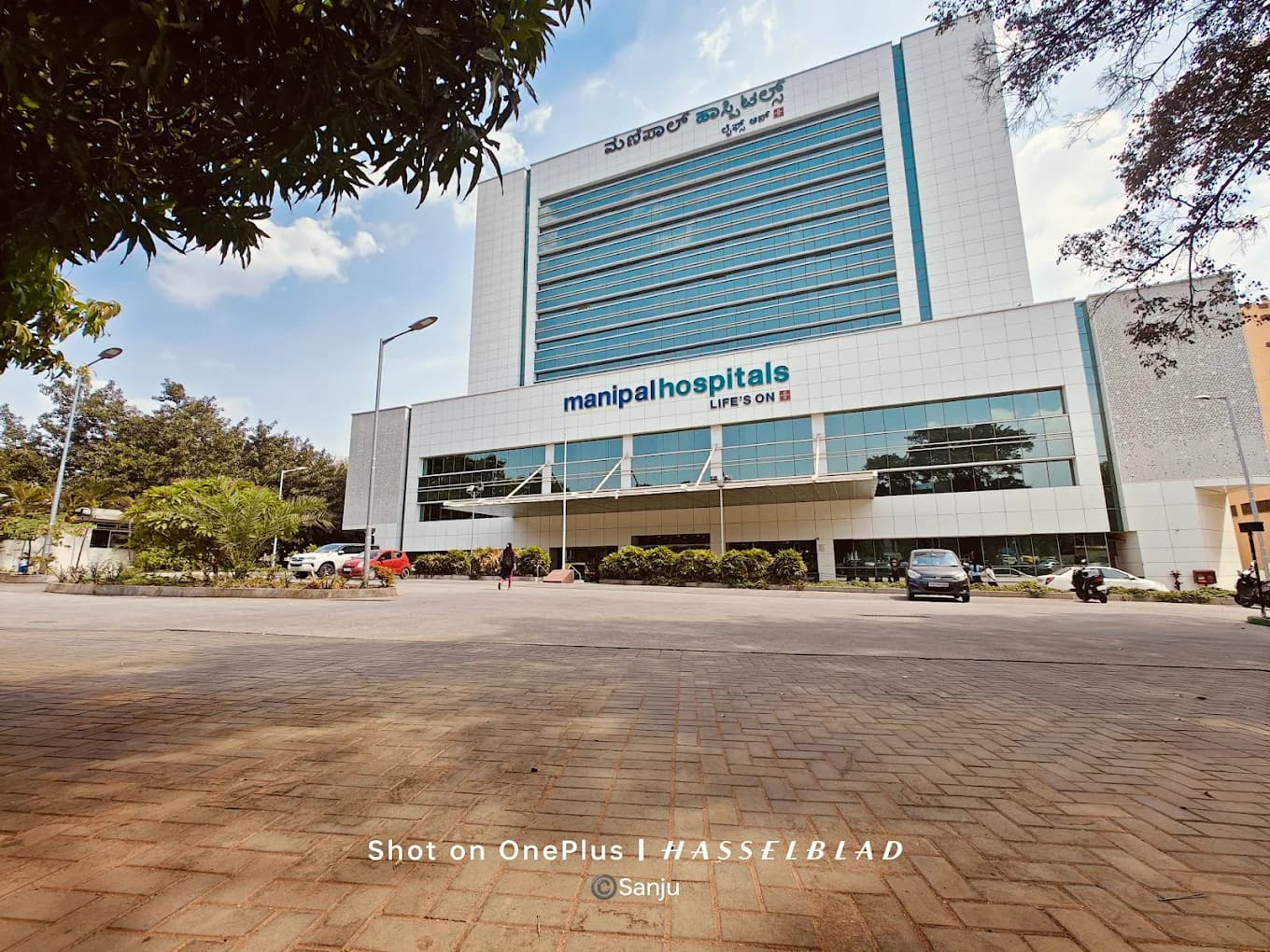
Manipal Hospital Old Airport Road

Manipal Hospital Old Airport Road

Bengaluru, India

Manipal Hospitals Old Airport Road is the flagship and founding campus of one of India's largest healthcare networks, established in 1991 on HAL Old Airport Road, Kodihalli, Bengaluru. Part of the Manipal Education and Medical Group (MEMG), the network spans 49 hospitals and 12,600+ beds across India. The Old Airport Road campus anchors the group's academic and clinical identity, housing specialist institutes including the Manipal Institute for Joint Replacement and Robotic Surgery (MIJRRS), the Manipal Robotic Spine Surgery centre (MIRSS), the Manipal Skull Base Institute (MSBI), and the Manipal Institute for Bariatric Surgery (MIBS). Its quaternary-level capabilities cover cardiology, oncology, neurosurgery, organ transplantation, orthopaedics, spine surgery, bariatric surgery, and paediatrics, all within a NABH and NABL accredited environment. The hospital provides dedicated international patient services through the Manipal Global network, with support for visa, travel, language, and end-to-end care coordination.

NABHNABL

264+

Specialists

600+

Beds

View Profile

Frequently asked questions

Robotic prostatectomy (RARP) offers significantly less blood loss, smaller incisions, and a faster return to normal light activity compared to open surgery — often within 3–6 weeks versus 6–8 weeks. Studies show comparable long-term cancer control rates. Continence recovery is gradual: many patients regain good urinary control within the first few months, with rates continuing to improve up to 12 months, though a minority of patients experience longer-term leakage. Erectile function recovery is slower and more variable — it depends heavily on whether nerve-sparing was feasible and each patient's baseline function, is not guaranteed, and can take 12–24 months when it occurs.

No fees. No commitment.

Our guidance is completely free

We are compensated by our partner hospitals — never by patients. You get independent clinical matching, cost transparency, and end-to-end coordination at no cost to you.

Message us on WhatsApp