CureSureMedico
|
EN

Bone Marrow Transplant

Transplant

payments

Starting from

$11,000

Up to $80,000 depending on centre

schedule

Typical duration

30–60 days

Including pre-operative work-up

arrow_downwardlocal_hospital

Partner hospitals

73

Vetted for outcome data & accreditation

Dr. Rodina Ainasoa

Content reviewed for medical accuracy by: Dr. Rodina Ainasoa · Medical Content Writer & Health Communications

Overview

Haematopoietic stem cell transplantation to replace diseased or damaged bone marrow, used in blood cancers, bone marrow failure syndromes, and certain genetic disorders including sickle cell disease.

Your case is matched to a centre on the basis of clinical outcome data, not marketing. We coordinate every step — from pre-operative work-up to post-treatment follow-up — with a dedicated care coordinator.

What's included

Pre-transplant evaluation & HLA typing
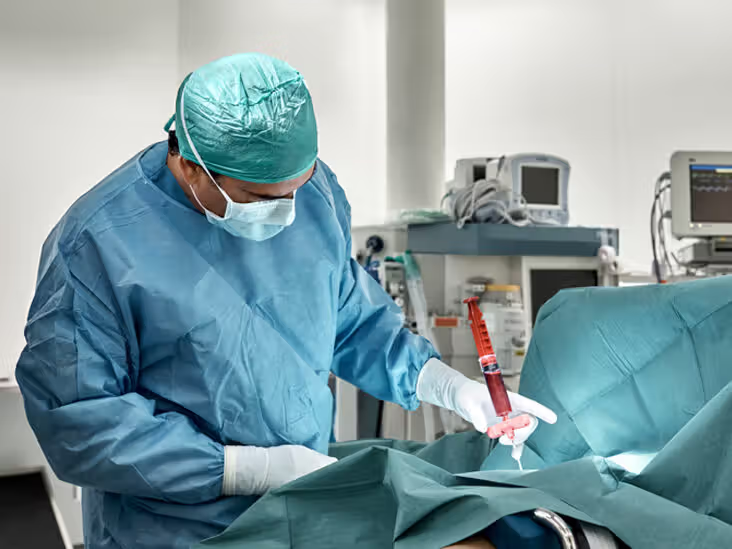
Conditioning regimen & transplant procedure
Post-transplant isolation & monitoring
Haematologist & nursing team fees
Interpreter & care coordinator
Long-term follow-up plan at home

Bone Marrow Transplant

Coordinated from

$11,000

or message us on WhatsApp

No commitment required. Your data is never shared with third parties.

Autologous vs. Allogeneic Bone Marrow/Stem Cell Transplant

Bone marrow (haematopoietic stem cell) transplants use either the patient's own stem cells or stem cells from a donor. Which type is appropriate, if either, is determined by a haematology and transplant team based on the underlying disease, donor availability, and the patient's overall health — never a self-assessment.

ParameterAutologousAllogeneic
Stem cell source & typical useUses the patient's own previously collected and stored stem cells; commonly used for conditions such as multiple myeloma and certain lymphomas, per Mayo Clinic and Cleveland Clinic.Uses stem cells from a matched donor (a relative, an unrelated donor, or in some cases a haploidentical/partially matched relative); used for leukaemias, bone marrow failure syndromes, and certain genetic disorders including sickle cell disease, per Cleveland Clinic.
Conditioning & donor work-upConditioning chemotherapy (with or without radiation) is given before the patient's own stored stem cells are reinfused; no donor-matching process is required.Requires HLA (tissue-type) matching of a donor before conditioning; conditioning regimens are also intended to suppress the immune system so the donor cells are not rejected, per Cleveland Clinic.
Graft-versus-host disease (GVHD) riskNot applicable — the patient's own cells cannot trigger graft-versus-host disease.A key risk specific to allogeneic transplant, in which donor immune cells react against the recipient's tissues; chronic GVHD has been reported in an estimated 30% to 50% of allogeneic recipients in published studies, per the National Marrow Donor Program (NMDP)/Be The Match.
Hospital stay & monitoring periodInitial hospitalisation is generally shorter, with most patients recovering within about two months, per Mayo Clinic.Typically requires a longer hospital stay for conditioning and monitoring, and patients are generally advised to stay near the transplant centre for about the first 100 days after transplant, per Cleveland Clinic.
Overall recovery timelineMost patients recover within about two months, per Mayo Clinic.Full recovery, including immune system recovery, can take several months to more than a year, per Mayo Clinic and Cleveland Clinic.

The Procedure: Step by Step

The description below outlines the general bone marrow/stem cell transplant process. Your haematology and transplant team will confirm the specific steps and timeline for your case, which depends on your diagnosis and transplant type.

1

Evaluation, HLA typing & stem cell collection or donor work-up

A haematology and transplant team evaluates the patient's diagnosis and overall health; for an autologous transplant, the patient's own stem cells are collected and stored in advance, while an allogeneic transplant requires HLA typing and identification of a suitably matched donor, per Cleveland Clinic.

2

Conditioning regimen

Chemotherapy and/or radiation therapy is given to treat the underlying disease and make room in the bone marrow for the new stem cells; for allogeneic transplant, conditioning also suppresses the immune system to help prevent rejection. This phase typically requires roughly one to two weeks of hospitalisation, per Cleveland Clinic.

3

Stem cell infusion

Stem cells are infused through a central venous catheter, similar to a blood transfusion; the infusion itself typically takes about 30 minutes to a few hours, per Cleveland Clinic.

4

Engraftment & close monitoring

It typically takes about 10 days to two weeks for the new stem cells to begin producing blood cells in the bone marrow (engraftment); blood counts remain very low during this window, so patients are closely monitored in hospital for infection and bleeding risk, per Mayo Clinic and Cleveland Clinic.

Recovery Timeline

Recovery Timeline
30 min–a few hrs

The stem cell infusion itself typically takes about 30 minutes to a few hours, similar to a blood transfusion, per Cleveland Clinic.

10 days–2 weeks

Engraftment — the new stem cells beginning to produce blood cells — typically takes about 10 days to two weeks; blood counts are very low during this period, with a high risk of infection and bleeding, per Mayo Clinic and Cleveland Clinic.

~100 days

For allogeneic transplants, patients are generally advised to stay near the transplant centre for about the first 100 days for close monitoring of engraftment and graft-versus-host disease, per Cleveland Clinic.

2 months–1+ yr

Most autologous transplant patients recover within about two months, while allogeneic transplant patients may need several months to more than a year for full immune system recovery; individual timelines vary by disease and transplant type, per Mayo Clinic and Cleveland Clinic.

Source: Mayo Clinic; Cleveland Clinic. Individual recovery and results vary and are guided by your haematology and transplant team.

Known Risks & Limitations

  • Blood counts remain very low for about two weeks after transplant, during which patients are at high risk for infection and bleeding, per Mayo Clinic.
  • Acute graft-versus-host disease can affect allogeneic transplant recipients, generally starting 10 to 90 days after transplant; published data report it can occur in up to an estimated 50% of recipients of an HLA-matched sibling donor transplant, with higher rates linked to less closely matched donors, per Cleveland Clinic and the National Marrow Donor Program (NMDP)/Be The Match.
  • Chronic graft-versus-host disease, generally starting around 90 to 600 days after transplant, has been reported in an estimated 30% to 50% of allogeneic recipients in published data and can persist for years, per the National Marrow Donor Program (NMDP)/Be The Match.
  • Veno-occlusive disease (also called sinusoidal obstruction syndrome), a liver complication linked to the conditioning regimen, has been reported at varying rates across studies — for example, a cumulative incidence of around 2% to 4% in some adult cohort studies — with incidence depending heavily on the conditioning regimen and transplant type, per peer-reviewed and EBMT registry studies.
  • As with any transplant, graft failure, anaemia, and other complications are possible; overall risk depends on the underlying disease, transplant type, and the patient's age and health, per Mayo Clinic.

Source: Mayo Clinic; Cleveland Clinic; National Marrow Donor Program (NMDP)/Be The Match; peer-reviewed and EBMT registry studies of graft-versus-host disease and veno-occlusive disease. No procedure is without risk; your transplant team will review your individual case.

The CureSureMedico Care Pathway

Remote clinical review

Share your diagnosis, prior treatment history, and lab results, and let us know whether a potential donor is available or already HLA-typed. Our coordination team forwards your case to a haematology and transplant team for an initial candidacy assessment.

Donor matching & centre coordination

Where an allogeneic transplant is indicated, HLA typing and donor-search or donor-health evaluation is arranged; where an autologous transplant is planned, stem cell collection and storage logistics are coordinated with the receiving centre.

Clinic matching & estimate

A consolidated cost estimate covering pre-transplant work-up, donor evaluation (if applicable), the conditioning regimen and transplant procedure, and the initial monitoring period is issued before you travel.

Transplant & early recovery

Travel, final pre-transplant work-up, the conditioning regimen, stem cell infusion, and the initial hospital stay through engraftment are coordinated with your care team throughout.

Continuity of care post-return

A discharge summary, medication plan, and follow-up schedule are shared with your home haematologist before you travel home, with remote coordination available for ongoing monitoring and any questions that arise.

Global cost comparison — Bone Marrow Transplant

Average coordinated costs across our partner centres. Final pricing depends on clinical complexity and chosen hospital.

CountryAvg. costvs. cheapest
🇮🇳

India

New Delhi · Chennai · Bengaluru · Hyderabad · Mumbai · Kochi

Best value✓ Verified
$18,000
chevron_right
🇹🇷

Turkey

Istanbul

Estimate
$65,000
chevron_right
🇹🇭

Thailand

Bangkok · Phuket · Chiang Mai

Estimate
$35,000
chevron_right

Costs are indicative estimates and vary by procedure specifics, hospital, and clinical complexity. Request a personalised estimate for your specific case.

Partner hospitals

73 centres
View all hospitals
Hospital Medica Sur

Hospital Medica Sur

Mexico City, Mexico

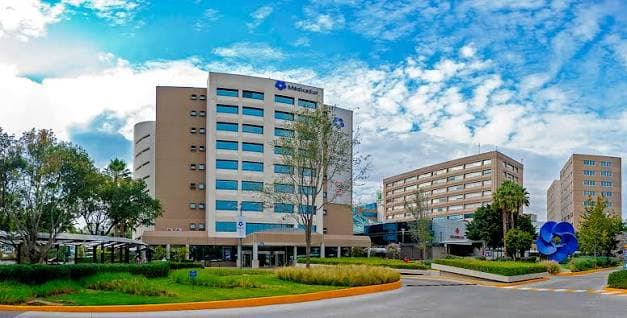
Hospital Médica Sur is a world-class tertiary referral centre in Tlalpan, Mexico City, recognised as Mexico's best hospital for six consecutive years by Newsweek's World's Best Hospitals ranking (2026). The hospital is the first and only institution in Latin America to join the Mayo Clinic Care Network — with a dedicated Mayo Clinic office on-site since 2018 — and is one of only four JCI-accredited hospitals in Mexico. Its 35+ specialty centres span the full spectrum of high-complexity medicine: robotic surgery (Da Vinci X), Gamma Knife radiosurgery, organ transplantation (150+ procedures since 2002), bariatric surgery, oncology, neurosurgery, nephrology, and orthopaedics.
JCIMayo Clinic Care Network

200+

Specialists

220+

Beds

View Profile
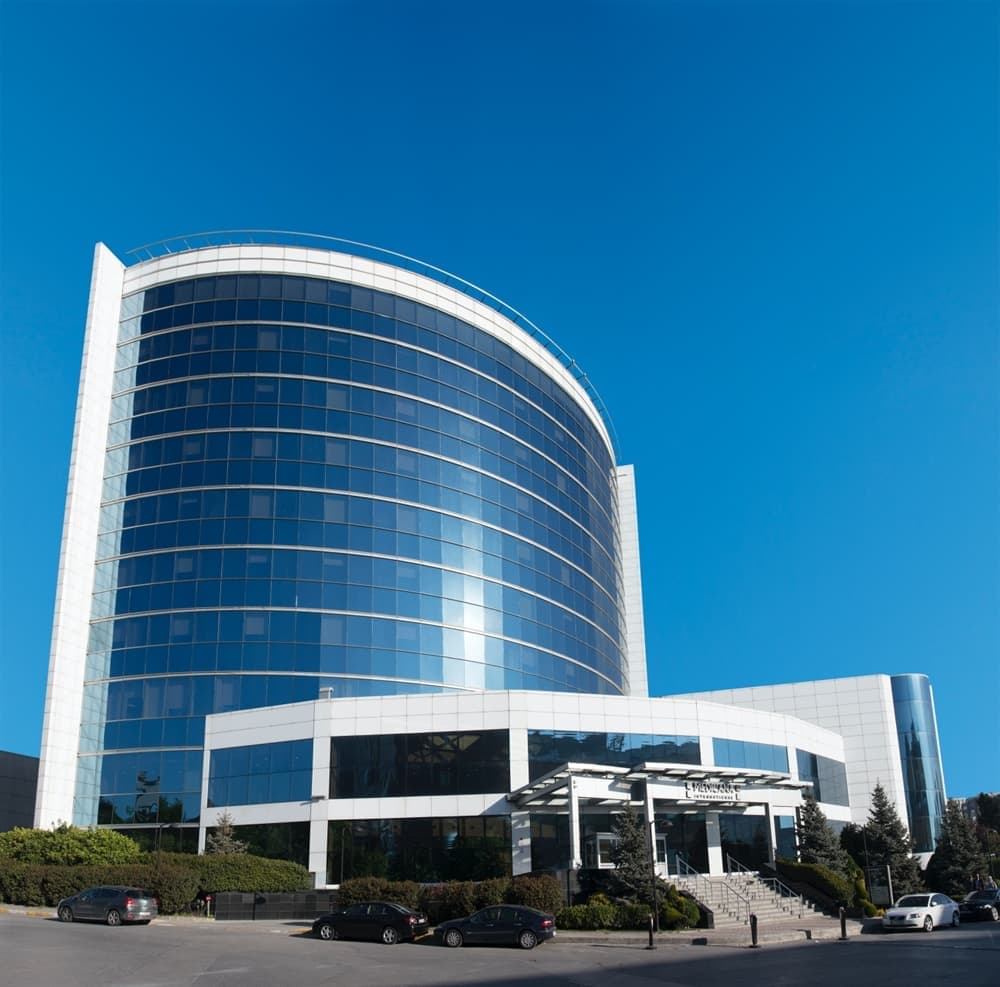
Memorial Hospitals Group

Memorial Hospitals Group

Istanbul, Turkey

Memorial Hospitals Group is Turkey's most internationally recognised private hospital network, founded in 1995 and opened to patients in February 2000. Its flagship Sisli campus in Istanbul was the first hospital in Turkey — and 21st in the world — to receive JCI accreditation in 2002, with uninterrupted renewals ever since. Across 11 hospitals and 2 medical centres, Memorial hosts 1,300+ physicians and treats 75,000 international patients per year from 167 countries. The group is celebrated for cardiac surgery (1,400+ operations/year), organ transplantation (including Turkey's first blood-type-incompatible kidney transplant), IVF (10,000+ babies born), oncology with TrueBeam and CyberKnife, and robotic neurosurgery.

JCIISO 15189:2022

1,300+

Specialists

252+

Beds

View Profile
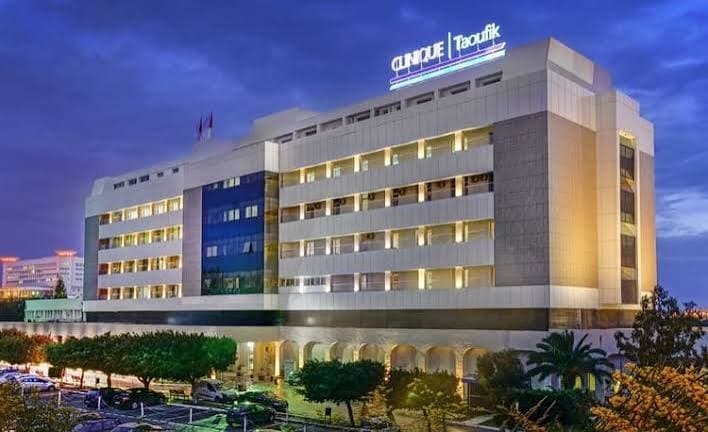
Taoufik Hospital Group

Taoufik Hospital Group

Tunis, Tunisia

Taoufik Hospitals Group (THG) is Tunisia's first multi-site hospital network covering all medical-surgical specialties, founded in 2014 and expanded through four successive acquisitions to include Clinique Taoufik, Clinique Soukra, Clinique Ezzahra, and Clinique Hannibal across Tunis. The group operates 626 beds, 100 ICU beds, and 30 operating rooms, recording over 180,000 admissions per year across 24 specialties including cardiology, oncology, neurology, orthopaedics, fertility, nephrology, and paediatrics. THG holds France Accreditation and Bureau Veritas certification, and provides dedicated international patient services including a 48-hour cost estimate, multilingual patient relations coordinators available throughout the stay, and fully transparent itemised billing.

France Accr.Bureau Veritas

200+

Specialists

626+

Beds

View Profile
Amrita Hospital

Amrita Hospital

Faridabad, India

Asia's largest private hospital — 2,600 beds, 64 operation theatres, 81 specialties on a 130-acre campus in Delhi NCR. NABH & NABL accredited. Centres of excellence in oncology, cardiac surgery, BMT, organ transplantation, neurosciences, and IVF.

NABHNABL

800+

Specialists

2,600+

Beds

View Profile

Frequently asked questions

BMT treats blood cancers (leukaemia, lymphoma, myeloma), bone marrow failure (aplastic anaemia), and genetic disorders including sickle cell disease and thalassaemia.

No fees. No commitment.

Our guidance is completely free

We are compensated by our partner hospitals — never by patients. You get independent clinical matching, cost transparency, and end-to-end coordination at no cost to you.

Message us on WhatsApp