
CureSureMedico
|
EN

Lung Transplant

Transplant

payments

Starting from

$45,000

Up to $260,000 depending on centre

schedule

Typical duration

45–120 days

Including pre-operative work-up

arrow_downwardlocal_hospital

Partner hospitals

2

Vetted for outcome data & accreditation

Dr. Rodina Ainasoa

Content reviewed for medical accuracy by: Dr. Rodina Ainasoa · Medical Content Writer & Health Communications

Overview

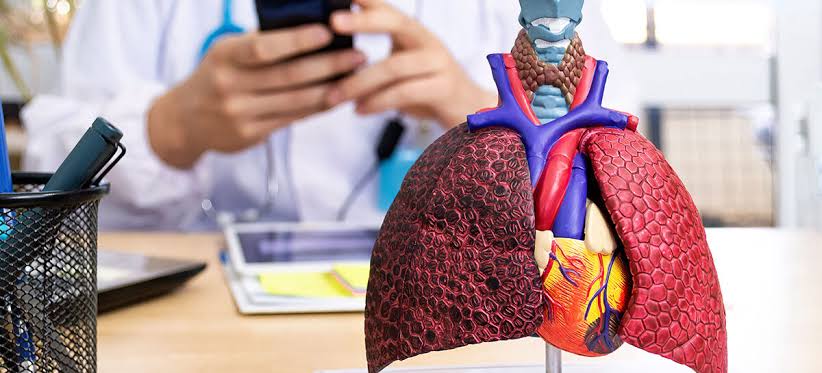
Single and bilateral (double) lung transplantation for patients with end-stage pulmonary diseases such as COPD, pulmonary fibrosis, and cystic fibrosis. A small number of internationally accredited centers in India and Thailand offer this complex surgery with dedicated thoracic transplant teams.

Your case is matched to a centre on the basis of clinical outcome data, not marketing. We coordinate every step — from pre-operative work-up to post-treatment follow-up — with a dedicated care coordinator.

What's included

Full pre-transplant pulmonary function and cardiopulmonary workup
Lung transplant surgery, thoracic surgical and perfusion team fees
Post-operative ICU care and pulmonary rehabilitation initiation
Immunosuppression initiation and bronchoscopic surveillance
Dedicated transplant coordinator and interpreter services
Telemedicine-based follow-up protocol for home country physicians

Lung Transplant

Coordinated from

$45,000

or message us on WhatsApp

No commitment required. Your data is never shared with third parties.

Global cost comparison — Lung Transplant

Average coordinated costs across our partner centres. Final pricing depends on clinical complexity and chosen hospital.

CountryAvg. costvs. cheapest
🇮🇳

India

New Delhi · Chennai · Bengaluru · Hyderabad · Mumbai · Kochi

Best value
$60,000
chevron_right
🇹🇷

Turkey

Istanbul

$210,000
chevron_right
🇹🇭

Thailand

Bangkok · Phuket · Chiang Mai

$220,000
chevron_right

Costs are indicative estimates and vary by procedure specifics, hospital, and clinical complexity. Request a personalised estimate for your specific case.

Cost & recovery by procedure

This treatment category covers several different operations with different levels of invasiveness, recovery times, and costs. The country averages above blend all of them together — use the breakdown below for a more realistic, procedure-specific estimate.

Bilateral Lung Transplant

Both diseased lungs are removed and replaced with two donor lungs from a single deceased donor, usually through a clamshell or bilateral thoracotomy incision. It is the preferred approach for suppurative lung diseases such as cystic fibrosis and bronchiectasis, and is increasingly used for COPD and pulmonary fibrosis where donor availability allows, generally offering better long-term survival than a single-lung transplant.

Typical recovery · 3–6 months

Patients typically spend 1–3 weeks in ICU followed by 2–4 more weeks on the ward, for an overall hospital stay of around 4–6 weeks. Most transplant programs require staying within 1–2 hours of the center for a further 2–3 months for frequent bronchoscopic surveillance biopsies and management of acute rejection or infection. Meaningful return to normal activity generally takes 3–6 months, with lifelong immunosuppression and follow-up thereafter.

India

$70,000–$150,000

Turkey

Estimate pending verification — ask your care coordinator for a current quote

Thailand

Estimate pending verification — ask your care coordinator for a current quote

Single Lung Transplant

One diseased lung is removed and replaced with a single donor lung, usually through a thoracotomy on the affected side, leaving the other native lung in place. It is more commonly used for pulmonary fibrosis and emphysema in older or higher-risk candidates, and makes more efficient use of a scarce donor organ pool, though survival is generally somewhat lower than with a bilateral transplant.

Typical recovery · 3–5 months

Hospital stay is typically 3–5 weeks, including 1–2 weeks in ICU. Because only one lung is transplanted, the remaining native lung can be a source of infection or, in emphysema, progressive native-lung hyperinflation — both are monitored closely alongside standard rejection surveillance. Most patients need 3–5 months to reach a stable recovery point, with lifelong immunosuppression and monitoring continuing after that.

India

$60,000–$120,000

Turkey

Estimate pending verification — ask your care coordinator for a current quote

Thailand

Estimate pending verification — ask your care coordinator for a current quote

Living-Donor Lobar Lung Transplant

A lobe from each of two living donors, typically family members, is transplanted to replace a recipient's diseased lungs — an option used only at a handful of highly specialized centers worldwide when a deceased-donor organ cannot be secured in time, most often for critically ill smaller-stature or pediatric recipients. Both donors undergo a separate major lobectomy operation with their own recovery and risk.

Typical recovery · 4–6 months

Recipient recovery follows a similar course to bilateral transplant but is often complicated by starting from a more critically ill baseline, with hospital stays frequently extending beyond 4–6 weeks; each living donor separately requires roughly 1–2 weeks in hospital and 6–8 weeks before returning to normal activity. Because this procedure exposes two healthy donors to major surgical risk for one recipient, it is offered only at a very small number of centers globally with a dedicated living-donor lung program — it is not something most international medical-tourism centers in India, Turkey, or Thailand currently offer.

India

Estimate pending verification — ask your care coordinator for a current quote

Turkey

Estimate pending verification — ask your care coordinator for a current quote

Thailand

Estimate pending verification — ask your care coordinator for a current quote

Cost ranges are indicative estimates for international patients and vary with implant choice, number of levels treated, surgeon, and hospital. Request a personalised quote for your specific case.

Clinical detail: AAOS OrthoInfo, Mayo Clinic Health System, Cleveland Clinic. Cost ranges cross-checked across multiple independent medical-tourism sources per country where marked; ranges flagged "pending verification" could not be independently confirmed at the time of writing.

Partner hospitals

2 centres
View all hospitals
Amrita Hospital

Amrita Hospital

Faridabad, India

Asia's largest private hospital — 2,600 beds, 64 operation theatres, 81 specialties on a 130-acre campus in Delhi NCR. NABH & NABL accredited. Centres of excellence in oncology, cardiac surgery, BMT, organ transplantation, neurosciences, and IVF.

NABHNABL

800+

Specialists

2,600+

Beds

View Profile
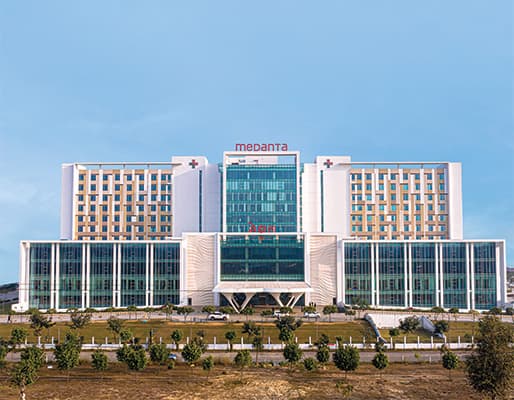
Medanta – The Medicity

Medanta – The Medicity

Gurugram, India

Medanta – The Medicity is India's #1 hospital (Newsweek World's Best Hospitals 2026), founded by renowned cardiovascular surgeon Dr. Naresh Trehan on a 43-acre campus in Sector 38, Gurugram. The flagship facility operates 1,391 beds including 270+ ICU beds, 40 operating theatres, and 900+ experienced physicians across 30+ specialties. Medanta is the only Indian private hospital to be consistently ranked among the world's top 150 medical facilities, and receives over 20,000 international patients annually from more than 130 countries. Its centres of excellence span cardiac care, oncology, neurosciences, organ transplantation, gastrosciences, and orthopaedics, backed by JCI, NABH, and NABL accreditation.

JCINABHNABL

900+

Specialists

1,391+

Beds

View Profile

Frequently asked questions

Lung transplant patients have the longest mandatory in-country stay of any solid organ transplant. After surgery, patients typically spend 2–4 weeks in ICU, followed by 3–6 weeks on the ward and in an outpatient rehab program. Most programs require the patient to remain within 1–2 hours of the hospital for at least 2–3 months post-transplant for bronchoscopic surveillance and management of early rejection or infection. Budget for a minimum 60–90 day stay for the patient and one accompanying caregiver.

No fees. No commitment.

Our guidance is completely free

We are compensated by our partner hospitals — never by patients. You get independent clinical matching, cost transparency, and end-to-end coordination at no cost to you.

Message us on WhatsApp