CureSureMedico
|
EN

Corneal Transplant

Transplant

payments

Starting from

$2,000

Up to $17,600 depending on centre

schedule

Typical duration

14–21 days

Including pre-operative work-up

arrow_downwardlocal_hospital

Partner hospitals

1

Vetted for outcome data & accreditation

Dr. Rodina Ainasoa

Content reviewed for medical accuracy by: Dr. Rodina Ainasoa · Medical Content Writer & Health Communications

Overview

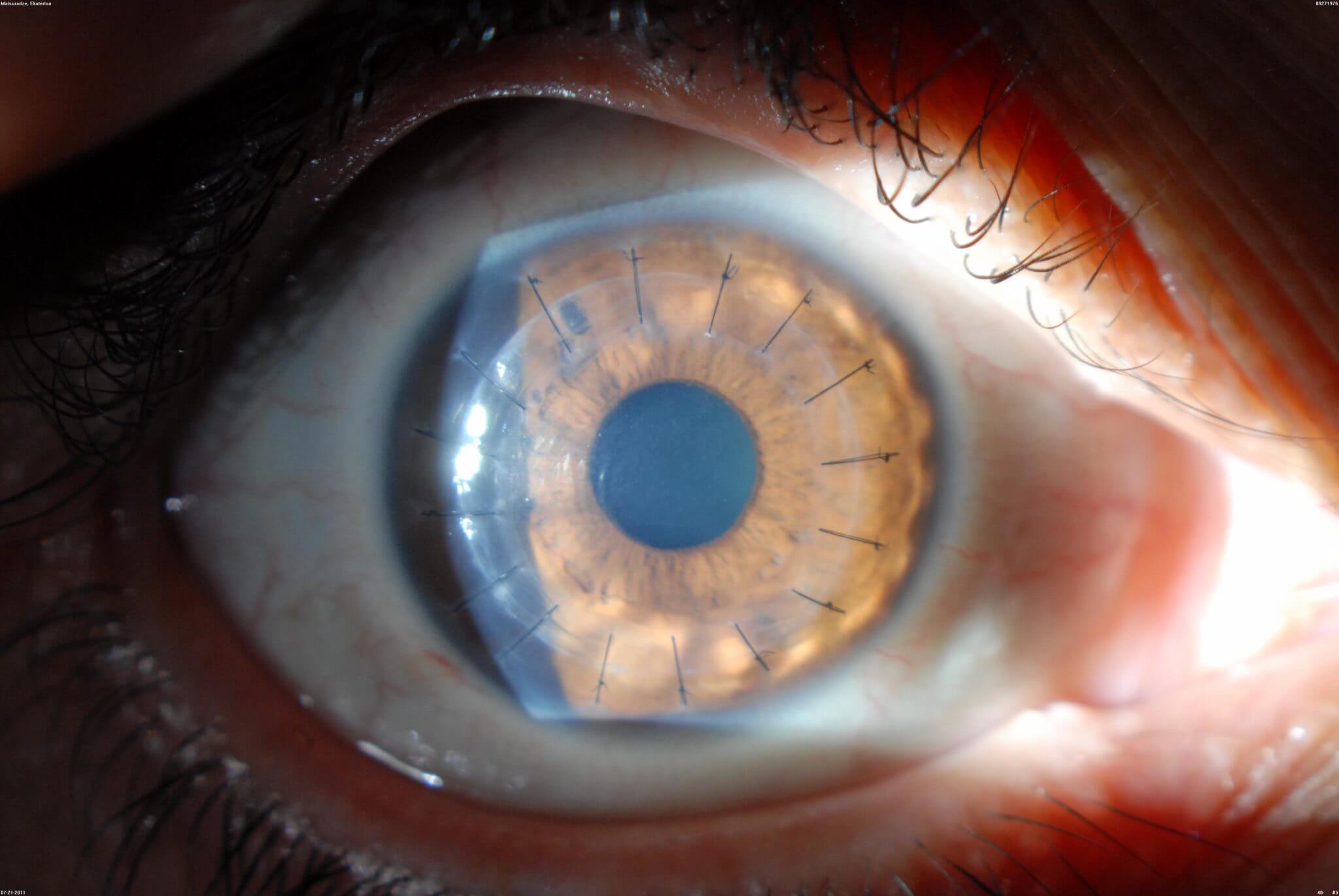
Advanced corneal transplantation procedures — including DALK, DSEK/DMEK, and full-thickness penetrating keratoplasty — to restore vision lost to corneal disease, injury, or dystrophy. India and Turkey offer highly skilled corneal specialists with short waiting times for donor tissue and costs 60–70% below Western prices.

Your case is matched to a centre on the basis of clinical outcome data, not marketing. We coordinate every step — from pre-operative work-up to post-treatment follow-up — with a dedicated care coordinator.

What's included

Pre-operative slit-lamp examination, corneal topography, and specular microscopy
Corneal transplant surgery and anesthesia (topical/regional)
Donor cornea procurement and tissue banking fees
Post-operative medications (steroids, antibiotic eye drops) for initial period
Follow-up visits for suture management and graft monitoring
Medical coordinator, interpreter, and accommodation guidance

Corneal Transplant

Coordinated from

$2,000

or message us on WhatsApp

No commitment required. Your data is never shared with third parties.

Full-Thickness (PK) vs. Partial-Thickness (Lamellar) Corneal Transplant

Corneal transplants either replace the full thickness of the cornea (penetrating keratoplasty, PK) or replace only the diseased layer while preserving healthy tissue (lamellar techniques — DALK for the front layers, DSAEK/DMEK for the back endothelial layer). The right choice depends on which corneal layers are damaged.

ParameterFull-Thickness (PK)Partial-Thickness (DALK / DSAEK / DMEK)
What it isThe entire thickness of the diseased cornea is removed and replaced with a full-thickness donor graft, secured with sutures, per the American Academy of Ophthalmology (AAO).Only the damaged corneal layer is replaced — DALK removes the front layers while preserving the patient's own healthy endothelium; DSAEK/DMEK replace only the back endothelial layer, per the AAO.
Setting & anaesthesiaPerformed in an operating theatre; many patients go home the same day after a short stay in the recovery area, per Cleveland Clinic.Also performed as outpatient or short-stay surgery; DMEK/DSAEK typically involve smaller incisions than PK.
Visual recoverySlowest to reach stable best-corrected vision — a ten-year outcomes study found a median time of 37.9 months to reach 6/12 vision or better, and Cleveland Clinic notes full recovery of eyesight can take up to a year.Faster visual recovery — the same ten-year outcomes study found a median time to reach 6/12 vision or better of 7.8 months for DMEK and 12.4 months for DSAEK.
Graft rejection risk (10-year)13% cumulative rejection rate at 10 years in the same study.DMEK had the lowest rejection rate of the three techniques compared (10% at 10 years), while DSAEK was higher (19%); DALK removes the endothelium-rejection risk entirely because the patient's own endothelium is preserved.
Long-term graft survivalDespite slower recovery and a mid-range rejection rate, PK showed the highest 10-year graft survival of the three techniques compared (92%) in the same study.DMEK and DSAEK showed lower 10-year graft survival (75% and 73% respectively) than PK in the same study, despite their faster recovery and generally lower rejection rates.

The Procedure: Step by Step

The steps below describe the general corneal transplant process. The specific technique — full-thickness PK or a partial-thickness lamellar approach — is chosen based on which corneal layers are affected by your condition (see comparison above).

1

Pre-operative evaluation

Corneal topography, pachymetry, and specular microscopy (endothelial cell count) map the health and shape of your cornea to confirm your candidacy and the most suitable technique.

2

Donor tissue matching

Donor corneal tissue is sourced from an accredited eye bank meeting international medical standards, such as those set by the Eye Bank Association of America (EBAA); EBAA standards call for a preservation time of 11 days or less before use.

3

Removal and replacement of corneal tissue

Depending on the chosen technique, either the full thickness of the diseased cornea or only the affected layer is removed and replaced with the donor tissue; a full-thickness graft is fastened with very small sutures, per Cleveland Clinic.

4

Recovery room monitoring

You are monitored as the anaesthesia wears off, with a follow-up examination typically scheduled for the next day for outpatient cases, per Cleveland Clinic.

Recovery Timeline

Recovery Timeline
Day 1

Most corneal transplants are done on an outpatient basis; you go home after a short stay in the recovery area, with a follow-up exam typically the next day, per Cleveland Clinic.

First months

You will use prescribed eye drops for several months to support healing and prevent infection and rejection, and should avoid touching or rubbing the eye, per Cleveland Clinic.

Months 6–12+ (DMEK/DSAEK)

Lamellar endothelial techniques recover faster — a ten-year outcomes study found a median time to reach 6/12 vision or better of 7.8 months for DMEK and 12.4 months for DSAEK.

Up to ~1–3 years (PK)

Full-thickness PK recovers more slowly: Cleveland Clinic notes full recovery of eyesight can take up to a year and sutures are usually left in place for several months at minimum before your surgeon judges it safe to remove them; the same ten-year outcomes study found a median time of 37.9 months to reach 6/12 vision or better after PK.

Source: Cleveland Clinic; American Academy of Ophthalmology; ten-year outcomes study on DMEK, DSAEK, and PK (PMC). Individual recovery varies and is guided by your surgical team.

Known Risks & Limitations

  • Graft rejection can occur at any time; up to 30% of corneal transplant recipients experience at least one rejection episode in a given year, per NCBI/StatPearls, though rejection episodes can often be reversed with prompt treatment.
  • Rejection risk and graft survival differ meaningfully by technique — at 10 years, cumulative rejection was 10% for DMEK, 13% for PK, and 19% for DSAEK in one outcomes study, while DALK avoids endothelial rejection entirely because it preserves the patient's own endothelium.
  • The most important individual risk factor for rejection is the degree of corneal neovascularization (blood vessel growth) in the recipient's eye, along with a prior rejected graft or certain chronic eye conditions, per NCBI/StatPearls.
  • Two-year graft survival exceeds 90% in first-time, low-risk recipients but falls to roughly 35–70% in patients with high-risk factors for rejection, per NCBI/StatPearls.
  • As with any procedure involving anaesthesia or sedation, there are anaesthesia-related risks your medical team will review with you individually.

Source: NCBI/StatPearls (Corneal Graft Rejection); ten-year outcomes study on DMEK, DSAEK, and PK (PMC). No procedure is without risk; your surgical team will review your individual risk factors.

The CureSureMedico Care Pathway

Remote clinical review

Share your corneal imaging (topography, pachymetry, endothelial cell count) and diagnosis. Our coordination team forwards your case to a corneal specialist to confirm the most suitable technique for your condition.

Donor tissue & clinic matching

Your partner centre checks donor corneal tissue availability at an accredited eye bank before your estimate is finalised, so your travel can be scheduled with confidence.

Consolidated estimate

A cost estimate covering the procedure, donor tissue and processing fees, anaesthesia, and initial follow-up is issued before you travel, based on the recommended technique.

Surgery & short-stay recovery

Most corneal transplants are outpatient or brief-stay procedures, with your care team monitoring healing and scheduling slit-lamp follow-up exams before you are cleared to travel home.

Continuity of care post-return

A treatment summary — including the technique used, suture management plan, and a rejection-warning-signs protocol — is shared with your home ophthalmologist for ongoing monitoring.

Global cost comparison — Corneal Transplant

Average coordinated costs across our partner centres. Final pricing depends on clinical complexity and chosen hospital.

CountryAvg. costvs. cheapest
🇮🇳

India

New Delhi · Chennai · Bengaluru · Hyderabad · Mumbai · Kochi

Best value✓ Verified
$3,000
chevron_right
🇹🇷

Turkey

Istanbul

✓ Verified
$8,000
chevron_right
🇹🇭

Thailand

Bangkok · Phuket · Chiang Mai

Estimate
$14,000
chevron_right

Costs are indicative estimates and vary by procedure specifics, hospital, and clinical complexity. Request a personalised estimate for your specific case.

Partner hospitals

1 centres
View all hospitals
Amrita Hospital

Amrita Hospital

Faridabad, India

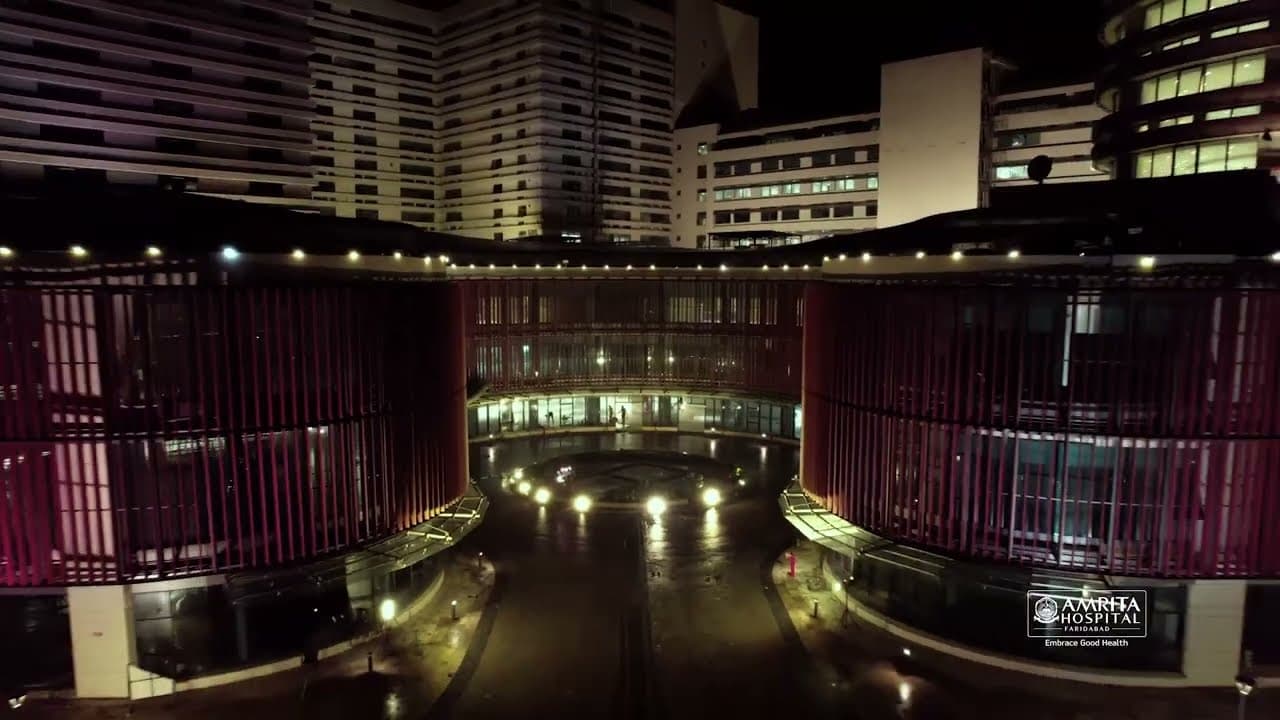
Asia's largest private hospital — 2,600 beds, 64 operation theatres, 81 specialties on a 130-acre campus in Delhi NCR. NABH & NABL accredited. Centres of excellence in oncology, cardiac surgery, BMT, organ transplantation, neurosciences, and IVF.

NABHNABL

800+

Specialists

2,600+

Beds

View Profile

Frequently asked questions

Recovery depends heavily on the type of transplant. Endothelial procedures (DSEK/DMEK) typically offer faster recovery — many patients see significant improvement within 1–3 months. Full-thickness penetrating keratoplasty takes longer, with best-corrected vision often not achieved for 12–18 months due to suture-induced astigmatism. DALK falls between these timelines. The initial recovery period requiring close monitoring is 2–3 weeks, after which you can return home with a detailed protocol for your local ophthalmologist, including suture removal timing and rejection surveillance.

No fees. No commitment.

Our guidance is completely free

We are compensated by our partner hospitals — never by patients. You get independent clinical matching, cost transparency, and end-to-end coordination at no cost to you.

Message us on WhatsApp