CureSureMedico
|
EN

Liver Transplant

Transplant

payments

Starting from

$35,000

Up to $150,000 depending on centre

schedule

Typical duration

21–45 days

Including pre-operative work-up

arrow_downwardlocal_hospital

Partner hospitals

72

Vetted for outcome data & accreditation

Dr. Rodina Ainasoa

Content reviewed for medical accuracy by: Dr. Rodina Ainasoa · Medical Content Writer & Health Communications

Overview

Surgical replacement of a diseased liver with a healthy donor organ, indicated for end-stage liver disease, acute liver failure, or primary liver cancer.

Your case is matched to a centre on the basis of clinical outcome data, not marketing. We coordinate every step — from pre-operative work-up to post-treatment follow-up — with a dedicated care coordinator.

What's included

Pre-transplant evaluation & tissue typing
Surgical team & organ coordination fees
Post-operative ICU monitoring
Immunosuppressant initiation
Interpreter & care coordinator
Long-term follow-up plan at home

Liver Transplant

Coordinated from

$35,000

or message us on WhatsApp

No commitment required. Your data is never shared with third parties.

Living-Donor vs. Deceased-Donor Liver Transplant

A liver transplant can use a partial liver from a living donor or a full liver from a deceased donor. Which option is appropriate, if either, is determined by a transplant hepatology and surgical team based on donor availability, blood/tissue compatibility, and the recipient's clinical urgency — never a self-assessment.

ParameterLiving-Donor (LDLT)Deceased-Donor (DDLT)
Donor evaluation & waiting timeRequires a willing, medically and psychologically screened living donor (often a relative); once matched, transplantation can typically proceed within weeks of evaluation, per Columbia University Department of Surgery.Depends on an organ becoming available through the deceased-donor allocation system; wait times vary by country, blood type, and disease severity, and roughly 1 in 5 patients on the waiting list will die or become too sick to transplant before a liver becomes available, per Mayo Clinic.
Graft size & regenerationUp to about 70% of the donor's liver can be safely removed; both the donor's remaining liver and the transplanted portion typically regenerate to near full size within three to four weeks, per Mayo Clinic.The recipient receives a complete liver from the deceased donor, sized to the recipient rather than regenerated from a partial graft.
Complication profileAssociated with a higher overall rate of perioperative surgical complications, predominantly biliary (bile duct) complications, per a surgeon-matched comparison study published on PubMed.Complications occur less frequently than with living-donor surgery but tend to be more serious when they do occur, and are more strongly associated with graft loss, per the same comparison study.
Survival outcomesThree- and five-year graft and patient survival are comparable to deceased-donor transplantation despite the different complication profile, per published surgeon-matched outcome studies.Three- and five-year graft and patient survival are comparable to living-donor transplantation, per the same outcome studies.
Candidacy & suitabilityRequires an eligible, willing donor and a centre with living-donor surgical expertise; the choice between living and deceased donor is made by the transplant team based on donor availability and clinical urgency, per Mayo Clinic.Does not require an available living donor, but is subject to allocation-list wait times and donor-organ availability; suitability is assessed by the same multidisciplinary transplant team.

The Procedure: Step by Step

The description below outlines the general liver transplant process for the recipient. Your transplant hepatology and surgical team will confirm the specific steps and timeline for your case.

1

Pre-transplant evaluation & listing or donor work-up

A transplant hepatologist and surgical team evaluate liver disease severity, overall health, and either list the patient for a deceased-donor organ or begin compatibility testing and evaluation of a prospective living donor, per Cleveland Clinic.

2

Abdominal incision & removal of the diseased liver

Under general anaesthesia, the surgeon makes an incision across the abdomen, separates the liver from its surrounding ligaments, clamps the bile ducts and connecting blood vessels, and removes the diseased liver, per Cleveland Clinic. The full operation typically takes up to 12 hours.

3

Implantation of the donor liver

The new liver (a full deceased-donor organ or a partial living-donor graft) is placed and its blood vessels and bile ducts are connected to restore blood flow and bile drainage, per Cleveland Clinic.

4

Closure & transfer to intensive care

The incision is closed and the patient is transferred to the intensive care unit on a ventilator until fully conscious and breathing independently, typically within 24 to 48 hours, per Cleveland Clinic.

Recovery Timeline

Recovery Timeline
1–2 days

Most patients with an uncomplicated post-operative course and good early graft function remain in intensive care for one to two days before transfer to an inpatient transplant ward, per Cleveland Clinic.

1–3 weeks

Patients typically remain in hospital for an additional one to three weeks after leaving intensive care to continue recovery and immunosuppression monitoring, per Cleveland Clinic.

First months

Follow-up visits are frequent after discharge — usually once or twice a week for the first few months, then weekly until six months, and monthly after the first year — to monitor liver function and adjust immunosuppressant medication, per Cleveland Clinic.

3–12 months

Most people return to work within about three months, with a return to all other normal activities typically expected within six to twelve months, per Cleveland Clinic.

Source: Cleveland Clinic. Individual recovery and results vary and are guided by your transplant hepatology and surgical team.

Known Risks & Limitations

  • Acute cellular rejection episodes occur in an estimated 25–50% of recipients within the first year, though over 90% of these episodes are successfully treated with a high-dose course of intravenous steroids, per published peer-reviewed studies of liver transplant rejection.
  • Bile leak is a recognised complication, with reported rates varying by graft type — around 7–10% after deceased-donor transplants and considerably higher, in the range of 11–36%, after living-donor transplants — per peer-reviewed multicentre studies of post-transplant biliary complications; stent placement successfully resolves the large majority of early bile leaks.
  • Post-procedural haemorrhage (bleeding) has been reported at roughly 3–5% in controlled clinical studies of liver transplantation, per peer-reviewed trial data.
  • Donor-liver (graft) failure occurs in an estimated 5% of transplants, and ongoing organ rejection despite medication affects roughly another 5% of recipients, per Cleveland Clinic.
  • Overall surgical survival is high — about 90% of recipients survive the transplant surgery itself, roughly 73–80% are alive at five years, and over half remain alive at 20 years — but a transplant requires lifelong immunosuppressant medication and follow-up, per Cleveland Clinic and published national outcome registries.

Source: Cleveland Clinic; peer-reviewed multicentre studies of liver transplant rejection and biliary complications; published national transplant outcome registries. No procedure is without risk; your transplant team will review your individual case.

The CureSureMedico Care Pathway

Remote clinical review

Share your diagnosis, liver disease history, imaging, and lab results, and let us know whether a potential living donor is available. Our coordination team forwards your case to a transplant hepatology and surgical team for an initial candidacy assessment.

Donor matching & centre coordination

Where a living donor is available, compatibility and donor-health evaluation is arranged; where a deceased-donor pathway applies, the receiving centre coordinates listing and allocation procedures. Where relevant, this includes the regulatory review that foreign-national living-donor cases require in the treating country.

Clinic matching & estimate

A consolidated cost estimate covering pre-transplant work-up, donor evaluation (if applicable), surgery, and initial post-operative monitoring is issued before you travel.

Transplant surgery & early recovery

Travel, final pre-operative work-up, the transplant surgery itself, and the initial intensive-care and inpatient recovery period are coordinated with your care team throughout.

Continuity of care post-return

A discharge summary, immunosuppression regimen, and follow-up schedule are shared with your home hepatologist before you travel home, with remote coordination available for ongoing monitoring and any questions that arise.

Global cost comparison — Liver Transplant

Average coordinated costs across our partner centres. Final pricing depends on clinical complexity and chosen hospital.

CountryAvg. costvs. cheapest
🇮🇳

India

New Delhi · Chennai · Bengaluru · Hyderabad · Mumbai · Kochi

Best value✓ Verified
$38,750
chevron_right
🇹🇷

Turkey

Istanbul

✓ Verified
$50,000
chevron_right
🇹🇭

Thailand

Bangkok · Phuket · Chiang Mai

Estimate
$115,000
chevron_right

Costs are indicative estimates and vary by procedure specifics, hospital, and clinical complexity. Request a personalised estimate for your specific case.

Cost & recovery by procedure

This treatment category covers several different operations with different levels of invasiveness, recovery times, and costs. The country averages above blend all of them together — use the breakdown below for a more realistic, procedure-specific estimate.

Living Donor Liver Transplant (LDLT)

A portion of a healthy living donor's liver — usually a close relative — is surgically removed and transplanted into the recipient; both the donor's remaining liver and the transplanted portion regenerate to near-full size within weeks to months. It is the main option where deceased-donor organs are scarce, and allows transplant timing to be planned rather than dependent on a waiting list.

Typical recovery · 2–3 months

Recipients typically spend 10–14 days in hospital, including several days in ICU, with fuller recovery and return to normal activity taking 2–3 months; lifelong immunosuppression and regular monitoring follow. Donors usually stay 5–7 days and return to work within 6–8 weeks. Watch for organ rejection, bile leaks, infection, and blood clots in the recipient; donor surgery carries its own real risk, with reported donor mortality of roughly 0.1–0.5% and a meaningful chance of complications such as bleeding or bile leak — donor safety is evaluated as carefully as recipient outcome.

India

$25,000–$40,000

Turkey

$30,000–$55,000

Thailand

Estimate pending verification — ask your care coordinator for a current quote

Deceased Donor Liver Transplant (DDLT)

A liver from a deceased donor is transplanted as a whole organ or a split graft into the recipient. It is used when no suitable living donor is available or a patient needs urgent transplantation, and organ availability depends heavily on the local deceased-donor pool and waiting-list allocation rules, which vary significantly by country and can limit access for international patients.

Typical recovery · 3–6 months

Hospital stay is typically 2–3 weeks including ICU monitoring, with most patients needing 3–6 months before resuming normal activity and lifelong immunosuppression and follow-up thereafter. Organ rejection, infection, bile duct complications, and blood clots are the main risks in the initial months, and close coordination with a transplant hepatologist continues long after discharge.

India

Estimate pending verification — ask your care coordinator for a current quote

Turkey

$35,000–$60,000

Thailand

$45,000–$90,000

Cost ranges are indicative estimates for international patients and vary with implant choice, number of levels treated, surgeon, and hospital. Request a personalised quote for your specific case.

Clinical detail: AAOS OrthoInfo, Mayo Clinic Health System, Cleveland Clinic. Cost ranges cross-checked across multiple independent medical-tourism sources per country where marked; ranges flagged "pending verification" could not be independently confirmed at the time of writing.

Partner hospitals

72 centres
View all hospitals
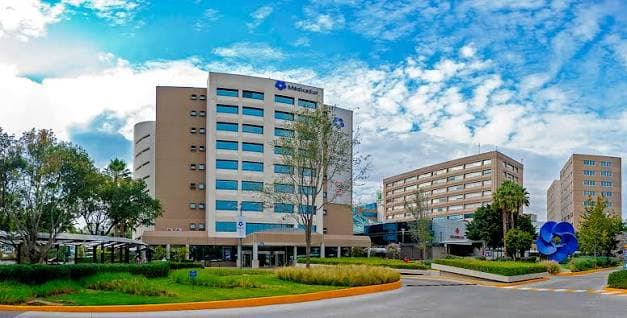
Hospital Medica Sur

Hospital Medica Sur

Mexico City, Mexico

Hospital Médica Sur is a world-class tertiary referral centre in Tlalpan, Mexico City, recognised as Mexico's best hospital for six consecutive years by Newsweek's World's Best Hospitals ranking (2026). The hospital is the first and only institution in Latin America to join the Mayo Clinic Care Network — with a dedicated Mayo Clinic office on-site since 2018 — and is one of only four JCI-accredited hospitals in Mexico. Its 35+ specialty centres span the full spectrum of high-complexity medicine: robotic surgery (Da Vinci X), Gamma Knife radiosurgery, organ transplantation (150+ procedures since 2002), bariatric surgery, oncology, neurosurgery, nephrology, and orthopaedics.
JCIMayo Clinic Care Network

200+

Specialists

220+

Beds

View Profile
Memorial Hospitals Group

Memorial Hospitals Group

Istanbul, Turkey

Memorial Hospitals Group is Turkey's most internationally recognised private hospital network, founded in 1995 and opened to patients in February 2000. Its flagship Sisli campus in Istanbul was the first hospital in Turkey — and 21st in the world — to receive JCI accreditation in 2002, with uninterrupted renewals ever since. Across 11 hospitals and 2 medical centres, Memorial hosts 1,300+ physicians and treats 75,000 international patients per year from 167 countries. The group is celebrated for cardiac surgery (1,400+ operations/year), organ transplantation (including Turkey's first blood-type-incompatible kidney transplant), IVF (10,000+ babies born), oncology with TrueBeam and CyberKnife, and robotic neurosurgery.

JCIISO 15189:2022

1,300+

Specialists

252+

Beds

View Profile
Amrita Hospital

Amrita Hospital

Faridabad, India

Asia's largest private hospital — 2,600 beds, 64 operation theatres, 81 specialties on a 130-acre campus in Delhi NCR. NABH & NABL accredited. Centres of excellence in oncology, cardiac surgery, BMT, organ transplantation, neurosciences, and IVF.

NABHNABL

800+

Specialists

2,600+

Beds

View Profile
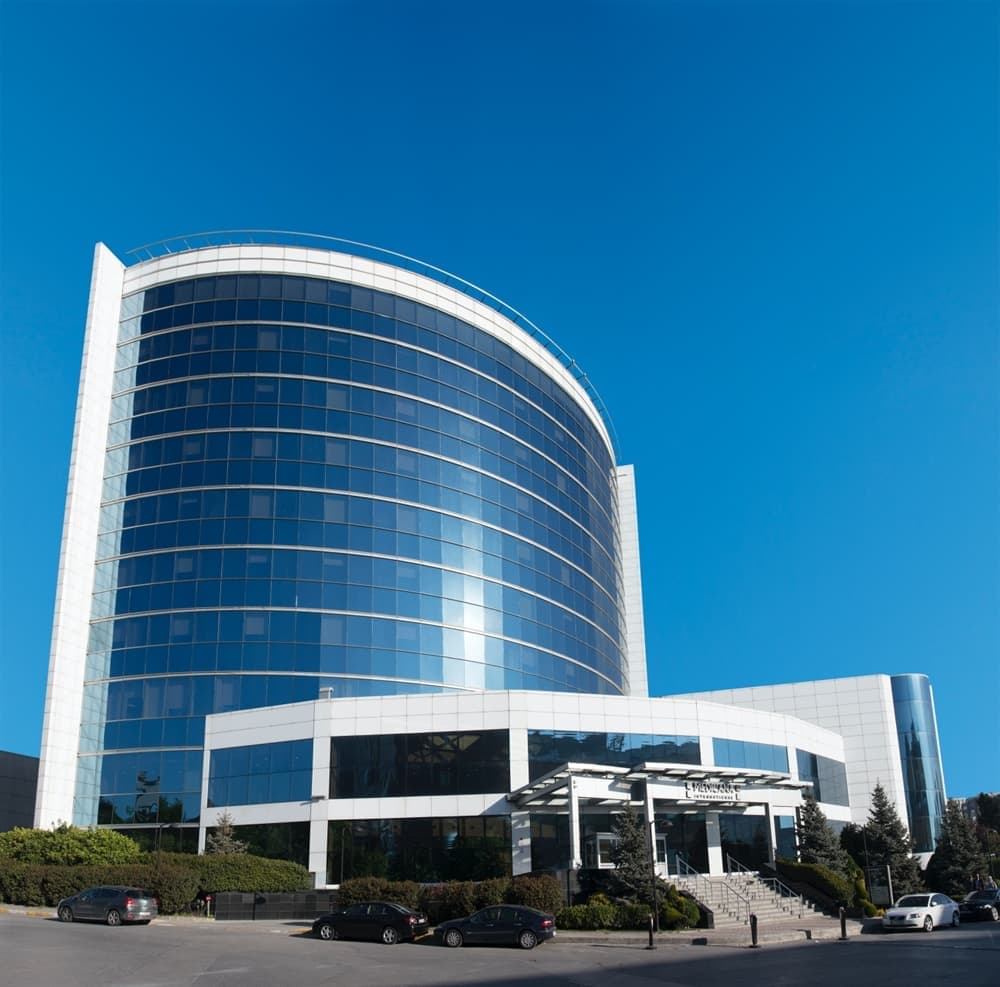
Medicana International

Medicana International

Istanbul, Turkey

Medicana International Beylikdüzü, founded in 2007, is a 30,000 m² multi-specialty hospital in Istanbul's Beylikdüzü district with 60+ clinical departments. The facility combines advanced oncology (MR-Linac, PET-CT, Linear Accelerator), cardiac care with dedicated coronary and cardiovascular surgery ICUs, a Bone Marrow Transplant Centre, organ transplantation (liver & kidney), an IVF/Assisted Reproduction Centre, and a full neurosurgery suite — all supported by Da Vinci robotic surgery and a multilingual International Patient Centre.

Health Tourism Authorizati…

200+

Specialists

200+

Beds

View Profile

Frequently asked questions

Living-donor transplants can proceed within weeks of evaluation. Deceased-donor wait times vary by country and blood type. We coordinate both pathways.

No fees. No commitment.

Our guidance is completely free

We are compensated by our partner hospitals — never by patients. You get independent clinical matching, cost transparency, and end-to-end coordination at no cost to you.

Message us on WhatsApp