
CureSureMedico
|
EN

Electrophysiology and cardiac ablation

Cardiology

payments

Starting from

$3,000

Up to $15,000 depending on centre

schedule

Typical duration

5–10 days

Including pre-operative work-up

arrow_downwardlocal_hospital

Partner hospitals

2

Vetted for outcome data & accreditation

Dr. Rodina Ainasoa

Content reviewed for medical accuracy by: Dr. Rodina Ainasoa · Medical Content Writer & Health Communications

Overview

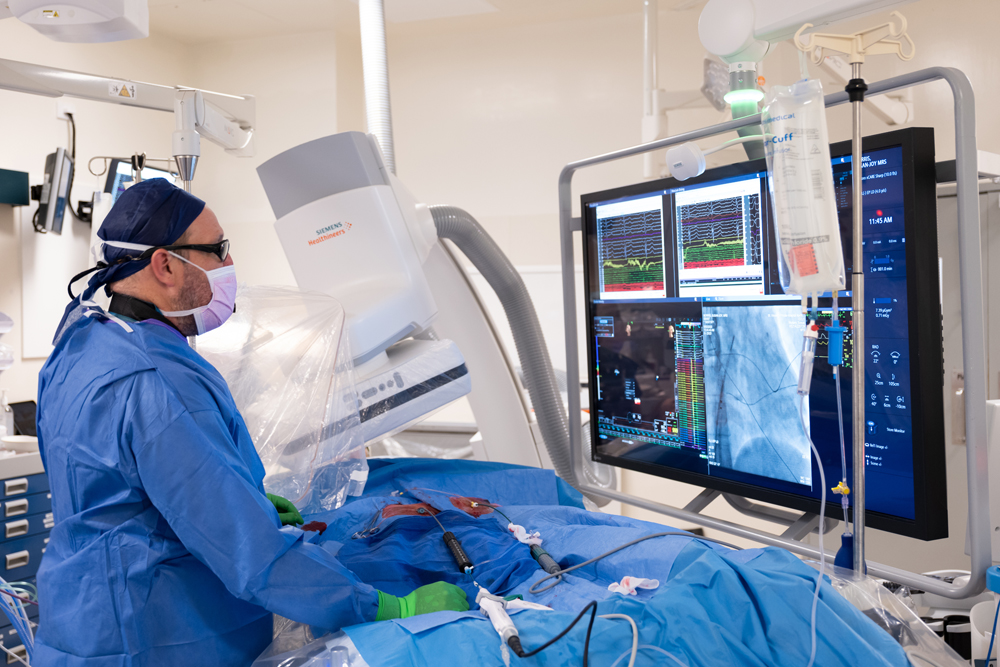
Cardiac electrophysiology studies and catheter ablation procedures diagnose and permanently eliminate the abnormal electrical circuits causing atrial fibrillation, SVT, atrial flutter, and other arrhythmias, often curing the condition without lifelong medication. Internationally accredited EP labs in India and Turkey offer 3D-mapping guided ablation using the latest CARTO and EnSite systems at costs 65–80% below comparable procedures in the US or UK.

Your case is matched to a centre on the basis of clinical outcome data, not marketing. We coordinate every step — from pre-operative work-up to post-treatment follow-up — with a dedicated care coordinator.

What's included

Pre-ablation 24–48 hour Holter monitor, transoesophageal echo (if needed), and EP consultation
Electrophysiologist fee and full cath-lab team costs
3D electroanatomical mapping system usage (CARTO or EnSite NavX)
Ablation catheter and access sheath costs
Overnight to 48-hour post-procedure cardiac monitoring stay
Rhythm check ECG and remote arrhythmia monitoring at discharge
30-day telemedicine follow-up to review rhythm status and medication wean plan

Electrophysiology and cardiac ablation

Coordinated from

$3,000

or message us on WhatsApp

No commitment required. Your data is never shared with third parties.

Global cost comparison — Electrophysiology and cardiac ablation

Average coordinated costs across our partner centres. Final pricing depends on clinical complexity and chosen hospital.

CountryAvg. costvs. cheapest
🇮🇳

India

New Delhi · Chennai · Bengaluru · Hyderabad · Mumbai · Kochi

Best value
$4,000
chevron_right
🇹🇷

Turkey

Istanbul

$9,000
chevron_right

Costs are indicative estimates and vary by procedure specifics, hospital, and clinical complexity. Request a personalised estimate for your specific case.

Cost & recovery by procedure

This treatment category covers several different operations with different levels of invasiveness, recovery times, and costs. The country averages above blend all of them together — use the breakdown below for a more realistic, procedure-specific estimate.

Atrial fibrillation (AF) catheter ablation

Thin catheters are threaded through a vein (usually in the groin) into the heart, and the tissue around the pulmonary veins is scarred with heat or extreme cold (pulmonary vein isolation) to block the abnormal electrical signals causing atrial fibrillation. It is used for AFib that has not responded well enough to medication.

Typical recovery · 4–6 weeks

Most patients stay overnight for rhythm monitoring and go home the next day, though same-day discharge is increasingly offered for straightforward cases. Mild fatigue, chest twinges, or a sense of skipped beats are common for the first days and typically settle within 4–6 weeks. A wearable rhythm monitor is often provided so the ablation team can review your heart rhythm remotely during your journey home, and a repeat procedure is sometimes needed if the arrhythmia recurs.

India

$4,000–$7,000

Turkey

$6,000–$10,000

Thailand

Estimate pending verification — ask your care coordinator for a current quote

SVT (supraventricular tachycardia) ablation

A catheter is used to locate and cauterize the small area of extra or short-circuiting electrical tissue causing episodes of supraventricular tachycardia (a sudden, fast heart rate), most commonly for AVNRT or AVRT. It is a shorter, more contained procedure than AFib ablation since it targets a single well-defined pathway.

Typical recovery · 2–4 weeks

Many patients go home the same day, two to three hours after the procedure, or after one overnight stay if the care team prefers observation. Groin-site soreness and mild fatigue are expected for a few days; most people return to light daily activity within days and feel fully recovered within 2–4 weeks. Success rates for SVT ablation are high, and most patients need no further arrhythmia medication afterward.

India

$2,500–$4,000

Turkey

$4,000–$6,000

Thailand

Estimate pending verification — ask your care coordinator for a current quote

Atrial flutter ablation

A line of ablation is created across a specific strip of heart tissue (the cavotricuspid isthmus) to permanently block the short-circuit loop that causes atrial flutter, a rapid but regular abnormal rhythm related to AFib. This is one of the most reliably curative ablation procedures performed.

Typical recovery · 2–4 weeks

Hospital stay is typically short — many patients are discharged the same day or after one overnight stay for monitoring. Mild tiredness or soreness at the catheter site resolves within days, and most people are back to normal activity within 2–4 weeks. A follow-up visit 2–4 weeks after the procedure checks that normal rhythm has held.

India

$2,500–$4,500

Turkey

$4,000–$7,000

Thailand

Estimate pending verification — ask your care coordinator for a current quote

Ventricular tachycardia (VT) ablation

Catheters are used to map and cauterize the abnormal circuit in the heart's lower (ventricular) chambers causing ventricular tachycardia, a potentially dangerous fast rhythm. It is typically reserved for patients with recurrent VT despite medication or an implantable defibrillator, and involves more extensive mapping than atrial ablations, especially when underlying structural heart disease is present.

Typical recovery · 1–2 weeks

Because VT often occurs alongside underlying heart disease, patients are typically monitored in a cardiac unit for a few days after the procedure rather than discharged same-day; average hospital stay is roughly 3–5 days. Fatigue and altered heart rhythm sensations can persist for a few weeks, but most patients report feeling substantially better within the first week. Ongoing follow-up with a cardiologist and, where fitted, defibrillator checks continue after you return home.

India

$5,500–$9,000

Turkey

$9,000–$14,000

Thailand

Estimate pending verification — ask your care coordinator for a current quote

Electrophysiology study (EPS)

A diagnostic (not curative) test in which catheters with electrodes are guided into the heart to record its electrical activity and try to reproduce an arrhythmia under controlled conditions, pinpointing where it starts and how it behaves. An EP study is frequently performed immediately before an ablation in the same session — if a treatable circuit is confirmed, the team proceeds directly to ablation rather than scheduling a separate visit.

Typical recovery · Same day–1 day

A standalone EP study is usually done as a day case, with 3–6 hours of monitoring in a recovery area before discharge the same day. If it is combined with a curative ablation in the same session, recovery follows the timeline for that ablation instead. Activity is generally limited for the first 24 hours regardless, mainly to let the catheter access site (usually the groin) heal.

India

$1,000–$2,000

Turkey

$2,500–$4,000

Thailand

Estimate pending verification — ask your care coordinator for a current quote

Cost ranges are indicative estimates for international patients and vary with implant choice, number of levels treated, surgeon, and hospital. Request a personalised quote for your specific case.

Clinical detail: AAOS OrthoInfo, Mayo Clinic Health System, Cleveland Clinic. Cost ranges cross-checked across multiple independent medical-tourism sources per country where marked; ranges flagged "pending verification" could not be independently confirmed at the time of writing.

Partner hospitals

2 centres
View all hospitals
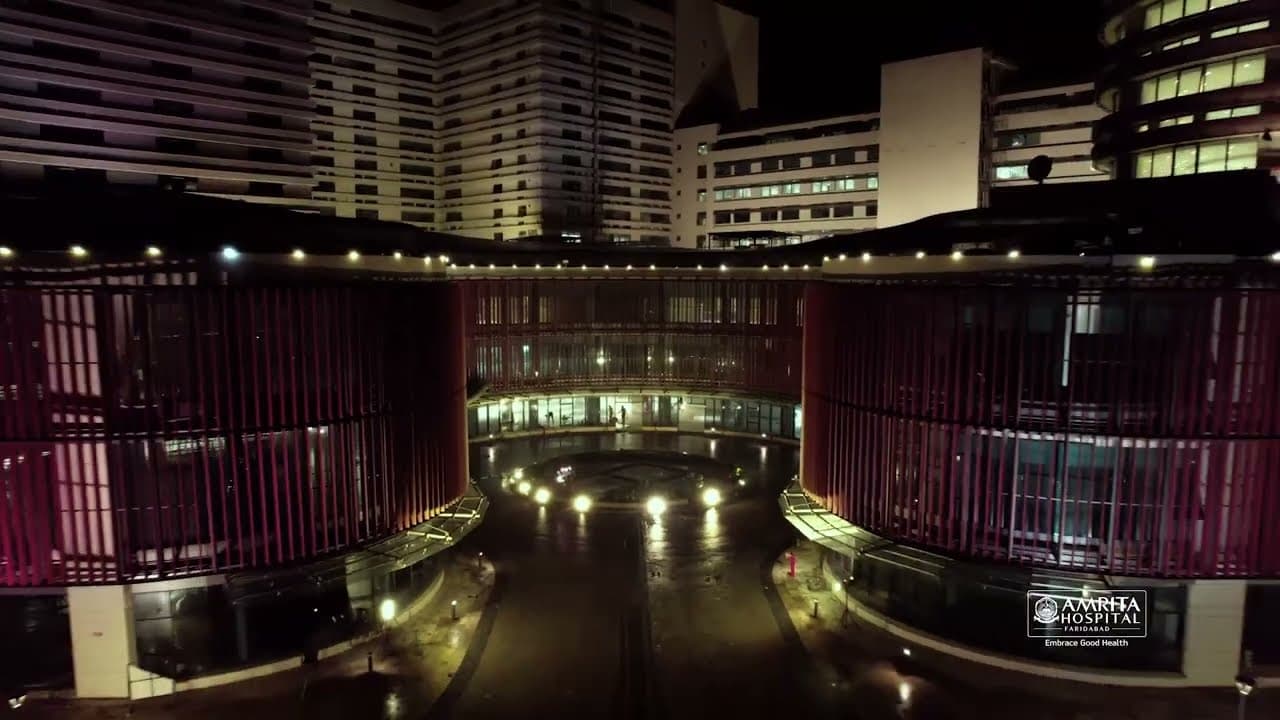
Amrita Hospital

Amrita Hospital

Faridabad, India

Asia's largest private hospital — 2,600 beds, 64 operation theatres, 81 specialties on a 130-acre campus in Delhi NCR. NABH & NABL accredited. Centres of excellence in oncology, cardiac surgery, BMT, organ transplantation, neurosciences, and IVF.

NABHNABL

800+

Specialists

2,600+

Beds

View Profile
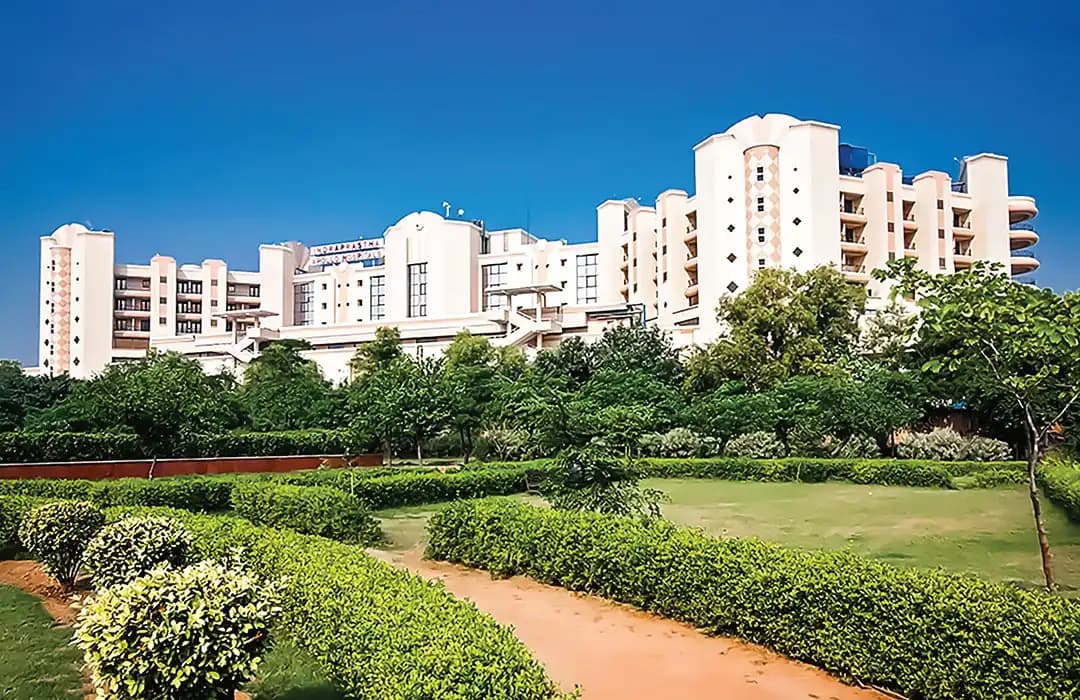
Indraprastha Apollo Hospital

Indraprastha Apollo Hospital

New Delhi, India

Indraprastha Apollo Hospital in Sarita Vihar, New Delhi is one of India's foremost multi-specialty tertiary care centres, part of the Apollo Hospitals network established by Dr. Prathap C Reddy in 1983. The 710-bed facility records 1,600+ daily OPD visits, 1,000+ international patient consultations monthly, and receives 5,000+ international patients per year from over 120 countries. Its Centres of Excellence span cardiac sciences, oncology, neurosciences, organ transplantation, nephrology, orthopaedics, gastroenterology, and bariatric surgery. The hospital is equipped with Da Vinci XI robotic systems, CyberKnife radiosurgery, 3 Tesla MRI, LINAC, ECMO, and a 3D neuro-navigation system.

JCINABHNABL

700+

Specialists

710+

Beds

View Profile

Frequently asked questions

For straightforward SVT or flutter ablations, most patients are discharged the following day and can fly home 48–72 hours post-procedure. AF ablation is more involved; most EP teams recommend a 5–7 day stay to observe for early reconnection symptoms before long-haul travel. A wearable cardiac monitor provided at discharge can transmit rhythm data to the ablation team remotely during your journey home.

No fees. No commitment.

Our guidance is completely free

We are compensated by our partner hospitals — never by patients. You get independent clinical matching, cost transparency, and end-to-end coordination at no cost to you.

Message us on WhatsApp