
CureSureMedico
|
EN

Cochlear Implant

ENT

payments

Starting from

$15,000

Up to $60,000 depending on centre

schedule

Typical duration

7–14 days

Including pre-operative work-up

arrow_downwardlocal_hospital

Partner hospitals

18

Vetted for outcome data & accreditation

Dr. Rodina Ainasoa

Content reviewed for medical accuracy by: Dr. Rodina Ainasoa · Medical Content Writer & Health Communications

Overview

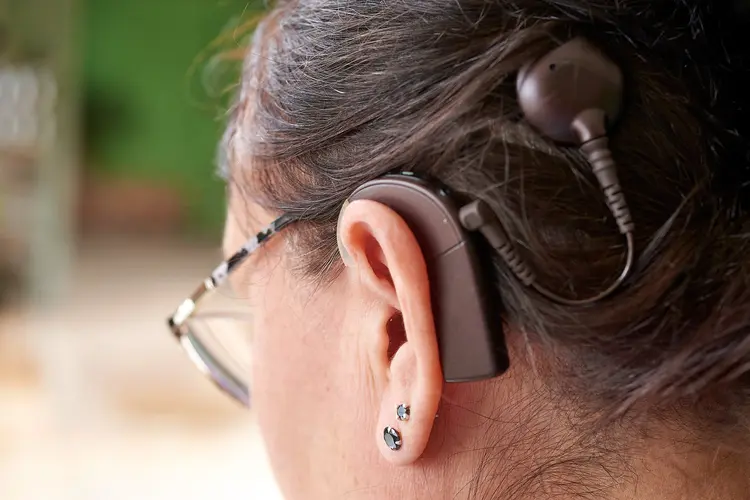
Surgically implanted electronic device that directly stimulates the auditory nerve, restoring functional hearing in patients with severe-to-profound sensorineural hearing loss who receive limited benefit from conventional hearing aids.

Your case is matched to a centre on the basis of clinical outcome data, not marketing. We coordinate every step — from pre-operative work-up to post-treatment follow-up — with a dedicated care coordinator.

What's included

Pre-operative audiological assessment & CT/MRI of cochlea
Cochlear implant device (processor + internal implant)
Surgical implantation & hospitalisation
Post-operative device activation & fitting
Initial auditory rehabilitation sessions
Interpreter & care coordinator
Long-term audiological follow-up plan at home

Cochlear Implant

Coordinated from

$15,000

or message us on WhatsApp

No commitment required. Your data is never shared with third parties.

Unilateral vs. Bilateral Cochlear Implantation

A cochlear implant can be placed in one ear (unilateral) or both ears (bilateral), either at the same time or in a staged approach. Candidacy for either option is determined by an audiologist and ENT team based on audiometric testing and hearing history — never a self-assessment.

ParameterUnilateral (One Ear)Bilateral (Both Ears)
Sound localizationAbility to identify where a sound is coming from is limited, and localization accuracy with only one implanted ear is often close to chance, per peer-reviewed audiology research.Localization accuracy improves substantially, with research measuring a significant reduction in mean localization error compared to hearing with one implant, per peer-reviewed audiology research.
Speech understanding in background noiseUnderstanding speech in noisy environments relies on a single hearing pathway and is more easily disrupted by competing sound sources.Provides a measurable benefit in noise through binaural redundancy (the brain gets two chances to process the signal) and the head-shadow effect, where the head blocks noise arriving from the side opposite an implant, per peer-reviewed audiology research.
Who it typically suitsPatients with disqualifying hearing in one ear, those choosing a staged approach, or those who meet candidacy criteria for only one ear, as determined by the audiology/ENT team.Increasingly the standard recommendation for children with bilateral severe-to-profound hearing loss, and for adults who meet bilateral candidacy criteria, per American Cochlear Implant Alliance guidance.
Surgery & device considerationsA single surgical procedure and one external sound processor to manage day to day.May be performed as one simultaneous surgery or as two staged procedures; involves two external sound processors and typically a longer initial adjustment period.
Candidacy assessmentDetermined by an audiologist and ENT team through audiometric testing, aided speech-recognition scores, and imaging — never a self-diagnosis, per ASHA and American Academy of Audiology guidelines.Uses the same audiologist- and ENT-led evaluation process, applied to each ear individually, per ASHA and American Academy of Audiology guidelines.

The Procedure: Step by Step

The description below outlines the general cochlear implant process. Your audiology and surgical team will confirm the specific steps and timeline for your case.

1

Candidacy evaluation

An audiologist and ENT team conduct comprehensive audiometric testing, aided speech-recognition assessment, and imaging of the cochlea to determine candidacy — this is a clinical decision, not a self-assessment, per ASHA.

2

Surgical implantation

Under general anaesthesia, the surgeon places the internal receiver-stimulator under the skin behind the ear and inserts the electrode array into the cochlea; the procedure commonly takes a few hours and is often done as day surgery or with one night in hospital, per Johns Hopkins Medicine.

3

Healing period

The implant is not switched on right away. The surgical site is given time to heal — typically three to four weeks — before the device is activated, per Cochlear (device manufacturer) and Johns Hopkins Medicine.

4

Device activation & programming (mapping)

At a separate appointment, an audiologist fits the external sound processor and programs ('maps') it to your hearing needs. Mapping is refined over a series of follow-up appointments across the following weeks, per Johns Hopkins Medicine.

Recovery Timeline

Recovery Timeline
1–2 weeks

The incision heals and stitches are checked or removed at a follow-up visit roughly one week after surgery; most people return to work or school within one to two weeks, per Johns Hopkins Medicine.

3–4 weeks

Once healing is confirmed, the device is switched on for the first time at the initial activation appointment, per Cochlear and Johns Hopkins Medicine.

4–6 weeks

A series of follow-up mapping appointments fine-tunes the processor's settings; in the early sessions, sounds often do not yet resemble familiar speech, per Johns Hopkins Medicine.

6–12 months

Speech understanding improves progressively as the brain adapts to the new signal, supported by ongoing auditory rehabilitation; the pace of improvement varies by individual, per ASHA and Johns Hopkins Medicine.

Source: Johns Hopkins Medicine; Cochlear (device manufacturer clinical guidance); American Speech-Language-Hearing Association (ASHA). Individual recovery and results vary and are guided by your surgical and audiology team.

Known Risks & Limitations

  • Major surgical complications — including flap infection or dehiscence, device migration, and mastoiditis — occur in an estimated 6–7% of patients, per peer-reviewed analyses of postoperative complications in cochlear implant surgery.
  • Facial nerve injury is a recognised but uncommon risk, because the nerve passes through the middle ear close to the surgical site, per the FDA.
  • Meningitis is a rare but serious risk, and is more likely in patients with abnormally formed inner ear structures; your surgical team will discuss vaccination and risk-reduction measures, per the FDA.
  • Device hard failure requiring reimplantation affects a small proportion of recipients over the device's lifetime; long-term studies report device survival above 96% at 10 years and 91% at 20 years.
  • A cochlear implant does not restore 'normal' hearing. It provides useful access to sound and speech information that must be learned and interpreted through auditory rehabilitation, and outcomes vary by individual, per ASHA.

Source: U.S. Food and Drug Administration (FDA); American Speech-Language-Hearing Association (ASHA); peer-reviewed studies of cochlear implant surgical complications and long-term device outcomes. No procedure is without risk; your surgical and audiology team will review your individual case.

The CureSureMedico Care Pathway

Remote clinical review

Share your audiogram, hearing test results, and hearing history. Our coordination team forwards your case to an ENT/audiology team, who assess candidacy and outline unilateral vs. bilateral options.

Clinic matching & estimate

A consolidated cost estimate covering the audiological workup, device brand selection, surgical implantation, activation, and initial mapping sessions is issued before you travel.

Travel & pre-operative work-up

On arrival, comprehensive audiometry, cochlear imaging, and a hearing aid trial review confirm final candidacy and device choice ahead of surgery.

Procedure & early recovery

The implantation surgery itself, followed by wound-healing monitoring and discharge — typically as day surgery or after one night in hospital.

Continuity of care post-return

Initial device activation and mapping sessions are completed before you travel home. Programming settings and a discharge summary are shared with your home audiologist, with remote telemapping follow-up arranged for ongoing adjustments.

Global cost comparison — Cochlear Implant

Average coordinated costs across our partner centres. Final pricing depends on clinical complexity and chosen hospital.

CountryAvg. costvs. cheapest
🇮🇳

India

New Delhi · Chennai · Bengaluru · Hyderabad · Mumbai · Kochi

✓ Verified
$21,807
chevron_right
🇹🇷

Turkey

Istanbul

✓ Verified
$25,000
chevron_right
🇹🇭

Thailand

Bangkok · Phuket · Chiang Mai

Best valueEstimate
$18,000
chevron_right

Costs are indicative estimates and vary by procedure specifics, hospital, and clinical complexity. Request a personalised estimate for your specific case.

Cost & recovery by procedure

This treatment category covers several different operations with different levels of invasiveness, recovery times, and costs. The country averages above blend all of them together — use the breakdown below for a more realistic, procedure-specific estimate.

Unilateral Cochlear Implant

A single cochlear implant is surgically placed behind one ear, with an internal receiver-stimulator fixed under the skin and an electrode array threaded into the cochlea to directly stimulate the auditory nerve; a matching external sound processor is fitted afterward. This is the most common approach for adults and children with severe-to-profound hearing loss in one or both ears.

Typical recovery · 4–8 weeks

Surgery takes 2–4 hours under general anaesthesia with a 1–2 night hospital stay. The incision heals over 1–2 weeks; the external processor is not switched on until 3–4 weeks post-surgery to allow swelling to resolve, after which programming ("mapping") sessions begin. Full benefit builds over 6–12 months of auditory rehabilitation. Watch for wound infection, dizziness, taste changes, or facial nerve irritation — all uncommon but requiring prompt follow-up.

India

$13,000–$22,000

Turkey

$18,000–$30,000

Thailand

Estimate pending verification — ask your care coordinator for a current quote

Bilateral Cochlear Implant

Two cochlear implants are placed, either in the same operation (simultaneous) or as two separate surgeries months apart (sequential), giving stimulation to both ears. Bilateral implantation improves sound localisation and hearing in noisy environments compared with a single implant, and is now standard practice for infants and young children with bilateral profound deafness in many centres.

Typical recovery · 6–10 weeks

Simultaneous bilateral surgery adds roughly 1–2 hours of operating time to a similar 1–2 night hospital stay; recovery of each ear otherwise mirrors unilateral surgery, with both processors activated around 3–4 weeks post-op. Sequential bilateral implantation means two separate recovery and rehabilitation periods spaced months apart. Auditory training and mapping continue for 6–12 months per ear.

India

$22,000–$32,000

Turkey

Estimate pending verification — ask your care coordinator for a current quote

Thailand

Estimate pending verification — ask your care coordinator for a current quote

Paediatric Cochlear Implant

The same surgical technique as an adult implant, adapted for infants and young children — typically performed from around 9–12 months of age (earlier in some centres) once congenital or early-onset severe-to-profound hearing loss is confirmed by audiological and imaging assessment. Early implantation takes advantage of the developing brain's plasticity for speech and language acquisition.

Typical recovery · 4–8 weeks

The procedure and hospital stay are similar to adult surgery (1–2 nights), though paediatric anaesthesia and post-operative monitoring protocols apply. Activation occurs 3–4 weeks after surgery, followed by intensive auditory-verbal therapy and speech-language rehabilitation over the following 1–2 years, ideally continued with a local paediatric audiologist and therapist after returning home.

India

$12,000–$20,000

Turkey

$18,000–$30,000

Thailand

Estimate pending verification — ask your care coordinator for a current quote

Bone-Anchored Hearing Aid (BAHA)

A small titanium implant is placed in the bone behind the ear during a short outpatient or overnight procedure; once healed, it holds an external sound processor that transmits sound via bone conduction directly to the inner ear, bypassing the outer and middle ear. It suits patients with conductive or mixed hearing loss, single-sided deafness, or ear canal conditions that make a standard hearing aid or cochlear implant unsuitable.

Typical recovery · 2–4 weeks

The implant procedure itself is brief (30–60 minutes) and usually day-case or overnight; the skin around the abutment needs 2–4 weeks to heal before the external sound processor is fitted and activated. Ongoing site care (cleaning around the abutment) continues long-term to prevent skin irritation or infection.

India

$8,000–$15,000

Turkey

Estimate pending verification — ask your care coordinator for a current quote

Thailand

Estimate pending verification — ask your care coordinator for a current quote

Cost ranges are indicative estimates for international patients and vary with implant choice, number of levels treated, surgeon, and hospital. Request a personalised quote for your specific case.

Clinical detail: AAOS OrthoInfo, Mayo Clinic Health System, Cleveland Clinic. Cost ranges cross-checked across multiple independent medical-tourism sources per country where marked; ranges flagged "pending verification" could not be independently confirmed at the time of writing.

Partner hospitals

18 centres
View all hospitals
Memorial Hospitals Group

Memorial Hospitals Group

Istanbul, Turkey

Memorial Hospitals Group is Turkey's most internationally recognised private hospital network, founded in 1995 and opened to patients in February 2000. Its flagship Sisli campus in Istanbul was the first hospital in Turkey — and 21st in the world — to receive JCI accreditation in 2002, with uninterrupted renewals ever since. Across 11 hospitals and 2 medical centres, Memorial hosts 1,300+ physicians and treats 75,000 international patients per year from 167 countries. The group is celebrated for cardiac surgery (1,400+ operations/year), organ transplantation (including Turkey's first blood-type-incompatible kidney transplant), IVF (10,000+ babies born), oncology with TrueBeam and CyberKnife, and robotic neurosurgery.

JCIISO 15189:2022

1,300+

Specialists

252+

Beds

View Profile
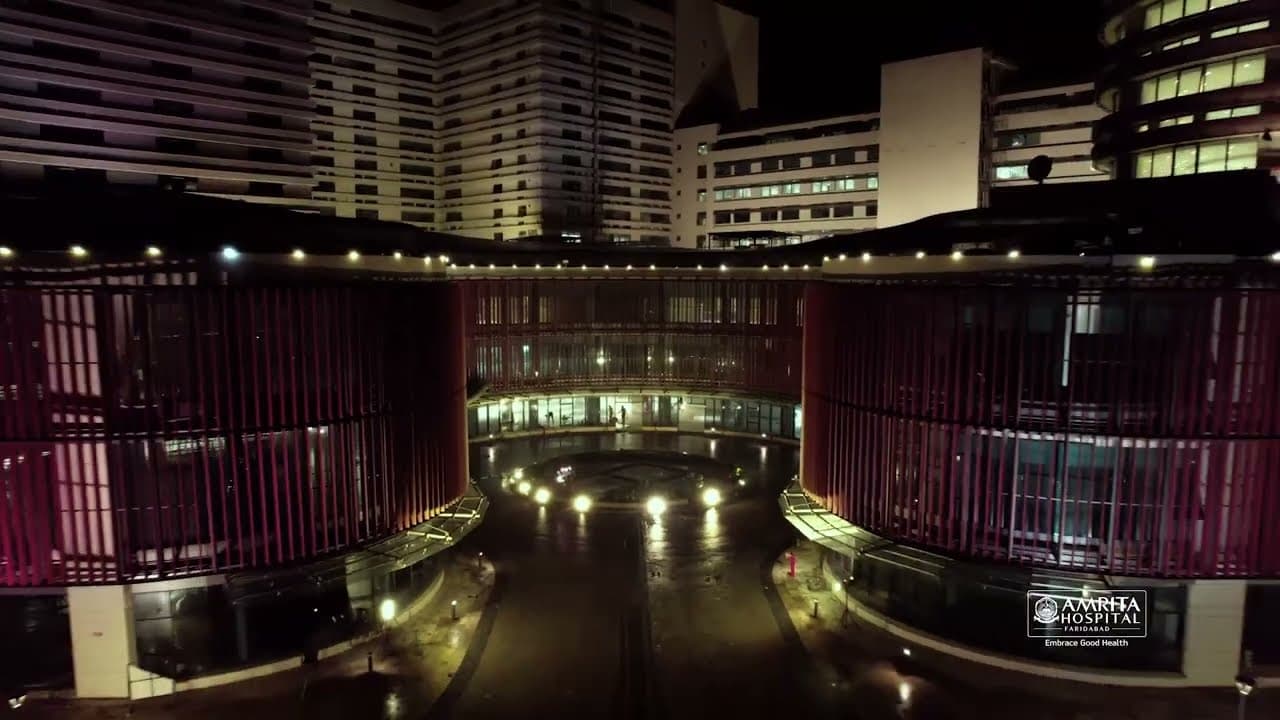
Amrita Hospital

Amrita Hospital

Faridabad, India

Asia's largest private hospital — 2,600 beds, 64 operation theatres, 81 specialties on a 130-acre campus in Delhi NCR. NABH & NABL accredited. Centres of excellence in oncology, cardiac surgery, BMT, organ transplantation, neurosciences, and IVF.

NABHNABL

800+

Specialists

2,600+

Beds

View Profile
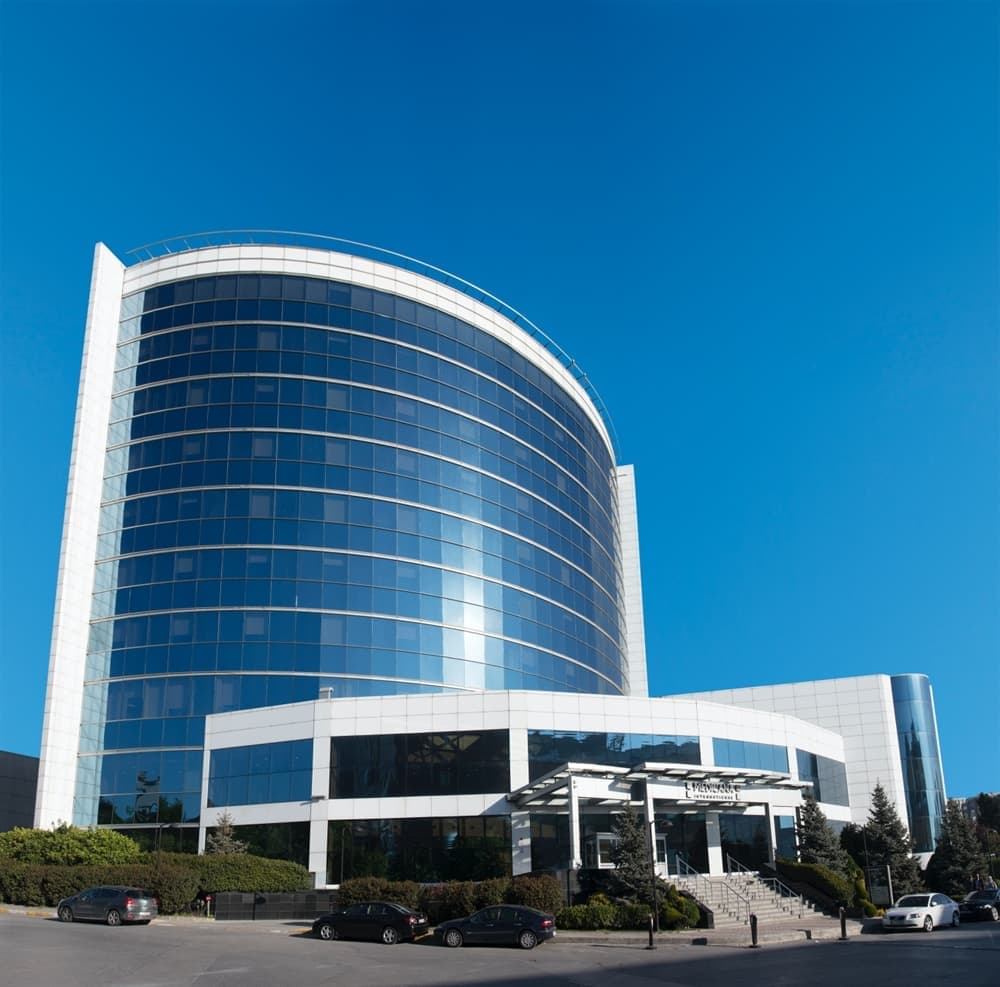
Medicana International

Medicana International

Istanbul, Turkey

Medicana International Beylikdüzü, founded in 2007, is a 30,000 m² multi-specialty hospital in Istanbul's Beylikdüzü district with 60+ clinical departments. The facility combines advanced oncology (MR-Linac, PET-CT, Linear Accelerator), cardiac care with dedicated coronary and cardiovascular surgery ICUs, a Bone Marrow Transplant Centre, organ transplantation (liver & kidney), an IVF/Assisted Reproduction Centre, and a full neurosurgery suite — all supported by Da Vinci robotic surgery and a multilingual International Patient Centre.

Health Tourism Authorizati…

200+

Specialists

200+

Beds

View Profile
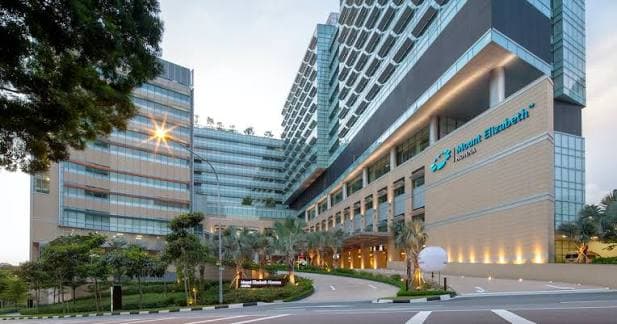
IHH Healthcare

IHH Healthcare

Kuala Lumpur, Malaysia

IHH Healthcare is one of the world's largest private healthcare services providers, operating 89 hospitals and 190 healthcare facilities across 10 countries with a workforce of 76,000 professionals. Listed on both Bursa Malaysia and the Singapore Exchange, the group delivers care from primary to quaternary level — including organ transplants, neurosurgery, cardiac surgery, and reconstructive plastic surgery — under a portfolio of leading hospital brands: Mount Elizabeth, Prince Court, Gleneagles, Pantai, Parkway, Acibadem, Island Hospital, and Fortis.

JCIMSQH

223+

Specialists

376+

Beds

View Profile

Frequently asked questions

The internal implant is activated 3–4 weeks post-surgery once healing is complete. Speech understanding improves progressively over 6–12 months as the brain adapts to the new auditory signals through rehabilitation.

No fees. No commitment.

Our guidance is completely free

We are compensated by our partner hospitals — never by patients. You get independent clinical matching, cost transparency, and end-to-end coordination at no cost to you.

Message us on WhatsApp