
CureSureMedico
|
EN

Functional Endoscopic Sinus Surgery (FESS)

ENT

payments

Starting from

$1,500

Up to $5,000 depending on centre

schedule

Typical duration

5–10 days

Including pre-operative work-up

arrow_downwardlocal_hospital

Partner hospitals

1

Vetted for outcome data & accreditation

Dr. Rodina Ainasoa

Content reviewed for medical accuracy by: Dr. Rodina Ainasoa · Medical Content Writer & Health Communications

Overview

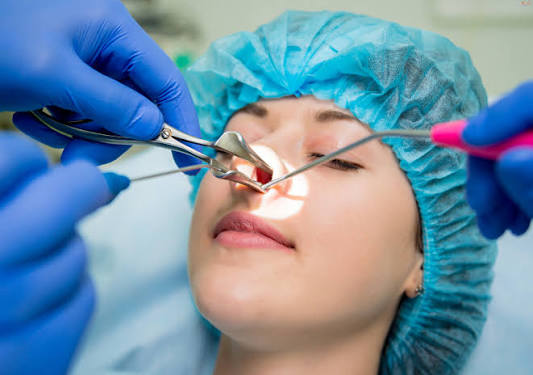
FESS is a minimally invasive procedure that uses endoscopes to clear blocked sinuses and restore normal drainage, offering lasting relief from chronic sinusitis. Medical tourists benefit from significantly lower costs at internationally accredited ENT centers in India, Thailand, and Turkey without compromising surgical outcomes.

Your case is matched to a centre on the basis of clinical outcome data, not marketing. We coordinate every step — from pre-operative work-up to post-treatment follow-up — with a dedicated care coordinator.

What's included

Pre-operative ENT consultation and nasal endoscopy
CT scan of sinuses for surgical planning
General or local anesthesia and operating theatre fees
One to two nights hospital stay post-procedure
Post-operative medications and nasal irrigation kit
Follow-up endoscopy review before departure

Functional Endoscopic Sinus Surgery (FESS)

Coordinated from

$1,500

or message us on WhatsApp

No commitment required. Your data is never shared with third parties.

Traditional FESS vs. Balloon Sinuplasty

Not every blocked sinus needs the same approach. Traditional Functional Endoscopic Sinus Surgery (FESS) and balloon sinuplasty are both endoscopic techniques, but they suit different types of sinus disease. Here is how the two compare.

ParameterTraditional FESSBalloon Sinuplasty
What it doesUses endoscopic instruments to remove diseased tissue, bone, and nasal polyps blocking the sinuses, per Cleveland Clinic.Uses a small balloon catheter to gently widen the natural sinus opening without cutting bone or tissue; it does not remove polyps or diseased tissue.
Best suited forMore extensive chronic sinusitis, especially where nasal polyps or significant diseased tissue need to be removed.Selected patients with chronic or recurrent acute rhinosinusitis who have not responded to appropriate medical therapy and do not have significant polyps, per the American Rhinologic Society's position statement on sinus ostial dilation.
Typical recoveryMost people return to work or school in about a week, with full recovery taking a few months, per Cleveland Clinic.Generally faster, with less bleeding and swelling since no bone or tissue is cut, though your ENT specialist will confirm what to expect for your case.
AnesthesiaUsually performed under general anesthesia.Can often be performed under local anesthesia with sedation, sometimes even in an office setting, depending on the case.
How your surgeon decidesChosen when CT imaging shows extensive sinus disease, polyps, or anatomy that a balloon alone cannot adequately treat.Chosen for appropriately selected patients with disease limited mainly to the sinus opening itself, sometimes combined with traditional FESS techniques in the same operation for other sinuses.

The Procedure: Step by Step

The description below outlines the general process for traditional FESS. Your ENT surgeon will confirm the specific technique and any adjustments needed for your sinus anatomy.

1

Pre-operative assessment and imaging

Your ENT specialist reviews your symptoms, performs a nasal endoscopy, and orders a CT scan of the sinuses to map out the anatomy and extent of disease before planning surgery.

2

Anesthesia

FESS is most commonly performed under general anesthesia so you are fully asleep and feel nothing during surgery; some centers offer it under local anesthesia with sedation for select cases, per Cleveland Clinic.

3

Endoscopic removal of diseased tissue

The surgeon inserts a thin endoscope with a camera through the nostril and uses small instruments to remove bone, diseased tissue, or polyps blocking the sinuses, restoring normal drainage pathways, per Cleveland Clinic. A procedure involving both sides typically takes about two to three hours.

4

Nasal packing and recovery room monitoring

Temporary nasal packing may be placed to support the newly opened passages and control bleeding while tissue heals; some centers use dissolvable packing that does not need to be removed. You are then monitored in a recovery area as anesthesia wears off.

Recovery Timeline

Recovery Timeline
24-48 hours

Mild to moderate discomfort, swelling, and nasal congestion are expected. Minor bleeding, discharge, and fatigue are common in the first one to three weeks, per Cleveland Clinic.

First week

Avoid blowing your nose; use saline rinses regularly to clear crusting and keep the nasal passages moist. Sleep with your head elevated. Most people return to work or school in about a week, per Cleveland Clinic and Johns Hopkins Medicine.

~2 weeks

Most people are able to resume their normal daily routine, per Cleveland Clinic. A follow-up endoscopy is typically scheduled around this time to clear residual crusting and check healing progress.

4-6 weeks and beyond

Mucosal healing inside the sinuses continues for several weeks, and full recovery can take a few months before the sinuses feel completely settled. Continued saline irrigation is generally recommended during this period.

Source: Cleveland Clinic; Johns Hopkins Medicine. Individual recovery varies and is guided by your ENT surgical team.

Known Risks & Limitations

  • Heavy bleeding requiring intervention is the most common major complication, reported in roughly 2-3% of cases in large published analyses, per peer-reviewed otolaryngology literature.
  • Cerebrospinal fluid (CSF) leak — where fluid surrounding the brain escapes through a breach near the sinuses — is a recognized but rare complication, reported in well under 1% of cases in large published analyses, per peer-reviewed otolaryngology literature.
  • Orbital injury (affecting the eye socket or eye muscles) is also a rare but recognized complication, reported in roughly 1-2% of cases across large published analyses, though this includes minor bruising as well as more serious injury, per peer-reviewed otolaryngology literature.
  • As with any surgery, general risks include infection and reactions to anesthesia. Overall major complication rates for FESS are cited at around 1% in large published analyses, with heavy bleeding the most frequent event, per peer-reviewed otolaryngology literature.
  • FESS improves symptoms for most patients with chronic sinusitis, but it is not always a permanent, one-time fix — published outcome studies report symptom-improvement rates in the range of roughly 80-98%, and some patients with severe or polyp-related disease may need revision surgery or ongoing medical therapy, per peer-reviewed otolaryngology literature.

Source: Cleveland Clinic; peer-reviewed otolaryngology/rhinology outcome literature. No procedure is without risk; your ENT surgical team will review your individual case.

The CureSureMedico Care Pathway

Remote ENT case review

Share your symptoms, prior treatment history, and any existing CT imaging or endoscopy reports. Our coordination team forwards your case to an ENT specialist for an initial suitability assessment.

Surgeon & hospital matching

Based on the extent of your sinus disease and whether traditional FESS, balloon sinuplasty, or a combined approach is recommended, we match you with an ENT surgeon and a hospital equipped for endoscopic sinus surgery and same-day or overnight recovery.

Cost estimate & travel planning

A consolidated cost estimate covering pre-operative consultation, imaging, the surgery itself, and your hospital stay is issued before you travel, along with guidance on the recommended minimum stay before flying home.

Surgery day & recovery monitoring

Your pre-operative work-up, the procedure, and recovery-room monitoring are coordinated with the care team, followed by discharge with clear saline-irrigation, activity, and follow-up guidance.

Follow-up and continuity of care

A follow-up endoscopy is completed before you depart to check healing progress, and your discharge summary and surgeon contact details are shared so your home ENT provider can continue your saline-irrigation regimen and monitor long-term results.

Global cost comparison — Functional Endoscopic Sinus Surgery (FESS)

Average coordinated costs across our partner centres. Final pricing depends on clinical complexity and chosen hospital.

CountryAvg. costvs. cheapest
🇮🇳

India

New Delhi · Chennai · Bengaluru · Hyderabad · Mumbai · Kochi

Best valueEstimate
$2,000
chevron_right
🇹🇷

Turkey

Istanbul

✓ Verified
$3,500
chevron_right

Costs are indicative estimates and vary by procedure specifics, hospital, and clinical complexity. Request a personalised estimate for your specific case.

Partner hospitals

1 centres
View all hospitals
Amrita Hospital

Amrita Hospital

Faridabad, India

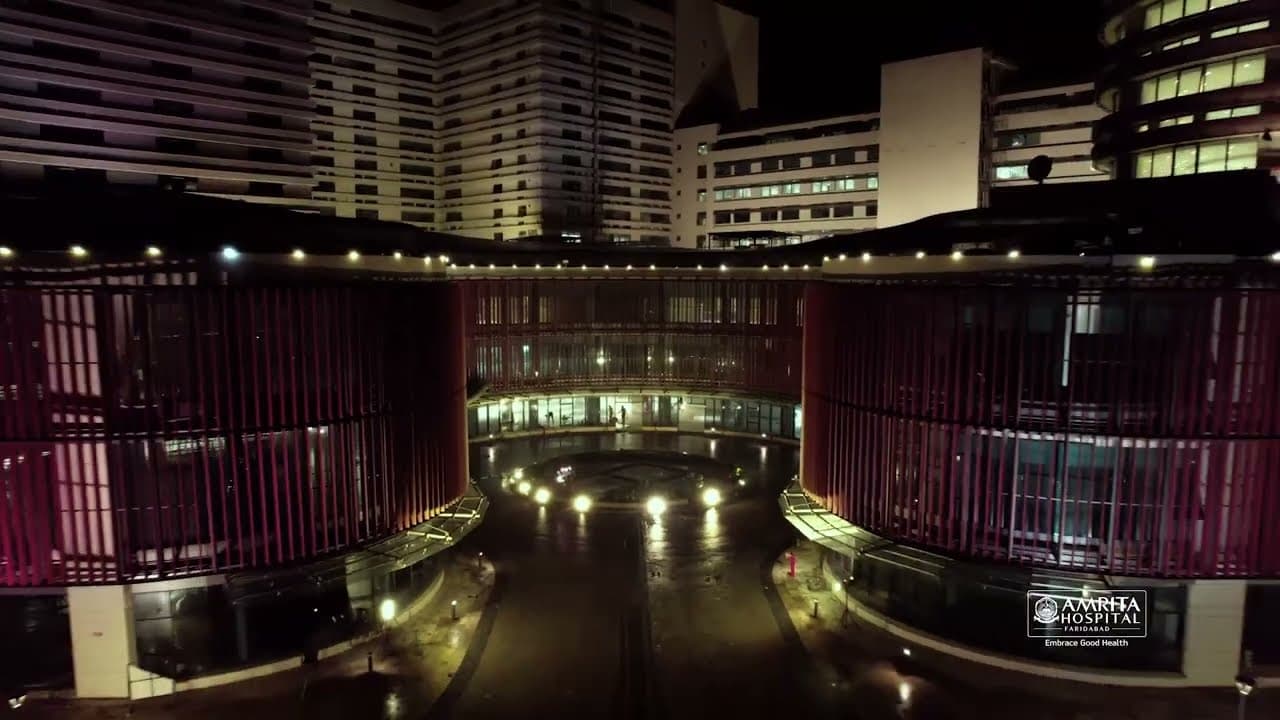
Asia's largest private hospital — 2,600 beds, 64 operation theatres, 81 specialties on a 130-acre campus in Delhi NCR. NABH & NABL accredited. Centres of excellence in oncology, cardiac surgery, BMT, organ transplantation, neurosciences, and IVF.

NABHNABL

800+

Specialists

2,600+

Beds

View Profile

Frequently asked questions

Most patients return to light activity within 5–7 days. Full mucosal healing takes 4–6 weeks, during which regular saline rinses are essential. Your surgeon will clear crusting and check healing at a follow-up before you fly home.

No fees. No commitment.

Our guidance is completely free

We are compensated by our partner hospitals — never by patients. You get independent clinical matching, cost transparency, and end-to-end coordination at no cost to you.

Message us on WhatsApp