CureSureMedico
|
EN

Voice & Laryngeal Surgery

ENT

payments

Starting from

$2,000

Up to $8,000 depending on centre

schedule

Typical duration

5–14 days

Including pre-operative work-up

arrow_downwardlocal_hospital

Partner hospitals

2

Vetted for outcome data & accreditation

Dr. Rodina Ainasoa

Content reviewed for medical accuracy by: Dr. Rodina Ainasoa · Medical Content Writer & Health Communications

Overview

Microsurgical and laser procedures to treat vocal cord nodules, polyps, laryngeal cancer, and voice disorders, restoring clear speech and airway safety with precision techniques. ENT centers in India, Turkey, and Tunisia offer highly skilled laryngologists at accessible price points for international patients.

Your case is matched to a centre on the basis of clinical outcome data, not marketing. We coordinate every step — from pre-operative work-up to post-treatment follow-up — with a dedicated care coordinator.

What's included

Laryngologist consultation with laryngoscopy and voice analysis
Surgical procedure under general or local anesthesia
1–3 nights hospital stay and post-operative monitoring
Speech therapy session and voice rest guidance
Patient coordinator and interpreter throughout the stay
Follow-up teleconsultation with the surgeon 2 weeks post-discharge

Voice & Laryngeal Surgery

Coordinated from

$2,000

or message us on WhatsApp

No commitment required. Your data is never shared with third parties.

Treatment approaches

Standard and robotic-assisted Voice & Laryngeal Surgery

Standard Approach

Open Surgery / Transoral Laser Microsurgery (TLM)

$2,000

514 days

Robotic-Assisted Option

Transoral Robotic Surgery (TORS)

$6,000

410 days

Comparing the two approaches

StandardRobotic-Assisted
ProcedureOpen Surgery / Transoral Laser Microsurgery (TLM)Transoral Robotic Surgery (TORS)
TechnologyConventional surgical instrumentsRobotic-assisted surgical system with surgeon oversight
AvailabilityHospital-dependentSelected hospitals with robotic capability
SpecialistProcedure specialistSpecialist with relevant robotic experience
Clinical suitabilityCase-dependentCase-dependent
Tariff$2,000–$8,000$6,000–$14,000
Duration5–14 days4–10 days

Eligibility for robotic-assisted treatment

  • Select early-stage laryngeal cancers — most commonly supraglottic tumours — confirmed on laryngoscopy and imaging as reachable and fully resectable through the mouth without splitting the jaw or voice box; this comparison applies only to laryngeal cancer resection, not to benign voice-disorder procedures such as vocal cord nodule or polyp surgery
  • No extensive invasion into cartilage, the tongue base, or surrounding structures that would require an open approach for adequate access and margins
  • Multidisciplinary tumour board review confirming candidacy, including consideration of tumour size, location, and the patient's airway anatomy
  • Availability of a head and neck robotic surgical platform and a surgeon experienced specifically in robotic laryngeal resection at your selected hospital — this is offered at fewer centres than TLM or open surgery

Risks and limitations of robotic-assisted surgery

  • Robotic assistance does not eliminate the risks of laryngeal cancer surgery, including bleeding, airway compromise, and the need for a temporary tracheostomy or feeding tube
  • The head and neck surgeon remains responsible for the procedure and oncologic margins; robotic guidance is an aid, not a substitute for surgical judgement
  • TORS for the larynx is a narrower, less universally adopted niche than robotic surgery for oropharyngeal tumours — many centres still prefer transoral laser microsurgery for early glottic or supraglottic disease, and outcomes evidence, while favourable, is based on smaller retrospective series rather than large randomised trials
  • Availability depends heavily on the individual hospital and the treating surgeon's specific robotic laryngeal case volume, and the surgeon may need to convert to an open approach if tumour extent is greater than expected on initial assessment

Tariff structure

Standard procedure$2,000$8,000
Robotic-assisted technology fee+$2,500$5,000
Total estimated robotic-assisted tariff$6,000$14,000

Why can robotic-assisted procedures cost more?

Robotic-assisted procedures rely on additional technology and equipment beyond the standard operating platform and clinical team. This additional technology component is generally not included in standard case pricing.

Is robotic-assisted surgery always recommended?

No. Robotic-assisted surgery is not appropriate for every procedure or patient. Availability and suitability are determined by the treating specialist, based on your imaging, clinical condition, and the treating hospital's capabilities.

Global cost comparison — Voice & Laryngeal Surgery

Average coordinated costs across our partner centres. Final pricing depends on clinical complexity and chosen hospital.

CountryAvg. costvs. cheapest
🇮🇳

India

New Delhi · Chennai · Bengaluru · Hyderabad · Mumbai · Kochi

Best value
$2,500
chevron_right
🇹🇷

Turkey

Istanbul

$5,000
chevron_right

Costs are indicative estimates and vary by procedure specifics, hospital, and clinical complexity. Request a personalised estimate for your specific case.

Cost & recovery by procedure

This treatment category covers several different operations with different levels of invasiveness, recovery times, and costs. The country averages above blend all of them together — use the breakdown below for a more realistic, procedure-specific estimate.

Vocal Cord Microsurgery

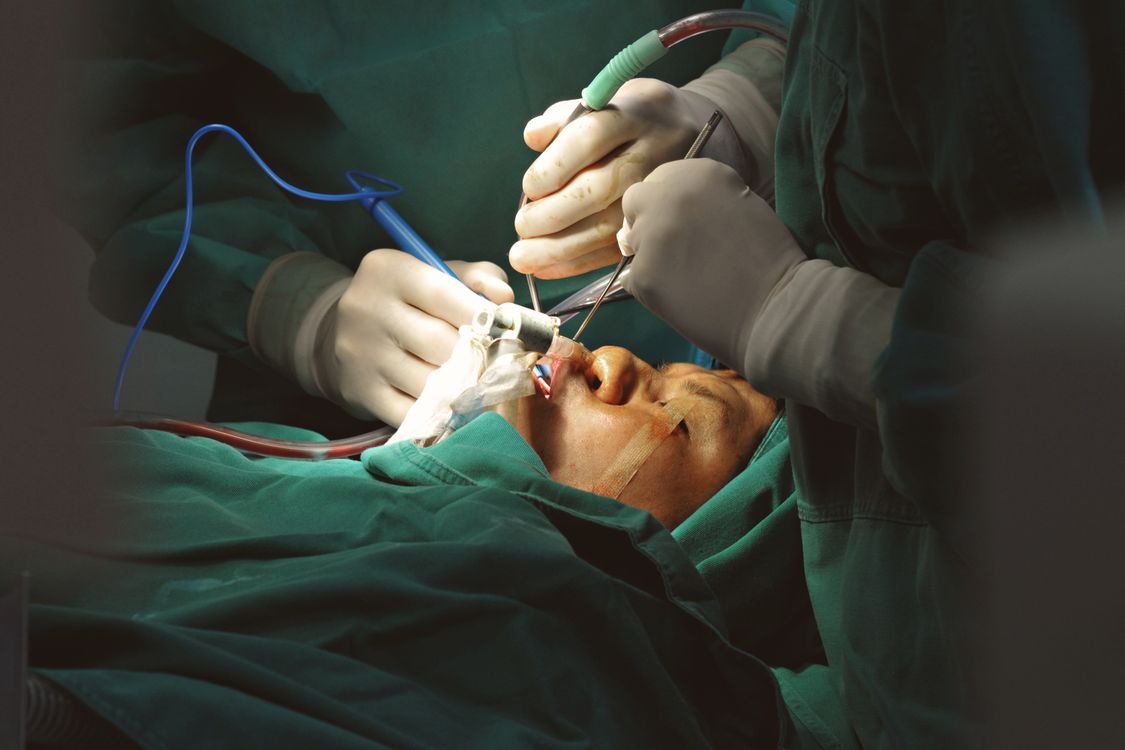
Fine instruments or a laser, guided by an operating microscope through a rigid scope placed in the throat, are used to remove vocal cord nodules, polyps, or cysts while preserving the delicate vibrating layer of the vocal cords — used when voice therapy alone hasn't resolved a persistent growth causing hoarseness.

Typical recovery · 1–2 weeks

Usually a same-day or single-night procedure. A short period of strict voice rest (2–3 days is now generally considered sufficient, though some surgeons still recommend up to a week) is followed by gradually resuming voice use; most patients are back to normal speaking within 1–2 weeks, with full vibratory recovery of the vocal cord tissue continuing for several weeks after that.

India

$3,000–$5,000

Turkey

$4,000–$8,000

Thailand

$4,500–$8,500

Laryngeal Cancer Surgery

Cancerous tissue in the voice box is removed — ranging from a limited laser resection or partial (voice-sparing) laryngectomy to a total laryngectomy for more advanced tumours — with the extent of resection dictated by tumour size and location. Voice and breathing outcomes vary considerably: partial procedures often preserve some natural speech, while a total laryngectomy removes the larynx entirely and requires an alternative way to breathe and speak.

Typical recovery · 2–4 weeks

Hospital stay is typically 7–10 days, often including a temporary tracheostomy and feeding tube while post-surgical swelling settles. Nonverbal communication is usually needed in the first days after more extensive surgery. Wound healing generally takes 2–4 weeks, though adjusting to any lasting change in voice, breathing, or swallowing — and any further speech rehabilitation — continues well beyond that.

India

$4,000–$8,000

Turkey

Estimate pending verification — ask your care coordinator for a current quote

Thailand

Estimate pending verification — ask your care coordinator for a current quote

Voice Restoration Procedure

After a total laryngectomy, a small valve (voice prosthesis) is fitted into a surgically created channel between the windpipe and food pipe (tracheoesophageal puncture), letting air from the lungs vibrate the throat tissue to produce speech — the current gold-standard method for regaining a voice once the larynx has been removed.

Typical recovery · Weeks to months

The puncture itself heals quickly, but learning to produce fluent, controllable speech with the prosthesis takes practice with a speech and language therapist — on average a few months, and closer to a year for some patients. Most people achieve a usable voice, and the prosthesis itself needs periodic replacement as it wears.

India

Estimate pending verification — ask your care coordinator for a current quote

Turkey

Estimate pending verification — ask your care coordinator for a current quote

Thailand

Estimate pending verification — ask your care coordinator for a current quote

Botox for Spasmodic Dysphonia

A small dose of botulinum toxin is injected, usually under EMG guidance, into the muscles inside the voice box that are triggering involuntary spasms in spasmodic dysphonia, temporarily weakening them so speech sounds smoother and less strained or breathy.

Typical recovery · Repeat every 3–4 months

This is not a one-time fix — it is a maintenance treatment. The injection itself takes only minutes; voice may sound weak or breathy for several days afterward before settling into its improved state, and the effect wears off as nerve endings regenerate, so most patients need reinjection roughly every 3–4 months, with dosing fine-tuned over the first few visits.

India

Estimate pending verification — ask your care coordinator for a current quote

Turkey

Estimate pending verification — ask your care coordinator for a current quote

Thailand

Estimate pending verification — ask your care coordinator for a current quote

Cost ranges are indicative estimates for international patients and vary with implant choice, number of levels treated, surgeon, and hospital. Request a personalised quote for your specific case.

Clinical detail: AAOS OrthoInfo, Mayo Clinic Health System, Cleveland Clinic. Cost ranges cross-checked across multiple independent medical-tourism sources per country where marked; ranges flagged "pending verification" could not be independently confirmed at the time of writing.

Partner hospitals

2 centres
View all hospitals
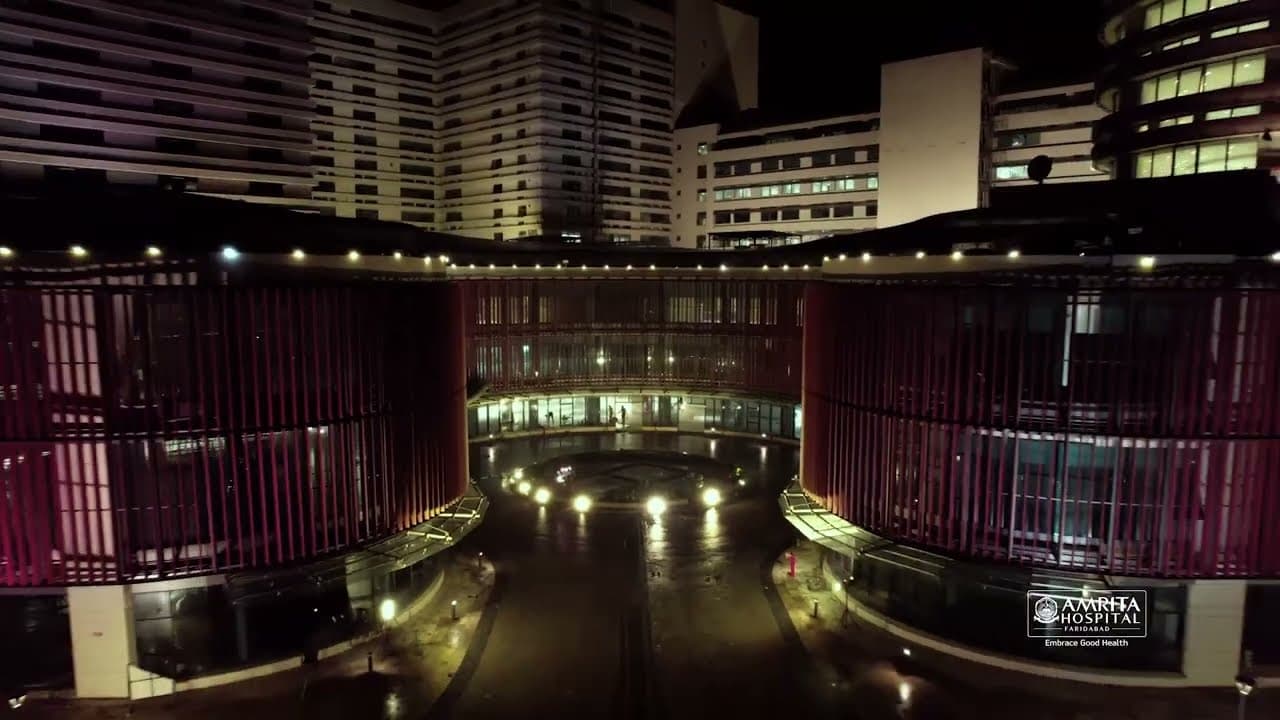
Amrita Hospital

Amrita Hospital

Faridabad, India

Asia's largest private hospital — 2,600 beds, 64 operation theatres, 81 specialties on a 130-acre campus in Delhi NCR. NABH & NABL accredited. Centres of excellence in oncology, cardiac surgery, BMT, organ transplantation, neurosciences, and IVF.

NABHNABL

800+

Specialists

2,600+

Beds

View Profile
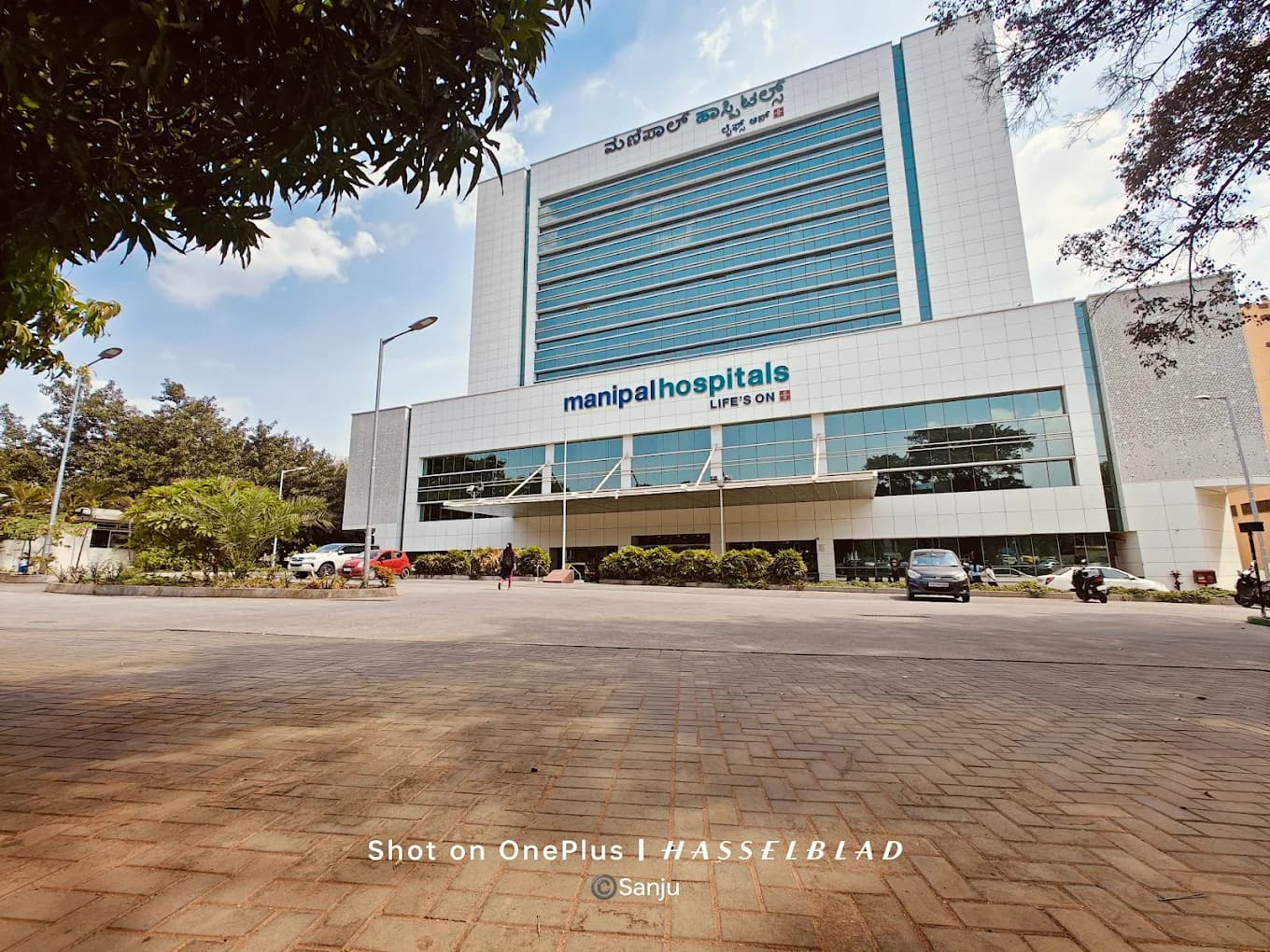
Manipal Hospital Old Airport Road

Manipal Hospital Old Airport Road

Bengaluru, India

Manipal Hospitals Old Airport Road is the flagship and founding campus of one of India's largest healthcare networks, established in 1991 on HAL Old Airport Road, Kodihalli, Bengaluru. Part of the Manipal Education and Medical Group (MEMG), the network spans 49 hospitals and 12,600+ beds across India. The Old Airport Road campus anchors the group's academic and clinical identity, housing specialist institutes including the Manipal Institute for Joint Replacement and Robotic Surgery (MIJRRS), the Manipal Robotic Spine Surgery centre (MIRSS), the Manipal Skull Base Institute (MSBI), and the Manipal Institute for Bariatric Surgery (MIBS). Its quaternary-level capabilities cover cardiology, oncology, neurosurgery, organ transplantation, orthopaedics, spine surgery, bariatric surgery, and paediatrics, all within a NABH and NABL accredited environment. The hospital provides dedicated international patient services through the Manipal Global network, with support for visa, travel, language, and end-to-end care coordination.

NABHNABL

264+

Specialists

600+

Beds

View Profile

Frequently asked questions

Recovery timelines vary by procedure type. After microsurgery for nodules or polyps, most patients are advised strict voice rest for 5–7 days, followed by gradual voice use over 2–4 weeks; full vocal recovery is typically achieved in 4–8 weeks. After laryngeal cancer surgery (partial or total laryngectomy), rehabilitation is more involved — tracheoesophageal voice prostheses or electrolarynx devices are fitted and speech therapy begins in-hospital. Your surgical team will provide a personalized voice rehabilitation plan, and our partner centers include at least one in-country speech therapy session in the package.

No fees. No commitment.

Our guidance is completely free

We are compensated by our partner hospitals — never by patients. You get independent clinical matching, cost transparency, and end-to-end coordination at no cost to you.

Message us on WhatsApp