CureSureMedico
|
EN

Head and Neck Cancer Surgery

ENT

payments

Starting from

$5,000

Up to $25,000 depending on centre

schedule

Typical duration

14–30 days

Including pre-operative work-up

arrow_downwardlocal_hospital

Partner hospitals

2

Vetted for outcome data & accreditation

Dr. Rodina Ainasoa

Content reviewed for medical accuracy by: Dr. Rodina Ainasoa · Medical Content Writer & Health Communications

Overview

Head and neck cancer surgery encompasses complex oncological procedures to remove tumors of the throat, larynx, oral cavity, thyroid, and salivary glands, often combined with reconstructive techniques to restore function and appearance. Leading cancer centers in India and Thailand offer multidisciplinary teams, robotic-assisted surgery, and JCI-accredited care at a fraction of Western costs.

Your case is matched to a centre on the basis of clinical outcome data, not marketing. We coordinate every step — from pre-operative work-up to post-treatment follow-up — with a dedicated care coordinator.

What's included

Multidisciplinary tumor board review of pathology and imaging
Pre-surgical oncology workup including PET-CT or MRI
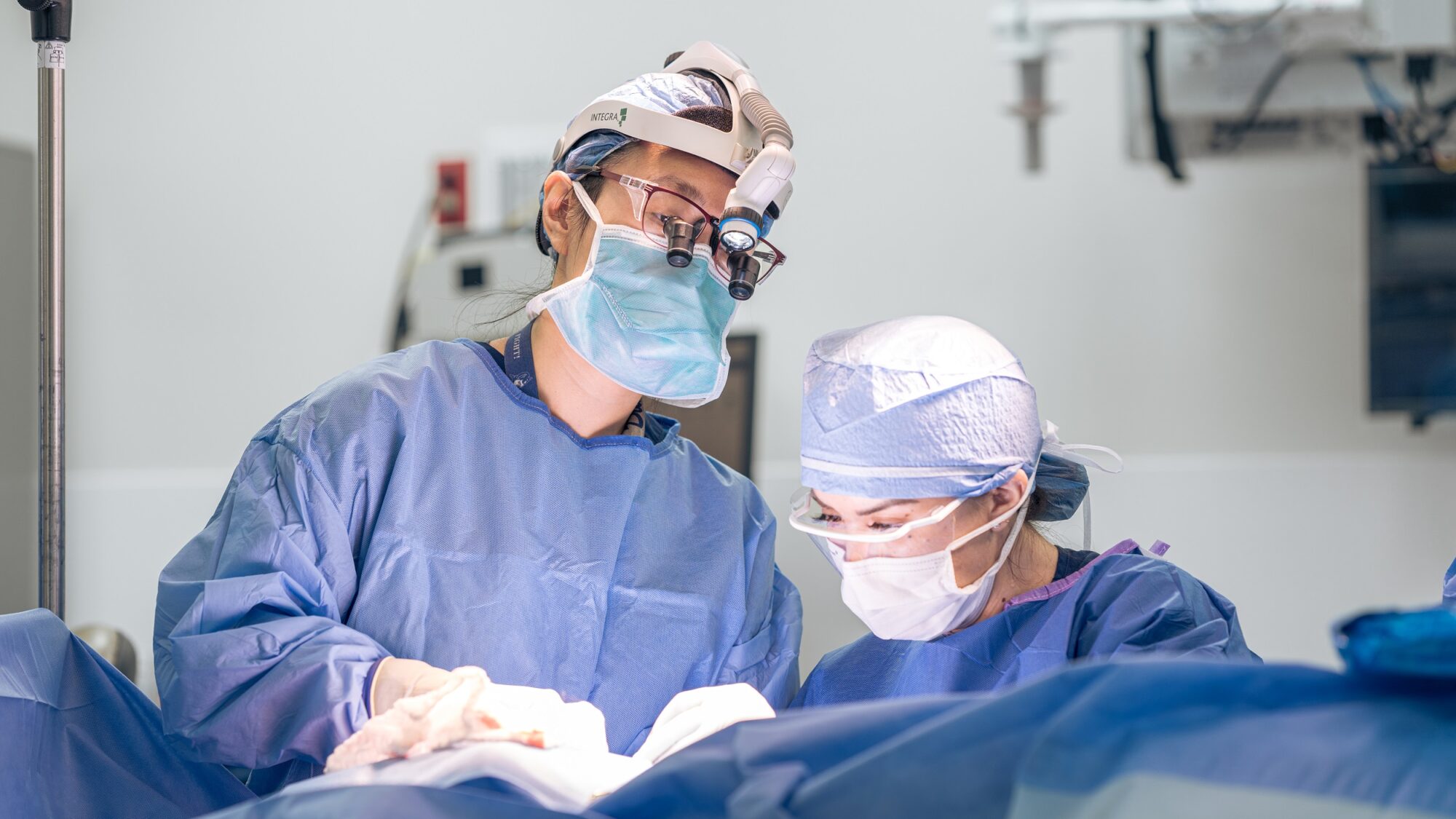
Surgery by a specialist head and neck oncosurgeon
ICU monitoring and dedicated post-operative nursing care
Speech and swallowing therapy sessions during hospital stay
Discharge summary and comprehensive follow-up care plan

Head and Neck Cancer Surgery

Coordinated from

$5,000

or message us on WhatsApp

No commitment required. Your data is never shared with third parties.

Treatment approaches

Standard and robotic-assisted Head and Neck Cancer Surgery

Standard Approach

Open Resection (Oropharyngeal Cancer)

$5,000

1430 days

Robotic-Assisted Option

Transoral Robotic Surgery (TORS)

$8,000

714 days

Comparing the two approaches

StandardRobotic-Assisted
ProcedureOpen Resection (Oropharyngeal Cancer)Transoral Robotic Surgery (TORS)
TechnologyConventional surgical instrumentsRobotic-assisted surgical system with surgeon oversight
AvailabilityHospital-dependentSelected hospitals with robotic capability
SpecialistProcedure specialistSpecialist with relevant robotic experience
Clinical suitabilityCase-dependentCase-dependent
Tariff$5,000–$25,000$8,000–$32,000
Duration14–30 days7–14 days

Eligibility for robotic-assisted treatment

  • Applies specifically to select oropharyngeal cancers — base of tongue and tonsil tumors — not to laryngectomy, neck dissection, thyroidectomy, or parotidectomy within this treatment category, where TORS does not apply
  • Tumor staged T1–T2, and select T3, with transoral access confirmed on exam and imaging as adequate to reach and resect the lesion without an external incision
  • No extensive involvement of the mandible, skull base, or major vessels that would require an open approach such as mandibulotomy (lip-split) access
  • Availability of the robotic platform and a head and neck surgeon experienced in transoral robotic technique at your selected hospital

Risks and limitations of robotic-assisted surgery

  • Robotic assistance does not eliminate the risks of cancer surgery, including bleeding (particularly from the lingual or tonsillar vessels), airway compromise, and the possibility that final pathology shows margins requiring further treatment
  • The surgeon remains responsible for achieving a complete oncologic resection; robotic guidance is an aid, not a substitute for surgical judgement
  • Current evidence shows TORS achieves swallowing and speech preservation comparable to or better than open surgery for suitable oropharyngeal tumors, with a lower need for tracheostomy and a shorter hospital stay — it has not been shown to improve long-term survival over open resection or chemoradiation in appropriately matched patients
  • Not all tumors in this treatment category are candidates — larger, more advanced, or anatomically inaccessible tumors, and cancers of the larynx, thyroid, or salivary glands, are typically managed with open surgery or non-surgical treatment instead

Tariff structure

Standard procedure$5,000$25,000
Robotic-assisted technology fee+$3,000$7,000
Total estimated robotic-assisted tariff$8,000$32,000

Why can robotic-assisted procedures cost more?

Robotic-assisted procedures rely on additional technology and equipment beyond the standard operating platform and clinical team. This additional technology component is generally not included in standard case pricing.

Is robotic-assisted surgery always recommended?

No. Robotic-assisted surgery is not appropriate for every procedure or patient. Availability and suitability are determined by the treating specialist, based on your imaging, clinical condition, and the treating hospital's capabilities.

Global cost comparison — Head and Neck Cancer Surgery

Average coordinated costs across our partner centres. Final pricing depends on clinical complexity and chosen hospital.

CountryAvg. costvs. cheapest
🇮🇳

India

New Delhi · Chennai · Bengaluru · Hyderabad · Mumbai · Kochi

Best value
$6,000
chevron_right
🇹🇷

Turkey

Istanbul

$12,000
chevron_right

Costs are indicative estimates and vary by procedure specifics, hospital, and clinical complexity. Request a personalised estimate for your specific case.

Cost & recovery by procedure

This treatment category covers several different operations with different levels of invasiveness, recovery times, and costs. The country averages above blend all of them together — use the breakdown below for a more realistic, procedure-specific estimate.

Laryngectomy

The voice box (larynx) is partially or completely removed to treat laryngeal cancer that has not responded adequately to less invasive options. A total laryngectomy separates the airway from the throat, so breathing happens through a permanent opening in the neck (stoma) and normal speech is no longer possible without a voice restoration method — this is a life-changing, permanent effect that patients should discuss in full with their surgeon and a speech-language pathologist before deciding.

Typical recovery · 6–10 weeks

Hospital stay is typically 7–14 days, including time to learn stoma care and initial tube feeding before oral swallowing resumes. Surgical healing takes about 2–3 weeks, but adjusting to breathing through a stoma and learning a new way to speak (using a voice prosthesis, electrolarynx, or esophageal speech) is an ongoing process that continues for months after discharge. Speech and swallowing therapy typically begins in hospital and continues long-term.

India

$2,500–$5,000

Turkey

$4,500–$12,000

Thailand

Estimate pending verification — ask your care coordinator for a current quote

Neck Dissection

Lymph nodes in the neck are surgically removed to check for or treat the spread of head and neck cancer, ranging from a selective dissection of a few node groups to a more extensive radical dissection that also removes nearby muscle, nerve, or vein tissue. It is often performed alongside removal of the primary tumor.

Typical recovery · 2–4 weeks

Hospital stay is usually 2–5 days, with a surgical drain in place for about a week to manage fluid buildup. Most patients return to light activity within 2–4 weeks, though numbness, neck stiffness, or reduced shoulder mobility can persist for longer if the accessory nerve or surrounding muscle was affected, and physical therapy is sometimes recommended to help restore shoulder function.

India

Estimate pending verification — ask your care coordinator for a current quote

Turkey

Estimate pending verification — ask your care coordinator for a current quote

Thailand

Estimate pending verification — ask your care coordinator for a current quote

Parotidectomy

All or part of the parotid (major salivary) gland is removed, most often to treat a tumor located in front of or below the ear. Because the facial nerve runs directly through the gland, the surgeon works carefully around it — most cases keep it fully intact, but temporary or, less commonly, permanent facial weakness is a recognized risk of this procedure.

Typical recovery · 2–4 weeks

Most patients stay in hospital only overnight for drain and wound monitoring. Surgical recovery to normal light activity generally takes 2–4 weeks. If the facial nerve was manipulated or stretched during surgery, any resulting weakness is usually temporary — most patients regain nerve function within weeks to a few months, though full recovery can take up to a year in a minority of cases.

India

$2,000–$3,500

Turkey

Estimate pending verification — ask your care coordinator for a current quote

Thailand

Estimate pending verification — ask your care coordinator for a current quote

Thyroidectomy

All or part of the thyroid gland is removed to treat thyroid cancer, a large or suspicious nodule, or thyroid tissue extending down from the neck. Removing part of the gland (hemithyroidectomy) often preserves enough function to avoid lifelong medication, while a total thyroidectomy requires daily thyroid hormone replacement afterward.

Typical recovery · 1–2 weeks

Many patients go home the same day or after one overnight stay, occasionally longer if calcium levels need monitoring after a total thyroidectomy. Light activity typically resumes within 1–2 weeks, with full recovery and stabilization of hormone levels (where replacement medication is needed) taking around 4–6 weeks. Voice changes from irritation near the vocal cord nerve are usually temporary.

India

$2,500–$5,500

Turkey

$3,000–$6,000

Thailand

Estimate pending verification — ask your care coordinator for a current quote

Transoral Robotic Surgery (TORS)

A surgical robot with a camera and small wristed instruments is guided through the mouth to remove tumors at the back of the throat (oropharynx), tongue base, or larynx — avoiding the need to split the jaw or make external neck incisions that older open approaches required. It is used for appropriately selected early-stage tumors and is valued for better preserving swallowing and speech.

Typical recovery · 4–6 weeks

Hospital stay is typically 2–3 days, with the first day or two focused on monitoring swallowing and pain control. Most patients are on a liquid or soft diet for 2–3 weeks before returning to regular food, and full recovery to normal activity generally takes about 4–6 weeks. Long-term swallowing and speech outcomes are favorable for most patients, which is the main advantage of this approach over traditional open surgery.

India

$5,200–$7,200

Turkey

Estimate pending verification — ask your care coordinator for a current quote

Thailand

Estimate pending verification — ask your care coordinator for a current quote

Cost ranges are indicative estimates for international patients and vary with implant choice, number of levels treated, surgeon, and hospital. Request a personalised quote for your specific case.

Clinical detail: AAOS OrthoInfo, Mayo Clinic Health System, Cleveland Clinic. Cost ranges cross-checked across multiple independent medical-tourism sources per country where marked; ranges flagged "pending verification" could not be independently confirmed at the time of writing.

Partner hospitals

2 centres
View all hospitals
Amrita Hospital

Amrita Hospital

Faridabad, India

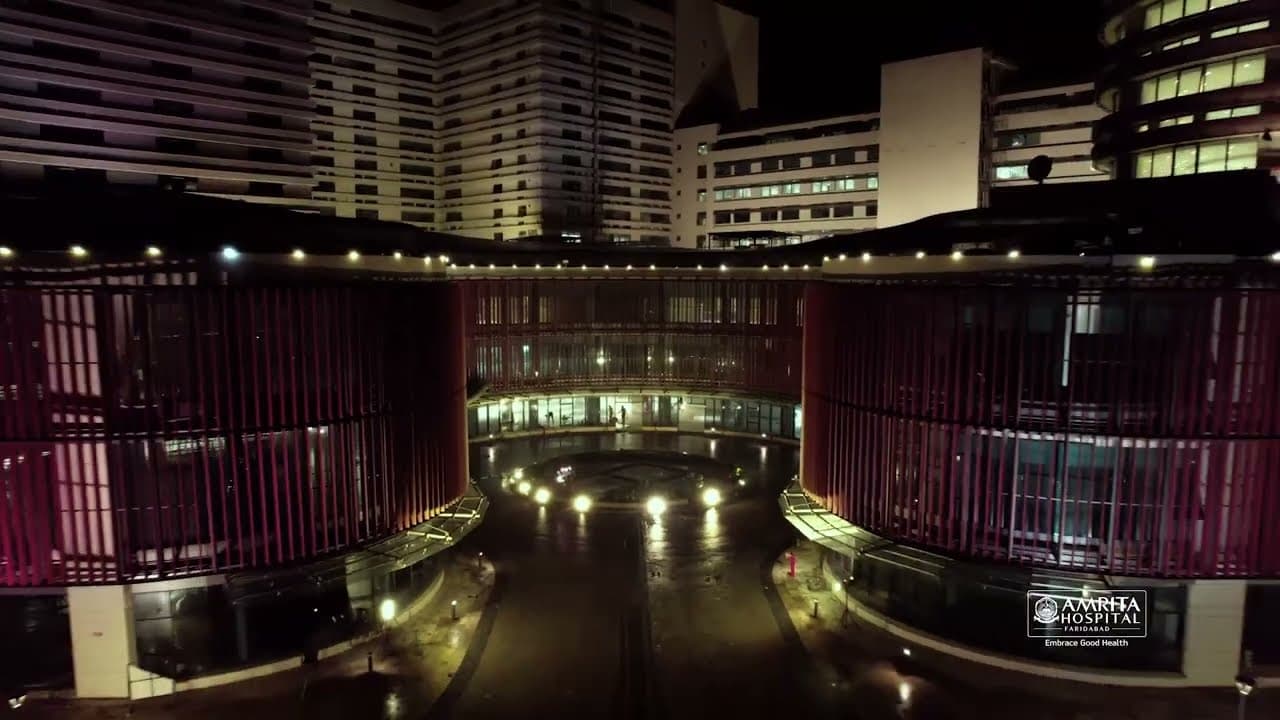
Asia's largest private hospital — 2,600 beds, 64 operation theatres, 81 specialties on a 130-acre campus in Delhi NCR. NABH & NABL accredited. Centres of excellence in oncology, cardiac surgery, BMT, organ transplantation, neurosciences, and IVF.

NABHNABL

800+

Specialists

2,600+

Beds

View Profile
Manipal Hospital Old Airport Road

Manipal Hospital Old Airport Road

Bengaluru, India

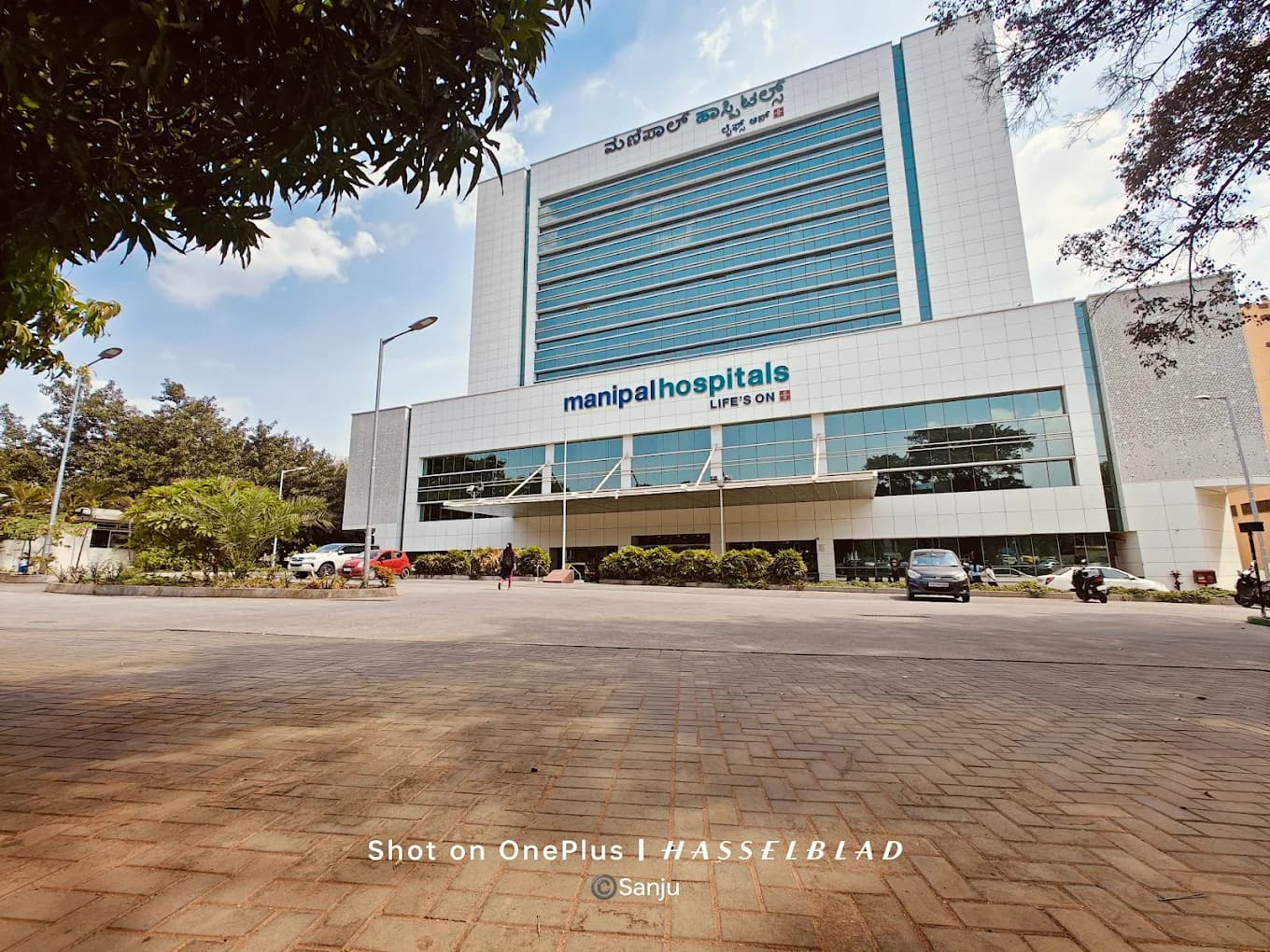
Manipal Hospitals Old Airport Road is the flagship and founding campus of one of India's largest healthcare networks, established in 1991 on HAL Old Airport Road, Kodihalli, Bengaluru. Part of the Manipal Education and Medical Group (MEMG), the network spans 49 hospitals and 12,600+ beds across India. The Old Airport Road campus anchors the group's academic and clinical identity, housing specialist institutes including the Manipal Institute for Joint Replacement and Robotic Surgery (MIJRRS), the Manipal Robotic Spine Surgery centre (MIRSS), the Manipal Skull Base Institute (MSBI), and the Manipal Institute for Bariatric Surgery (MIBS). Its quaternary-level capabilities cover cardiology, oncology, neurosurgery, organ transplantation, orthopaedics, spine surgery, bariatric surgery, and paediatrics, all within a NABH and NABL accredited environment. The hospital provides dedicated international patient services through the Manipal Global network, with support for visa, travel, language, and end-to-end care coordination.

NABHNABL

264+

Specialists

600+

Beds

View Profile

Frequently asked questions

Many head and neck cancers require adjuvant radiotherapy or concurrent chemoradiation after surgery, depending on pathological staging and margin status. Your treatment team will discuss the full plan after reviewing post-surgical pathology, and many international cancer centers can coordinate radiation therapy during your stay.

No fees. No commitment.

Our guidance is completely free

We are compensated by our partner hospitals — never by patients. You get independent clinical matching, cost transparency, and end-to-end coordination at no cost to you.

Message us on WhatsApp