CureSureMedico
|
EN

Lung Cancer Treatment

Pulmonology

payments

Starting from

$1,100

Up to $20,000 depending on centre

schedule

Typical duration

14–60 days

Including pre-operative work-up

arrow_downwardlocal_hospital

Partner hospitals

1

Vetted for outcome data & accreditation

Dr. Rodina Ainasoa

Content reviewed for medical accuracy by: Dr. Rodina Ainasoa · Medical Content Writer & Health Communications

Overview

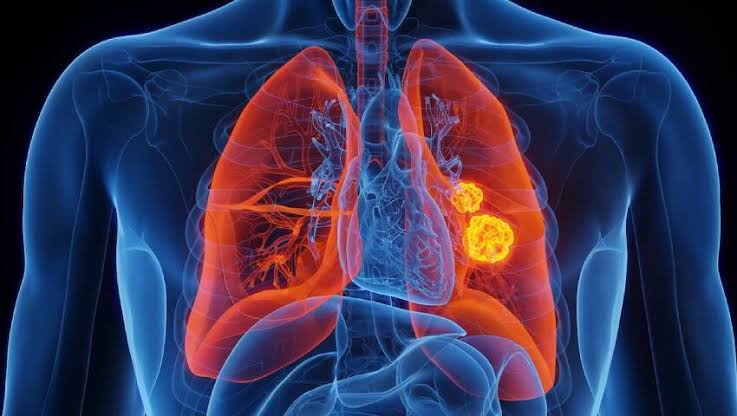
Comprehensive lung cancer care combining surgical resection, precision radiotherapy, targeted molecular therapy, and cutting-edge immunotherapy for both non-small cell (NSCLC) and small cell (SCLC) lung cancer. Leading oncology centers abroad offer multidisciplinary tumor boards, next-generation sequencing, and FDA-approved biologics at dramatically lower costs.

Your case is matched to a centre on the basis of clinical outcome data, not marketing. We coordinate every step — from pre-operative work-up to post-treatment follow-up — with a dedicated care coordinator.

What's included

Oncology consultation and tumor board review
Diagnostic workup including PET-CT and NGS biopsy
Primary treatment (surgery, radiotherapy, or systemic therapy cycle)
Post-treatment imaging and response evaluation
Dedicated oncology case manager and medical interpreter
Assistance with treatment records transfer to home country oncologist

Lung Cancer Treatment

Coordinated from

$1,100

or message us on WhatsApp

No commitment required. Your data is never shared with third parties.

Treatment approaches

Standard and robotic-assisted Lung Cancer Treatment

Standard Approach

Open Thoracotomy (Lobectomy)

$1,100

1460 days

Robotic-Assisted Option

Robotic-Assisted Lobectomy

$9,000

714 days

Comparing the two approaches

StandardRobotic-Assisted
ProcedureOpen Thoracotomy (Lobectomy)Robotic-Assisted Lobectomy
TechnologyConventional surgical instrumentsRobotic-assisted surgical system with surgeon oversight
AvailabilityHospital-dependentSelected hospitals with robotic capability
SpecialistProcedure specialistSpecialist with relevant robotic experience
Clinical suitabilityCase-dependentCase-dependent
Tariff$1,100–$20,000$9,000–$20,000
Duration14–60 days7–14 days

Eligibility for robotic-assisted treatment

  • Early-stage (Stage I or II) non-small cell lung cancer confirmed on imaging as resectable with lobectomy or segmentectomy — this comparison is scoped to lobectomy/segmentectomy for early-stage disease and does not apply to pneumonectomy or locally advanced disease requiring open chest wall resection
  • No extensive tumor invasion into the chest wall, major blood vessels, or mediastinum that would require an open approach for safe removal
  • Adequate lung function and overall fitness confirmed by pulmonary function testing and multidisciplinary tumor board review
  • Availability of a thoracic robotic surgical platform and a surgeon experienced in robotic lobectomy at your selected hospital

Risks and limitations of robotic-assisted surgery

  • Robotic assistance does not eliminate the risks of lung resection, including bleeding, prolonged air leak, pneumonia, and abnormal heart rhythm
  • The thoracic surgeon remains responsible for the operation and lymph node dissection; robotic guidance is an aid, not a substitute for surgical judgement, and conversion to open thoracotomy may be needed if bleeding or unexpected anatomy is encountered
  • This comparison is scoped to lobectomy and segmentectomy for early-stage disease — robotic surgery is not typically used for pneumonectomy or tumors requiring chest wall resection, and long-term oncologic outcomes are broadly comparable to open and video-assisted approaches
  • Availability depends heavily on the individual hospital and the treating surgeon's specific case volume with the robotic thoracic platform

Tariff structure

Standard procedure$1,100$20,000
Robotic-assisted technology fee+$3,000$6,000
Total estimated robotic-assisted tariff$9,000$20,000

Why can robotic-assisted procedures cost more?

Robotic-assisted procedures rely on additional technology and equipment beyond the standard operating platform and clinical team. This additional technology component is generally not included in standard case pricing.

Is robotic-assisted surgery always recommended?

No. Robotic-assisted surgery is not appropriate for every procedure or patient. Availability and suitability are determined by the treating specialist, based on your imaging, clinical condition, and the treating hospital's capabilities.

Global cost comparison — Lung Cancer Treatment

Average coordinated costs across our partner centres. Final pricing depends on clinical complexity and chosen hospital.

CountryAvg. costvs. cheapest
🇮🇳

India

New Delhi · Chennai · Bengaluru · Hyderabad · Mumbai · Kochi

Best value
$6,600
chevron_right
🇹🇷

Turkey

Istanbul

$12,000
chevron_right

Costs are indicative estimates and vary by procedure specifics, hospital, and clinical complexity. Request a personalised estimate for your specific case.

Cost & recovery by procedure

This treatment category covers several different operations with different levels of invasiveness, recovery times, and costs. The country averages above blend all of them together — use the breakdown below for a more realistic, procedure-specific estimate.

Pulmonary Resection (Lobectomy / Pneumonectomy)

Surgical removal of the affected lobe (lobectomy) or, for centrally located or more extensive tumors, an entire lung (pneumonectomy), along with nearby lymph nodes, performed via minimally invasive VATS/robotic access or open thoracotomy depending on tumor size, location, and stage.

Typical recovery · 4–8 weeks

Hospital stay is typically 5–7 days after a minimally invasive lobectomy versus 7–10 days after open thoracotomy or pneumonectomy, with a chest drain removed once air leaks resolve. Return to normal daily activity generally takes 4–6 weeks after lobectomy and up to 8 weeks after pneumonectomy. Watch for pneumonia, prolonged air leak, and abnormal heart rhythm (atrial fibrillation) in the first week, with pulmonary rehabilitation often continuing for months afterward.

India

$7,000–$15,000

Turkey

$12,000–$20,000

Thailand

Estimate pending verification — ask your care coordinator for a current quote

Stereotactic Body Radiotherapy (SBRT)

A non-invasive, outpatient radiotherapy technique that delivers highly focused, high-dose radiation beams from multiple angles to destroy small early-stage lung tumors, used as a primary treatment for patients who are not surgical candidates or who decline surgery.

Typical recovery · 1–2 weeks

Treatment is delivered over just 1–5 sessions across roughly 1–2 weeks, with no incision, anesthesia, or hospital stay required. Most patients resume normal activities within a few days, though mild fatigue, cough, or skin irritation over the treated area can occur; local tumor control exceeds 90% at 3 years for early-stage disease.

India

$5,000–$7,500

Turkey

Estimate pending verification — ask your care coordinator for a current quote

Thailand

Estimate pending verification — ask your care coordinator for a current quote

Targeted Therapy & Immunotherapy

Oral targeted drugs (such as EGFR or ALK inhibitors) or intravenous immune checkpoint inhibitors (such as pembrolizumab) that either block the specific molecular driver of the cancer or help the immune system recognize and attack tumor cells, used for advanced, metastatic, or biomarker-positive lung cancer.

Typical recovery · Ongoing / by treatment cycle

Targeted oral therapy is taken daily at home, while immunotherapy is typically infused intravenously over 30–60 minutes every 3–6 weeks; there is no surgical recovery, but response is monitored with imaging roughly every 6–12 weeks. Immune-related side effects — including colitis, pneumonitis, and thyroid or other hormonal disturbances — require prompt reporting, and many patients continue therapy for months to years depending on response.

India

$1,800–$4,800 per cycle

Turkey

$2,200–$5,000 per cycle

Thailand

Estimate pending verification — ask your care coordinator for a current quote

Endobronchial Tumor Ablation

A bronchoscopic procedure using laser, electrocautery, argon plasma coagulation, or photodynamic therapy to destroy or debulk a tumor obstructing the central airway, most often used for symptom relief in advanced disease or as a primary treatment for small, superficial tumors in patients unfit for surgery.

Typical recovery · 2–5 days

Performed under sedation or general anesthesia with a bronchoscope passed through the mouth or nose; most patients go home within 1–2 days, or the same day for simple debulking. Photodynamic therapy requires strict avoidance of direct sunlight and bright light for 4–6 weeks afterward due to skin and eye photosensitivity from the injected light-activated drug, and more than one session may be needed to fully clear the airway.

India

Estimate pending verification — ask your care coordinator for a current quote

Turkey

Estimate pending verification — ask your care coordinator for a current quote

Thailand

Estimate pending verification — ask your care coordinator for a current quote

Cost ranges are indicative estimates for international patients and vary with implant choice, number of levels treated, surgeon, and hospital. Request a personalised quote for your specific case.

Clinical detail: AAOS OrthoInfo, Mayo Clinic Health System, Cleveland Clinic. Cost ranges cross-checked across multiple independent medical-tourism sources per country where marked; ranges flagged "pending verification" could not be independently confirmed at the time of writing.

Partner hospitals

1 centres
View all hospitals
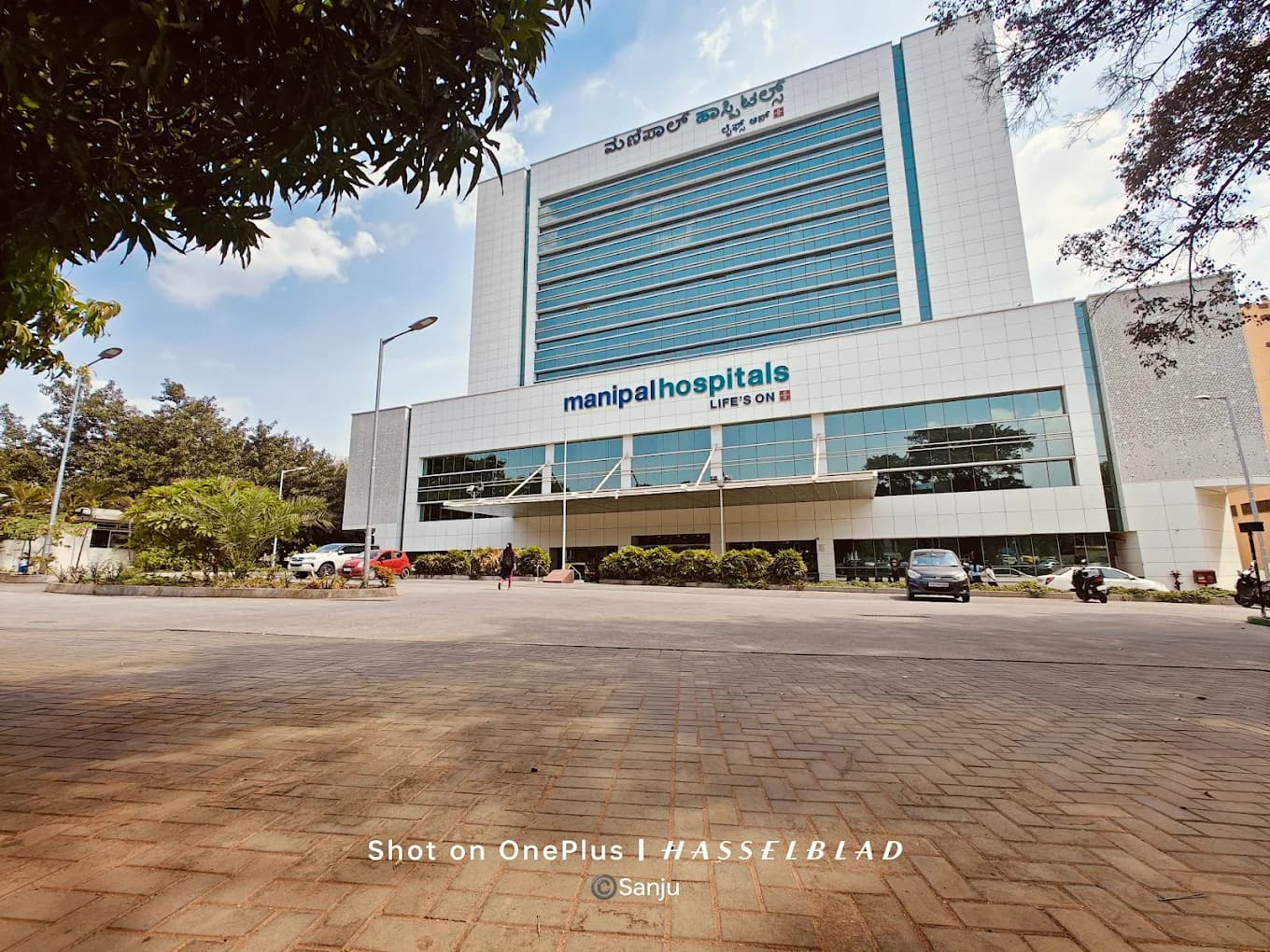
Manipal Hospital Old Airport Road

Manipal Hospital Old Airport Road

Bengaluru, India

Manipal Hospitals Old Airport Road is the flagship and founding campus of one of India's largest healthcare networks, established in 1991 on HAL Old Airport Road, Kodihalli, Bengaluru. Part of the Manipal Education and Medical Group (MEMG), the network spans 49 hospitals and 12,600+ beds across India. The Old Airport Road campus anchors the group's academic and clinical identity, housing specialist institutes including the Manipal Institute for Joint Replacement and Robotic Surgery (MIJRRS), the Manipal Robotic Spine Surgery centre (MIRSS), the Manipal Skull Base Institute (MSBI), and the Manipal Institute for Bariatric Surgery (MIBS). Its quaternary-level capabilities cover cardiology, oncology, neurosurgery, organ transplantation, orthopaedics, spine surgery, bariatric surgery, and paediatrics, all within a NABH and NABL accredited environment. The hospital provides dedicated international patient services through the Manipal Global network, with support for visa, travel, language, and end-to-end care coordination.

NABHNABL

264+

Specialists

600+

Beds

View Profile

Frequently asked questions

Absolutely. Most partner centers offer a remote multidisciplinary tumor board review, where your CT scans, PET images, pathology slides, and molecular test results are assessed before you travel. This ensures the treatment plan is confirmed in advance and your trip is purposeful. Digital pathology consultations typically take 5-10 business days and can be arranged through your patient coordinator.

No fees. No commitment.

Our guidance is completely free

We are compensated by our partner hospitals — never by patients. You get independent clinical matching, cost transparency, and end-to-end coordination at no cost to you.

Message us on WhatsApp