
CureSureMedico
|
EN

Tuberculosis Treatment

Pulmonology

payments

Starting from

$500

Up to $4,000 depending on centre

schedule

Typical duration

14–60 days

Including pre-operative work-up

arrow_downwardlocal_hospital

Partner hospitals

1

Vetted for outcome data & accreditation

Dr. Rodina Ainasoa

Content reviewed for medical accuracy by: Dr. Rodina Ainasoa · Medical Content Writer & Health Communications

Overview

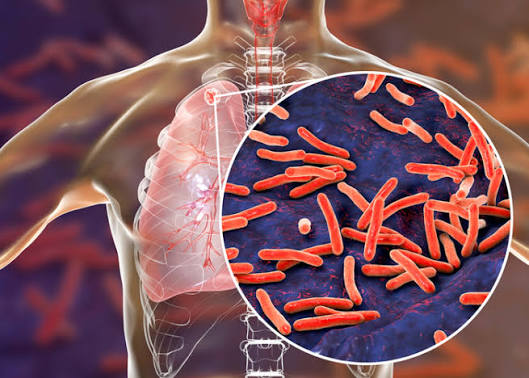
Specialist management of drug-sensitive, multi-drug-resistant (MDR-TB), and extensively drug-resistant (XDR-TB) tuberculosis through WHO-compliant directly-observed therapy and novel second-line antibiotic regimens. Centers in India and Morocco offer unparalleled TB expertise, affordable diagnostics, and discreet international patient pathways.

Your case is matched to a centre on the basis of clinical outcome data, not marketing. We coordinate every step — from pre-operative work-up to post-treatment follow-up — with a dedicated care coordinator.

What's included

Infectious disease and pulmonology specialist consultation
Drug susceptibility testing and TB genotyping (GeneXpert, culture)
Initiation of appropriate first or second-line anti-TB regimen
Directly observed therapy supervision for initial intensive phase
Monthly liver function and treatment monitoring tests
Coordination with home country physician for continuation phase

Tuberculosis Treatment

Coordinated from

$500

or message us on WhatsApp

No commitment required. Your data is never shared with third parties.

Standard Drug-Sensitive TB Regimen vs. MDR-TB Regimen

Tuberculosis treatment depends entirely on drug-susceptibility testing results. Most patients have drug-sensitive TB and respond well to the standard first-line regimen, but a minority have multidrug-resistant TB (MDR-TB) and require a longer, more complex second-line regimen. Here is how the two approaches compare.

ParameterStandard Drug-Sensitive TBMDR-TB
Typical treatment durationAbout 6 months of first-line antibiotics (isoniazid, rifampicin, pyrazinamide, ethambutol — HRZE), per WHO guidelines.Roughly 9 to 20 months depending on the regimen used, per WHO consolidated guidelines on drug-resistant TB.
Medication regimenA fixed combination of four first-line oral antibiotics, taken daily.A combination of second-line drugs, which may include bedaquiline, and newer shorter all-oral regimens such as BPaL/BPaLM, guided by drug-susceptibility testing.
Monitoring intensityRegular sputum checks and periodic liver function monitoring, with directly observed therapy recommended during the intensive phase.More frequent clinical, laboratory, and sputum culture monitoring throughout treatment given the longer course and drug side-effect profile.
Likelihood of cure with adherenceHigh treatment success rates are reported for drug-sensitive TB when the full course is completed, per WHO global TB reports.Treatment success rates are lower than for drug-sensitive TB but have improved substantially with newer regimens; completing the full course remains essential.
Best suited forPatients whose TB bacteria test susceptible to first-line drugs on diagnostic testing.Patients whose TB bacteria test resistant to at least isoniazid and rifampicin, confirmed through drug-susceptibility or molecular testing.

The Treatment Process: Step by Step

The steps below outline a typical tuberculosis management process. Your infectious disease specialist or pulmonologist will confirm the exact regimen and monitoring plan based on your diagnostic results.

1

Diagnostic and drug-susceptibility testing

Sputum samples are tested using rapid molecular tests such as GeneXpert, along with mycobacterial culture and drug-susceptibility testing, to confirm active TB and determine whether the bacteria are sensitive or resistant to first-line drugs.

2

Treatment regimen initiation

Based on the test results, the appropriate first-line or second-line regimen is started, along with baseline liver function and other laboratory tests before treatment begins.

3

Directly observed therapy and monitoring

Medication intake is supervised, in person or via approved video-supported methods, and patients are monitored regularly for treatment response, side effects, and liver function, especially during the initial intensive phase.

4

Completion and follow-up testing

As treatment nears completion, follow-up sputum testing confirms clearance of the bacteria, and the care team documents completion of the full course, since stopping early is a leading cause of treatment failure and drug resistance.

Treatment Course Timeline

Treatment Course Timeline
First 2-3 weeks

Most patients with drug-sensitive TB become substantially less infectious within about two to three weeks of starting effective treatment, per CDC guidance, though your care team will confirm when precautions can be relaxed based on your individual response.

Intensive phase (~2 months)

The first phase of standard treatment typically lasts about two months on four drugs, during which symptoms usually improve substantially, per WHO guidelines.

Continuation phase (to ~6 months)

Standard drug-sensitive TB treatment continues for a further four months on a reduced drug combination, for a total of about six months, even after symptoms have resolved.

MDR-TB course (9-20 months)

MDR-TB regimens run substantially longer, from roughly 9 months with newer shorter regimens up to 20 months with longer regimens, per WHO consolidated guidelines, with close monitoring throughout.

Source: World Health Organization consolidated guidelines on tuberculosis; U.S. Centers for Disease Control and Prevention (CDC). Individual treatment duration and infectiousness period vary and are guided by your treating physician.

Known Risks & Limitations

  • Treatment non-adherence — stopping medication early or taking doses inconsistently — is a leading cause of treatment failure and can allow the bacteria to develop drug resistance, per WHO guidance.
  • Medication side effects, including hepatotoxicity (liver injury), are a recognised risk with anti-TB drugs, which is why regular liver function monitoring is part of standard care.
  • Drug-resistant TB, if it develops or is already present, requires a much longer and often more toxic second-line regimen with a lower overall success rate than drug-sensitive TB.
  • During the early infectious period, precautions such as isolation and, where advised, mask use are important to reduce the risk of transmission to others.
  • Symptoms often improve well before the bacteria are fully cleared; stopping treatment once symptoms improve, rather than completing the full prescribed course, is a major driver of relapse and drug resistance.

Source: World Health Organization consolidated guidelines on tuberculosis; U.S. Centers for Disease Control and Prevention (CDC); Mayo Clinic. No treatment is without risk; your treating physician will review your individual case.

The CureSureMedico Care Pathway

Remote case review

Share your sputum test results, chest imaging, and any prior TB treatment history with our coordination team, who forward your case to an infectious disease specialist for an initial review of drug-susceptibility status and suitability for treatment abroad.

Specialist and centre matching

We match you with an accredited infectious disease centre experienced in managing drug-sensitive TB and, where needed, MDR-TB or XDR-TB with access to WHO-endorsed second-line drugs such as bedaquiline.

Cost estimate and treatment-length planning

Once your case is reviewed, we issue a consolidated cost estimate covering diagnostics, medications, and monitoring, and help you plan realistically for a treatment course that may run from several months to well over a year depending on your regimen.

Intensive-phase treatment and monitoring

You begin treatment under specialist supervision, with regular monitoring of treatment response, side effects, and liver function during the initial intensive phase before continuing your care plan.

Continuation-phase handover and follow-up

Before you depart, your treatment records, remaining medication plan, and monitoring schedule are shared with your home-country physician so your continuation phase and eventual treatment-completion testing can proceed without interruption.

Global cost comparison — Tuberculosis Treatment

Average coordinated costs across our partner centres. Final pricing depends on clinical complexity and chosen hospital.

CountryAvg. costvs. cheapest
🇮🇳

India

New Delhi · Chennai · Bengaluru · Hyderabad · Mumbai · Kochi

Best value
$1,000
chevron_right
🇹🇷

Turkey

Istanbul

$2,000
chevron_right

Costs are indicative estimates and vary by procedure specifics, hospital, and clinical complexity. Request a personalised estimate for your specific case.

Partner hospitals

1 centres
View all hospitals
Medanta Hospital Gurugram Sector 14

Medanta Hospital Gurugram Sector 14

Gurugram, India

Medanta Hospital branch. Located in Delhi NCR, it serves Gurugram Sector 14 and surrounding areas. Established in 2022, it operates 250 beds with 100 doctors across cardiology, oncology, haematology, neurology, orthopaedics and fertility, holds NABH and NABL accreditation, and offers procedures including liver transplantation and living-donor liver transplant.

NABHNABL

100+

Specialists

250+

Beds

View Profile

Frequently asked questions

Yes. India and several partner countries have established MDR-TB centres with access to WHO-endorsed newer drugs including bedaquiline, delamanid, and the BPaL regimen (bedaquiline, pretomanid, linezolid) for XDR-TB. After completing the intensive phase abroad (typically 2-4 months), your care team will arrange supply or prescription bridging so you can continue treatment in your home country with telemedicine support.

No fees. No commitment.

Our guidance is completely free

We are compensated by our partner hospitals — never by patients. You get independent clinical matching, cost transparency, and end-to-end coordination at no cost to you.

Message us on WhatsApp