CureSureMedico
|
EN

Pulmonary Rehabilitation

Pulmonology

payments

Starting from

$1,500

Up to $8,000 depending on centre

schedule

Typical duration

14–28 days

Including pre-operative work-up

arrow_downwardlocal_hospital

Partner hospitals

1

Vetted for outcome data & accreditation

Dr. Rodina Ainasoa

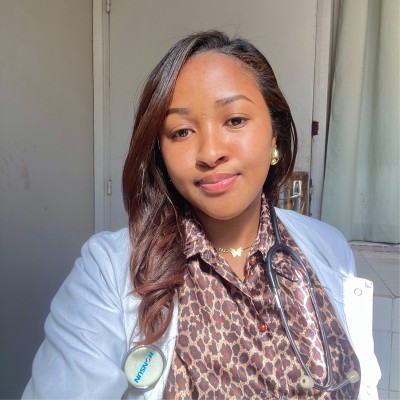
Content reviewed for medical accuracy by: Dr. Rodina Ainasoa · Medical Content Writer & Health Communications

Overview

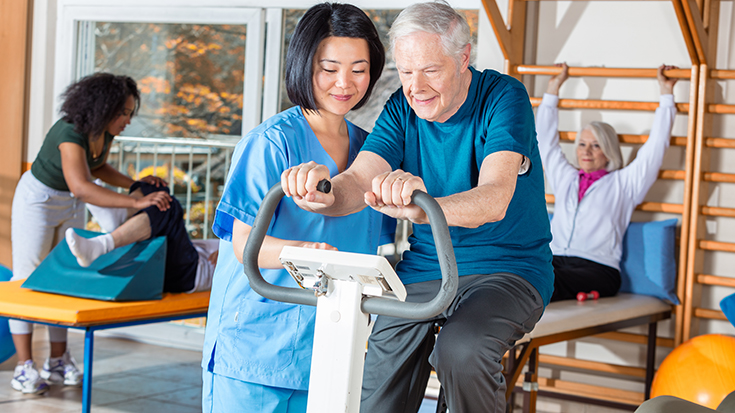
An evidence-based, multidisciplinary programme of supervised exercise training, breathing retraining, nutritional counselling, and patient education designed to restore function and quality of life in patients with chronic lung diseases such as COPD, post-COVID lung damage, and post-transplant recovery. Intensive residential programmes abroad deliver measurable results in 2-4 weeks.

Your case is matched to a centre on the basis of clinical outcome data, not marketing. We coordinate every step — from pre-operative work-up to post-treatment follow-up — with a dedicated care coordinator.

What's included

Initial pulmonologist assessment and 6-minute walk test
Individualised exercise and breathing retraining plan
Daily supervised physiotherapy sessions (Mon-Sat)
Nutritional assessment and dietary counselling
Patient education workshops (inhaler use, exacerbation management)
Discharge fitness report and home exercise programme

Pulmonary Rehabilitation

Coordinated from

$1,500

or message us on WhatsApp

No commitment required. Your data is never shared with third parties.

Center-Based vs. Home-Based Pulmonary Rehabilitation

Pulmonary rehabilitation can be delivered in a supervised clinic or hospital setting, or increasingly as a structured home-based programme. Here is how the two delivery models compare.

ParameterCenter-Based ProgrammeHome-Based Programme
Where sessions take placeA dedicated clinic or hospital rehab facility, with direct in-person physiotherapist and respiratory therapist supervision at every session.The patient's home, using a written or app-guided plan, with periodic phone, video, or in-person check-ins from the care team.
Level of monitoringContinuous supervision, with oxygen saturation and symptoms checked throughout each exercise session.Lighter-touch monitoring between check-ins; suited to patients who are clinically stable and have been assessed as safe to exercise with less direct supervision.
Access to equipmentFull access to treadmills, cycle ergometers, resistance equipment, and supplemental oxygen on site.Relies on simple home equipment (resistance bands, a step, a basic exercise bike where available); less suited to patients who need on-site oxygen titration.
Published outcomesWell-established improvements in exercise capacity and quality of life; regarded by respiratory societies as the traditional standard of care.Evidence to date shows gains in walking distance broadly comparable to center-based care for suitable patients, though evidence on longer-term functional outcomes is still more limited, per pooled trial data reviewed by pulmonary rehabilitation researchers.
Best suited forPatients with more severe disease, low oxygen levels during exertion, or other conditions that call for closer supervision.Clinically stable patients with reliable access to a phone or video check-in, or those for whom travel to a center is impractical.

The Programme: Step by Step

The steps below outline a typical supervised pulmonary rehabilitation programme. Your pulmonologist and rehab team will confirm the exact plan for your condition and functional level.

1

Baseline functional assessment

Your programme begins with a pulmonologist assessment and a baseline six-minute walk test, along with symptom, oxygen-saturation, and quality-of-life measurements used to set a starting point and personalise your plan.

2

Individualised exercise and education plan

Based on your assessment, the team designs a personalised combination of aerobic and strength training, breathing-technique training, and education sessions covering topics such as inhaler technique and energy conservation.

3

Supervised sessions over several weeks

You attend supervised exercise and education sessions several times a week, with intensity and duration progressively increased as your endurance and strength improve, while oxygen levels and symptoms are monitored throughout.

4

Reassessment and maintenance planning

Near the end of the programme, your walk test and other measures are repeated to track progress, and you receive a personalised home maintenance exercise plan to help sustain the gains you have made.

Programme Timeline

Programme Timeline
Weeks 1-2

Baseline assessment and orientation; exercise intensity starts conservatively as the team observes your response and confirms safe oxygen levels during activity, per American Thoracic Society and European Respiratory Society guidance.

Weeks 3-6

Exercise intensity and duration are progressively increased; many patients begin noticing improved breathlessness and stamina during daily activities during this stretch.

Weeks 6-12

Most structured programmes run a total of six to twelve weeks; by the end, formal reassessment typically shows measurable gains in walking distance and self-reported quality of life compared with baseline, per Mayo Clinic and Cleveland Clinic.

Ongoing

After completing the programme, continuing a home maintenance exercise routine is essential to sustain the gains made; without ongoing activity, functional benefits tend to decline over time, per published pulmonary rehabilitation follow-up studies.

Source: American Thoracic Society; European Respiratory Society; Mayo Clinic; Cleveland Clinic. Individual progress varies and is guided by your treating pulmonologist and rehabilitation team.

Known Risks & Limitations

  • Benefits depend on completing the full programme and continuing a maintenance exercise routine afterward — gains in exercise capacity and quality of life tend to fade over months if activity is not sustained, per American Thoracic Society and European Respiratory Society guidance.
  • Exercise can cause a temporary drop in blood oxygen levels (exercise-induced desaturation) in some patients with chronic lung disease, which is why sessions are supervised and oxygen saturation is monitored, with supplemental oxygen adjusted as needed.
  • The degree of improvement varies with the severity of the underlying lung condition, overall fitness before starting, and how consistently sessions are attended, so results differ from person to person.
  • Pulmonary rehabilitation improves symptoms, exercise capacity, and quality of life, but it does not reverse or cure the underlying lung disease (such as COPD, pulmonary fibrosis, or post-COVID lung changes) causing the breathlessness.
  • Continuing self-management — inhaler technique, breathing exercises, activity pacing, and where relevant smoking cessation — after the programme ends is important, since stopping these habits can allow symptoms to gradually return.

Source: American Thoracic Society; European Respiratory Society; Mayo Clinic; Cleveland Clinic. No programme is without limitations; your treating pulmonologist will review your individual case.

The CureSureMedico Care Pathway

Remote case review

Share your pulmonology records, recent lung function tests, and current oxygen requirements with our coordination team, who forward your case for an initial review of suitability for a supervised programme abroad.

Pulmonologist and rehab centre matching

We match you with an accredited pulmonary rehabilitation centre with the physiotherapy, respiratory therapy, and oxygen-monitoring capability appropriate to your baseline functional level.

Cost estimate and travel planning

Once your case is reviewed, we issue a consolidated cost estimate covering the full assessment and supervised programme, and help plan a trip length that matches the typical multi-week course of treatment.

Supervised programme and progress reviews

You attend your baseline assessment and supervised sessions on site, with periodic progress reviews to adjust your exercise and education plan as your endurance and strength improve.

Follow-up and continuity of care

Before you depart, your discharge fitness report and home maintenance exercise plan are shared with your home-country physician or physiotherapist so they can support your ongoing self-management.

Global cost comparison — Pulmonary Rehabilitation

Average coordinated costs across our partner centres. Final pricing depends on clinical complexity and chosen hospital.

CountryAvg. costvs. cheapest
🇮🇳

India

New Delhi · Chennai · Bengaluru · Hyderabad · Mumbai · Kochi

Best value
$2,000
chevron_right
🇹🇷

Turkey

Istanbul

$4,000
chevron_right

Costs are indicative estimates and vary by procedure specifics, hospital, and clinical complexity. Request a personalised estimate for your specific case.

Partner hospitals

1 centres
View all hospitals
Amrita Hospital

Amrita Hospital

Faridabad, India

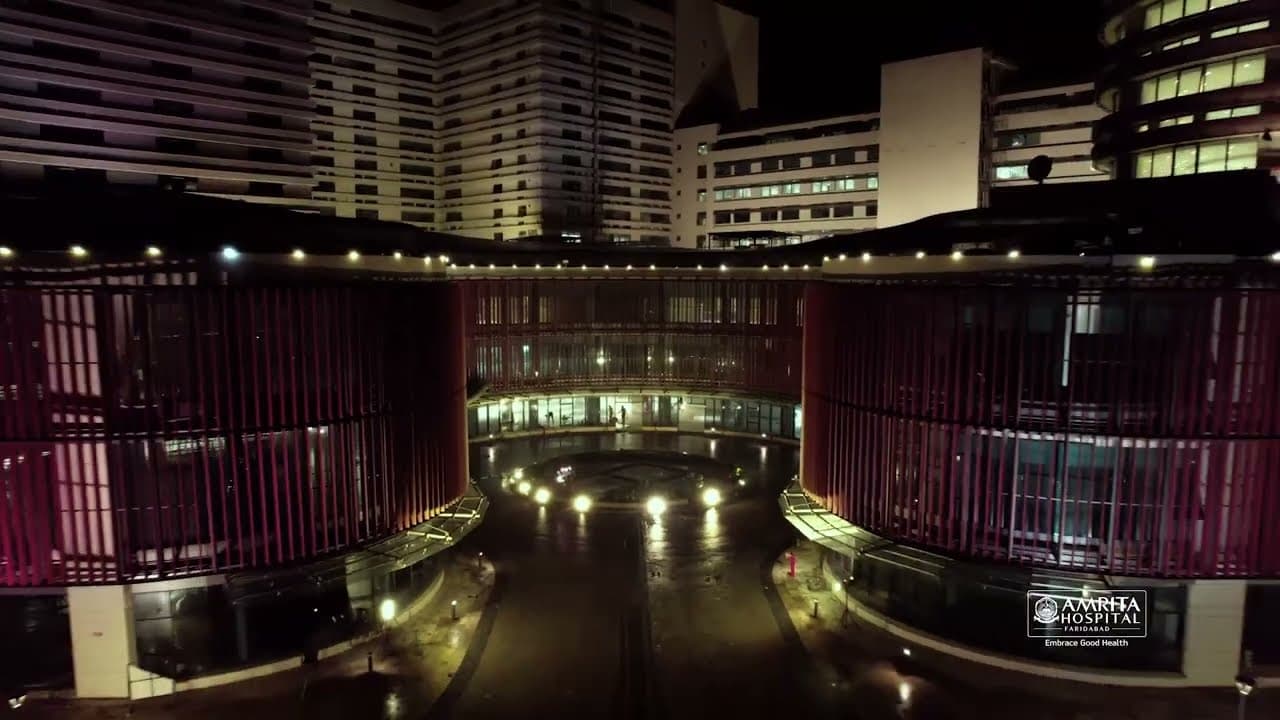
Asia's largest private hospital — 2,600 beds, 64 operation theatres, 81 specialties on a 130-acre campus in Delhi NCR. NABH & NABL accredited. Centres of excellence in oncology, cardiac surgery, BMT, organ transplantation, neurosciences, and IVF.

NABHNABL

800+

Specialists

2,600+

Beds

View Profile

Frequently asked questions

Clinical evidence consistently shows that a structured 3-4 week intensive pulmonary rehabilitation programme reduces breathlessness scores (MRC dyspnoea scale), improves 6-minute walk distance by 50-80 metres on average, and significantly enhances health-related quality of life in COPD and other chronic lung disease patients. Benefits are greatest for patients with moderate-to-severe disease who have not previously undergone formal rehabilitation. Gains are maintained for 12-18 months when patients continue a home exercise programme after discharge.

No fees. No commitment.

Our guidance is completely free

We are compensated by our partner hospitals — never by patients. You get independent clinical matching, cost transparency, and end-to-end coordination at no cost to you.

Message us on WhatsApp