

CureSureMedico
|
EN

Hip Replacement (Including Robotic-Assisted)

Orthopedics

payments

Starting from

$4,500

Up to $17,000 depending on centre

schedule

Typical duration

7–14 days

Including pre-operative work-up

arrow_downwardlocal_hospital

Partner hospitals

4

Vetted for outcome data & accreditation

Dr. Rodina Ainasoa

Content reviewed for medical accuracy by: Dr. Rodina Ainasoa · Medical Content Writer & Health Communications

Overview

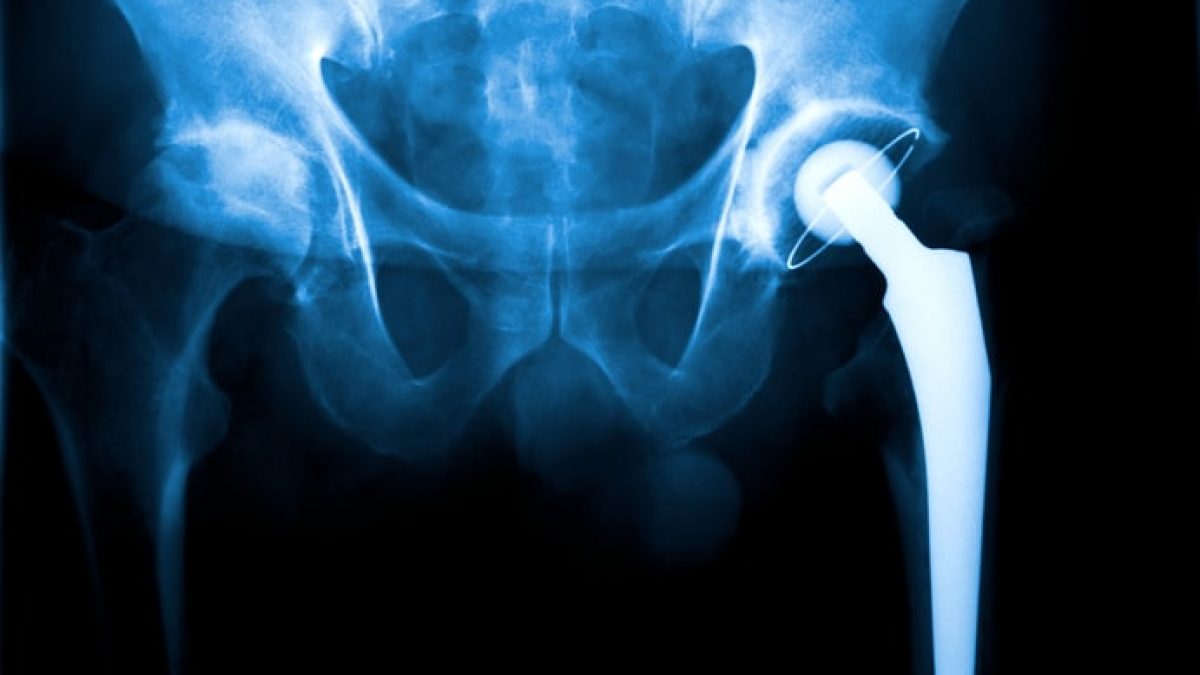
Total hip arthroplasty — including robotic-assisted and minimally invasive techniques — restoring mobility for patients with hip arthritis, avascular necrosis, and hip fractures at world-class orthopaedic centres abroad.

Your case is matched to a centre on the basis of clinical outcome data, not marketing. We coordinate every step — from pre-operative work-up to post-treatment follow-up — with a dedicated care coordinator.

What's included

Pre-operative orthopaedic assessment, X-ray & MRI review
Surgeon & anaesthesia fees
Premium hip implant & prosthetic materials
Post-operative physiotherapy and gait rehabilitation plan
Interpreter & dedicated care coordinator
Discharge plan and remote follow-up support at home

Hip Replacement (Including Robotic-Assisted)

Coordinated from

$4,500

or message us on WhatsApp

No commitment required. Your data is never shared with third parties.

Standard Total Hip Replacement vs. Hip Resurfacing

Both procedures address a damaged hip joint, but resurfacing preserves more of the natural femoral head while total replacement removes and replaces it entirely. Suitability depends on age, bone strength, and activity goals — confirmed by your orthopaedic surgeon through exam and imaging.

ParameterTotal Hip Replacement (THR)Hip Resurfacing
Bone removedFemoral head and damaged socket are both removed and replacedFemoral head is trimmed and capped, not removed — more bone preserved
Typical hospital stayOvernight or same-day, depending on surgeon's plan1–4 days
Ideal candidatesMost patients with hip arthritis needing replacementYounger, larger-framed patients with strong, healthy bone
Early failure rateAround 1.9% in early follow-upAround 2.2% in early follow-up, mostly femoral neck fracture
Best suited forGeneral population with hip joint damagePatients wanting a return to high-impact or high-range-of-motion activity

The Procedure: Step by Step

Total hip replacement surgery typically lasts 1 to 2 hours, according to AAOS OrthoInfo. The core stages below describe a standard total hip replacement.

1

Remove damaged cartilage and bone

The surgeon removes the damaged femoral head and prepares the socket (acetabulum) by removing damaged cartilage and bone.

2

Position the metal stem and socket

A metal stem is inserted into the femur and a metal socket replaces the damaged acetabulum — these may be cemented or press-fit into the bone.

3

Attach the new ball

A ball component, made of metal or ceramic, is placed on the upper part of the femoral stem.

4

Insert a spacer

A spacer made of plastic, ceramic, or metal is placed between the new ball and socket to allow smooth, low-friction movement.

Recovery Timeline

Recovery Timeline
Day of surgery

Surgery itself takes 1 to 2 hours, per AAOS OrthoInfo. Patients may be admitted overnight or, in some cases, go home the same day, depending on the plan agreed with the surgeon beforehand.

3–6 weeks

Most patients resume normal light activities, per AAOS OrthoInfo. Special precautions around sitting, bending, and sleeping positions typically apply during the first 6 weeks.

2–4 weeks

Most patients return to driving once off narcotic pain medication and able to react and brake safely, per Cleveland Clinic — timing can vary depending on which hip was operated on.

15–25 years

A systematic review and meta-analysis of long-term registry data found hip replacements last at least 15 years in around 89% of patients, and at least 25 years in around 58% of patients.

Source: American Academy of Orthopaedic Surgeons — OrthoInfo; Cleveland Clinic; Evans et al., The Lancet (systematic review of implant survivorship). Individual recovery varies.

Known Risks & Limitations

  • Serious complications such as joint infection occur in fewer than 2% of patients (AAOS OrthoInfo).
  • Major medical complications such as heart attack or stroke occur even less frequently than infection.
  • Blood clots in the leg veins or pelvis are one of the most common complications of hip replacement surgery.
  • Over time, the hip prosthesis may wear out or loosen, which can eventually require revision surgery.
  • Hip resurfacing carries an additional risk of femoral neck fracture and, being a metal-on-metal implant, metal ion release that can affect surrounding tissue.

Source: American Academy of Orthopaedic Surgeons — OrthoInfo. No surgery is without risk; your surgeon will review your individual risk profile before you consent to treatment.

The CureSureMedico Care Pathway

Remote clinical review

Share X-rays/MRI and symptom history. Our coordination team confirms candidacy and matches you with a suitable orthopaedic surgeon.

Hospital matching & estimate

A consolidated cost estimate covering surgery, implant, hospital stay, and physiotherapy is issued before travel.

Travel & pre-operative work-up

On arrival, final imaging and anaesthesia clearance confirm the surgical plan before admission.

Surgery & early recovery

In-hospital recovery with physiotherapy and mobility support, followed by discharge once safe movement milestones are met.

Continuity of care post-return

Discharge summary and rehab plan are shared with a local physiotherapist for continued recovery at home.

Treatment approaches

Standard and robotic-assisted Hip Replacement (Including Robotic-Assisted)

Standard Approach

Standard Total Hip Replacement

$4,500

714 days

Robotic-Assisted Option

Robotic-Assisted Hip Replacement

$6,000

714 days

Comparing the two approaches

StandardRobotic-Assisted
ProcedureStandard Total Hip ReplacementRobotic-Assisted Hip Replacement
TechnologyConventional surgical instrumentsRobotic-assisted surgical system with surgeon oversight
AvailabilityHospital-dependentSelected hospitals with robotic capability
SpecialistProcedure specialistSpecialist with relevant robotic experience
Clinical suitabilityCase-dependentCase-dependent
Tariff$4,500–$17,000$6,000–$21,000
Duration7–14 days7–14 days

Eligibility for robotic-assisted treatment

  • Hip anatomy and CT imaging confirming candidacy for a robotic-guided cup and stem placement plan
  • No prior hip or pelvic hardware that would significantly complicate robotic registration or access
  • Clinical review confirming candidacy, including bone quality and joint deformity
  • Availability of the specific robotic platform at your selected hospital

Risks and limitations of robotic-assisted surgery

  • Robotic assistance does not eliminate the surgical risks associated with hip replacement, including dislocation, infection, and leg-length discrepancy
  • The surgeon remains responsible for the procedure; robotic guidance is an aid, not a substitute for surgical judgement
  • Evidence to date shows robotic guidance improves implant positioning accuracy and reduces blood loss compared with manual instrumentation, but has not yet been shown to improve long-term implant survival or functional outcomes
  • Availability depends on the individual hospital and, in some cases, the treating specialist's experience with the platform

Tariff structure

Standard procedure$4,500$17,000
Robotic-assisted technology fee+$1,500$4,000
Total estimated robotic-assisted tariff$6,000$21,000

Why can robotic-assisted procedures cost more?

Robotic-assisted procedures rely on additional technology and equipment beyond the standard operating platform and clinical team. This additional technology component is generally not included in standard case pricing.

Is robotic-assisted surgery always recommended?

No. Robotic-assisted surgery is not appropriate for every procedure or patient. Availability and suitability are determined by the treating specialist, based on your imaging, clinical condition, and the treating hospital's capabilities.

Global cost comparison — Hip Replacement (Including Robotic-Assisted)

Average coordinated costs across our partner centres. Final pricing depends on clinical complexity and chosen hospital.

CountryAvg. costvs. cheapest
🇮🇳

India

New Delhi · Chennai · Bengaluru · Hyderabad · Mumbai · Kochi

Best valueEstimate
$8,000
chevron_right
🇹🇷

Turkey

Istanbul

Estimate
$11,250
chevron_right
🇹🇭

Thailand

Bangkok · Phuket · Chiang Mai

Estimate
$13,000
chevron_right

Costs are indicative estimates and vary by procedure specifics, hospital, and clinical complexity. Request a personalised estimate for your specific case.

Cost & recovery by procedure

This treatment category covers several different operations with different levels of invasiveness, recovery times, and costs. The country averages above blend all of them together — use the breakdown below for a more realistic, procedure-specific estimate.

Total Hip Replacement (THR)

The damaged femoral head and hip socket (acetabulum) are removed and replaced with an artificial ball-and-socket implant, using a conventional (posterior or lateral) surgical approach. It is the standard, most widely performed option for hip arthritis, avascular necrosis, or fracture when a minimally invasive or robotic technique isn't required or available.

Typical recovery · 6–12 weeks

Typical hospital stay is 3–5 days; most patients walk with a frame or crutches within a day of surgery, progress to a cane by 3–4 weeks, and return to most normal activities by 6–12 weeks, with continued strength gains up to a year. Watch for infection, dislocation, blood clots (DVT), and leg-length differences; hip precautions (avoiding deep bending or crossing legs) are usually followed for the first 6 weeks.

India

$5,000–$8,000

Turkey

$8,000–$12,000

Thailand

$8,000–$11,500

Robotic-Assisted Hip Replacement

A robotic arm system (such as Mako or ROSA) uses a pre-operative CT-based 3D plan to guide bone preparation and implant positioning with sub-millimetre precision, while the surgeon performs the actual replacement. It is often chosen for complex anatomy, prior deformity, or patients who want the most precise implant alignment available.

Typical recovery · 4–8 weeks

Hospital stay is typically 2–4 days; the more accurate implant placement and generally smaller incision can mean faster early mobilisation than conventional surgery, with many patients off walking aids by 3–4 weeks and largely recovered by 6–8 weeks. The same risks as standard hip replacement apply (dislocation, infection, leg-length discrepancy) — robotic guidance improves precision but does not eliminate surgical risk.

India

$6,500–$10,000

Turkey

Estimate pending verification — ask your care coordinator for a current quote

Thailand

$11,000–$16,000

Minimally Invasive Hip Replacement

The joint is replaced through one or two smaller incisions (commonly the anterior approach, between muscles rather than through them) instead of the larger cut used in conventional surgery. By sparing major muscles, it aims to reduce post-operative pain and speed up early mobility, and is suitable for patients with reasonably standard hip anatomy and a healthy weight range.

Typical recovery · 3–6 weeks

Many patients are mobilised the same day and discharged within 1–2 days; walking without aids often returns within 2–3 weeks and low-impact activity by 6 weeks, faster than the posterior approach for many patients, with fewer post-operative hip-precaution restrictions. Nerve irritation (numbness on the outer thigh), wound-healing issues, and the standard hip-replacement risks (infection, dislocation, blood clots) are the main things to monitor.

India

$6,000–$9,500

Turkey

$8,500–$13,000

Thailand

Estimate pending verification — ask your care coordinator for a current quote

Hip Resurfacing

Instead of removing the femoral head, it is trimmed and capped with a smooth metal covering while the socket is fitted with a metal cup, preserving more of the patient's natural bone. It suits younger, active patients (typically men) with strong bone stock and larger hip anatomy, since it keeps more bone available for a future revision if one is ever needed.

Typical recovery · 8–12 weeks

Hospital stay is usually 2–4 days; because more bone and soft tissue are preserved, active patients may return to high-demand activity (including sport) faster than after conventional replacement, though full recovery still takes 8–12 weeks. Metal-on-metal wear, elevated blood metal-ion levels, and a small risk of femoral neck fracture are resurfacing-specific risks in addition to the usual infection and dislocation risks — not all candidates are suitable, particularly women and those with smaller or weaker bone.

India

$6,500–$9,000

Turkey

Estimate pending verification — ask your care coordinator for a current quote

Thailand

Estimate pending verification — ask your care coordinator for a current quote

Cost ranges are indicative estimates for international patients and vary with implant choice, number of levels treated, surgeon, and hospital. Request a personalised quote for your specific case.

Clinical detail: AAOS OrthoInfo, Mayo Clinic Health System, Cleveland Clinic. Cost ranges cross-checked across multiple independent medical-tourism sources per country where marked; ranges flagged "pending verification" could not be independently confirmed at the time of writing.

Partner hospitals

4 centres
View all hospitals
Amrita Hospital

Amrita Hospital

Faridabad, India

Asia's largest private hospital — 2,600 beds, 64 operation theatres, 81 specialties on a 130-acre campus in Delhi NCR. NABH & NABL accredited. Centres of excellence in oncology, cardiac surgery, BMT, organ transplantation, neurosciences, and IVF.

NABHNABL

800+

Specialists

2,600+

Beds

View Profile
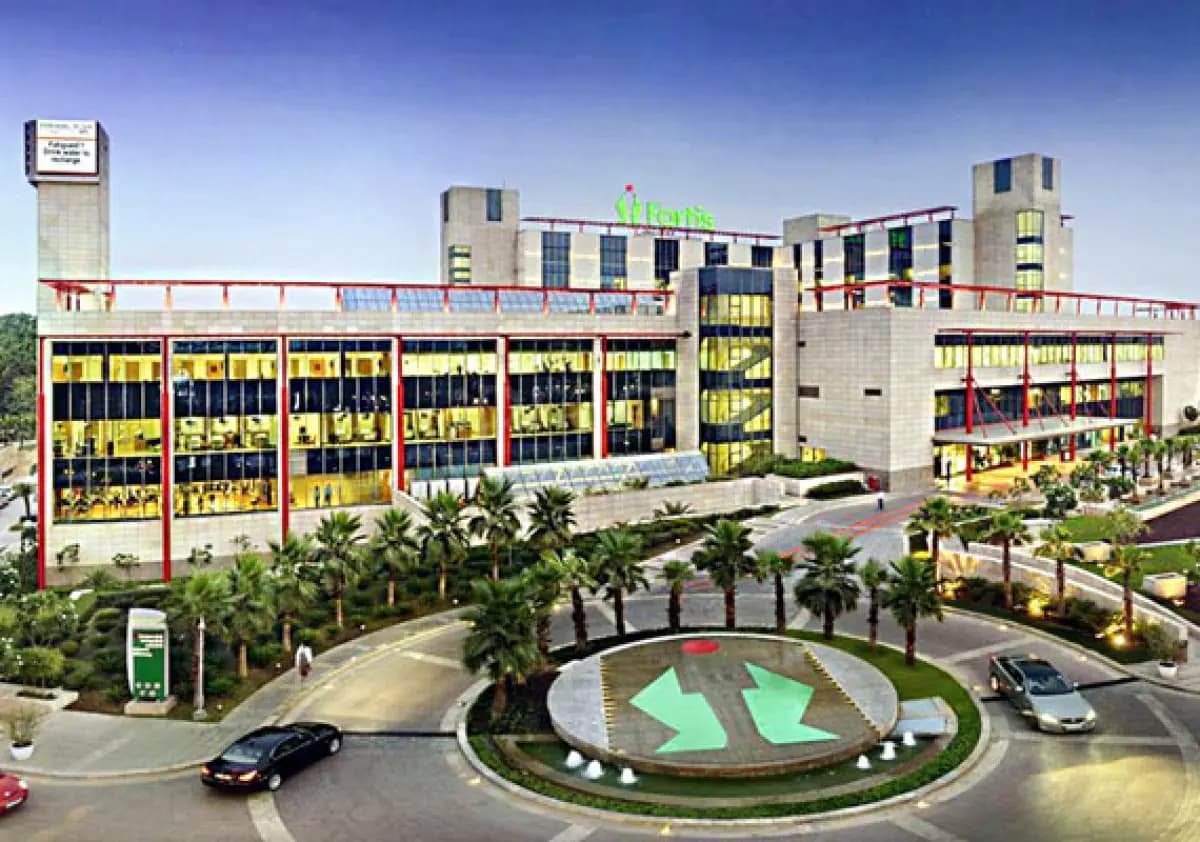
Fortis Memorial Research Institute

Fortis Memorial Research Institute

Gurugram, India

Fortis Memorial Research Institute (FMRI) in Sector 44, Gurugram is one of India's most advanced tertiary care hospitals, offering 1,000+ beds across 40+ specialties. Home to leading specialists in neurosurgery, cardiac surgery, oncology, organ transplantation, and orthopaedics, FMRI features CyberKnife radiosurgery, CAR-T cell therapy, and full robotic surgery capabilities. The hospital serves patients from 118 countries, supported by a dedicated international patients department providing visa assistance, interpreters, airport transfers, and end-to-end care coordination.

JCINABHNABL

400+

Specialists

330+

Beds

View Profile
Indraprastha Apollo Hospital

Indraprastha Apollo Hospital

New Delhi, India

Indraprastha Apollo Hospital in Sarita Vihar, New Delhi is one of India's foremost multi-specialty tertiary care centres, part of the Apollo Hospitals network established by Dr. Prathap C Reddy in 1983. The 710-bed facility records 1,600+ daily OPD visits, 1,000+ international patient consultations monthly, and receives 5,000+ international patients per year from over 120 countries. Its Centres of Excellence span cardiac sciences, oncology, neurosciences, organ transplantation, nephrology, orthopaedics, gastroenterology, and bariatric surgery. The hospital is equipped with Da Vinci XI robotic systems, CyberKnife radiosurgery, 3 Tesla MRI, LINAC, ECMO, and a 3D neuro-navigation system.

JCINABHNABL

700+

Specialists

710+

Beds

View Profile
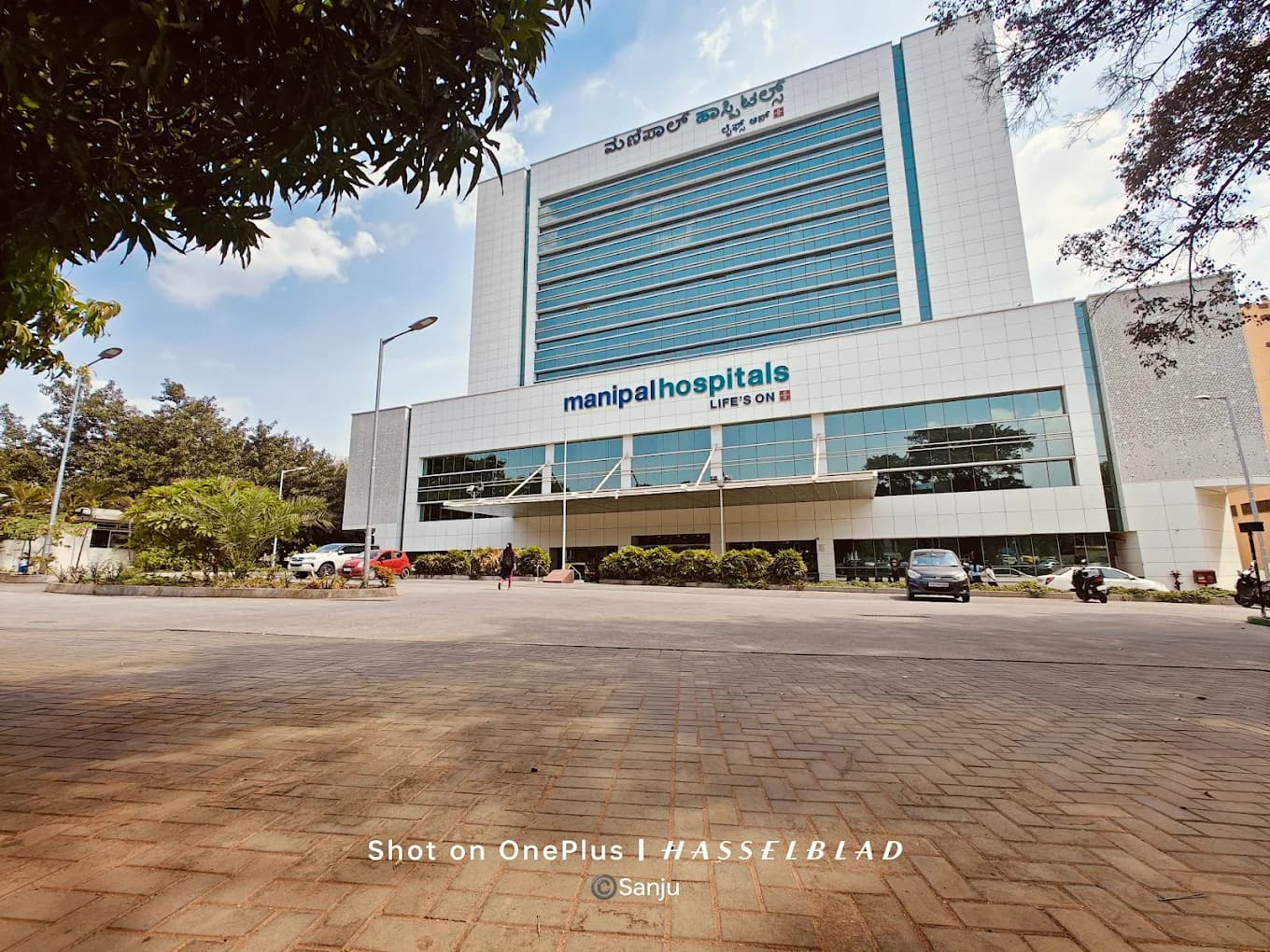
Manipal Hospital Old Airport Road

Manipal Hospital Old Airport Road

Bengaluru, India

Manipal Hospitals Old Airport Road is the flagship and founding campus of one of India's largest healthcare networks, established in 1991 on HAL Old Airport Road, Kodihalli, Bengaluru. Part of the Manipal Education and Medical Group (MEMG), the network spans 49 hospitals and 12,600+ beds across India. The Old Airport Road campus anchors the group's academic and clinical identity, housing specialist institutes including the Manipal Institute for Joint Replacement and Robotic Surgery (MIJRRS), the Manipal Robotic Spine Surgery centre (MIRSS), the Manipal Skull Base Institute (MSBI), and the Manipal Institute for Bariatric Surgery (MIBS). Its quaternary-level capabilities cover cardiology, oncology, neurosurgery, organ transplantation, orthopaedics, spine surgery, bariatric surgery, and paediatrics, all within a NABH and NABL accredited environment. The hospital provides dedicated international patient services through the Manipal Global network, with support for visa, travel, language, and end-to-end care coordination.

NABHNABL

264+

Specialists

600+

Beds

View Profile

Frequently asked questions

Robotic-assisted hip replacement uses real-time imaging and pre-operative planning to position the implant with sub-millimetre precision, which can improve stability, reduce wear, and lower the risk of dislocation. It also enables smaller incisions and less disruption to surrounding muscle, supporting a faster recovery. Not all patients require robotic assistance — your surgeon will advise based on your anatomy and implant plan.

No fees. No commitment.

Our guidance is completely free

We are compensated by our partner hospitals — never by patients. You get independent clinical matching, cost transparency, and end-to-end coordination at no cost to you.

Message us on WhatsApp