CureSureMedico
|
EN

Sports Injury & Ligament Reconstruction

Orthopedics

payments

Starting from

$1,500

Up to $5,500 depending on centre

schedule

Typical duration

7–14 days

Including pre-operative work-up

arrow_downwardlocal_hospital

Partner hospitals

2

Vetted for outcome data & accreditation

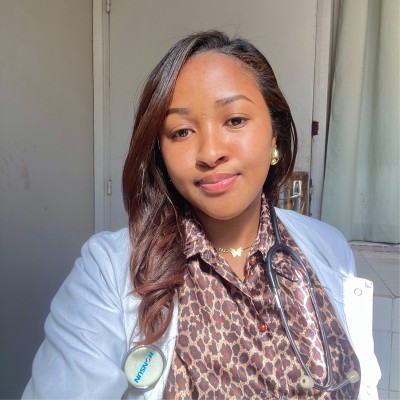
Dr. Rodina Ainasoa

Content reviewed for medical accuracy by: Dr. Rodina Ainasoa · Medical Content Writer & Health Communications

Overview

Minimally invasive arthroscopic surgery for ACL/PCL tears, meniscus injuries, rotator cuff repairs, and other sports-related joint damage, performed by high-volume sports medicine surgeons. International patients benefit from significantly reduced costs, no waiting lists, and access to specialized rehabilitation programs to fast-track return to activity.

Your case is matched to a centre on the basis of clinical outcome data, not marketing. We coordinate every step — from pre-operative work-up to post-treatment follow-up — with a dedicated care coordinator.

What's included

Pre-operative MRI review and sports medicine consultation
Arthroscopic surgical procedure with specialist surgeon
Hospital or day-surgery stay as required
Graft materials and implants included
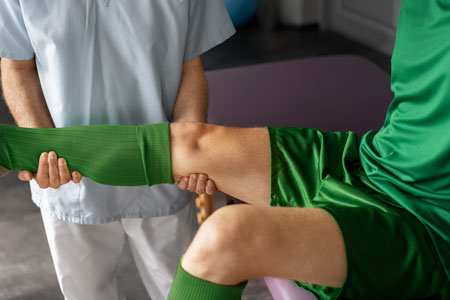
Supervised physiotherapy and rehabilitation program
Patient coordinator, airport transfer, and interpreter support

Sports Injury & Ligament Reconstruction

Coordinated from

$1,500

or message us on WhatsApp

No commitment required. Your data is never shared with third parties.

Hamstring Tendon vs. Patellar Tendon (BTB) Autograft for ACL Reconstruction

Most ACL reconstructions today are performed arthroscopically using the patient's own tendon tissue as a graft. Hamstring tendon and patellar tendon (bone-patellar tendon-bone, or BTB) autografts are the two most commonly used options. Here is how they compare.

ParameterHamstring Tendon AutograftPatellar Tendon (BTB) Autograft
Graft sourceHarvested from the semitendinosus and gracilis tendons at the back of the thigh, through a small incision near the knee.Harvested from the central third of the patellar tendon along with a bone plug from the kneecap and shin (bone-patellar tendon-bone).
Anterior knee pain / kneeling discomfortGenerally associated with less anterior knee pain and kneeling discomfort after surgery, per AAOS and peer-reviewed comparative studies.More frequently associated with anterior knee pain and discomfort when kneeling, related to the bone-plug harvest site.
Early post-operative strengthCan involve a temporary reduction in hamstring strength during early rehabilitation as the harvested tendons heal.Can involve a temporary reduction in quadriceps strength during early rehabilitation as the harvest site heals.
Graft failure / re-rupture rateSome studies report a modestly higher re-rupture rate than BTB grafts in younger, highly active or pivoting-sport athletes, though findings vary across the literature, per AOSSM-published comparative research.Some studies report a modestly lower re-rupture rate in young, highly active athletes, though overall failure rates for both graft types remain in a broadly similar range across published series.
Best suited forA common default choice across a broad range of patients and activity levels, and often preferred where minimising anterior knee pain and kneeling discomfort is a priority.Often favoured for competitive pivoting/cutting-sport athletes where the fastest, most predictable bone-to-bone graft incorporation is prioritised, accepting a higher chance of anterior knee symptoms.

The Procedure: Step by Step

The steps below outline a typical arthroscopic ACL reconstruction. The same general sequence — imaging, arthroscopic assessment, graft-based repair, and closure — applies broadly to meniscus repair, rotator cuff repair, and other arthroscopic sports-injury procedures, with variations specific to the joint and injury involved. Your surgeon will confirm the exact plan for your injury.

1

Imaging and diagnostic assessment

MRI and clinical examination confirm the extent of ligament, meniscus, or tendon damage and rule out associated injuries, allowing the surgeon to plan the graft choice and fixation technique in advance.

2

Arthroscopic assessment

Working through small portal incisions, the surgeon inserts a camera (arthroscope) and instruments to directly visualise the joint, confirm the diagnosis, and address any associated cartilage or meniscus damage found at the same time.

3

Graft harvest and repair or reconstruction

For ligament reconstruction, the chosen tendon graft is harvested and prepared, then passed through drilled bone tunnels and secured with fixation devices; for meniscus or rotator cuff injuries, the torn tissue is repaired directly with sutures and anchors where the tissue quality allows.

4

Closure and bracing

Portal incisions are closed, and a hinged brace or sling is fitted as appropriate to protect the repair while early, protected movement and physiotherapy begin.

Recovery Timeline

Recovery Timeline
First 1-2 weeks

Focus is on controlling swelling and pain, protecting the repair with a brace or sling as instructed, and beginning gentle range-of-motion exercises; weight-bearing status depends on the specific procedure and your surgeon's protocol.

Weeks 2-12

Supervised physiotherapy progresses through restoring full range of motion, then gradually rebuilding strength; many patients regain a normal walking pattern and return to daily activities within this window, per AAOS and Cleveland Clinic guidance.

Months 3-6

Rehabilitation advances to sport-specific strength, balance, and agility training; straight-line jogging and non-pivoting activity may be introduced, though return timelines vary considerably by procedure, sport, and individual progress.

Months 6-12

Return to pivoting or contact sport is considered only once strength, functional hop testing, and psychological readiness criteria are met; AOSSM survey data show many surgeons do not clear return before 7-9 months, and published research links earlier return with materially higher re-injury risk, so timelines are individualised rather than fixed.

Source: American Academy of Orthopaedic Surgeons (AAOS); American Orthopaedic Society for Sports Medicine (AOSSM); Mayo Clinic; Cleveland Clinic. Recovery and return-to-sport timing vary significantly by procedure, sport, and athlete level, and are guided by your treating orthopedic surgeon and physiotherapist.

Known Risks & Limitations

  • Graft failure or re-injury (for example, ACL graft re-rupture) is a recognised risk, particularly with early return to pivoting or contact sport; published research associates return to sport before roughly 8 months with a materially higher re-injury rate compared with later return, per AOSSM-published studies.
  • Stiffness and reduced range of motion (arthrofibrosis) can occur after arthroscopic ligament or meniscus surgery and may require intensive physiotherapy or, in a minority of cases, a further procedure to restore motion.
  • As with any surgery, infection is a recognised though uncommon risk of arthroscopic sports-injury procedures, per AAOS; signs of infection such as increasing pain, redness, or fever should be reported promptly.
  • A full return to the athlete's prior level of performance is not guaranteed for every patient — outcomes depend on injury severity, age, sport, and rehabilitation adherence, and some athletes do not regain their pre-injury performance level even after a technically successful repair.
  • Meniscus or cartilage injury can occur alongside the primary injury or develop over time afterward, and long-term studies link ACL injury in particular with an increased later risk of knee osteoarthritis regardless of surgical technique, per peer-reviewed orthopedic literature.

Source: American Academy of Orthopaedic Surgeons (AAOS); American Orthopaedic Society for Sports Medicine (AOSSM); Mayo Clinic; Cleveland Clinic. No procedure is without risk; your treating orthopedic surgeon will review your individual case.

The CureSureMedico Care Pathway

Remote case review

Share your MRI, clinical notes, and sport/activity goals with our coordination team, who forward your case for an initial specialist review of injury severity, graft options, and suitability for treatment abroad.

Surgeon and hospital matching

We match you with an accredited sports medicine surgeon and hospital experienced in your specific injury, using arthroscopic systems and graft-fixation technology consistent with leading Western centers.

Cost estimate and travel planning

Once your case is reviewed, we issue a consolidated cost estimate covering surgery, graft or implant materials, and hospital stay, and help plan a trip length that allows for initial physiotherapy and a post-operative check before you fly home.

Surgery and early rehabilitation

You undergo the arthroscopic procedure and begin supervised physiotherapy locally, with your team providing a structured rehabilitation protocol to continue once you return home.

Follow-up and continuity of care

Before you depart, your operative notes, imaging, and rehabilitation protocol are shared with your home-country physiotherapist or surgeon so they can continue guiding your recovery and, where relevant, your return-to-sport progression.

Global cost comparison — Sports Injury & Ligament Reconstruction

Average coordinated costs across our partner centres. Final pricing depends on clinical complexity and chosen hospital.

CountryAvg. costvs. cheapest
🇮🇳

India

New Delhi · Chennai · Bengaluru · Hyderabad · Mumbai · Kochi

Best value
$2,000
chevron_right
🇹🇷

Turkey

Istanbul

$3,500
chevron_right

Costs are indicative estimates and vary by procedure specifics, hospital, and clinical complexity. Request a personalised estimate for your specific case.

Partner hospitals

2 centres
View all hospitals
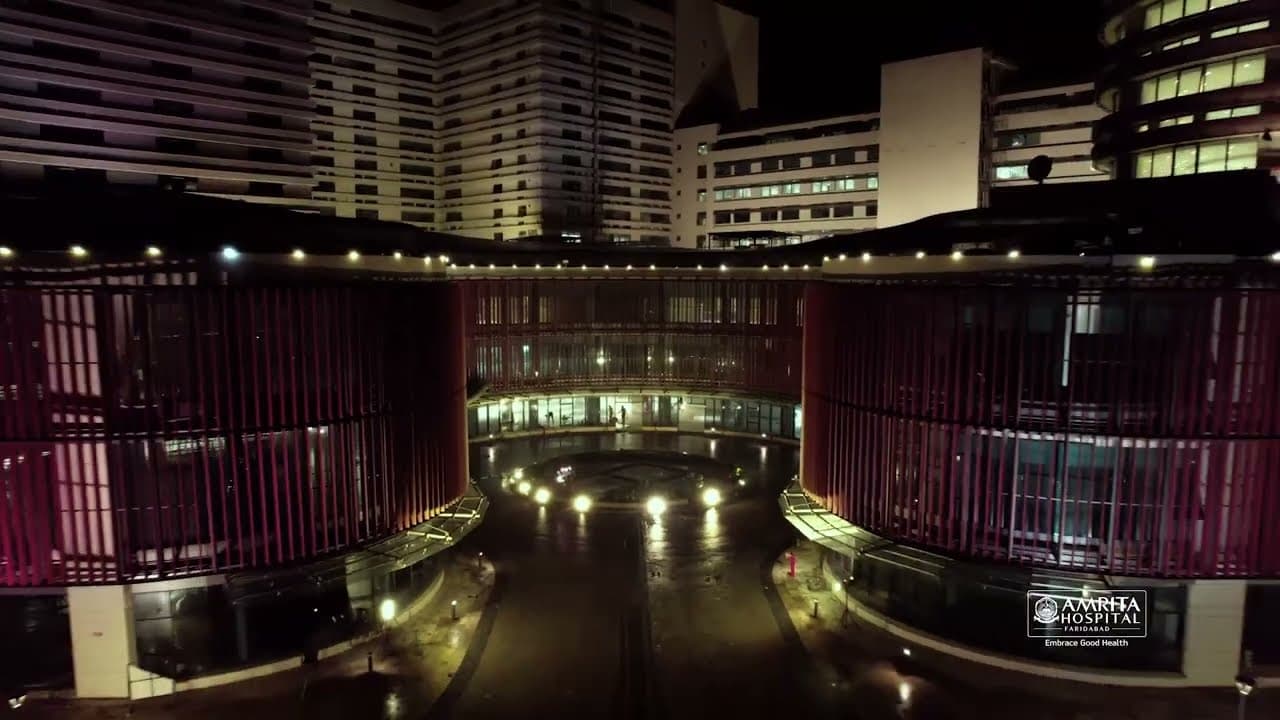
Amrita Hospital

Amrita Hospital

Faridabad, India

Asia's largest private hospital — 2,600 beds, 64 operation theatres, 81 specialties on a 130-acre campus in Delhi NCR. NABH & NABL accredited. Centres of excellence in oncology, cardiac surgery, BMT, organ transplantation, neurosciences, and IVF.

NABHNABL

800+

Specialists

2,600+

Beds

View Profile
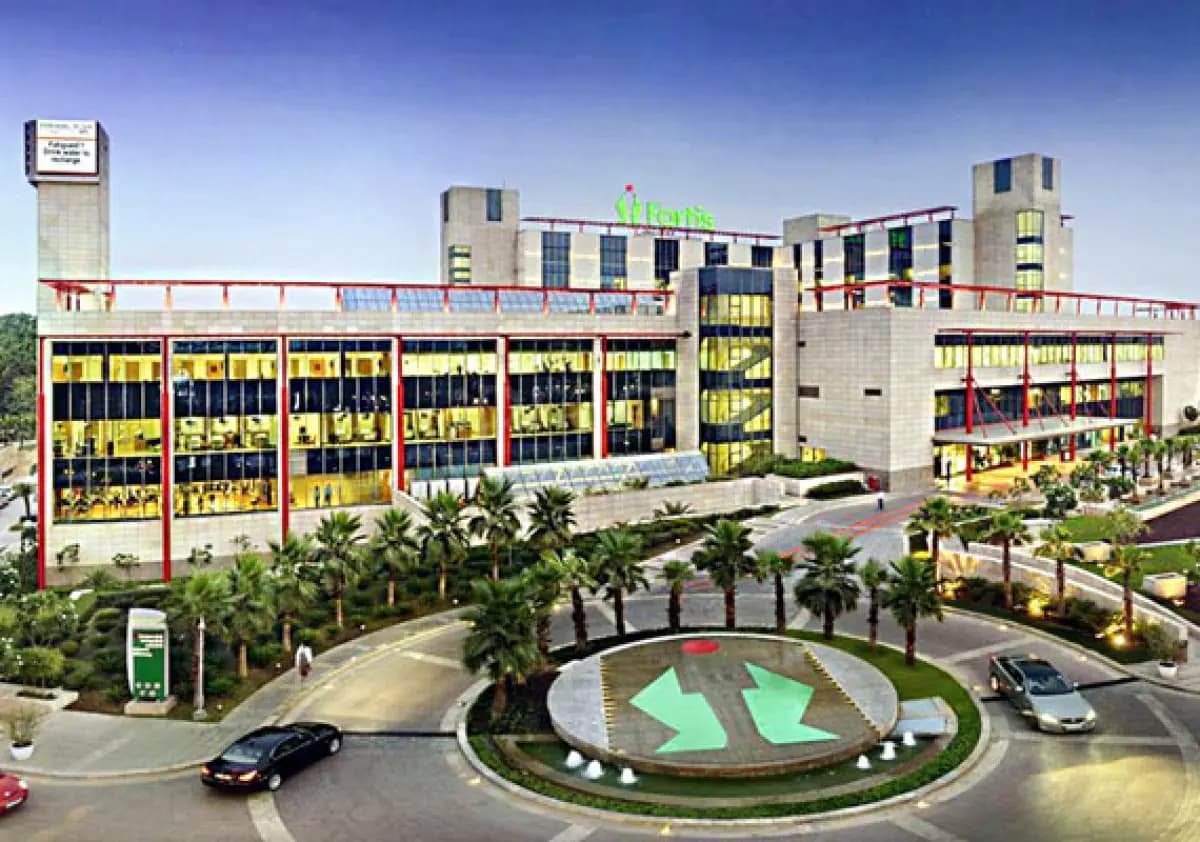
Fortis Memorial Research Institute

Fortis Memorial Research Institute

Gurugram, India

Fortis Memorial Research Institute (FMRI) in Sector 44, Gurugram is one of India's most advanced tertiary care hospitals, offering 1,000+ beds across 40+ specialties. Home to leading specialists in neurosurgery, cardiac surgery, oncology, organ transplantation, and orthopaedics, FMRI features CyberKnife radiosurgery, CAR-T cell therapy, and full robotic surgery capabilities. The hospital serves patients from 118 countries, supported by a dedicated international patients department providing visa assistance, interpreters, airport transfers, and end-to-end care coordination.

JCINABHNABL

400+

Specialists

330+

Beds

View Profile

Frequently asked questions

For a standard ACL reconstruction, most patients stay 7 to 10 days. This allows for the procedure itself, a 1–2 night hospital stay, initial physiotherapy sessions, and a post-operative wound check before flying. Your surgeon will clear you for travel once range of motion and wound healing are satisfactory. A full return to sport typically takes 6 to 9 months regardless of where surgery is performed, and your home physiotherapist can continue the rehabilitation protocol provided by the overseas team.

No fees. No commitment.

Our guidance is completely free

We are compensated by our partner hospitals — never by patients. You get independent clinical matching, cost transparency, and end-to-end coordination at no cost to you.

Message us on WhatsApp