CureSureMedico
|
EN

Knee Replacement (Total & Partial)

Orthopedics

payments

Starting from

$3,600

Up to $14,000 depending on centre

schedule

Typical duration

7–14 days

Including pre-operative work-up

arrow_downwardlocal_hospital

Partner hospitals

4

Vetted for outcome data & accreditation

Dr. Rodina Ainasoa

Content reviewed for medical accuracy by: Dr. Rodina Ainasoa · Medical Content Writer & Health Communications

Overview

Total and partial knee arthroplasty for end-stage osteoarthritis and knee degeneration — internationally accredited orthopaedic centres offer premium implants and rapid recovery pathways at 60–80% less than Western pricing.

Your case is matched to a centre on the basis of clinical outcome data, not marketing. We coordinate every step — from pre-operative work-up to post-treatment follow-up — with a dedicated care coordinator.

What's included

Pre-operative orthopaedic assessment, X-ray & MRI review
Surgeon & anaesthesia fees
Premium knee implant & prosthetic materials
Post-operative physiotherapy and mobilisation plan
Interpreter & dedicated care coordinator
Discharge plan and remote follow-up support at home

Knee Replacement (Total & Partial)

Coordinated from

$3,600

or message us on WhatsApp

No commitment required. Your data is never shared with third parties.

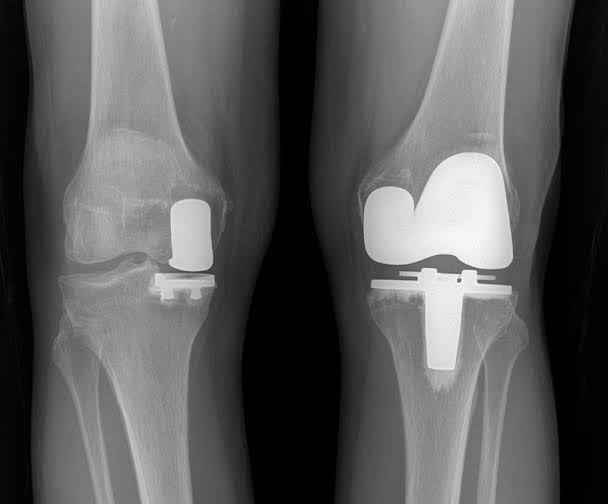
Total vs. Partial Knee Replacement

Both procedures resurface damaged joint cartilage with an artificial implant. The right choice depends on how much of the knee is affected — your orthopaedic surgeon confirms this through clinical exam and imaging.

ParameterTotal (TKR)Partial (UKR)
Bone/cartilage removedAll three knee compartmentsOnly the damaged compartment
Typical hospital stayOvernight, sometimes longer (same-day discharge also possible)Little or no hospital stay — same day or one overnight
Return to daily activities3–6 weeksBy around 6 weeks, with less post-operative pain
Implant longevity90%+ still functioning well at 15 yearsGood medium- and long-term survivorship reported
Best suited forDamage across multiple compartmentsArthritis confined to one compartment only

The Procedure: Step by Step

Surgery usually takes 1 to 2 hours, according to AAOS OrthoInfo. The four core stages below are common to both total and partial replacement, with the extent of resurfacing differing between the two.

1

Remove damaged cartilage and bone

The surgeon removes damaged cartilage and a thin layer of underlying bone from the affected surfaces of the knee joint.

2

Position the metal implants

Metal components are positioned to recreate the surface of the joint — these may be cemented or "press-fit" into the bone.

3

Resurface the kneecap

For a total knee replacement, the undersurface of the kneecap (patella) is cut and resurfaced with a plastic button.

4

Insert a plastic spacer

A medical-grade plastic spacer is inserted between the metal components to create a smooth gliding surface.

Recovery Timeline

Recovery Timeline
Day of surgery

Surgery itself takes 1 to 2 hours. Total replacement patients most likely stay overnight (sometimes longer); partial replacement patients often go home the same day or after one overnight stay.

3–6 weeks

Most patients resume normal daily activities, per AAOS OrthoInfo — partial-replacement patients typically report less pain and a faster return during this stage.

4–6 weeks

Most people resume driving once knee bend and muscle control allow safe braking, per AAOS OrthoInfo.

15 years

More than 90% of modern total knee replacements are still functioning well at the 15-year mark, per AAOS OrthoInfo. Partial replacements report good medium- and long-term survivorship.

Source: American Academy of Orthopaedic Surgeons — OrthoInfo. Individual recovery varies.

Known Risks & Limitations

  • Serious complications such as knee joint infection occur in fewer than 2% of patients (AAOS OrthoInfo).
  • Major medical complications such as heart attack or stroke occur even less frequently than infection.
  • Blood clots are one of the most common complications of knee replacement surgery.
  • Implant loosening or limited motion can occur over time.
  • Rare risks include continued pain and nerve or blood vessel injury.

Source: American Academy of Orthopaedic Surgeons — OrthoInfo. No surgery is without risk; your surgeon will review your individual risk profile before you consent to treatment.

The CureSureMedico Care Pathway

Remote clinical review

Share X-rays/MRI and symptom history. Our coordination team confirms candidacy and matches you with a suitable orthopaedic surgeon.

Hospital matching & estimate

A consolidated cost estimate covering surgery, implant, hospital stay, and physiotherapy is issued before travel.

Travel & pre-operative work-up

On arrival, final imaging and anaesthesia clearance confirm the surgical plan before admission.

Surgery & early recovery

In-hospital recovery with physiotherapy support, followed by discharge once mobility milestones are met.

Continuity of care post-return

Discharge summary and rehab plan are shared with a local physiotherapist for continued recovery at home.

Treatment approaches

Standard and robotic-assisted Knee Replacement (Total & Partial)

Standard Approach

Standard Knee Replacement

$3,600

714 days

Robotic-Assisted Option

Robotic-Assisted Knee Replacement

$7,200

714 days

Comparing the two approaches

StandardRobotic-Assisted
ProcedureStandard Knee ReplacementRobotic-Assisted Knee Replacement
TechnologyConventional surgical instrumentsRobotic-assisted surgical system with surgeon oversight
AvailabilityHospital-dependentSelected hospitals with robotic capability
SpecialistProcedure specialistSpecialist with relevant robotic experience
Clinical suitabilityCase-dependentCase-dependent
Tariff$3,600–$14,000$7,200–$16,000
Duration7–14 days7–14 days

Eligibility for robotic-assisted treatment

  • Specific diagnosis and joint anatomy suited to robotic guidance
  • No prior joint procedures that would complicate robotic imaging or instrumentation
  • Imaging and clinical review confirming candidacy
  • Availability of the specific robotic platform at your selected hospital

Risks and limitations of robotic-assisted surgery

  • Robotic assistance does not eliminate the surgical risks associated with knee replacement
  • The surgeon remains responsible for the procedure; robotic guidance is an aid, not a substitute for surgical judgement
  • Not every patient is a suitable candidate for the robotic-assisted approach
  • Availability depends on the individual hospital and, in some cases, the treating specialist's experience with the platform

Tariff structure

Standard procedure$3,600$14,000
Robotic-assisted technology fee+$1,500$3,000
Total estimated robotic-assisted tariff$7,200$16,000

Why can robotic-assisted procedures cost more?

Robotic-assisted procedures rely on additional technology and equipment beyond the standard operating platform and clinical team. This additional technology component is generally not included in standard case pricing.

Is robotic-assisted surgery always recommended?

No. Robotic-assisted surgery is not appropriate for every procedure or patient. Availability and suitability are determined by the treating specialist, based on your imaging, clinical condition, and the treating hospital's capabilities.

Global cost comparison — Knee Replacement (Total & Partial)

Average coordinated costs across our partner centres. Final pricing depends on clinical complexity and chosen hospital.

CountryAvg. costvs. cheapest
🇮🇳

India

New Delhi · Chennai · Bengaluru · Hyderabad · Mumbai · Kochi

Best value✓ Verified
$5,100
chevron_right
🇹🇷

Turkey

Istanbul

✓ Verified
$10,250
chevron_right
🇹🇭

Thailand

Bangkok · Phuket · Chiang Mai

✓ Verified
$9,100
chevron_right

Costs are indicative estimates and vary by procedure specifics, hospital, and clinical complexity. Request a personalised estimate for your specific case.

Cost & recovery by procedure

This treatment category covers several different operations with different levels of invasiveness, recovery times, and costs. The country averages above blend all of them together — use the breakdown below for a more realistic, procedure-specific estimate.

Total Knee Replacement (TKR)

The damaged ends of the femur and tibia are resurfaced with metal and plastic implant components to restore a smooth, pain-free joint surface. It is the standard approach for advanced osteoarthritis affecting multiple compartments of the knee and remains the most extensively studied joint replacement procedure worldwide.

Typical recovery · 10–12 weeks

Hospital stay is typically 2–4 days, with physiotherapy usually starting the day after surgery to restore range of motion and mobility. Most patients walk with a frame or crutches within 24–48 hours and progress to a cane by 2–3 weeks. Return to most normal daily activities generally takes 10–12 weeks, though strength and comfort can continue improving for up to a year. Watch for infection, blood clots (DVT), and stiffness; walking aids and blood-thinning medication are used routinely to reduce these risks.

India

$5,000–$8,000

Turkey

$8,000–$12,000

Thailand

$10,000–$18,000

Partial / Unicompartmental Knee Replacement (UKR)

Only the damaged compartment of the knee (most often the inner, medial side) is resurfaced with a smaller implant, leaving healthy bone, cartilage, and ligaments untouched. It suits patients whose arthritis is confined to a single compartment and offers a more natural-feeling knee with a smaller incision and shorter procedure than total replacement.

Typical recovery · 4–6 weeks

Because the incision and bone resection are smaller, hospital stay is typically 1–3 days and many patients walk unaided within days of surgery. Return to normal daily activity generally takes 4–6 weeks, notably faster than total knee replacement, though full recovery can take 3–6 months. A portion of patients eventually need conversion to a total knee replacement as arthritis progresses in the untreated compartments, so ongoing joint monitoring is advised.

India

$3,500–$7,000

Turkey

$3,000–$6,000

Thailand

$7,500–$12,000

Robotic-Assisted Knee Replacement

A robotic arm or navigation system, guided by a pre-operative CT scan or intra-operative mapping, assists the surgeon in positioning the implant and balancing the surrounding ligaments with sub-millimetre accuracy. It can be used for either total or partial knee replacement and is chosen for improved implant alignment precision, though outcomes still depend heavily on surgeon experience with the platform.

Typical recovery · 8–10 weeks

Hospital stay is typically 2–3 days, similar to conventional knee replacement, with physiotherapy beginning within 24 hours. Some studies show slightly less post-operative pain and faster early mobilisation than manual techniques, though long-term implant survival appears comparable. Return to normal activity generally takes 8–10 weeks. As with any knee replacement, infection, blood clots, and stiffness remain the main complications to watch for.

India

$5,400–$7,200

Turkey

$7,000–$11,000

Thailand

Estimate pending verification — ask your care coordinator for a current quote

Revision Knee Replacement

A second operation to remove and replace a previous knee implant that has loosened, worn out, become infected, or failed for mechanical reasons, typically years after the original surgery. It is more technically demanding than a first-time replacement because of scar tissue, bone loss, and the need for specialised implants, and is generally performed only at high-volume revision centers.

Typical recovery · 3–4 months

Hospital stay is typically 3–5 days, longer than a primary knee replacement, reflecting the greater surgical complexity of removing prior implants and addressing any bone loss or infection. Return to normal activity generally takes 3–4 months, and full recovery can take 6–12 months. Infection is a particular concern in revision surgery — patients with a previously infected implant may require a staged procedure with an antibiotic spacer before the final revision implant is placed.

India

$6,800–$12,500

Turkey

$6,000–$15,400

Thailand

Estimate pending verification — ask your care coordinator for a current quote

Cost ranges are indicative estimates for international patients and vary with implant choice, number of levels treated, surgeon, and hospital. Request a personalised quote for your specific case.

Clinical detail: AAOS OrthoInfo, Mayo Clinic Health System, Cleveland Clinic. Cost ranges cross-checked across multiple independent medical-tourism sources per country where marked; ranges flagged "pending verification" could not be independently confirmed at the time of writing.

Partner hospitals

4 centres
View all hospitals
Amrita Hospital

Amrita Hospital

Faridabad, India

Asia's largest private hospital — 2,600 beds, 64 operation theatres, 81 specialties on a 130-acre campus in Delhi NCR. NABH & NABL accredited. Centres of excellence in oncology, cardiac surgery, BMT, organ transplantation, neurosciences, and IVF.

NABHNABL

800+

Specialists

2,600+

Beds

View Profile
Fortis Memorial Research Institute

Fortis Memorial Research Institute

Gurugram, India

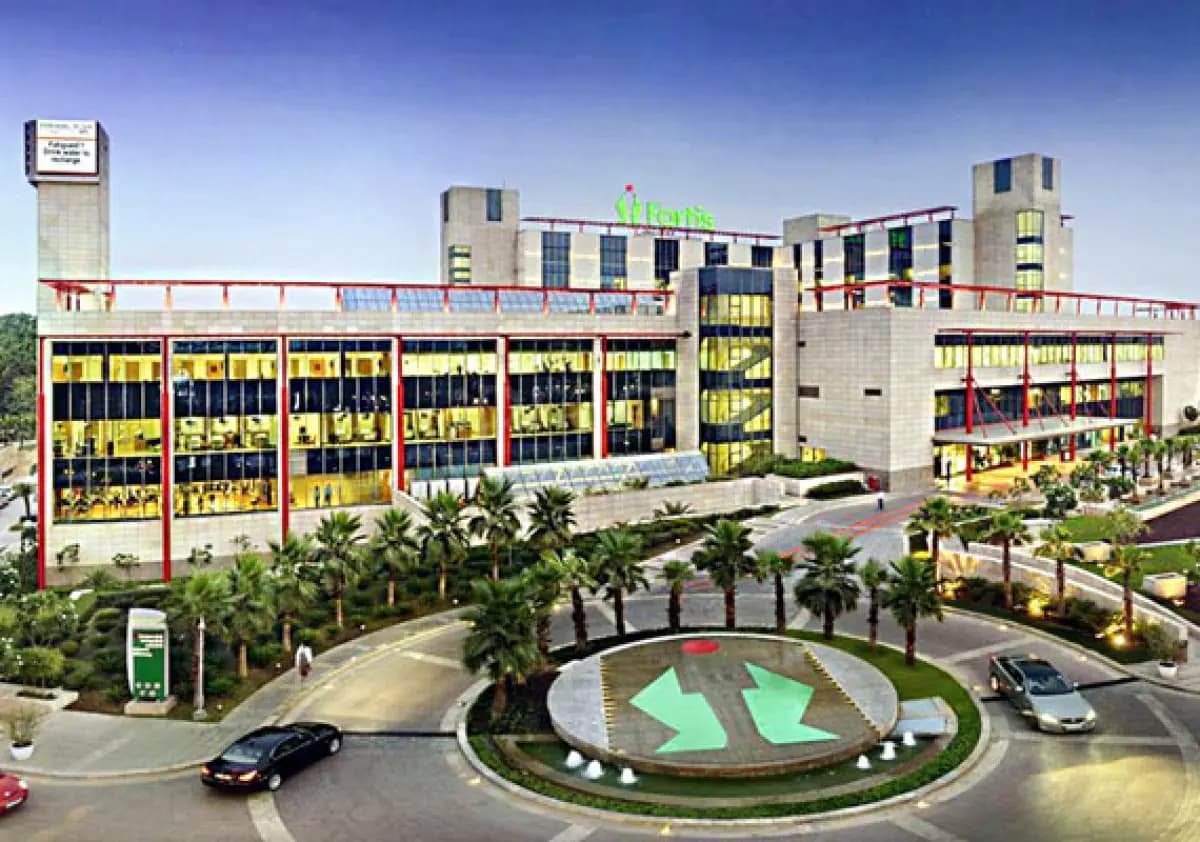
Fortis Memorial Research Institute (FMRI) in Sector 44, Gurugram is one of India's most advanced tertiary care hospitals, offering 1,000+ beds across 40+ specialties. Home to leading specialists in neurosurgery, cardiac surgery, oncology, organ transplantation, and orthopaedics, FMRI features CyberKnife radiosurgery, CAR-T cell therapy, and full robotic surgery capabilities. The hospital serves patients from 118 countries, supported by a dedicated international patients department providing visa assistance, interpreters, airport transfers, and end-to-end care coordination.

JCINABHNABL

400+

Specialists

330+

Beds

View Profile
Indraprastha Apollo Hospital

Indraprastha Apollo Hospital

New Delhi, India

Indraprastha Apollo Hospital in Sarita Vihar, New Delhi is one of India's foremost multi-specialty tertiary care centres, part of the Apollo Hospitals network established by Dr. Prathap C Reddy in 1983. The 710-bed facility records 1,600+ daily OPD visits, 1,000+ international patient consultations monthly, and receives 5,000+ international patients per year from over 120 countries. Its Centres of Excellence span cardiac sciences, oncology, neurosciences, organ transplantation, nephrology, orthopaedics, gastroenterology, and bariatric surgery. The hospital is equipped with Da Vinci XI robotic systems, CyberKnife radiosurgery, 3 Tesla MRI, LINAC, ECMO, and a 3D neuro-navigation system.

JCINABHNABL

700+

Specialists

710+

Beds

View Profile
Manipal Hospital Old Airport Road

Manipal Hospital Old Airport Road

Bengaluru, India

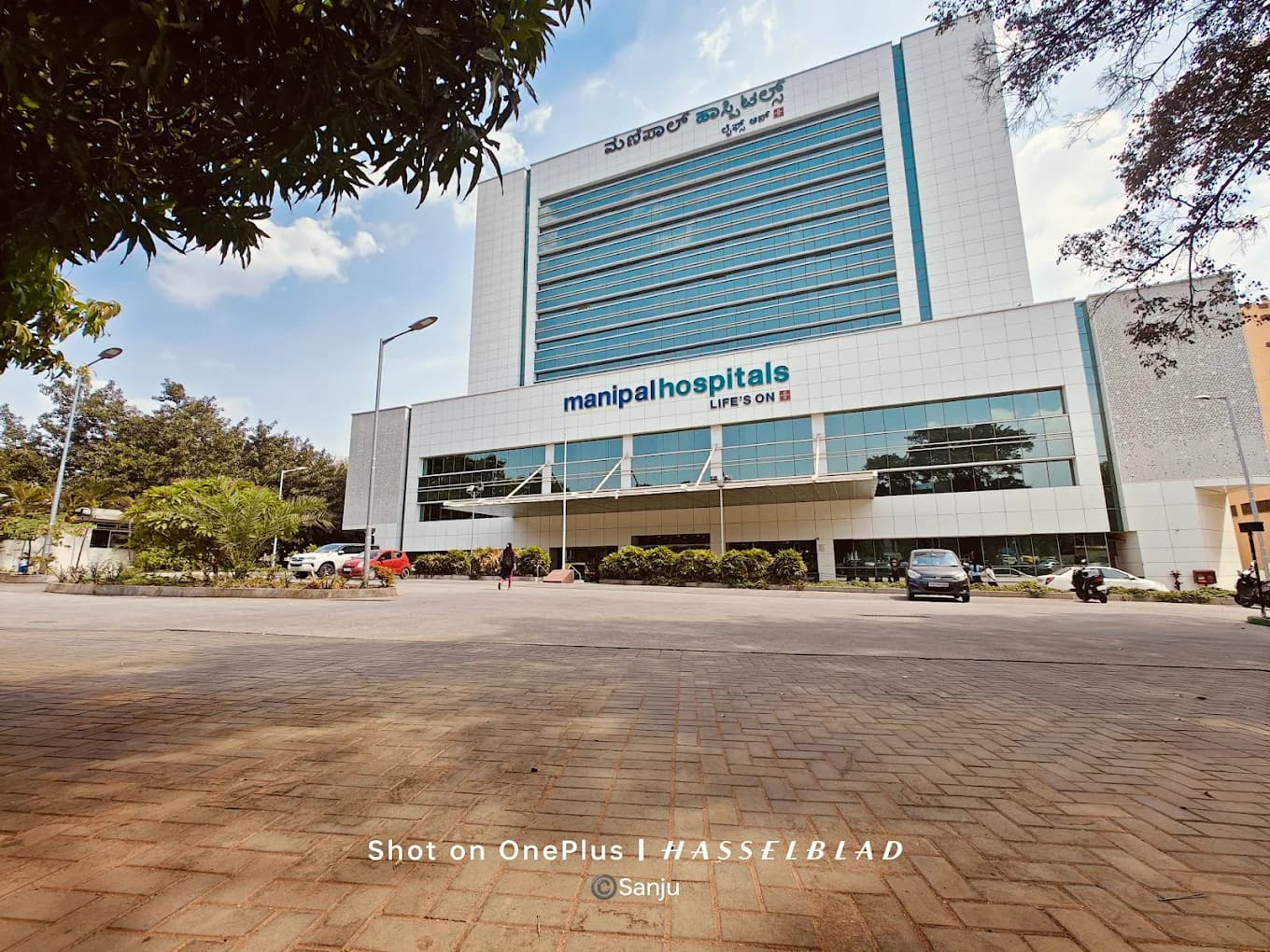
Manipal Hospitals Old Airport Road is the flagship and founding campus of one of India's largest healthcare networks, established in 1991 on HAL Old Airport Road, Kodihalli, Bengaluru. Part of the Manipal Education and Medical Group (MEMG), the network spans 49 hospitals and 12,600+ beds across India. The Old Airport Road campus anchors the group's academic and clinical identity, housing specialist institutes including the Manipal Institute for Joint Replacement and Robotic Surgery (MIJRRS), the Manipal Robotic Spine Surgery centre (MIRSS), the Manipal Skull Base Institute (MSBI), and the Manipal Institute for Bariatric Surgery (MIBS). Its quaternary-level capabilities cover cardiology, oncology, neurosurgery, organ transplantation, orthopaedics, spine surgery, bariatric surgery, and paediatrics, all within a NABH and NABL accredited environment. The hospital provides dedicated international patient services through the Manipal Global network, with support for visa, travel, language, and end-to-end care coordination.

NABHNABL

264+

Specialists

600+

Beds

View Profile

Frequently asked questions

A total knee replacement (TKR) resurfaces all three compartments of the knee joint, while a partial (unicompartmental) replacement addresses only the damaged compartment. Partial replacement preserves more natural bone and tissue, typically offering a faster recovery, but is only suitable when damage is confined to one compartment. Your orthopaedic surgeon will assess your imaging and symptoms to recommend the optimal approach.

No fees. No commitment.

Our guidance is completely free

We are compensated by our partner hospitals — never by patients. You get independent clinical matching, cost transparency, and end-to-end coordination at no cost to you.

Message us on WhatsApp