
CureSureMedico
|
EN

Spinal Surgery

Orthopedics

payments

Starting from

$4,500

Up to $18,000 depending on centre

schedule

Typical duration

7–21 days

Including pre-operative work-up

arrow_downwardlocal_hospital

Partner hospitals

138

Vetted for outcome data & accreditation

Dr. Rodina Ainasoa

Content reviewed for medical accuracy by: Dr. Rodina Ainasoa · Medical Content Writer & Health Communications

Overview

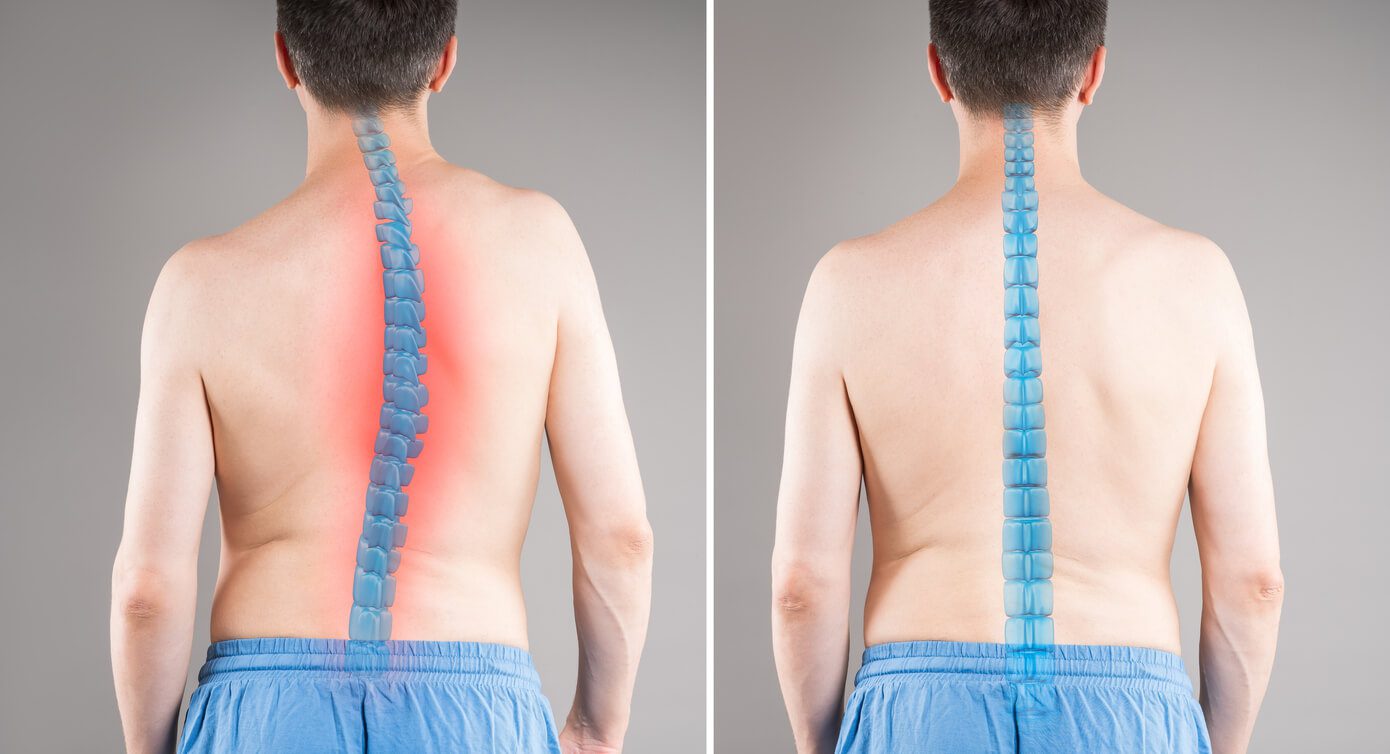
Surgical treatment of spinal disorders including disc disease, deformity, instability, and tumours, aiming to relieve pain and restore function.

Your case is matched to a centre on the basis of clinical outcome data, not marketing. We coordinate every step — from pre-operative work-up to post-treatment follow-up — with a dedicated care coordinator.

What's included

Pre-operative spinal imaging & assessment
Surgeon & anaesthesia fees
Implant & hardware materials (where the procedure requires them, e.g. spinal fusion)
Post-operative physiotherapy plan
Interpreter & care coordinator
Local follow-through at home

Spinal Surgery

Coordinated from

$4,500

or message us on WhatsApp

No commitment required. Your data is never shared with third parties.

Treatment approaches

Standard and robotic-assisted Spinal Surgery

Standard Approach

Freehand / Fluoroscopy-Guided Instrumented Fusion (TLIF/PLIF)

$4,500

721 days

Robotic-Assisted Option

Robotic-Assisted Pedicle Screw Fusion

$6,500

618 days

Comparing the two approaches

StandardRobotic-Assisted
ProcedureFreehand / Fluoroscopy-Guided Instrumented Fusion (TLIF/PLIF)Robotic-Assisted Pedicle Screw Fusion
TechnologyConventional surgical instrumentsRobotic-assisted surgical system with surgeon oversight
AvailabilityHospital-dependentSelected hospitals with robotic capability
SpecialistProcedure specialistSpecialist with relevant robotic experience
Clinical suitabilityCase-dependentCase-dependent
Tariff$4,500–$18,000$6,500–$26,000
Duration7–21 days6–18 days

Eligibility for robotic-assisted treatment

  • Instrumented spinal fusion (TLIF/PLIF) for degenerative disc disease, spondylolisthesis, or instability — robotic guidance applies to the pedicle-screw placement step of fusion surgery, not to decompression-only procedures like a standalone discectomy or laminectomy
  • Spinal anatomy and alignment confirmed on CT/MRI as suitable for a robotic-guided screw trajectory plan, typically limited to one to three vertebral levels
  • No prior spinal hardware or extensive scarring at the planned levels that would significantly complicate robotic registration and imaging
  • Availability of a pedicle-screw navigation platform (such as Mazor X, ExcelsiusGPS, or ROSA Spine) and a spine surgeon experienced with it at your selected hospital

Risks and limitations of robotic-assisted surgery

  • Robotic assistance does not eliminate the surgical risks of spinal fusion, including nerve injury, bleeding, infection, hardware failure, and non-union of the fused vertebrae
  • The spine surgeon remains responsible for the procedure; robotic guidance improves the accuracy of screw placement but is an aid, not a substitute for surgical judgement
  • Current evidence shows robotic-guided screws achieve higher placement accuracy, less radiation exposure, and modestly less blood loss and shorter hospital stay than freehand or fluoroscopy-guided fusion, but overall complication and revision rates are comparable, and it has not been shown to improve long-term fusion or functional outcomes
  • Robotic setup can add to total operating time, and this applies specifically to the instrumented fusion portion of spinal surgery — decompression-only procedures such as a standalone laminectomy or discectomy do not typically involve robotic guidance

Tariff structure

Standard procedure$4,500$18,000
Robotic-assisted technology fee+$2,000$4,500
Total estimated robotic-assisted tariff$6,500$26,000

Why can robotic-assisted procedures cost more?

Robotic-assisted procedures rely on additional technology and equipment beyond the standard operating platform and clinical team. This additional technology component is generally not included in standard case pricing.

Is robotic-assisted surgery always recommended?

No. Robotic-assisted surgery is not appropriate for every procedure or patient. Availability and suitability are determined by the treating specialist, based on your imaging, clinical condition, and the treating hospital's capabilities.

Global cost comparison — Spinal Surgery

Average coordinated costs across our partner centres. Final pricing depends on clinical complexity and chosen hospital.

CountryAvg. costvs. cheapest
🇮🇳

India

New Delhi · Chennai · Bengaluru · Hyderabad · Mumbai · Kochi

Best value
$6,000
chevron_right
🇹🇷

Turkey

Istanbul

$11,000
chevron_right
🇹🇭

Thailand

Bangkok · Phuket · Chiang Mai

$10,000
chevron_right
🇲🇦

Morocco

Casablanca · Rabat · Marrakech

$7,000
chevron_right

Costs are indicative estimates and vary by procedure specifics, hospital, and clinical complexity. Request a personalised estimate for your specific case.

Cost & recovery by procedure

This treatment category covers several different operations with different levels of invasiveness, recovery times, and costs. The country averages above blend all of them together — use the breakdown below for a more realistic, procedure-specific estimate.

Spinal Fusion (TLIF / PLIF)

Two or more vertebrae are permanently joined using bone graft and hardware (screws, rods, or a cage) to stop painful motion at that spinal segment — most often for instability, deformity, or severe disc degeneration.

Typical recovery · 6–12 months

1–3 night hospital stay; light activity by 4–6 weeks, but the fusion itself takes 6–12 months to fully heal, with a long-term lifting restriction

India

$5,000–$9,000

Turkey

$7,000–$14,000

Thailand

$14,000–$25,000

Discectomy / Microdiscectomy

The portion of a herniated disc pressing on a nerve root is removed, usually through a small incision, to relieve leg or arm pain caused by nerve compression.

Typical recovery · 6–8 weeks

Often day-case or one overnight stay; most patients resume light activity within 2 weeks and are substantially recovered by 6–8 weeks — meaningfully faster than fusion surgery

India

$2,500–$6,000

Turkey

$4,500–$9,000

Thailand

Estimate pending verification — ask your care coordinator for a current quote

Laminectomy

Part of the bony arch (lamina) covering the spinal canal is removed to relieve pressure on the spinal cord or nerves, most often to treat spinal stenosis.

Typical recovery · 4–6 weeks

Same-day to 2-night hospital stay when done alone; full recovery in 4–6 weeks — but recovery takes months if combined with spinal fusion

India

$4,500–$8,000

Turkey

$5,500–$9,000

Thailand

$5,000–$7,000

Cost ranges are indicative estimates for international patients and vary with implant choice, number of levels treated, surgeon, and hospital. Request a personalised quote for your specific case.

Clinical detail: AAOS OrthoInfo, Mayo Clinic Health System, Cleveland Clinic. Cost ranges cross-checked across multiple independent medical-tourism sources per country where marked; ranges flagged "pending verification" could not be independently confirmed at the time of writing.

Partner hospitals

138 centres
View all hospitals
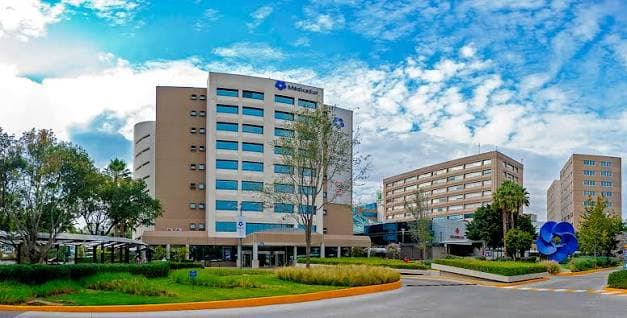
Hospital Medica Sur

Hospital Medica Sur

Mexico City, Mexico

Hospital Médica Sur is a world-class tertiary referral centre in Tlalpan, Mexico City, recognised as Mexico's best hospital for six consecutive years by Newsweek's World's Best Hospitals ranking (2026). The hospital is the first and only institution in Latin America to join the Mayo Clinic Care Network — with a dedicated Mayo Clinic office on-site since 2018 — and is one of only four JCI-accredited hospitals in Mexico. Its 35+ specialty centres span the full spectrum of high-complexity medicine: robotic surgery (Da Vinci X), Gamma Knife radiosurgery, organ transplantation (150+ procedures since 2002), bariatric surgery, oncology, neurosurgery, nephrology, and orthopaedics.

JCIMayo Clinic Care Network

200+

Specialists

220+

Beds

View Profile
Memorial Hospitals Group

Memorial Hospitals Group

Istanbul, Turkey

Memorial Hospitals Group is Turkey's most internationally recognised private hospital network, founded in 1995 and opened to patients in February 2000. Its flagship Sisli campus in Istanbul was the first hospital in Turkey — and 21st in the world — to receive JCI accreditation in 2002, with uninterrupted renewals ever since. Across 11 hospitals and 2 medical centres, Memorial hosts 1,300+ physicians and treats 75,000 international patients per year from 167 countries. The group is celebrated for cardiac surgery (1,400+ operations/year), organ transplantation (including Turkey's first blood-type-incompatible kidney transplant), IVF (10,000+ babies born), oncology with TrueBeam and CyberKnife, and robotic neurosurgery.

JCIISO 15189:2022

1,300+

Specialists

252+

Beds

View Profile
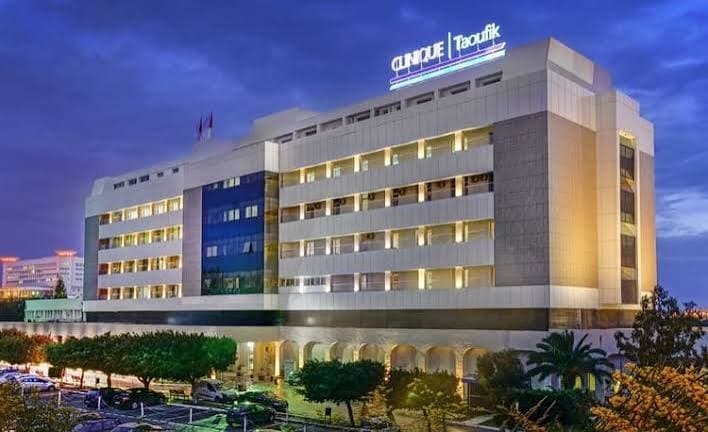
Taoufik Hospital Group

Taoufik Hospital Group

Tunis, Tunisia

Taoufik Hospitals Group (THG) is Tunisia's first multi-site hospital network covering all medical-surgical specialties, founded in 2014 and expanded through four successive acquisitions to include Clinique Taoufik, Clinique Soukra, Clinique Ezzahra, and Clinique Hannibal across Tunis. The group operates 626 beds, 100 ICU beds, and 30 operating rooms, recording over 180,000 admissions per year across 24 specialties including cardiology, oncology, neurology, orthopaedics, fertility, nephrology, and paediatrics. THG holds France Accreditation and Bureau Veritas certification, and provides dedicated international patient services including a 48-hour cost estimate, multilingual patient relations coordinators available throughout the stay, and fully transparent itemised billing.

France Accr.Bureau Veritas

200+

Specialists

626+

Beds

View Profile
Amrita Hospital

Amrita Hospital

Faridabad, India

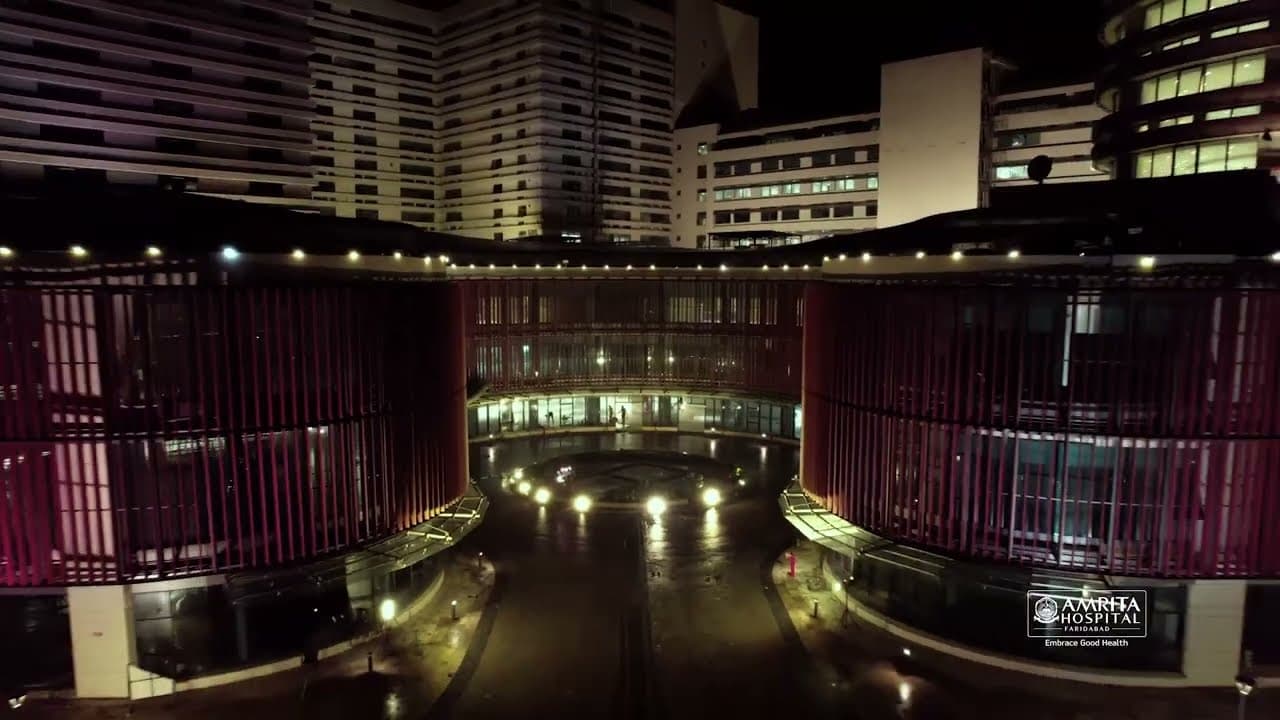
Asia's largest private hospital — 2,600 beds, 64 operation theatres, 81 specialties on a 130-acre campus in Delhi NCR. NABH & NABL accredited. Centres of excellence in oncology, cardiac surgery, BMT, organ transplantation, neurosciences, and IVF.

NABHNABL

800+

Specialists

2,600+

Beds

View Profile

Frequently asked questions

Fusing one or two levels causes minimal long-term mobility loss. Multi-level fusions may reduce some range of motion, but the primary goal is eliminating the pain already restricting movement.

No fees. No commitment.

Our guidance is completely free

We are compensated by our partner hospitals — never by patients. You get independent clinical matching, cost transparency, and end-to-end coordination at no cost to you.

Message us on WhatsApp