
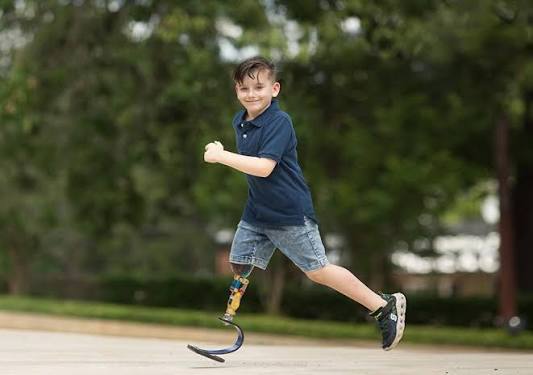
Pediatric Prosthetic Fitting
Rehabilitation
Starting from
$3,000
Up to $20,000 depending on centre
Typical duration
14–45 days
Including pre-operative work-up
Content reviewed for medical accuracy by: Dr. Rodina Ainasoa · Medical Content Writer & Health Communications
Overview
Custom-designed prosthetic devices and specialist rehabilitation for children with congenital limb differences or acquired limb loss, combining certified pediatric prosthetists, child-focused physiotherapy, and psychological support. India and Turkey offer internationally accredited pediatric prosthetic programs using modern lightweight components at dramatically lower cost than Western countries.
Your case is matched to a centre on the basis of clinical outcome data, not marketing. We coordinate every step — from pre-operative work-up to post-treatment follow-up — with a dedicated care coordinator.
What's included
Pediatric Prosthetic Fitting
Coordinated from
or message us on WhatsApp
No commitment required. Your data is never shared with third parties.
The Fitting & Rehabilitation Process: Step by Step
Pediatric prosthetic care is not a single procedure but an ongoing, staged process. The steps below outline the general pathway from evaluation to functional use; a pediatric prosthetist and rehabilitation team will confirm the specific plan for your child based on their limb difference, age, and developmental stage.
Assessment and prosthetic prescription
A pediatric physiatrist and certified prosthetist evaluate the residual limb, the child's developmental stage, and functional goals, then recommend a device type — passive, body-powered, or myoelectric — appropriate for the child's age and the limb involved.
Casting and custom fabrication
A mold or digital scan of the residual limb is taken to fabricate a custom-fitted socket, which is combined with the selected componentry (foot, knee, hand, or elbow unit) sized and set up specifically for the child.
Iterative fitting and adjustment
The device is fitted in stages, with the prosthetist checking socket comfort, alignment, and range of motion, and making adjustments over one or more visits until the fit and function are optimized for the child.
Training and functional integration
Child-focused physiotherapy or occupational therapy teaches the child to use the device for standing, walking, grasping, or bimanual tasks as applicable, working toward integrating the prosthetic into everyday play and developmental milestones.
Growth, Follow-Up & Replacement Timeline
After the initial fitting, most children attend short follow-up visits within the first month to check for skin irritation, socket fit, and comfort as they begin using the device in daily activities.
Routine reviews are typically scheduled every three to six months to reassess fit, alignment, and function, since a growing child's limb shape and length can change enough in this window to affect comfort and gait.
Younger children commonly need a new socket, and sometimes new componentry, every six to twelve months as they grow; older children and teens generally need replacement less often, roughly every twelve to twenty-four months.
Once growth slows and the young person reaches skeletal maturity, replacement needs typically fall to roughly every three to five years, similar to the replacement interval seen in adult prosthetic care.
Source: Shriners Children's pediatric orthotic and prosthetic services patient education materials; Amputee Coalition (National Limb Loss Resource Center) pediatric limb loss resources. Individual growth rates and follow-up schedules vary by child.
Known Risks & Limitations
- Because children grow, a prosthetic device is never a one-time purchase — sockets and, less often, components need periodic replacement or adjustment, and families should plan for this ongoing cost and time commitment rather than a single upfront fitting.
- Skin irritation, pressure sores, or discomfort at the socket interface can occur, particularly during growth spurts when the socket no longer matches the limb shape; regular follow-up is needed to catch and address this early.
- Younger children fitted with myoelectric (powered) devices generally show better long-term acceptance than those fitted later, so delaying a decision about device type can affect how readily the child adapts to it.
- Traveling internationally for the initial fitting means routine follow-up and minor adjustments may need to be coordinated with a local prosthetist at home, or scheduled as periodic return visits, since growth-related changes do not wait for travel plans.
- Psychosocial adjustment — for the child and the family — is a normal and expected part of pediatric limb difference care, and structured psychological support alongside physical fitting has been associated with better long-term device acceptance and use.
Source: Shriners Children's, Amputee Coalition (National Limb Loss Resource Center), and peer-reviewed pediatric prosthetics literature (Journal of the Pediatric Orthopaedic Society of North America / PubMed). Individual risk factors vary and should be discussed with your child's treating team.
The CureSureMedico Care Pathway
Remote clinical review
Share your child's medical history, any existing prosthetic records or measurements, and photos or video of the residual limb. Our coordination team forwards the case to a pediatric prosthetist and physiatrist for initial review before you travel.
Device and pathway recommendation
The receiving team reviews the child's age, limb difference, and functional goals to recommend a device type and confirm the number of in-country visits needed for casting, fitting, and initial training.
Consolidated treatment plan and estimate
A cost estimate covering assessment, custom fabrication, fitting sessions, and initial therapy is issued before you travel, with an honest explanation that this covers the current fitting and not future growth-related replacements.
Fabrication, fitting, and training
During your stay, the device is fabricated, fitted, and adjusted, and your child begins functional training with a pediatric physiotherapist or occupational therapist before you are cleared to travel home.
Growth-monitoring handover and long-term continuity
Because children outgrow prosthetic sockets on a roughly six-to-twenty-four-month cycle, we prepare a detailed measurement and component record for your family and, where possible, a local prosthetist, and can help coordinate periodic return visits or telemedicine check-ins so growth-related adjustments are not missed.
Global cost comparison — Pediatric Prosthetic Fitting
Average coordinated costs across our partner centres. Final pricing depends on clinical complexity and chosen hospital.
| Country | Avg. cost | vs. cheapest |
|---|---|---|
🇮🇳 India New Delhi · Chennai · Bengaluru · Hyderabad · Mumbai · Kochi | $5,000 | —chevron_right |
🇹🇷 Turkey Istanbul | $12,000 | +140%chevron_right |
Costs are indicative estimates and vary by procedure specifics, hospital, and clinical complexity. Request a personalised estimate for your specific case.
Frequently asked questions
Children grow rapidly and typically require a new prosthetic socket every 12–18 months during early childhood, with the structural components potentially reusable if in good condition. The initial fitting abroad establishes a detailed measurement record, component specification sheet, and growth projection plan that is shared with the family and, where possible, a local prosthetist in the home country. For families in countries with limited local prosthetic services, our partner centers offer annual or biannual follow-up visits combined with telemedicine consultations to monitor fit and function between trips. The cost of return visits is significantly lower as the clinical assessment and socket modification is faster for established patients.
No fees. No commitment.
Our guidance is completely free
We are compensated by our partner hospitals — never by patients. You get independent clinical matching, cost transparency, and end-to-end coordination at no cost to you.