CureSureMedico
|
EN

Post-Amputation Rehabilitation

Rehabilitation

payments

Starting from

$3,000

Up to $18,000 depending on centre

schedule

Typical duration

21–60 days

Including pre-operative work-up

arrow_downwardlocal_hospital

Partner hospitals

1

Vetted for outcome data & accreditation

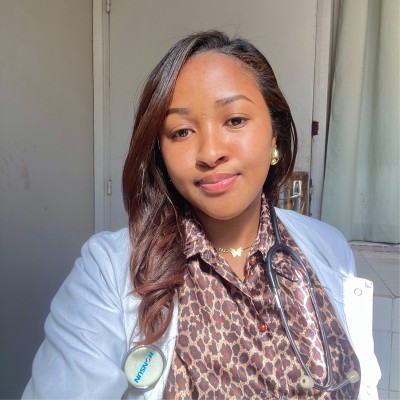
Dr. Rodina Ainasoa

Content reviewed for medical accuracy by: Dr. Rodina Ainasoa · Medical Content Writer & Health Communications

Overview

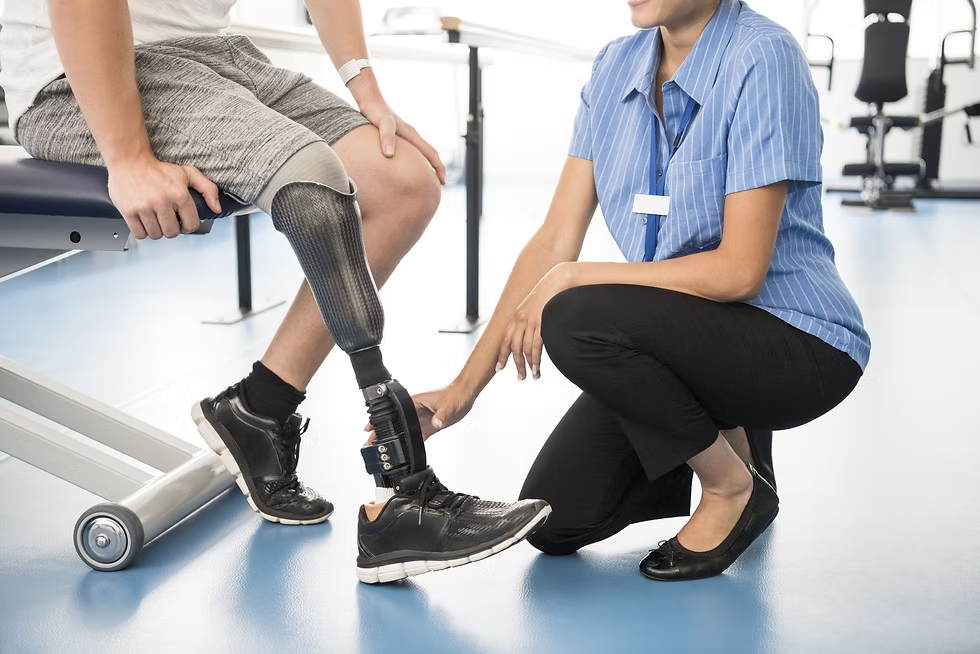
Comprehensive residual limb care, prosthetic fitting, and functional rehabilitation for patients following lower or upper limb amputation due to diabetes, trauma, vascular disease, or cancer. Top rehabilitation centers in India, Turkey, and Malaysia combine expert physiatrists, certified prosthetists, and advanced prosthetic technology at significantly lower costs.

Your case is matched to a centre on the basis of clinical outcome data, not marketing. We coordinate every step — from pre-operative work-up to post-treatment follow-up — with a dedicated care coordinator.

What's included

Physiatrist assessment and personalized rehabilitation plan
Residual limb wound care and shaping program
Prosthetic limb fabrication and fitting by certified prosthetist
Daily physiotherapy, gait training, and functional mobility sessions
Phantom limb pain assessment and management if required
Dedicated rehabilitation coordinator and interpreter throughout stay

Post-Amputation Rehabilitation

Coordinated from

$3,000

or message us on WhatsApp

No commitment required. Your data is never shared with third parties.

Conventional Mechanical Prosthesis vs. Microprocessor-Controlled Prosthetic Limb

For lower-limb amputees, prosthetic knees and ankles are available as conventional mechanical components or as microprocessor-controlled devices with onboard sensors. Here is how the two approaches compare.

ParameterConventional Mechanical ProsthesisMicroprocessor-Controlled Prosthesis
How the joint respondsThe knee or ankle behaves the same way regardless of walking speed or terrain, relying on fixed mechanical resistance set by the prosthetist.Onboard sensors sample joint position and load many times per second and adjust resistance in real time to match walking speed, slopes, and stairs.
Device and component costSubstantially lower upfront cost, making it accessible for a wider range of patients and budgets.Significantly higher cost than mechanical components, reflecting the embedded electronics and sensors; not all insurers or patients can justify this for every case.
Reported mobility and safety outcomesWell-established functional outcomes for level-ground walking, with decades of clinical use and component refinement.Published studies report improved self-reported mobility, fewer stumbles and falls, and better confidence on stairs and uneven ground compared with mechanical knees, though individual results vary.
Maintenance and servicingSimple mechanical parts that are generally easier to service and repair in areas with limited prosthetic infrastructure.Requires periodic battery charging and specialised servicing by a certified prosthetist familiar with the specific electronic system.
Best suited forPatients prioritising affordability, simplicity, and long-term serviceability, or those with more limited activity levels.Active patients who walk on varied terrain, climb stairs frequently, or want the added safety margin the sensors provide, where cost is not a limiting factor.

The Rehabilitation Process: Step by Step

The steps below outline a typical post-amputation rehabilitation pathway. Your physiatrist and prosthetist will adapt the plan to your amputation level, overall health, and mobility goals.

1

Residual limb healing and conditioning

Once the surgical wound has healed, the residual limb (stump) is shaped and conditioned through compression wrapping, desensitisation exercises, and early strengthening to prepare it for a prosthetic socket.

2

Prosthetic casting and fitting

A certified prosthetist takes a cast or digital scan of the residual limb to fabricate a custom socket, then fits and adjusts the prosthetic device — mechanical or microprocessor-controlled — for comfort and alignment.

3

Gait and functional training

Physiotherapists guide progressive gait training, starting with parallel bars and assistive devices before advancing to independent walking, stairs, and uneven surfaces as strength and confidence improve.

4

Ongoing adjustment and functional review

As the residual limb volume stabilises over weeks to months, the socket is refit or adjusted, and functional goals are reviewed with the rehabilitation team to fine-tune the prosthetic fit and gait pattern.

Recovery Timeline

Recovery Timeline
First 2-4 weeks

Focus is on wound healing, swelling reduction, and early residual limb shaping; a temporary or preparatory prosthesis may be used to begin protected weight-bearing, per the Amputee Coalition.

~4-12 weeks

Once residual limb volume has stabilised, casting for the definitive prosthetic socket typically begins; readiness varies by amputation level, wound healing, and overall health.

3-6 months

Gait training progresses from parallel bars and assistive devices toward independent walking; most patients continue to build endurance, balance, and confidence on varied surfaces during this period.

Ongoing

Functional adaptation continues for a year or more as residual limb shape stabilises fully; sockets typically need periodic refitting or replacement over time, and long-term follow-up with a prosthetist is standard care.

Source: Amputee Coalition; American Academy of Orthotists and Prosthetists; Mayo Clinic; Cleveland Clinic. Individual recovery varies and is guided by your treating physiatrist and prosthetist.

Known Risks & Limitations

  • Phantom limb pain — pain sensations that appear to arise from the missing limb — is very common, reported by a large majority of amputees at some point, and can be persistent or difficult to treat for a subset of patients, per the Amputee Coalition.
  • Skin and socket fit problems, including pressure sores, blisters, or irritation, can develop as residual limb volume changes over time, particularly with weight fluctuation, and may require socket adjustment or refitting.
  • Functional outcomes vary considerably by amputation level, vascular status, age, and pre-existing health conditions; not every patient regains the same degree of independent mobility.
  • Prosthetic limbs require ongoing maintenance, periodic component replacement, and socket refitting over years of use — this is a long-term commitment, not a one-time device.
  • Psychological adjustment to limb loss, including grief, altered body image, and adaptation to a prosthesis, is a recognised part of recovery and can benefit from counselling or peer support alongside physical rehabilitation.

Source: Amputee Coalition; American Academy of Orthotists and Prosthetists; Mayo Clinic; Cleveland Clinic. No rehabilitation pathway is without limitations; your treating physiatrist and prosthetist will review your individual case.

The CureSureMedico Care Pathway

Remote case review

Share your surgical notes, wound photographs, and amputation level with our coordination team, who forward your case for an initial review of rehabilitation and prosthetic-fitting suitability.

Rehabilitation centre and prosthetist matching

We match you with an accredited rehabilitation centre and certified prosthetist experienced in your amputation level, considering conventional or microprocessor-controlled prosthetic options.

Cost estimate and travel planning

Once your case is reviewed, we issue a consolidated cost estimate covering assessment, prosthetic device, and rehabilitation sessions, and help plan a stay long enough for casting, fitting, and initial gait training.

Rehabilitation and prosthetic fitting

You attend residual limb conditioning, prosthetic casting and fitting, and daily gait training sessions with your rehabilitation team throughout your stay.

Follow-up and continuity of care

Before you depart, your rehabilitation records and prosthetic specifications are shared with your home-country physiatrist or prosthetist so they can provide ongoing adjustment and long-term care.

Global cost comparison — Post-Amputation Rehabilitation

Average coordinated costs across our partner centres. Final pricing depends on clinical complexity and chosen hospital.

CountryAvg. costvs. cheapest
🇮🇳

India

New Delhi · Chennai · Bengaluru · Hyderabad · Mumbai · Kochi

Best value
$4,000
chevron_right
🇹🇷

Turkey

Istanbul

$10,000
chevron_right

Costs are indicative estimates and vary by procedure specifics, hospital, and clinical complexity. Request a personalised estimate for your specific case.

Partner hospitals

1 centres
View all hospitals
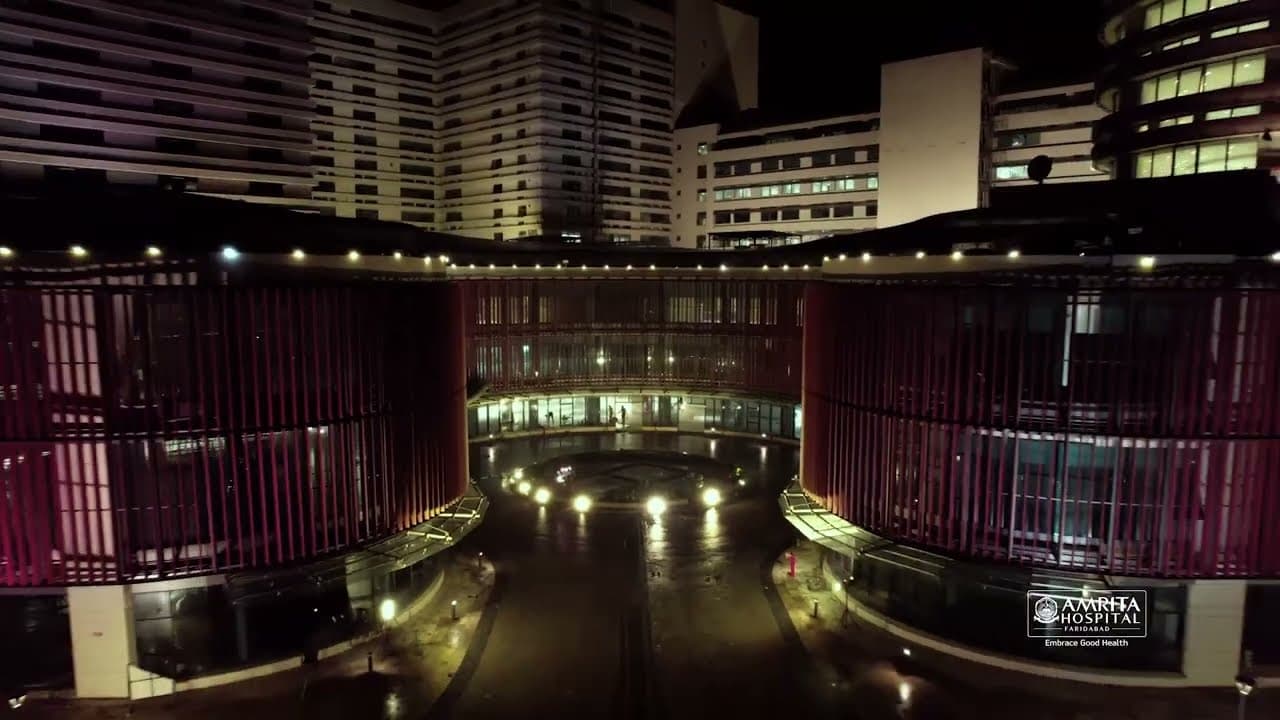
Amrita Hospital

Amrita Hospital

Faridabad, India

Asia's largest private hospital — 2,600 beds, 64 operation theatres, 81 specialties on a 130-acre campus in Delhi NCR. NABH & NABL accredited. Centres of excellence in oncology, cardiac surgery, BMT, organ transplantation, neurosciences, and IVF.

NABHNABL

800+

Specialists

2,600+

Beds

View Profile

Frequently asked questions

Most patients are medically cleared to travel 4–8 weeks after amputation surgery, once the wound has healed and the residual limb has stabilized. Traveling too early increases the risk of wound breakdown and infection. We recommend sharing your surgical notes and recent wound photographs with our medical team so they can advise the optimal travel window for your specific case. The prosthetic fitting process typically begins when the residual limb volume has stabilized, which usually occurs 6–12 weeks post-surgery. Our partner rehabilitation centers can provide early-phase residual limb shaping and physiotherapy even before definitive prosthetic fitting begins.

No fees. No commitment.

Our guidance is completely free

We are compensated by our partner hospitals — never by patients. You get independent clinical matching, cost transparency, and end-to-end coordination at no cost to you.

Message us on WhatsApp