CureSureMedico
|
EN

Sports Injury & Orthopedic Rehabilitation

Rehabilitation

payments

Starting from

$1,000

Up to $6,000 depending on centre

schedule

Typical duration

14–45 days

Including pre-operative work-up

arrow_downwardlocal_hospital

Partner hospitals

1

Vetted for outcome data & accreditation

Dr. Rodina Ainasoa

Content reviewed for medical accuracy by: Dr. Rodina Ainasoa · Medical Content Writer & Health Communications

Overview

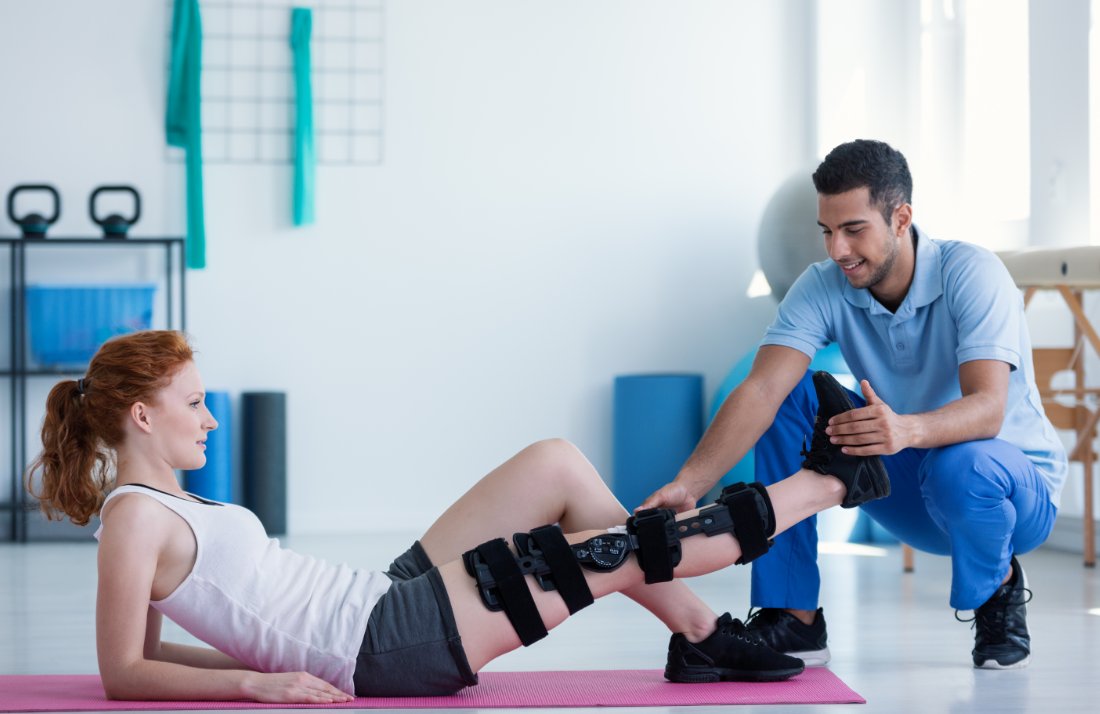
Specialist physiotherapy, PRP therapy, and evidence-based rehabilitation programs for ACL tears, meniscus injuries, rotator cuff repairs, and other sports injuries, helping athletes and active patients return to full function. India, Turkey, and Thailand offer certified sports physiotherapists and state-of-the-art rehabilitation facilities at 40–60% below Western prices.

Your case is matched to a centre on the basis of clinical outcome data, not marketing. We coordinate every step — from pre-operative work-up to post-treatment follow-up — with a dedicated care coordinator.

What's included

Sports medicine physician or physiotherapist assessment and program design
Daily supervised physiotherapy sessions (manual therapy, exercise, modalities)
PRP injections if indicated (platelets, imaging-guided injection)
Hydrotherapy, gym-based conditioning, and sport-specific training
Progress assessment and return-to-sport clearance protocol
Home exercise program, coordinator support, and follow-up telemedicine

Sports Injury & Orthopedic Rehabilitation

Coordinated from

$1,000

or message us on WhatsApp

No commitment required. Your data is never shared with third parties.

Standard Physiotherapy vs. Sports-Specific Accelerated Rehabilitation

Recovering from a sports injury can follow a general physiotherapy program or a sports-specific, accelerated rehabilitation pathway built around your sport and competitive level. Here is how the two approaches compare.

ParameterStandard PhysiotherapySports-Specific Accelerated Rehabilitation
Program focusGeneral strengthening, range-of-motion restoration, and pain management to return to everyday activity.Sport-specific functional training layered on top of general recovery, including position-specific drills, agility work, and plyometrics tailored to the athlete's sport.
Typical program lengthOften 4-8 weeks of supervised sessions for non-athletic activities of daily living.Individualized and injury-dependent, frequently extending over 3-9 months for major ligament or tendon injuries before full sport clearance, per AOSSM and Mayo Clinic guidance.
Use of adjunct therapies (e.g. PRP)Not routinely used; focus stays on manual therapy and exercise.Platelet-rich plasma (PRP) injections may be considered alongside rehabilitation for tendinopathy or partial-thickness tears, based on physician assessment of imaging findings.
Return-to-activity decisionOften guided mainly by reduced symptoms and elapsed time since injury.Guided by objective functional testing — strength symmetry, hop and agility tests, and psychological readiness — rather than symptoms or a calendar date alone, per National Athletic Trainers' Association guidance.
Best suited forPatients aiming to resume general activity, work, and non-competitive exercise.Competitive or recreational athletes aiming for a full, confident return to their specific sport at their prior level of performance.

The Rehabilitation Process: Step by Step

The steps below outline a typical sports rehabilitation pathway. Your sports medicine physician and physiotherapist will tailor the exact plan to your injury, sport, and goals.

1

Functional assessment and imaging review

A sports medicine physician or physiotherapist reviews your injury history, any MRI or ultrasound imaging, and performs a hands-on functional assessment of strength, range of motion, and movement patterns.

2

Individualized rehabilitation plan design

Based on the assessment, a personalized program is designed with clear milestones, combining manual therapy, targeted exercise, and — where clinically indicated — PRP injections for partial tears or tendinopathy.

3

Progressive loading and sport-specific training

As pain and swelling settle, the program progressively increases load and complexity, moving from basic strengthening to agility, balance, plyometric, and sport-specific skill training.

4

Return-to-play clearance testing

Before resuming competitive sport, objective tests — strength symmetry between limbs, hop and agility tests, and readiness questionnaires — are used to assess whether it is safe to return, rather than relying on symptoms alone.

Recovery Timeline

Recovery Timeline
Weeks 1-2

Acute/early phase: pain and swelling control, protection of healing tissue, and gentle early mobility work, per Mayo Clinic and Cleveland Clinic guidance.

Weeks 3-6

Strength and loading phase: progressive resistance exercise, restoration of full range of motion, and correction of any strength or movement deficits identified in the initial assessment.

Weeks 6-12+

Sport-specific training phase: agility drills, plyometrics, and sport-specific skill work are introduced and progressively increased as strength benchmarks are met.

3-9+ months

Return-to-play phase: objective clearance testing is completed and athletes are gradually reintegrated into training and competition; timelines vary substantially by injury type, sport, and individual progress, per AOSSM.

Source: American Orthopaedic Society for Sports Medicine (AOSSM); National Athletic Trainers' Association; Mayo Clinic; Cleveland Clinic. Individual recovery varies and is guided by your treating sports medicine physician or physiotherapist.

Known Risks & Limitations

  • Returning to sport before rehabilitation goals and clearance testing are met significantly increases the risk of re-injury, per AOSSM-reviewed research on return-to-sport timing.
  • Recovery and return-to-play timelines vary substantially depending on the specific injury, sport, and the athlete's individual progress — the timelines above are general guidance, not a guarantee for any individual case.
  • Objective clearance testing (strength symmetry, hop and agility tests, readiness assessment) is important because symptom-based return alone does not reliably predict readiness or re-injury risk.
  • There is no guarantee that an athlete will return to their exact prior level of performance, even with a well-executed rehabilitation program.
  • Psychological readiness — confidence in the injured area and reduced fear of re-injury — matters as much as physical measures such as strength and range of motion when deciding to return to sport.

Source: American Orthopaedic Society for Sports Medicine (AOSSM); National Athletic Trainers' Association; Mayo Clinic; Cleveland Clinic. No rehabilitation program is without risk; your treating sports medicine physician or physiotherapist will review your individual case.

The CureSureMedico Care Pathway

Remote case review

Share your injury history, imaging reports, and sport or activity goals with our coordination team, who forward your case for an initial review of the most appropriate rehabilitation pathway.

Sports medicine matching

We match you with an accredited sports medicine physician and physiotherapy team experienced in your specific injury and, where relevant, your sport.

Individualized plan and cost estimate

Once your case is reviewed, we issue a consolidated cost estimate and a personalized program outline, including whether PRP or other adjunct therapies are recommended alongside physiotherapy.

Supervised rehabilitation and progress tracking

You attend supervised sessions combining manual therapy, progressive strengthening, and sport-specific training, with regular reassessment to track your progress toward return-to-play milestones.

Return-to-play clearance and continuity of care

Before you depart, your clearance testing results and a structured home or local-gym continuation program are shared with your home-country physiotherapist or sports medicine team for ongoing support.

Global cost comparison — Sports Injury & Orthopedic Rehabilitation

Average coordinated costs across our partner centres. Final pricing depends on clinical complexity and chosen hospital.

CountryAvg. costvs. cheapest
🇮🇳

India

New Delhi · Chennai · Bengaluru · Hyderabad · Mumbai · Kochi

Best value
$1,500
chevron_right
🇹🇷

Turkey

Istanbul

$3,000
chevron_right

Costs are indicative estimates and vary by procedure specifics, hospital, and clinical complexity. Request a personalised estimate for your specific case.

Partner hospitals

1 centres
View all hospitals
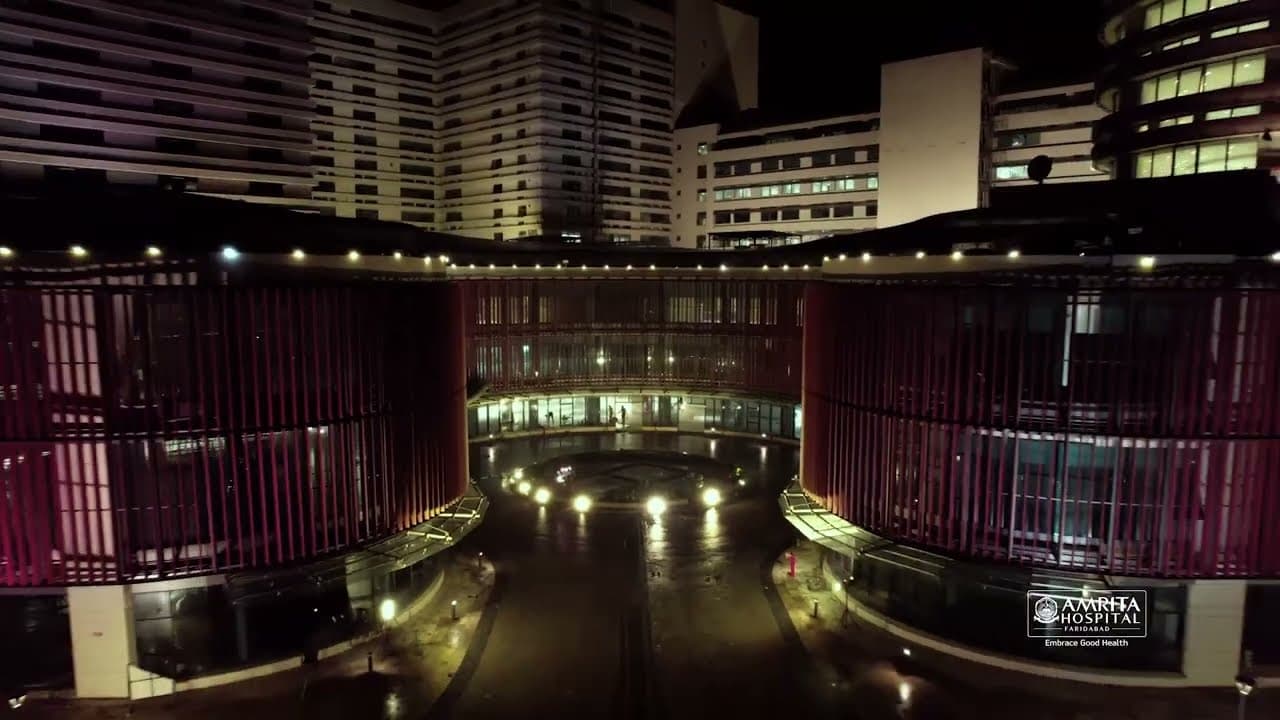
Amrita Hospital

Amrita Hospital

Faridabad, India

Asia's largest private hospital — 2,600 beds, 64 operation theatres, 81 specialties on a 130-acre campus in Delhi NCR. NABH & NABL accredited. Centres of excellence in oncology, cardiac surgery, BMT, organ transplantation, neurosciences, and IVF.

NABHNABL

800+

Specialists

2,600+

Beds

View Profile

Frequently asked questions

Yes — this is a popular pathway. Many patients choose to have ACL reconstruction (or other orthopedic surgeries) at a partner hospital and immediately begin their post-operative rehabilitation at the same or affiliated rehabilitation center. The advantage is seamless communication between surgeon and physiotherapist, which leads to better protocol adherence. Post-operative rehabilitation for ACL reconstruction typically requires 4–6 weeks of intensive physiotherapy before patients are safe to fly home, followed by a structured home program. Our coordinators will design a combined surgical and rehabilitation package with a single price quote covering both phases.

No fees. No commitment.

Our guidance is completely free

We are compensated by our partner hospitals — never by patients. You get independent clinical matching, cost transparency, and end-to-end coordination at no cost to you.

Message us on WhatsApp